


Espresso pairing is all about finding the right balance between coffee intensity and food flavors. This guide...
Please, visit the correct shop for your location:
International Site


It looks like you are not from the USA,
please visit the correct shop for your location:


 Espresso Machines
Coffee Grinders
Set
Accessories
Coffee
Pour Over
Design Collection
Deals
Best Of Black Friday
Brands
Espresso Machines
Coffee Grinders
Set
Accessories
Coffee
Pour Over
Design Collection
Deals
Best Of Black Friday
Brands
Espresso Coffee Shop
+Assistance and services
+-
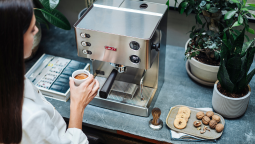 Espresso Pairing Guide: Foods That Complement Your CoffeeRead more09/03/2026
 -
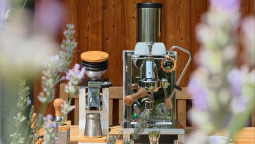 Coffee Catering Services: Mobile Espresso Solutions for EventsRead more
Coffee catering brings a complete espresso experience directly to weddings, corporate events, private parties, and...
08/27/2026 -
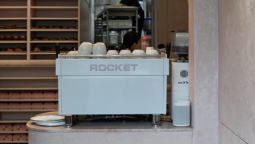 Coffee Shop Design: Creating the Perfect Espresso Bar LayoutRead more
Designing the perfect coffee shop layout starts with creating an efficient espresso bar workflow. A well-planned...
08/25/2026 -
 Specialty Coffee Trends: Staying Competitive in the Espresso MarketRead more
Specialty coffee trends are transforming the espresso market as consumers increasingly prioritize quality,...
08/25/2026 -
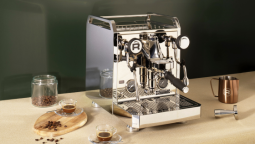 Espresso Machine Leasing vs Buying: What's Best for Your Business?Read more
Should you lease or buy an espresso machine for your business? This guide compares the costs, benefits, and long-term...
07/14/2026 -
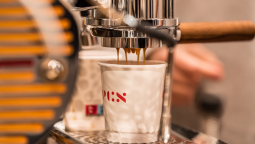 Espresso and Health: Benefits, Caffeine Content, and Wellness ConsiderationsRead more
Wondering how espresso affects your health? Learn how much caffeine is in a shot, what research says about...
07/14/2026 -
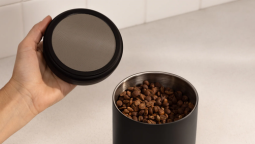 Espresso Gift Guide: Perfect Presents for Coffee EnthusiastsRead more
Discover practical espresso gift ideas for every budget with this guide from Espresso Coffee Shop USA. From...
07/08/2026 -
 Office Coffee Solutions: Bringing Quality Espresso to the WorkplaceRead more
Create a better workplace coffee experience with the right office coffee solutions. This guide explains how to choose...
07/08/2026 -
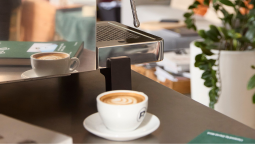 Italian Espresso Bar Etiquette: How to Order Like a LocalRead more
Discover the essential etiquette of an Italian espresso bar, from ordering coffee like a local to understanding when...
07/08/2026 -
 Sustainable Espresso: Eco-Friendly Practices and Equipment for 2026Read more
A sustainable espresso setup combines high-quality coffee with environmentally responsible choices. From durable,...
06/23/2026
Blog categories
Search in blog
Archived posts
Espresso Extraction Time: The Science Behind the Perfect 25–30 Second Shot
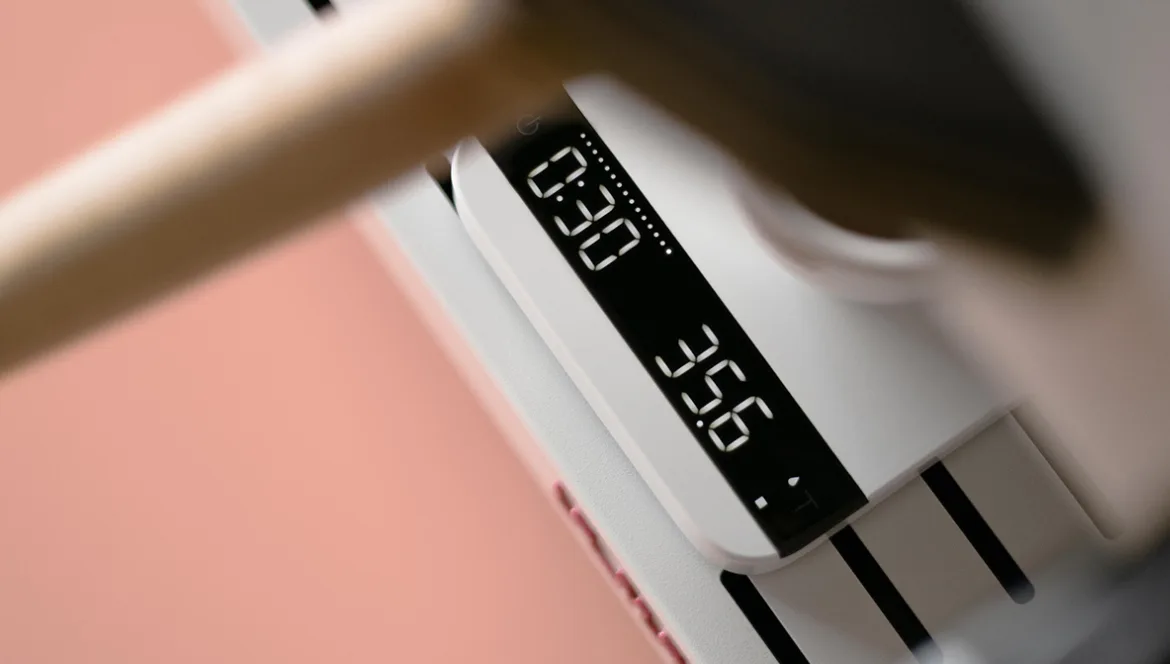
A standard double espresso shot should extract in 25 to 30 seconds, producing roughly 36g of liquid from an 18g dose. Shots under 20 seconds taste sour and thin. Shots over 35 seconds taste bitter and overextracted.
At Espresso Coffee Shop USA, we help home baristas and cafes across the country choose and dial in Italian espresso machines and grinders from brands like Rocket, La Marzocco, Lelit, and Mahlkönig. One question comes up more than almost any other: why does the same recipe taste different from one morning to the next? Nine times out of ten, the answer comes back to timing.
Every barista swears by one golden rule: the 25 to 30 second extraction window. Those few seconds are what transform finely ground coffee into a rich, aromatic shot topped with a creamy, golden crema. This guide breaks down the science behind that window, what actually controls it, and how to hit it consistently whether you are pulling shots on a home machine or a commercial setup.
| Shot Type | Dose (in) | Yield (out) | Target Time |
|---|---|---|---|
| Single | 9g | 18g | 25-30s |
| Double | 18g | 36g | 25-30s |
| Ristretto | 18g | 25g | 15-20s |
What Is Espresso Extraction Time?
Extraction time is how long water takes to pass through the coffee grounds under pressure, from the moment the pump or lever starts until the last drop hits the cup. For a standard double shot, the ideal window is 25 to 30 seconds.
During those seconds, hot water dissolves thousands of flavor compounds from the grounds. The goal is balanced extraction: enough time to pull the sweet, soluble flavors without pulling so long that bitterness and astringency take over.
The Three Stages of Espresso Extraction
Understanding what happens inside the portafilter explains why those seconds matter so much.
- Pre-infusion (0–5 seconds): Water gently wets the puck before full pressure builds. This step reduces channeling, the small cracks that let water rush through unevenly, and sets up an even extraction.
- Dissolution (6–20 seconds): Water at around 9 bars of pressure pulls sugars, acids, and aromatic compounds from the grounds. This stage builds body and sweetness.
- Final Extraction (21–30 seconds): Oils and heavier compounds come through, contributing crema and structure. Push past this point and bitterness takes over. Cut it short, and the shot stays sour and watery.
What Affects Espresso Extraction Time?
A handful of variables work together to determine how fast or slow a shot runs. Adjust one at a time to keep troubleshooting simple.
1. Grind Size is the biggest lever. Too fine and water struggles to pass through, slowing the shot. Too coarse and water rushes past the grounds before it can extract properly. A quality burr grinder such as the Eureka Mignon Specialita or the Mahlkönig X64 single-dose grinder gives the consistency needed to make small adjustments repeatable.
2. Dose typically runs 18 to 20 grams for a double shot. A heavier dose adds resistance and slows the shot; a lighter dose speeds it up.
3. Tamping Pressure Tamp matters less than most guides claim. What actually affects extraction is a level, even puck, not a specific number of pounds of force. As long as the tamp is firm and flat, extra pressure adds little. Focus on consistency and levelness rather than chasing a target weight.
4. Water temperature ideally sits between 90 and 96°C (194 to 205°F). Too cool and extraction slows; too hot and bitter compounds dominate the cup.
5. Machine type plays a role too. Semi-automatic machines let you control shot time by hand. Dual-boiler machines hold temperature and pressure more precisely than single-boiler models. Commercial machines from Rocket Espresso or La Marzocco are built to hold that consistency shot after shot, even during a rush.
How to Dial In the Perfect Extraction
Start with a consistent setup, then adjust one variable at a time.
1. Start with a 1:2 ratio, 18g of coffee in for 36g of espresso out.
2. Run the shot for 25 to 30 seconds.
3. Taste and adjust:
Sour: grind finer or increase the dose.
Bitter: grind coarser or shorten the shot.
Weak or watery: check tamp levelness or bean freshness.
Log the recipe and the result each time. Small, single variable changes are far easier to troubleshoot than adjusting grind, dose, and tamp all at once.
A grind-by-weight grinder such as the Mahlkonig E65 GBW removes dose inconsistency entirely by weighing every shot as it grinds, and Mahlkönig has since extended that technology into the newer E65W Grind by Sync line for cafes that want automatic recipe adjustment. On the machine side, the 9Barista Mk2 hits 9 bars of pressure naturally on a stovetop with no pump required, making it one of the simplest ways to land in that 25 to 30 second window without electronics. For puck prep, the Weber Workshops Really Nice Tamper self-levels on every press, taking uneven tamping out of the equation.
Espresso Machines That Excel in Extraction Control
If you want full control over temperature, pressure, and pre-infusion, look for machines built around PID temperature stability and dual boiler or heat exchanger designs:
- Rocket Appartamento – A dependable semi-automatic machine for home baristas stepping up from an entry-level setup.
- Lelit Bianca Dual Boiler Espresso Machine – Independent brew and steam boilers with pressure profiling for shot-by-shot control.
- Rocket Giotto Type V – PID temperature stability paired with manual shot control for hands-on extraction.
Pair any of these with a Mahlkönig or Eureka grinder to keep grind size dialed in shot after shot.
Single Shot vs Double Shot: Timing and Volume
The 25 to 30 second window applies to both single and double shots; only the volume changes. A single shot uses about 7 to 9 grams of coffee for roughly 25 to 30ml of output, while a double shot uses about 18 grams for around 36 grams (36ml) out, following the classic 1:2 ratio. Whether the question is how many seconds a double shot should take or how long a single shot should pull, the target time stays the same. The dose and yield scale together; the clock does not. This 25 to 30ml, 25 to 30 second definition lines up with the standard used by the Specialty Coffee Association and echoed by manufacturers including La Marzocco.
When to Start Timing Your Shot
Start the timer the moment the pump or lever begins, at the start of pre-infusion, not when the first drop appears in the cup. Because pre-infusion adds a few seconds before liquid emerges, timing from first drip alone gives a misleadingly short reading. The exact convention matters less than picking one method and using it every time, so shots stay comparable day to day.
Espresso vs Lungo: Why Longer Extraction Tastes Different
A lungo, Italian for long, is pulled with more water over a longer extraction, typically 40 to 60 seconds for 50 to 90ml, compared to a standard espresso's 25 to 30 seconds. That extended contact time pulls more of the heavier, bitter compounds out of the puck, which is why a lungo tastes more bitter than a standard shot. It is not a flaw in the extraction; it is simply what longer contact time draws out of the grounds.
Troubleshooting a Fast or Slow Shot
If a shot finishes well under 20 to 25 seconds, the grind is likely too coarse or the dose too light. Grind finer or add a gram or two to the dose. If a shot runs past 35 seconds or drips rather than flows, the grind is too fine, the dose too heavy, or the puck too dense. Grind coarser or lighten the dose slightly. As a general rule, anything under 15 seconds needs a finer grind, and anything well past 30 seconds needs a coarser one.
Machine Heat Up Time Matters Too
Extraction consistency also depends on a fully heated machine. Traditional heat exchanger and dual boiler machines such as the Lelit Bianca, Rocket Appartamento, or Rancilio Silvia generally need 20 to 25 minutes to reach full thermal stability. Machines with rapid heat systems, such as ThermoJet-style boilers, reach brewing temperature in seconds instead. Pulling a shot before the group head and portafilter are fully warmed is a common cause of inconsistent timing, even when grind and dose are already dialed in correctly.
Getting It Right, Every Time
Mastering espresso extraction time comes down to three things staying aligned: a 25 to 30 second window, a 1:2 brew ratio, and a fine, consistent grind. Once those line up, an espresso will not just look right in the cup; it will taste right too. If a shot ever tastes off, timing is usually the first thing worth checking before swapping beans or blaming the machine.
Looking for hands-on guidance dialing in a new machine or grinder? Book a virtual coffee consultation with our team, and we will walk through your setup live.
Frequently Asked Questions (FAQs)
Q1. Why is 25–30 seconds the ideal extraction time for espresso?
This range allows optimal extraction of flavors — balancing sweetness, acidity, and bitterness.
Q2. What causes my espresso shot to pull too fast?
Usually, the grind is too coarse or the tamp pressure is too light, allowing water to pass through too quickly.
Q3. What happens if my espresso shot takes too long to extract?
Over-extraction occurs, resulting in bitter, burnt, or astringent flavors.
Q4. How can I adjust the extraction time on my espresso machine?
Adjust grind size, dose, or tamping pressure. A finer grind or higher dose slows extraction; coarser grind or lower dose speeds it up.
Q5. Does water temperature affect extraction time?
Yes — cooler water slows down extraction, while too-hot water speeds it up and may extract bitterness.
Q6. How many grams of coffee do I need for a double shot?
A double shot typically uses 18–20 grams of ground coffee, producing about 36 grams of espresso at a 1:2 ratio.
Q7. Is 36g of espresso a double shot?
Yes, a standard double shot yields roughly 36 grams (about 2 fluid ounces) of output from an 18-gram dose, pulled over 25–30 seconds.
Q8. What is the SCA standard for espresso extraction?
The Specialty Coffee Association describes espresso as roughly 25–30 ml extracted in about 25–30 seconds, with a target extraction yield of 18–22%.
Q9. When should I start timing my espresso shot?
Start the timer when you begin the pump (the start of pre-infusion), not when the first drop appears, and use the same method every time for consistency.
Q10. Why does a lungo taste more bitter than espresso?
A lungo uses more water and a longer extraction time, which draws out more of the bitter, heavier compounds that a standard 25–30 second shot leaves in the puck.
Related posts
-
 Understanding Espresso Machines: Single Boiler, Dual Boiler, and Heat Exchanger Models
Choosing the right espresso machine can elevate your coffee experience to new heights. At Espresso Coffee Shop we...Read more
Understanding Espresso Machines: Single Boiler, Dual Boiler, and Heat Exchanger Models
Choosing the right espresso machine can elevate your coffee experience to new heights. At Espresso Coffee Shop we...Read more -
 How to properly store coffee
If you, too, are a true coffee enthusiast, meticulously selecting the varieties you like best and eagerly...Read more
How to properly store coffee
If you, too, are a true coffee enthusiast, meticulously selecting the varieties you like best and eagerly...Read more -
 Bottomless portafilter? Here are the aspects to be considered
The search for the perfect espresso is a long road, and there are several tools that can help achieve the perfect...Read more
Bottomless portafilter? Here are the aspects to be considered
The search for the perfect espresso is a long road, and there are several tools that can help achieve the perfect...Read more -
 PROFITEC DRIVE: the home machine with professional performance
Drive is the most recent entry in the Profitec household and the evolution of the already highly appreciated Pro 700....Read more
PROFITEC DRIVE: the home machine with professional performance
Drive is the most recent entry in the Profitec household and the evolution of the already highly appreciated Pro 700....Read more -
 All about a good tamping
To make good coffee, it is important to have the right equipment, quality coffee and not only. It is also necessary...Read more
All about a good tamping
To make good coffee, it is important to have the right equipment, quality coffee and not only. It is also necessary...Read more
Leave a comment