



The commercial espresso machine you buy decides how many customers you can serve during a rush and how much...
-
 Training Your Staff: Essential Barista Skills for Commercial SuccessRead more09/29/2026
-
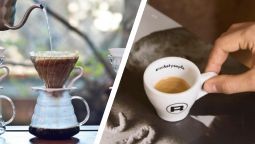 Espresso vs Pour-Over: Which Is Right for You?Read more
Espresso or pour-over? The difference comes down to pressure versus gravity, and it shapes flavour, caffeine and the...
09/25/2026 -
 Famous Italian Espresso Machine Manufacturers: La Pavoni, Gaggia, and MoreRead more
Compare La Pavoni, Gaggia, Rocket Espresso, and La Marzocco to find the best Italian espresso machine for your...
09/24/2026 -
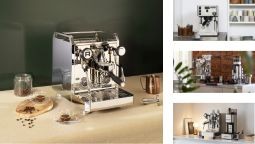 How to Choose an Espresso Machine: Complete Buying GuideRead more
Choosing the right espresso machine starts with understanding your budget, coffee preferences, and daily brewing...
09/23/2026 -
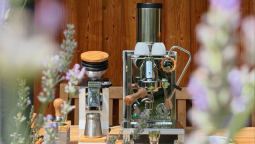 Coffee Catering Services: Mobile Espresso Solutions for EventsRead more
Coffee catering brings a working espresso bar to any event, from weddings to corporate meetings. This guide explains...
08/29/2026 -
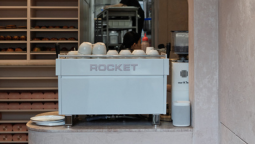 Coffee Shop Design: Creating the Perfect Espresso Bar LayoutRead more
A smooth espresso bar starts with smart layout decisions. This guide explains the workflow triangle that connects...
08/27/2026 -
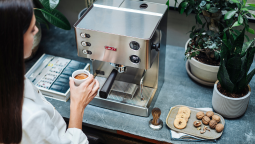 Espresso Pairing Guide: Foods That Complement Your CoffeeRead more
Pairing espresso with the right food comes down to balance. This guide explains what goes best with espresso, from...
08/26/2026 -
 Specialty Coffee Trends: Staying Competitive in the Espresso MarketRead more
Specialty coffee is moving from volume to quality, and the numbers show it. The global market is projected to reach...
08/24/2026 -
 Espresso Machine Leasing vs Buying: What's Best for Your Business?Read more
Should you lease or buy an espresso machine for your business? This guide compares the costs, benefits, and long-term...
07/14/2026 -
 Espresso and Health: Benefits, Caffeine Content, and Wellness ConsiderationsRead more
Wondering how espresso affects your health? Learn how much caffeine is in a shot, what research says about...
07/14/2026
Blog categories
Search in blog
Archived posts
Espresso vs Pour-Over: Which Is Right for You?
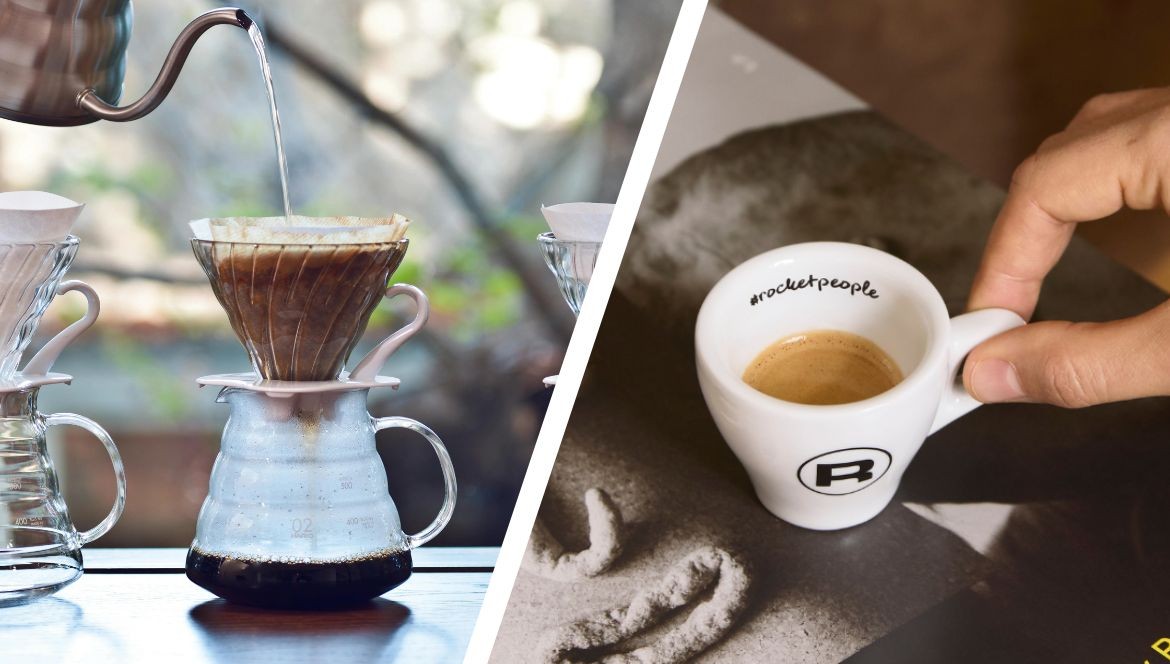
Espresso vs. pour-over comes down to pressure versus gravity, and that difference shapes how the coffee tastes, how much caffeine ends up in your cup and what equipment you need at home. Espresso forces hot water through finely ground coffee at high pressure over a short extraction. Pour-over lets gravity pull water through coarser grounds over several minutes.
Neither method is objectively better, but one usually fits your routine, kitchen and taste better. Below, we break down how each works and which equipment from Espresso Coffee Shop USA gets you started with either.
The Core Difference
Espresso uses pressure, typically around 9 bars, to push hot water through finely ground, tightly packed coffee. Extraction generally takes 20 to 35 seconds and produces a small, concentrated shot topped with crema. Pour-over is a manual, gravity-driven method in which hot water is poured over ground coffee resting in a filter, producing a larger, lighter-bodied cup over roughly 2 to 4 minutes. That pressure difference is why the two methods need different equipment.
How Espresso Works
Espresso requires a machine that holds consistent pressure and temperature, plus a grinder fine enough to create the resistance that pressure works against. The shot is quick, but grinding, dosing, distributing and tamping add a few minutes before you pull it. The result is a dense shot that forms the base for lattes, cappuccinos and americanos. Because the extraction window is short, grind size, dose and an even tamp all have a meaningful effect on the cup.
Three home machines we carry cover most starting points:
Rancilio Silvia V6 ($995): The Rancilio Silvia V6 uses a 58mm commercial-grade group and a 300ml insulated brass boiler. A single boiler means you brew, then switch to steam, which suits shot-focused drinkers making one or two milk drinks at a time.
Lelit Mara X PL62X ($1,699.95): The Lelit Mara X PL62X is a heat exchanger machine with an E61-style group and PID that manages brew temperature while you steam, so back-to-back lattes are easier.
Rocket Appartamento 2.0 ($2,150): The Rocket Appartamento 2.0 pairs a 1.8 L copper heat exchanger with an E61 group and a tank level sensor, in a compact Italian-built body for smaller US kitchens.
How Pour-Over Works
Pour-over uses simple tools: a dripper, a paper filter, a kettle and a scale. You pour water in slow, controlled stages over ground coffee, with the grind set coarser than espresso and fine-tuned to your dripper. It rewards patience and a bit of practice, but it doesn't need a machine, which is why it stays popular with people who want a hands-on ritual rather than a fast shot.
The Hario V60 02 Coffee Dripper Ceramic White (9 for 100). If you want a more forgiving brew, the Hario Switch Immersion Dripper ($50) lets you steep before releasing the coffee, which reduces the impact of uneven pouring. You can browse every dripper, filter and server in our pour-over coffee collection.
Espresso vs Pour-Over Caffeine
Caffeine depends heavily on dose and serving size, not just the brewing method. As a rough guide, a 1 to 1.5 ounce espresso shot contains about 60 to 80 milligrams of caffeine, while an 8 to 12 ounce pour-over cup often contains around 100 to 200 milligrams, largely because the serving is so much larger. If total intake per serving matters more than concentration per ounce, a full pour-over cup will usually contain more, though beans, roast and dose all shift the number.
Flavour and Body Differences
Espresso delivers a thick, concentrated body with crema, while pour-over produces a lighter, larger cup. How bold, bitter, sweet, or nuanced either cup tastes depends mostly on beans, roast, and technique, not the method alone. One thing is consistent: a paper filter removes more oils and fine sediment than an espresso puck, giving pour-over its typically cleaner mouthfeel. The same beans can taste noticeably different in each method, which is why many coffee lovers keep both a machine and a dripper at home.
Equipment You'll Need
The grinder matters in both methods. A grinder that only covers one range forces you to buy two, so if you plan to brew both ways, choose one that goes from espresso to filter. The Baratza Encore ESP Pro ($299.95) grinds stepless from espresso to cold brew with 40mm conical burrs. For pour-over only on a tight budget, the Hario Skerton New Manual Coffee Grinder costs $50.
A scale keeps dose and water consistent for both methods—the Acaia Pearl 2021 Scale ($150) handles shot timing and pour-over brew ratios. A gooseneck kettle gives more control over pour speed but isn't strictly required when starting.
| Method | Equipment | Estimated Cost |
|---|---|---|
| Pour-over | Hario V60 02 Ceramic, Hario 02M filters, Hario Skerton New, Acaia Pearl 2021 | $234 plus kettle |
| Espresso | Rancilio Silvia V6, Baratza Encore ESP Pro, Acaia Pearl 2021 | $1,444.95 |
| Both methods | Espresso setup above plus Hario V60 02 and 02M filters | $1,478.95 plus kettle |
If budget or counter space is the deciding factor, pour-over is the lower-cost way into speciality coffee at home.
Which One Is Right for You
Choose espresso if you want café-style drinks like lattes and cappuccinos, you drink coffee quickly in the morning, or you enjoy dialling in a machine. Choose pour-over if you prefer a larger, lighter cup, want to taste differences between origins or would rather not maintain an espresso machine. Many coffee drinkers end up with both: espresso for milk drinks and pour-over for single-origin beans they want to taste on their own. A dual-range grinder like the Encore ESP Pro is what makes owning both practical.
How Espresso Coffee Shop USA Helps
Espresso Coffee Shop USA has worked with Italian espresso equipment since 1997 and ships across the United States. The site carries home espresso machines from Rocket, Lelit and Rancilio alongside a full Hario pour-over range, grinders and scales so that you can build either setup, or both, in one order. If you're unsure which fits your routine, reach out to the team to talk through equipment and budget before you buy.
There is no universal right answer in espresso vs pour-over. The better choice is whichever method matches how much time you want to spend, how you like your coffee and what drinks you actually make at home.
FAQ's
Q: What is the difference between espresso and pour-over?
A: Espresso uses around 9 bars of pressure to push hot water through fine grounds in 20 to 35 seconds. Pour-over uses gravity to pull water through coarser grounds over several minutes, producing a lighter, larger cup.
Q: Does espresso or pour-over have more caffeine?
A: Espresso has more caffeine per ounce, but a full pour-over cup often contains more total caffeine because the serving is larger. Dose and serving size matter more than the method.
Q: Which tastes stronger, espresso or pour-over?
A: Espresso has a thicker, more concentrated body due to brewing pressure, while pour-over is lighter. How bold or nuanced either tastes depends largely on the beans and roast.
Q: What equipment do you need for pour-over coffee?
A: A dripper such as the Hario V60 02, matching paper filters, a kettle, a scale and a burr grinder set coarser than espresso. A gooseneck kettle helps but isn't required.
Q: Can one grinder handle both espresso and pour-over?
A: Yes, if it covers both ranges. The Baratza Encore ESP Pro grinds from espresso to cold brew, so one grinder serves a home espresso machine and a V60.
Related posts
-
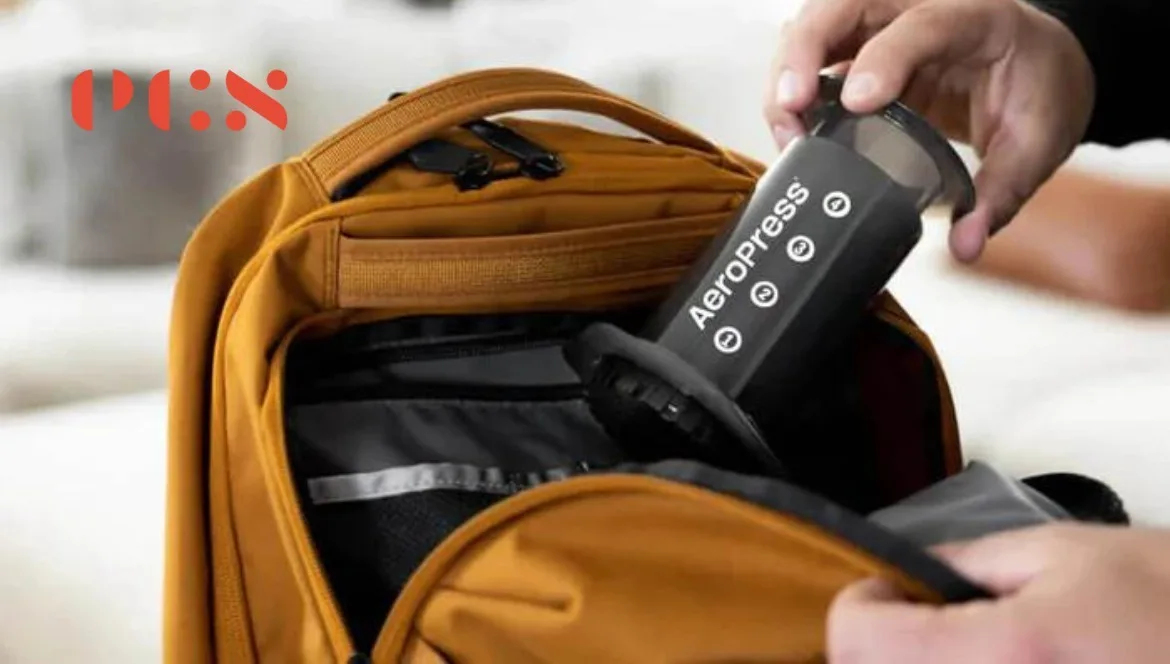 AeroPress mania: the complete guide to coffee brewing
Among the various tools for making a good cup of coffee, AeroPress is certainly one of the most versatile and easy to...Read more
-
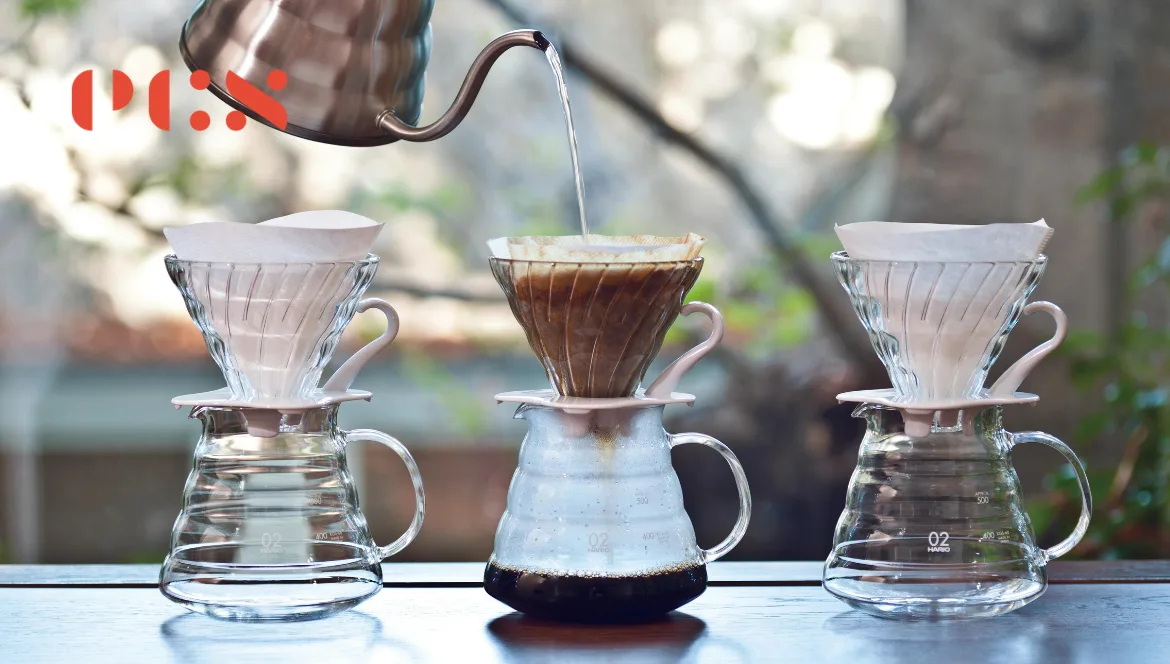 The art of pour over coffee with HARIO V60
Americano coffee, coffee infusion, French press, pour over-- lots of brewing methods exist besides espresso. Among...Read more
-
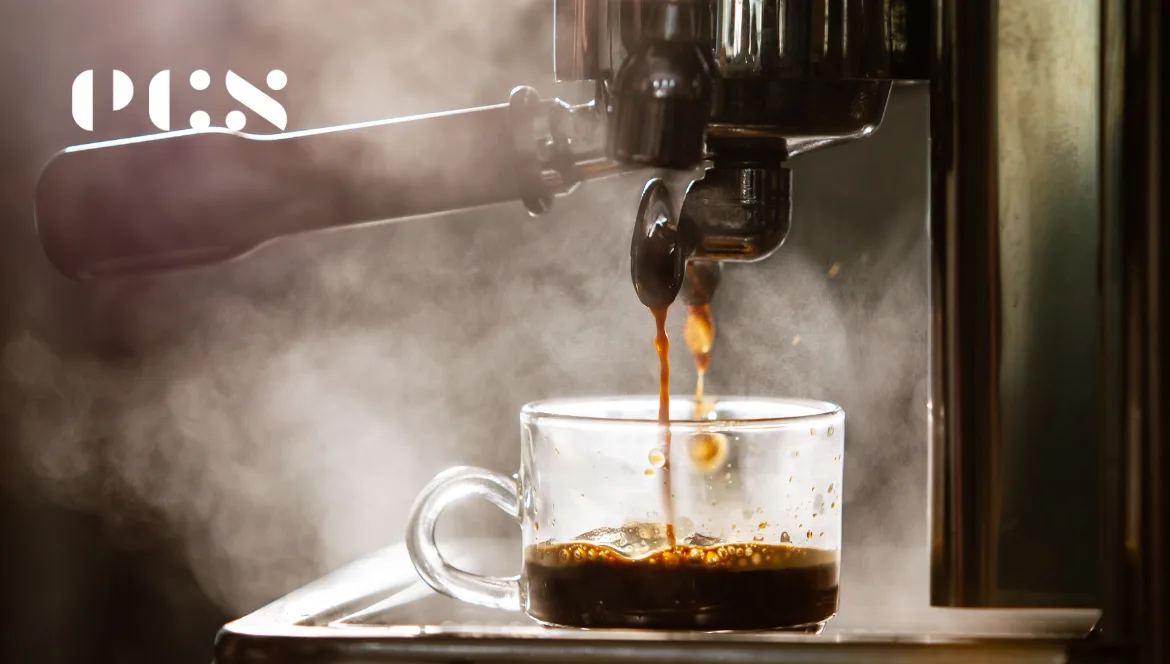 Understanding Espresso Machines: Single Boiler, Dual Boiler, and Heat Exchanger Models
Choosing the right espresso machine can elevate your coffee experience to new heights. At Espresso Coffee Shop we...Read more
-
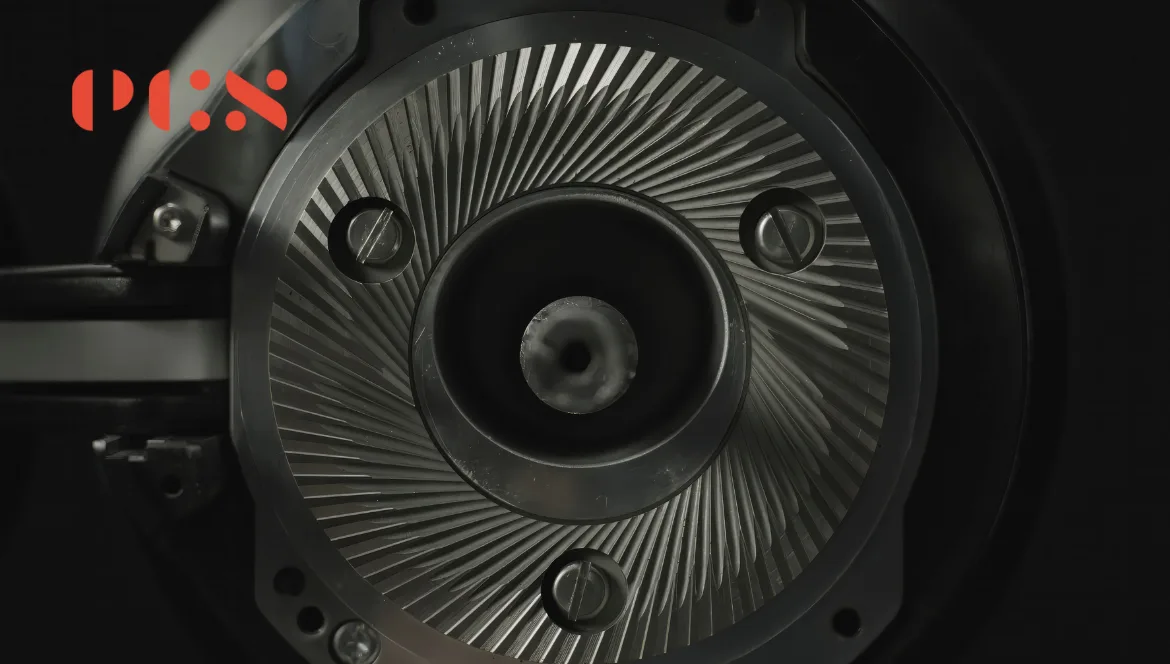 Flat or conical burrs? That is the question
The coffee grinder is among the most important equipment for any barista and home barista. When it comes to choosing...Read more
-
 Arabica vs. Robusta: the main differences between the two most popular coffee varieties
When it comes to choosing the perfect coffee, there are two names that immediately come to mind: Arabica and...Read more
Leave a comment