




Learn how to steam milk with a steam wand for smooth, glossy microfoam. This guide covers the step-by-step...
-
 How to Steam Milk with a Steam Wand: Step-by-StepRead more10/17/2026
-
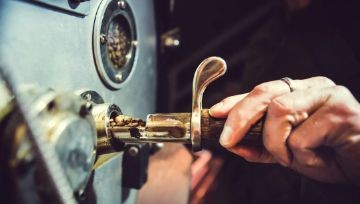 The Art of Italian Coffee Roasting: Traditional Methods and Modern InnovationRead more
Italian coffee roasting blends slow drum craft with modern precision. Discover how direct flame roasting, regional...
10/14/2026 -
 Training Your Staff: Essential Barista Skills for Commercial SuccessRead more
The commercial espresso machine you buy decides how many customers you can serve during a rush and how much...
09/29/2026 -
 Espresso vs Pour-Over: Which Is Right for You?Read more
Espresso or pour-over? The difference comes down to pressure versus gravity, and it shapes flavour, caffeine and the...
09/25/2026 -
 Famous Italian Espresso Machine Manufacturers: La Pavoni, Gaggia, and MoreRead more
Compare La Pavoni, Gaggia, Rocket Espresso, and La Marzocco to find the best Italian espresso machine for your...
09/24/2026 -
 How to Choose an Espresso Machine: Complete Buying GuideRead more
Choosing the right espresso machine starts with understanding your budget, coffee preferences, and daily brewing...
09/23/2026 -
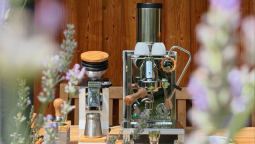 Coffee Catering Services: Mobile Espresso Solutions for EventsRead more
Coffee catering brings a working espresso bar to any event, from weddings to corporate meetings. This guide explains...
08/29/2026 -
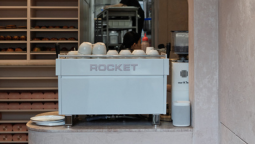 Coffee Shop Design: Creating the Perfect Espresso Bar LayoutRead more
A smooth espresso bar starts with smart layout decisions. This guide explains the workflow triangle that connects...
08/27/2026 -
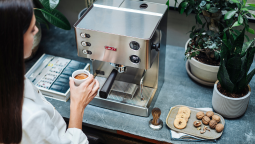 Espresso Pairing Guide: Foods That Complement Your CoffeeRead more
Pairing espresso with the right food comes down to balance. This guide explains what goes best with espresso, from...
08/26/2026 -
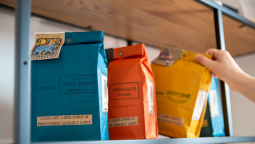 Specialty Coffee Trends: Staying Competitive in the Espresso MarketRead more
Specialty coffee is moving from volume to quality, and the numbers show it. The global market is projected to reach...
08/24/2026
Blog categories
Search in blog
Archived posts
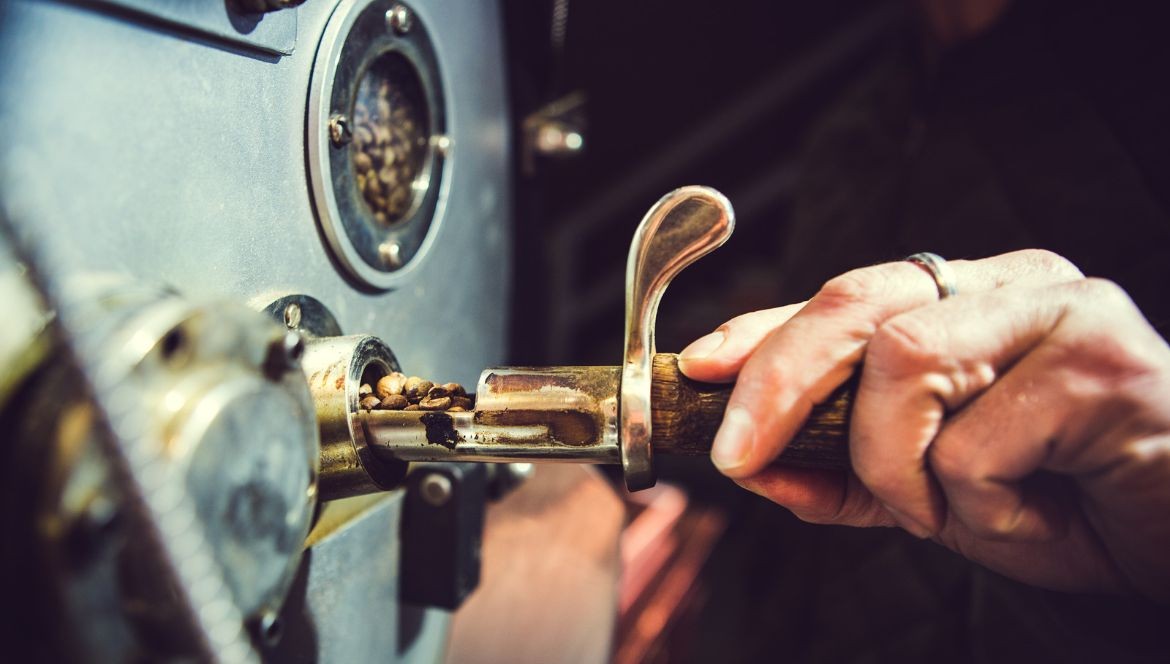
The Art of Italian Coffee Roasting: Traditional Methods and Modern Innovation
Italian coffee roasting is the craft of turning green beans into the sweet, full-bodied, low-acidity coffee that defines a proper espresso. It rests on slow drum roasting, careful blending and strong regional taste, so a roast from Verona rarely tastes like one from Naples. Today, those old habits share the roastery floor with temperature probes and profiling software. Here is how both worlds work, and why they matter for the shot in your cup.
At Espresso Coffee Shop USA, this subject is close to home. Since 1997, we have supplied Italian espresso machines, grinders, and accessories to home baristas, cafés, restaurants and offices, with a showroom in Padova and fast shipping across the United States. We also bring in whole beans from one of Italy's most respected small roasters, so we see every day how the roast decides what a machine can extract.
What Makes a Roast "Italian"?
An Italian roast is built for espresso first. Roasters chase sweetness, heavy body and a long finish rather than sharp acidity, and they usually carry beans a little past first crack so sugars caramelize without turning bitter.
That target comes from how Italians drink coffee. A shot pulled at 9 bars concentrates everything in the bean, flaws included, so a roast that tastes pleasant as drip coffee can turn sour or harsh as espresso. The Italian answer is balance: enough development to round off acidity, not so much that origin character disappears into smoke.
Traditional Italian Coffee Roasting Methods
Traditional methods rely on small batch drum roasters, long roast times of roughly 15 to 20 minutes, and the roaster's own senses. The master roaster judges color, aroma and the sound of first crack, then cools the beans fast in an open tray to lock in the profile.
Slower roasting gives the Maillard reaction time to develop caramel and cocoa notes while allowing heat to reach the center of each bean evenly. Many family roasteries still keep notebooks instead of spreadsheets, adjusting the flame by ear and smell.
Direct Flame Roasting
Direct flame roasting heats the drum with a live flame, so heat reaches the beans more intensely and less evenly than in modern hot air systems. It demands constant attention, which is why very few roasters still use it.
The best surviving example is Laboratorio di Torrefazione Giamaica Caffè in Verona. Giovanni Erbisti began roasting there in 1947; his nephew Gianni Frasi made the name famous, and Simone Fumagalli continues today with the original open-flame machine from the 1950s. Despite the drama of the flame, Giamaica deliberately avoids dark roasts to protect delicate aromas. The operation is tiny: the roastery produces in an entire year what Lavazza makes in just two hours, and its coffee is poured in top Italian bars and three-Michelin-star restaurants. You can taste that philosophy in our Giamaica Caffè Italian coffee beans, from blends to single origins such as Guatemala and Malabar AA.
The Role of Blending
Italian bars have long served blends, not single origins. Arabica brings aroma and sweetness, while Robusta adds crema, body and roughly twice the caffeine.
Many roasters roast each component separately and blend afterwards, because a dense Brazilian and a soft Indian bean develop at different speeds. A blend like the Giamaica Caffè Afribon whole beans shows how a roaster builds a consistent house cup from several sources.
Is Italian Roast Always Dark?
No. In American supermarkets, "Italian roast" often means very dark, oily beans, but most roasters in Italy stop well short of that point. Roast depth depends far more on region and on the roaster than on any national rule.
North vs South: Two Roasting Cultures
Northern Italy, from Trieste to Turin and Verona, leans toward medium roasts with a higher share of Arabica, which brings chocolate, hazelnut, and dried-fruit notes. Southern Italy, especially Naples and Sicily, prefers darker roasts with more Robusta for an intense, punchy shot often taken with sugar.
Central Italy sits in between. Neither style is "correct." They reflect local water, local habits and what people expect from a quick coffee at the bar, which you will notice if you follow our guide to Italian espresso bar etiquette on your next trip.
Modern Innovation in Italian Roasting
Modern Italian roasteries keep the drum but add precise control: thermocouples, data-logging software, and modulated gas and airflow. The result is repeatability, with the same profile batch after batch, while the roaster still makes the final call.
Roast profiling tracks the rate of rise, the speed at which bean temperature climbs, so that a roaster can spot a stalled or rushed batch in real time. Afterburners and cleaner burners cut smoke and emissions, a growing concern in dense Italian cities. Traceability has improved too, with more roasters naming farms and processing methods on the bag.
Specialty coffee has also nudged some Italian espresso roasts lighter, aiming to show origin fruit without losing body. The smartest roasteries, Giamaica included, treat technology as a tool that protects tradition rather than replacing it.
Getting the Most From Italian Roasted Beans at Home
Rest freshly roasted beans for about 5 to 10 days, grind just before brewing, and start around a 1:2 ratio in 25 to 30 seconds. Those three habits let a traditional roast taste the way the roaster intended.
Freshly roasted coffee releases carbon dioxide, which can make shots gush and taste sharp, so a short rest helps. Grind quality matters as much as the roast; a good flat burr unit in our espresso grinders gives the uniform particles Italian blends need. Brew water at roughly 198 to 201°F suits medium Italian roasts, while darker southern styles often taste sweeter a degree or two cooler. A stable, PID-controlled machine, like those in our Italian espresso machines collection, makes those small changes easy to repeat.
Store beans in an airtight container away from light and heat, and buy amounts you will finish within three or four weeks.
The Takeaway
Italian roasting has always balanced craft and control. The flame in Verona and the software in a modern roastery chase the same thing: a sweet, rounded espresso that tastes complete on its own. Pair a carefully roasted bag with a well-dialled grinder and machine, and that tradition lands right in your kitchen. If you want help matching beans to your setup, our team is a message away.
FAQ
Q: What is the difference between Italian roast and dark roast?
A: In the US, "Italian roast" often refers to very dark beans. In Italy, roast depth varies by region, and many roasters stop at a medium roast to keep sweetness and aroma.
Q: What is direct flame coffee roasting?
A: Direct flame roasting heats the roasting drum with a live flame. It produces a bolder, slightly smoky profile and needs constant attention, so only a handful of roasters, such as Giamaica Caffè in Verona, still use it.
Q: Why do Italian espresso blends contain Robusta?
A: Robusta adds thick crema, heavy body, and roughly twice the caffeine of Arabica. Southern Italian blends use more of it; northern blends rely mostly on Arabica.
Q: How long should Italian roasted beans rest before brewing espresso?
A: About 5 to 10 days after the roast date. Resting lets carbon dioxide escape, which gives steadier extraction and a sweeter shot.
Q: Has modern technology replaced traditional Italian roasting?
A: No. Most Italian roasteries still use drum roasters but add temperature probes and profiling software for consistency. The roaster's judgment still decides the final profile.
Related posts
-
 Understanding Espresso Machines: Single Boiler, Dual Boiler, and Heat Exchanger Models
Choosing the right espresso machine can elevate your coffee experience to new heights. At Espresso Coffee Shop we...Read more
-
 How to properly store coffee
If you, too, are a true coffee enthusiast, meticulously selecting the varieties you like best and eagerly...Read more
-
 Bottomless portafilter? Here are the aspects to be considered
The search for the perfect espresso is a long road, and there are several tools that can help achieve the perfect...Read more
-
 PROFITEC DRIVE: the home machine with professional performance
Drive is the most recent entry in the Profitec household and the evolution of the already highly appreciated Pro 700....Read more
-
 All about a good tamping
To make good coffee, it is important to have the right equipment, quality coffee and not only. It is also necessary...Read more
Leave a comment