




Wondering how often you should test your espresso machine water? This guide explains when to test at installation...
-
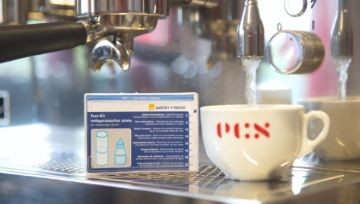 Espresso Machine Water Testing: How Often Should You Test Your Water?Read more10/28/2026
-
 How to Steam Milk with a Steam Wand: Step-by-StepRead more
Learn how to steam milk with a steam wand for smooth, glossy microfoam. This guide covers the step-by-step...
10/17/2026 -
 The Art of Italian Coffee Roasting: Traditional Methods and Modern InnovationRead more
Italian coffee roasting blends slow drum craft with modern precision. Discover how direct flame roasting, regional...
10/14/2026 -
 Training Your Staff: Essential Barista Skills for Commercial SuccessRead more
The commercial espresso machine you buy decides how many customers you can serve during a rush and how much...
09/29/2026 -
 Espresso vs Pour-Over: Which Is Right for You?Read more
Espresso or pour-over? The difference comes down to pressure versus gravity, and it shapes flavour, caffeine and the...
09/25/2026 -
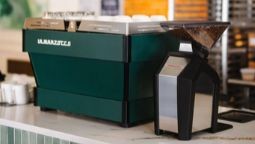 Famous Italian Espresso Machine Manufacturers: La Pavoni, Gaggia, and MoreRead more
Compare La Pavoni, Gaggia, Rocket Espresso, and La Marzocco to find the best Italian espresso machine for your...
09/24/2026 -
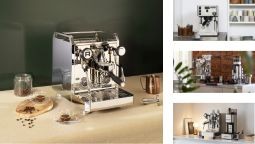 How to Choose an Espresso Machine: Complete Buying GuideRead more
Choosing the right espresso machine starts with understanding your budget, coffee preferences, and daily brewing...
09/23/2026 -
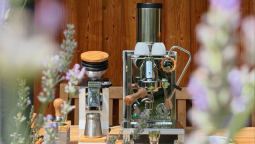 Coffee Catering Services: Mobile Espresso Solutions for EventsRead more
Coffee catering brings a working espresso bar to any event, from weddings to corporate meetings. This guide explains...
08/29/2026 -
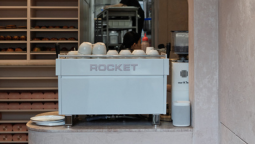 Coffee Shop Design: Creating the Perfect Espresso Bar LayoutRead more
A smooth espresso bar starts with smart layout decisions. This guide explains the workflow triangle that connects...
08/27/2026 -
 Espresso Pairing Guide: Foods That Complement Your CoffeeRead more
Pairing espresso with the right food comes down to balance. This guide explains what goes best with espresso, from...
08/26/2026
Blog categories
Search in blog
Archived posts
Espresso Machine Water Testing: How Often Should You Test Your Water?
Test your espresso machine water when you first install it, then about every one to three months, and again whenever your filter, water source, or taste changes. Water is the biggest ingredient in every shot, and it also runs through the boiler, pipes, and group head you paid good money for. Hard water builds scale, very soft water makes flat coffee, and neither problem announces itself until a repair bill or a sour shot does.
At Espresso Coffee Shop USA, we have supplied Italian espresso machines, grinders, and water filtration to home baristas and cafes since 1997. Our catalog covers brands like Rocket, Lelit, and La Marzocco, plus BWT filtration. Our team helps customers choose equipment based on their budget and water, so this question comes up often.
How Often Should You Test Espresso Machine Water?
Test once at installation, then every one to three months for a home machine. Test monthly if you live in a hard water area or run a cafe. These intervals are practical rules of thumb, not an industry standard, so shorten them if your readings drift.
Retest right away when:
- You set up a new machine or move to a new home.
- You replace a filter cartridge.
- Your city or well supply changes
- Shots turn flat, sour, or salty for no clear reason.
- You see white crust near the steam wand or in the drip tray.
How to Test Water for Espresso Machines at Home
Collect water from the same source your machine uses, after any filter, and measure hardness with a test kit. Testing after the filter tells you what your boiler actually receives.
- Run a glass of your normal machine water and let it reach room temperature.
- Follow your kit’s instructions to read hardness in grains per gallon or ppm.
- Write down the date, the result, and your filter’s age.
- Compare the result with the range in your machine manual.
A single reading helps, but a log of readings shows you when a filter is running out of capacity before the water changes the taste.
What Water Hardness Is Best for Espresso Machines?
Many manufacturers recommend moderately soft water, often around 3 to 6 grains per gallon (roughly 50 to 100 ppm). Your machine manual has the final say. Water that is too hard leaves limescale on heating elements and in valves, which slows heat up and shortens machine life. Water that is too soft tastes thin because calcium and magnesium help carry flavor out of the coffee.
Espresso Machine Water Quality Beyond Hardness
Hardness is the headline number, but alkalinity, TDS, and pH complete the picture. The Specialty Coffee Association’s water guidelines point to roughly 150 ppm TDS, a near-neutral pH, and about 40 ppm alkalinity. Alkalinity acts as a buffer: too little gives sharp, sour shots, and too much dulls flavor and speeds up scale. A hardness kit covers the most important check, and a TDS meter adds a quick second reading.
Signs Your Water Needs Attention
Scale, slow flow, and flat or bitter shots usually point to a water problem before any part fails. Watch for:
- White deposits on the shower screen or steam wand
- A louder pump or weaker steam pressure
- Longer heat-up times
- Shots that taste different from one week to the next
Grind and maintenance cause some of these too, so a water test is the fastest way to rule water in or out.
Tap, Filtered, Bottled, or Distilled?
Filtered tap water with controlled hardness is the best everyday choice for most setups. Bottled water varies widely between brands, so read the mineral label before committing. Distilled water is too pure on its own, tastes flat, and can confuse water-level sensors in some machines.
How Espresso Coffee Shop USA Helps You Stay on Top of Your Water
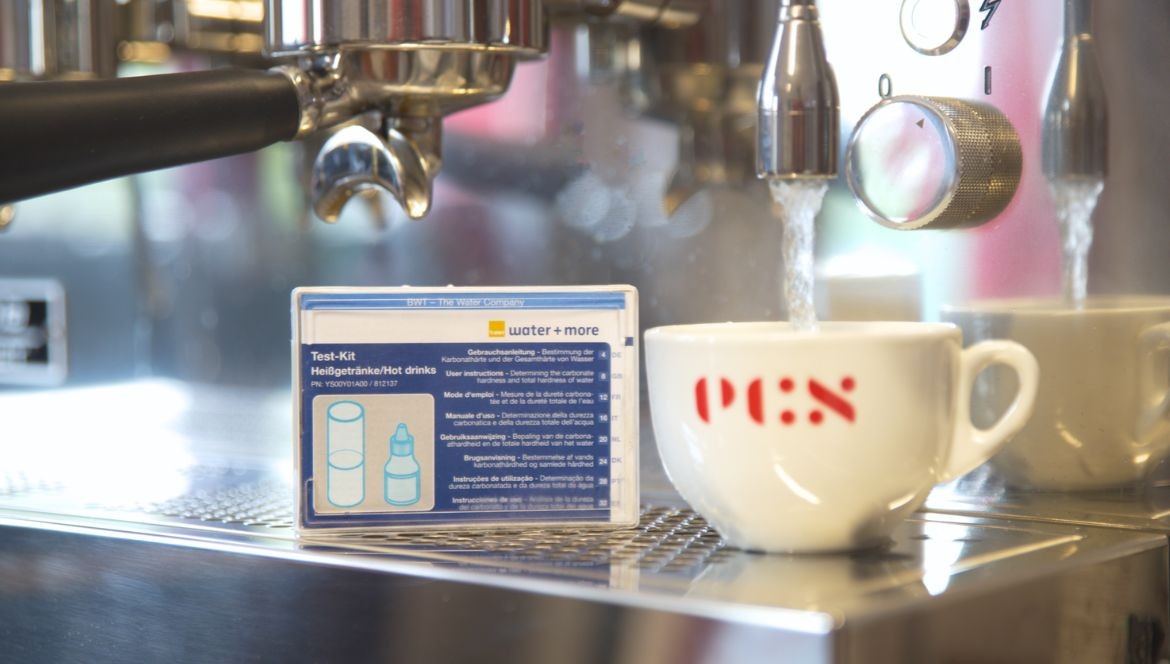
Testing only helps if you can act on the result. The BWT Hot Beverage Water Hardness Test Kit ($40) gives you a simple way to check total and carbonate hardness at home or behind the bar. If the number comes back high, a BWT Bestmax Premium filter cartridge addresses it at the source. We carry the Premium S ($120), which adds magnesium, and the Premium M ($180). Our team can match a cartridge to your machine and your daily water use.
Good water protects the machine you already own and makes every shot more consistent. Pick a testing schedule, write down your first reading today, and retest whenever something in your setup changes.
FAQ
Q: How often should I test my espresso machine water?
A: At installation, then every one to three months. Test monthly in hard water areas or commercial settings.
Q: How do I test water for espresso machines at home?
A: Take filtered water from your normal source and measure hardness with a test kit. Record the result and compare it with your manual.
Q: What water hardness is best for espresso machines?
A: Often 3 to 6 grains per gallon (about 50 to 100 ppm), but follow your manufacturer’s range.
Q: Can I use tap water in my espresso machine?
A: Yes, if it is soft enough or filtered. Test it first.
Q: What are signs of bad water in an espresso machine?
A: White scale, slower heat-up, weaker steam, and flat or inconsistent shots.
Q: Do I need to retest after changing the filter?
A: Yes. A fresh cartridge should lower hardness, and the test confirms it.
Related posts
-
 Understanding Espresso Machines: Single Boiler, Dual Boiler, and Heat Exchanger Models
Choosing the right espresso machine can elevate your coffee experience to new heights. At Espresso Coffee Shop we...Read more
-
 How to properly store coffee
If you, too, are a true coffee enthusiast, meticulously selecting the varieties you like best and eagerly...Read more
-
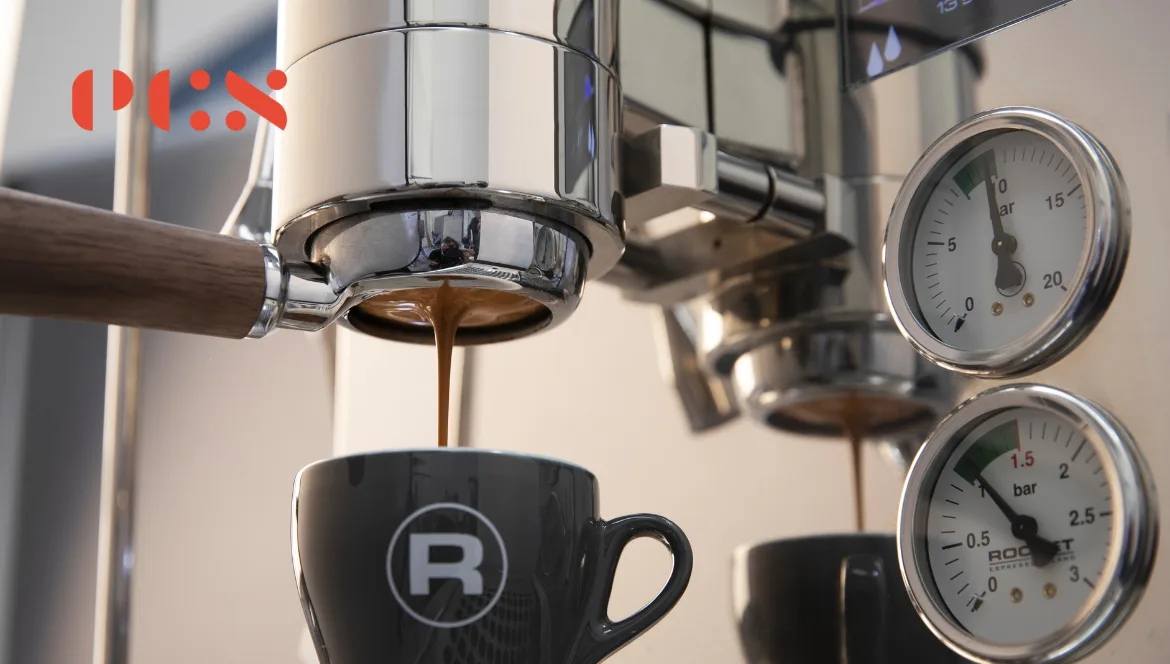 Bottomless portafilter? Here are the aspects to be considered
The search for the perfect espresso is a long road, and there are several tools that can help achieve the perfect...Read more
-
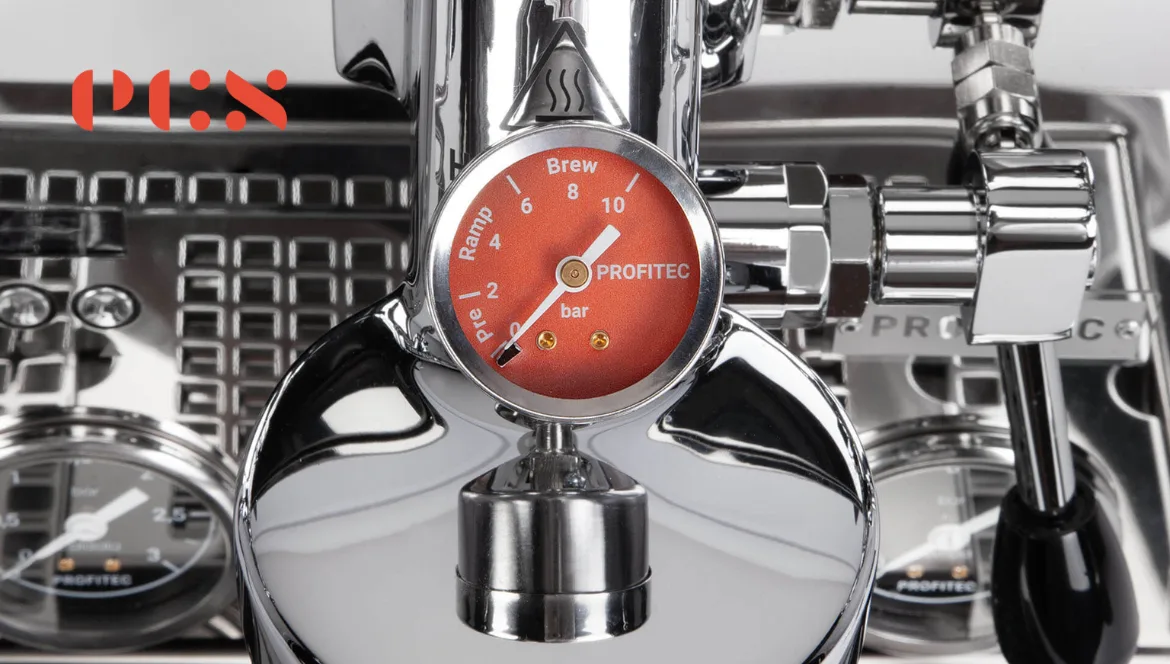 PROFITEC DRIVE: the home machine with professional performance
Drive is the most recent entry in the Profitec household and the evolution of the already highly appreciated Pro 700....Read more
-
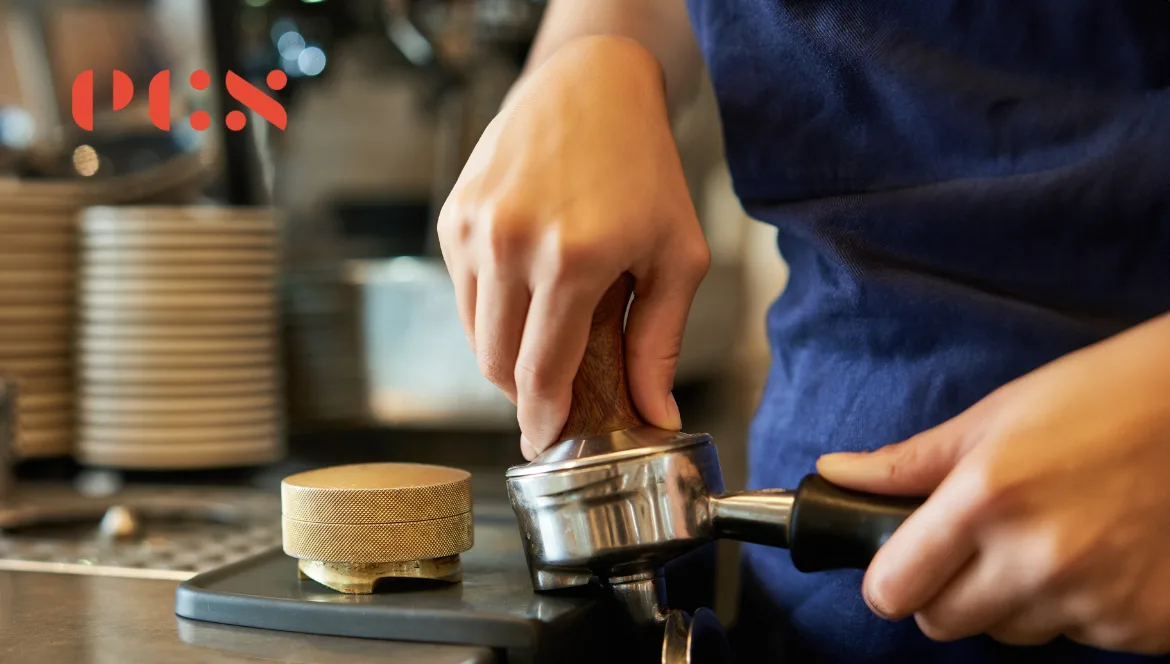 All about a good tamping
To make good coffee, it is important to have the right equipment, quality coffee and not only. It is also necessary...Read more
Leave a comment