


Espresso pairing is all about finding the right balance between coffee intensity and food flavors. This guide...
Please, visit the correct shop for your location:
International Site


It looks like you are not from the USA,
please visit the correct shop for your location:


 Espresso Machines
Coffee Grinders
Set
Accessories
Coffee
Pour Over
Design Collection
Deals
Best Of Black Friday
Brands
Espresso Machines
Coffee Grinders
Set
Accessories
Coffee
Pour Over
Design Collection
Deals
Best Of Black Friday
Brands
Espresso Coffee Shop
+Assistance and services
+-
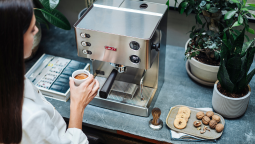 Espresso Pairing Guide: Foods That Complement Your CoffeeRead more09/03/2026
 -
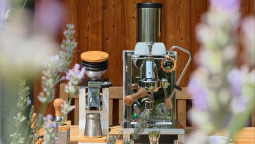 Coffee Catering Services: Mobile Espresso Solutions for EventsRead more
Coffee catering brings a complete espresso experience directly to weddings, corporate events, private parties, and...
08/27/2026 -
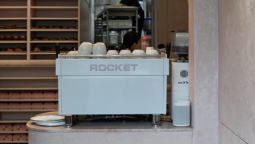 Coffee Shop Design: Creating the Perfect Espresso Bar LayoutRead more
Designing the perfect coffee shop layout starts with creating an efficient espresso bar workflow. A well-planned...
08/25/2026 -
 Specialty Coffee Trends: Staying Competitive in the Espresso MarketRead more
Specialty coffee trends are transforming the espresso market as consumers increasingly prioritize quality,...
08/25/2026 -
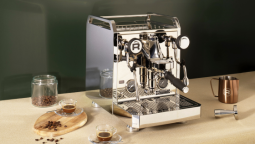 Espresso Machine Leasing vs Buying: What's Best for Your Business?Read more
Should you lease or buy an espresso machine for your business? This guide compares the costs, benefits, and long-term...
07/14/2026 -
 Espresso and Health: Benefits, Caffeine Content, and Wellness ConsiderationsRead more
Wondering how espresso affects your health? Learn how much caffeine is in a shot, what research says about...
07/14/2026 -
 Espresso Gift Guide: Perfect Presents for Coffee EnthusiastsRead more
Discover practical espresso gift ideas for every budget with this guide from Espresso Coffee Shop USA. From...
07/08/2026 -
 Office Coffee Solutions: Bringing Quality Espresso to the WorkplaceRead more
Create a better workplace coffee experience with the right office coffee solutions. This guide explains how to choose...
07/08/2026 -
 Italian Espresso Bar Etiquette: How to Order Like a LocalRead more
Discover the essential etiquette of an Italian espresso bar, from ordering coffee like a local to understanding when...
07/08/2026 -
 Sustainable Espresso: Eco-Friendly Practices and Equipment for 2026Read more
A sustainable espresso setup combines high-quality coffee with environmentally responsible choices. From durable,...
06/23/2026
Blog categories
Search in blog
Archived posts
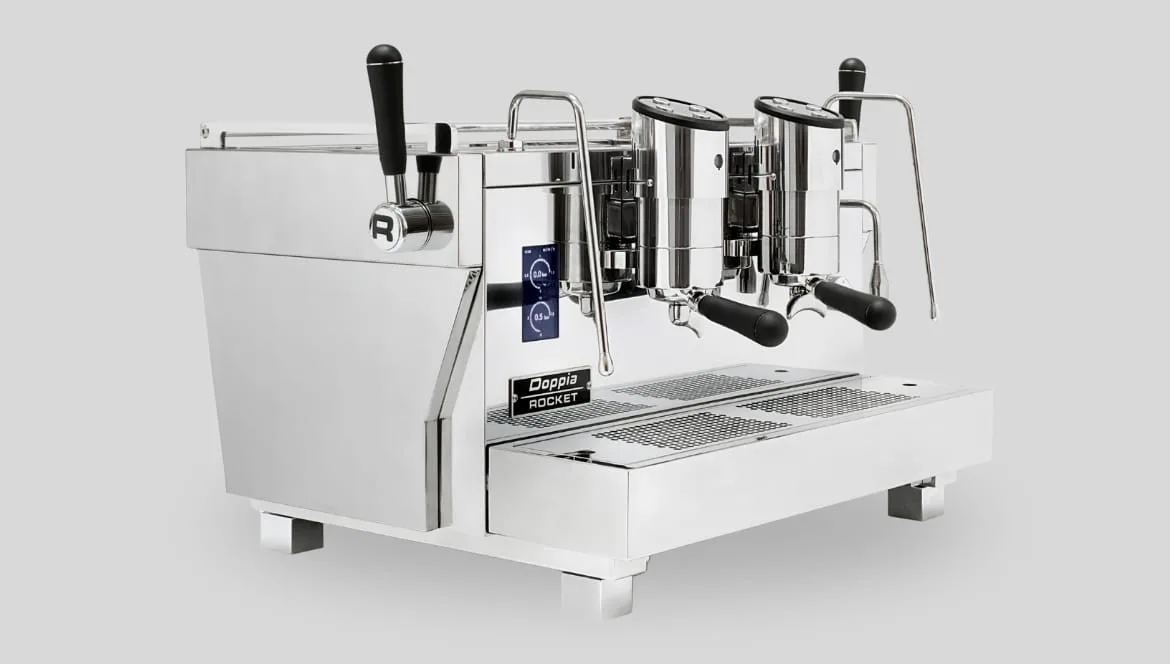
The Ultimate Guide to Commercial Espresso Machines for Small Cafés
Choosing the right commercial espresso machine for a small cafe is one of the most important decisions a cafe owner will make. The espresso machine is not just a piece of equipment; it defines coffee quality, workflow speed, staff efficiency, and customer experience. This guide is designed for café owners, first-time coffee entrepreneurs, and small hospitality teams who want clarity, not marketing hype.
Whether you’re opening a neighbourhood cafe or upgrading your current setup, this guide explains what matters, why it matters, and how to choose confidently.
Why Commercial Espresso Machines Matter for Small Cafes
A commercial espresso machine is the heart of a cafe’s operation. Unlike home machines, commercial espresso machines for small cafes are built for consistency, durability, and steady output during busy hours.
For small cafes, the challenge is balance:
- Enough power to handle daily demand
- Compact size to fit limited counter space
- Ease of use for staff with varying experience levels
Choosing incorrectly can lead to slow service, inconsistent coffee, higher maintenance costs, and frustrated customers.
Understanding the Needs of a Small Cafe
Before looking at machine types or features, it’s important to understand your cafe’s real-world needs.
Ask yourself:
- How many cups of coffee will you serve per day?
- Will you have one barista or multiple staff working at once?
- Is speed or drink variety more important?
- Do you plan to expand in the next 1–2 years?
A small café does not need the same machine as a high-volume chain, but it does need reliability and consistency.
Types of Commercial Espresso Machines for Small Cafes
Lever Espresso Machines
Lever espresso machines give baristas full control over extraction. While they appeal to specialty cafes, they require skill and training. For small cafes focused on craftsmanship, they can work well but only with experienced staff.
Semi-Automatic Espresso Machines
Semi-automatic espresso machines are the most common choice for small cafes. They automate water flow while allowing control over grind size and extraction time. This balance makes them ideal for maintaining quality without slowing service.
Automatic and Volumetric Machines
These espresso machines deliver consistent shot volumes with minimal effort. They are well-suited for cafés prioritising speed, consistency, and ease of training.
Super-Automatic Machines
Super-automatic machines handle grinding, tamping, and brewing. While convenient, they often limit flavour control and are better suited to offices or self-serve environments than to specialty cafes.
Key Features to Look For in a Commercial Espresso Machine
Temperature Stability
Temperature consistency directly affects espresso quality. Look for machines with PID temperature control or heat-exchange systems that maintain stable brewing temperatures throughout the day.
Boiler System
Single-boiler machines can work for very low-volume cafes, but dual-boiler or heat-exchange systems are more efficient for simultaneous brewing and steaming.
Group Heads
For small cafes, one or two group heads are usually sufficient. More group heads increase capacity, but also cost and space requirements.
Build Quality and Materials
Stainless steel frames, commercial-grade pumps, and durable internal components ensure longevity. A well-built machine reduces downtime and repair costs.
Workflow, Speed, and Staff Experience
An often-overlooked factor is how the espresso machine fits into daily workflow. A good machine should:
- Allow baristas to work comfortably without crowding.
- Reduce unnecessary steps during peak hours.
- Be intuitive enough for new staff to learn quickly.
Small cafés benefit from machines that support efficiency without sacrificing quality.
Maintenance and Long-Term Reliability
Daily cleaning, weekly backflushing, and periodic servicing are part of owning any commercial espresso machine. When choosing equipment, consider:
- Availability of local service technicians
- Ease of cleaning and maintenance
- Replacement part accessibility
Machines that are difficult to maintain often become costly over time, regardless of initial price.
Budget Considerations for Small Café Owners
Price alone should not determine your choice. Instead, evaluate the total cost of ownership, including:
- Energy consumption
- Maintenance and repairs
- Staff training time
- Downtime risks
Investing in a reliable commercial espresso machine often saves money in the long run by reducing service issues and improving customer satisfaction.
Choosing the Right Espresso Machine for Your Café Concept
A small neighbourhood cafe, a specialty coffee bar, and a takeaway-focused shop all have different needs. The best commercial espresso machines for small cafes align with the cafe’s concept, customer expectations, and operational capacity.
There is no universal “best machine,” only the best machine for your specific situation.
Final Thoughts: Making a Confident Decision
Selecting a commercial espresso machine is both a technical and strategic decision. By understanding your café’s volume, workflow, staff skill level, and growth plans, you can choose equipment that supports consistency, efficiency, and long-term success.
A well-chosen espresso machine doesn’t just brew coffee; it supports your brand, your team, and your customers’ daily experience.
Matching a Commercial Espresso Machine to Your Business Type
The best commercial espresso machine for a small coffee shop depends heavily on your concept. A specialty coffee bar or third-wave café often favors a semi-automatic or single-group machine that gives baristas full extraction control, while a bakery, restaurant, or takeaway counter with limited space may prefer a compact volumetric or fully automatic machine for speed and consistency. Offices and self-serve environments are usually best served by a super-automatic. Whether you're a first-time coffee entrepreneur equipping a small business or a small hospitality team upgrading your café, the goal is the same: match capacity, footprint, and ease of use to how you actually operate.
Compact and Single-Group Options for Tight Spaces
Not every café has room for a full two-group setup. For espresso machines in small spaces, such as small kitchens, kiosks, bakeries, or coffee corners, a single-group commercial espresso machine delivers professional shots while taking up minimal counter space. When you outgrow it, a two-group machine adds capacity for peak hours and multiple simultaneous drink orders. Pairing your machine with a quality commercial espresso grinder is just as important, since grind consistency directly affects every shot your café serves.
What Does a Commercial Espresso Machine Cost?
One of the most common questions from small café owners is how much a commercial espresso machine costs. Prices vary widely based on group count, boiler type, and brand. An entry-level single-group commercial machine sits at the lower end, while premium two-group models from established brands cost considerably more. Beyond the purchase price, factor in the hidden costs: energy consumption, maintenance and repairs, replacement parts, staff training, and potential downtime. Evaluating total cost of ownership rather than sticker price alone is the smarter way to budget for a small business.
Buying New vs. Used for a Startup Café
For a startup café working within a tight budget, a used or refurbished commercial espresso machine can be tempting. It can lower upfront costs, but it also carries risks around wear, warranty coverage, and parts availability. If you go this route, prioritize well-known commercial brands with accessible service technicians and spare parts, and have the machine inspected before purchase. For many small cafés, a reliable entry-level new machine offers better long-term value and peace of mind than an aging high-end model.
Frequently Asked Questions (FAQs)
Q: What is a commercial espresso machine?
A: A commercial espresso machine is designed for continuous café use, offering stronger pumps, larger boilers, and better temperature stability than home machines.
Q: Which espresso machine is best for a small café?
A: Most small cafés benefit from semi-automatic or automatic machines, which balance quality control with speed and ease of use.
Q: How many group heads does a small café need?
A: One group head suits low-volume cafés, while two group heads help manage peak hours and multiple drink orders.
Q: How much should a small café budget?
A: Costs vary, but café owners should consider total ownership cost—including maintenance, energy use, servicing, and staff training—not just the purchase price.
Q: Is temperature control important?
A: Yes. Stable temperature ensures consistent flavour and extraction. PID or heat-exchange systems help maintain reliability.
Q: How much does a commercial espresso machine cost for a small café?
A: Costs vary by group count, boiler system, and brand. Entry-level single-group commercial machines are the most affordable, while premium two-group models cost significantly more. Always weigh total cost of ownership, not just the purchase price.
Q: What is the best type of commercial espresso machine for a small coffee shop?
A: Most small coffee shops do best with a semi-automatic or automatic (volumetric) machine, which balances barista control, speed, and ease of training. The ideal choice depends on your café's concept and daily volume.
Q: Can I use a single-group machine for a commercial café?
A: Yes. A single-group commercial espresso machine works well for low- to moderate-volume cafés, kiosks, and small spaces. As demand grows, a two-group machine adds capacity for busier service.
Q: Should a startup café buy a new or used espresso machine?
A: Both are options. Used machines lower upfront costs but carry risks around wear and parts. Choose reputable brands with available service and spare parts, and inspect any used machine before buying.
Q: How much power does a commercial coffee machine use?
A: Power draw depends on boiler size and group count. Larger multi-boiler machines consume more energy, so factor electricity into your total operating budget and confirm your café's electrical supply can support the machine.
Related posts
-
 Understanding Espresso Machines: Single Boiler, Dual Boiler, and Heat Exchanger Models
Choosing the right espresso machine can elevate your coffee experience to new heights. At Espresso Coffee Shop we...Read more
Understanding Espresso Machines: Single Boiler, Dual Boiler, and Heat Exchanger Models
Choosing the right espresso machine can elevate your coffee experience to new heights. At Espresso Coffee Shop we...Read more -
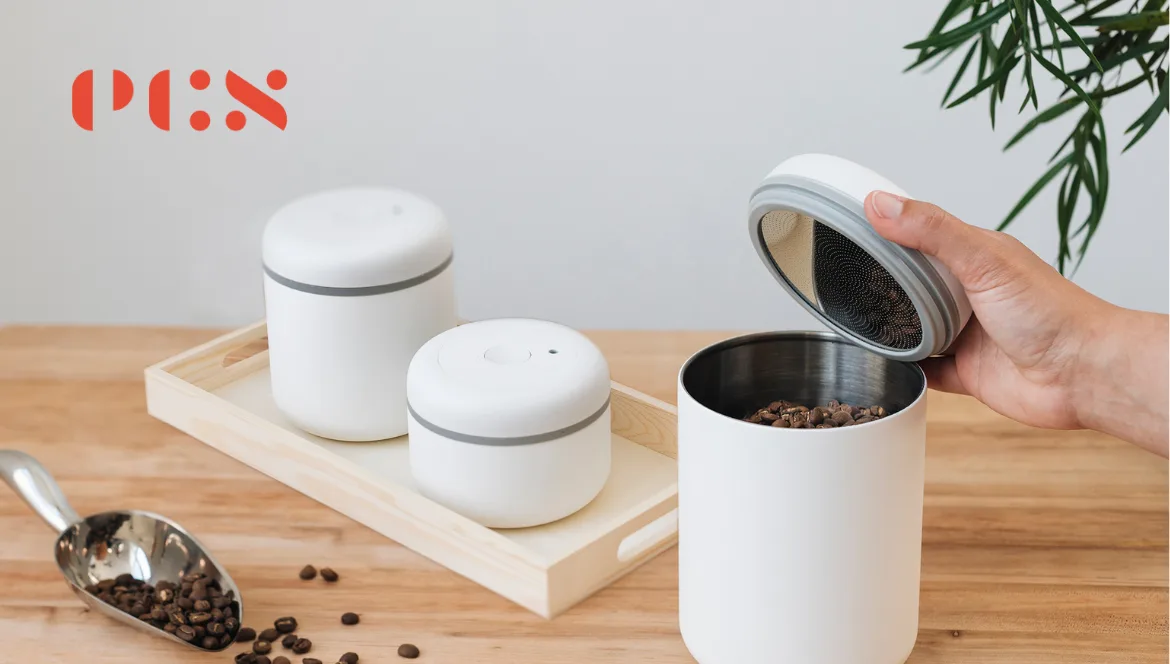 How to properly store coffee
If you, too, are a true coffee enthusiast, meticulously selecting the varieties you like best and eagerly...Read more
How to properly store coffee
If you, too, are a true coffee enthusiast, meticulously selecting the varieties you like best and eagerly...Read more -
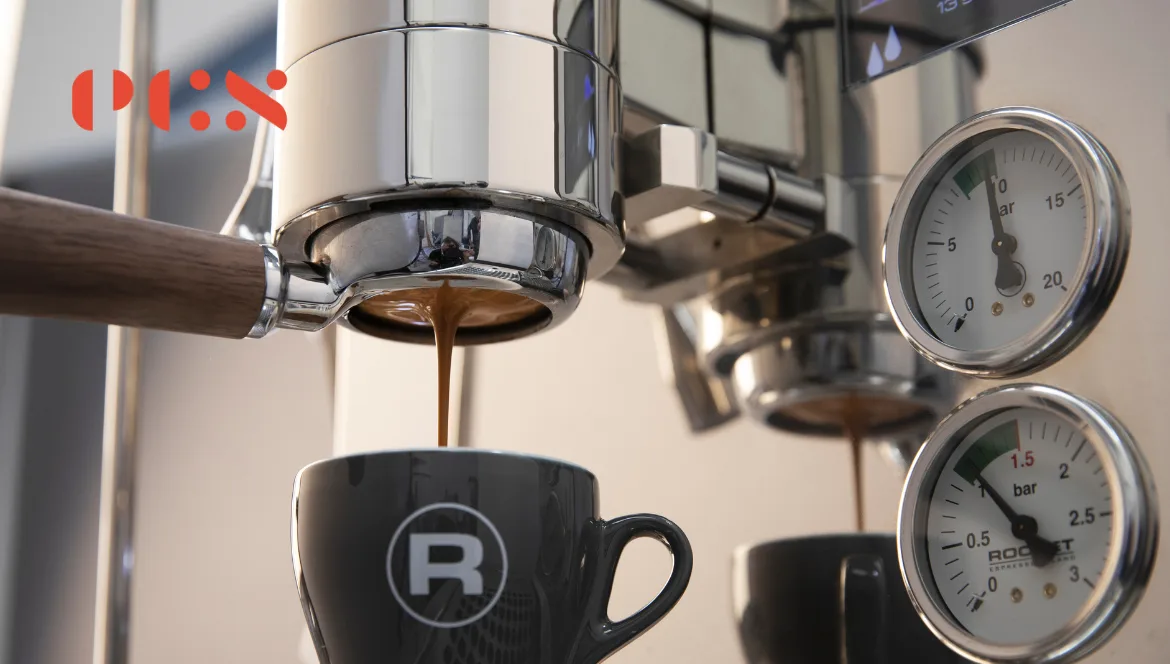 Bottomless portafilter? Here are the aspects to be considered
The search for the perfect espresso is a long road, and there are several tools that can help achieve the perfect...Read more
Bottomless portafilter? Here are the aspects to be considered
The search for the perfect espresso is a long road, and there are several tools that can help achieve the perfect...Read more -
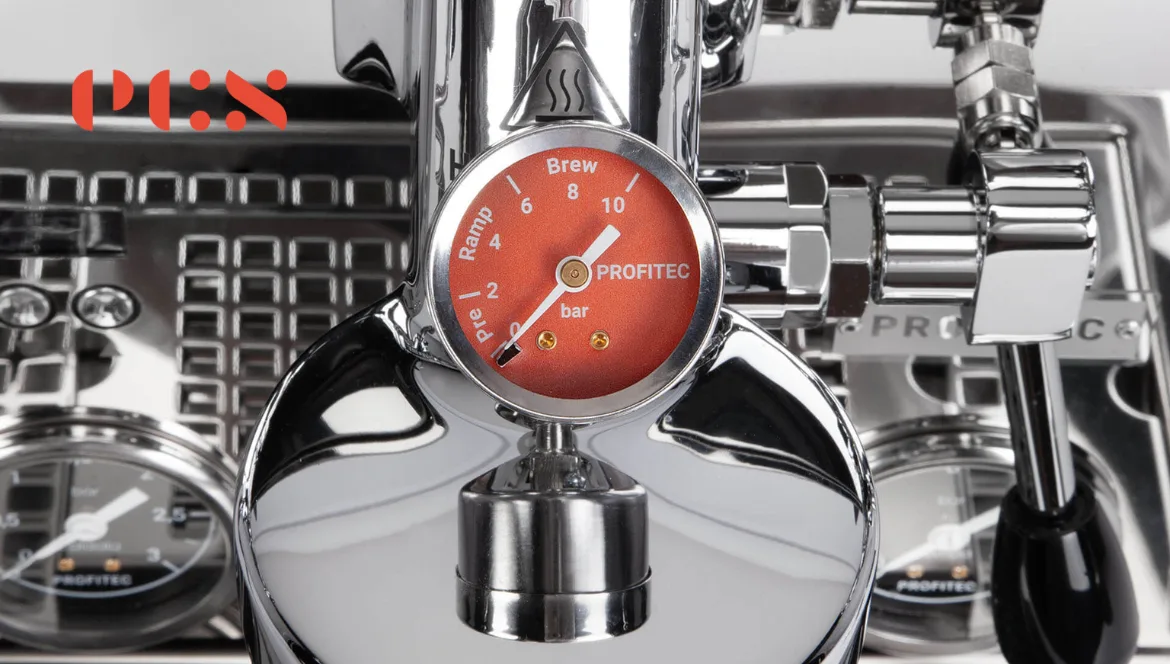 PROFITEC DRIVE: the home machine with professional performance
Drive is the most recent entry in the Profitec household and the evolution of the already highly appreciated Pro 700....Read more
PROFITEC DRIVE: the home machine with professional performance
Drive is the most recent entry in the Profitec household and the evolution of the already highly appreciated Pro 700....Read more -
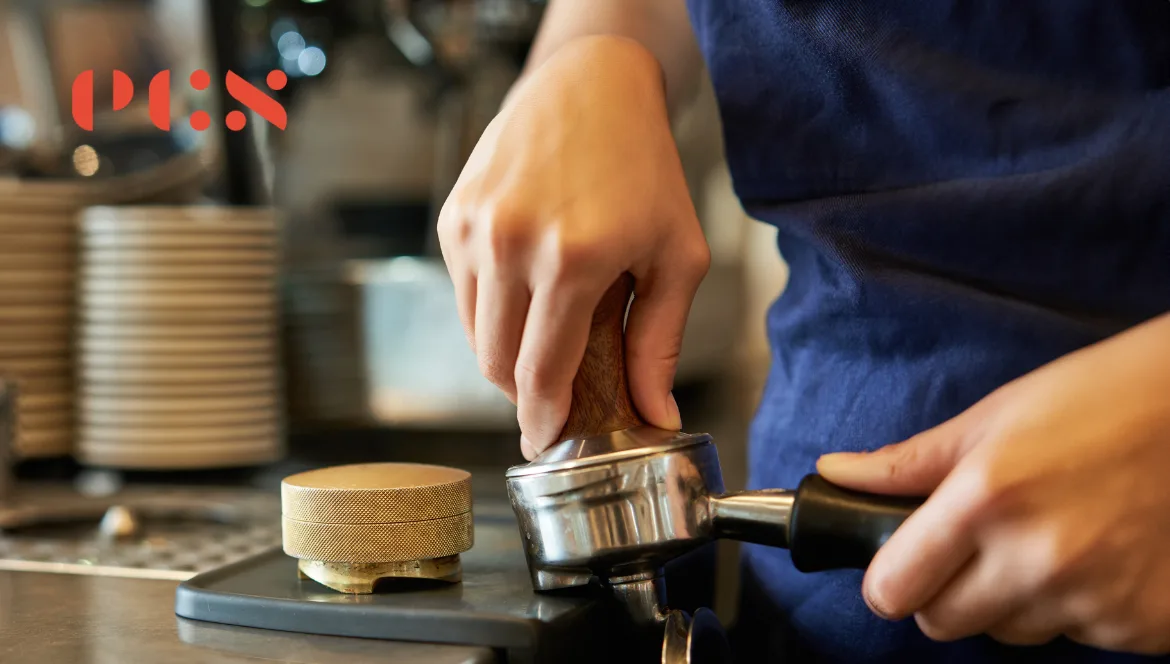 All about a good tamping
To make good coffee, it is important to have the right equipment, quality coffee and not only. It is also necessary...Read more
All about a good tamping
To make good coffee, it is important to have the right equipment, quality coffee and not only. It is also necessary...Read more
Leave a comment