


Espresso pairing is all about finding the right balance between coffee intensity and food flavors. This guide...
Please, visit the correct shop for your location:
International Site


It looks like you are not from the USA,
please visit the correct shop for your location:


 Espresso Machines
Coffee Grinders
Set
Accessories
Coffee
Pour Over
Design Collection
Deals
Best Of Black Friday
Brands
Espresso Machines
Coffee Grinders
Set
Accessories
Coffee
Pour Over
Design Collection
Deals
Best Of Black Friday
Brands
Espresso Coffee Shop
+Assistance and services
+-
 Espresso Pairing Guide: Foods That Complement Your CoffeeRead more08/31/2026
 -
 Coffee Catering Services: Mobile Espresso Solutions for EventsRead more
Coffee catering brings a complete espresso experience directly to weddings, corporate events, private parties, and...
08/27/2026 -
 Coffee Shop Design: Creating the Perfect Espresso Bar LayoutRead more
Designing the perfect coffee shop layout starts with creating an efficient espresso bar workflow. A well-planned...
08/25/2026 -
 Specialty Coffee Trends: Staying Competitive in the Espresso MarketRead more
Specialty coffee trends are transforming the espresso market as consumers increasingly prioritize quality,...
08/25/2026 -
 Espresso Machine Leasing vs Buying: What's Best for Your Business?Read more
Should you lease or buy an espresso machine for your business? This guide compares the costs, benefits, and long-term...
07/14/2026 -
 Espresso and Health: Benefits, Caffeine Content, and Wellness ConsiderationsRead more
Wondering how espresso affects your health? Learn how much caffeine is in a shot, what research says about...
07/14/2026 -
 Espresso Gift Guide: Perfect Presents for Coffee EnthusiastsRead more
Discover practical espresso gift ideas for every budget with this guide from Espresso Coffee Shop USA. From...
07/08/2026 -
 Office Coffee Solutions: Bringing Quality Espresso to the WorkplaceRead more
Create a better workplace coffee experience with the right office coffee solutions. This guide explains how to choose...
07/08/2026 -
 Italian Espresso Bar Etiquette: How to Order Like a LocalRead more
Discover the essential etiquette of an Italian espresso bar, from ordering coffee like a local to understanding when...
07/08/2026 -
 Sustainable Espresso: Eco-Friendly Practices and Equipment for 2026Read more
A sustainable espresso setup combines high-quality coffee with environmentally responsible choices. From durable,...
06/23/2026
Blog categories
Search in blog
Italian Espresso Machine Craftsmanship: The Art of Manufacturing Excellence
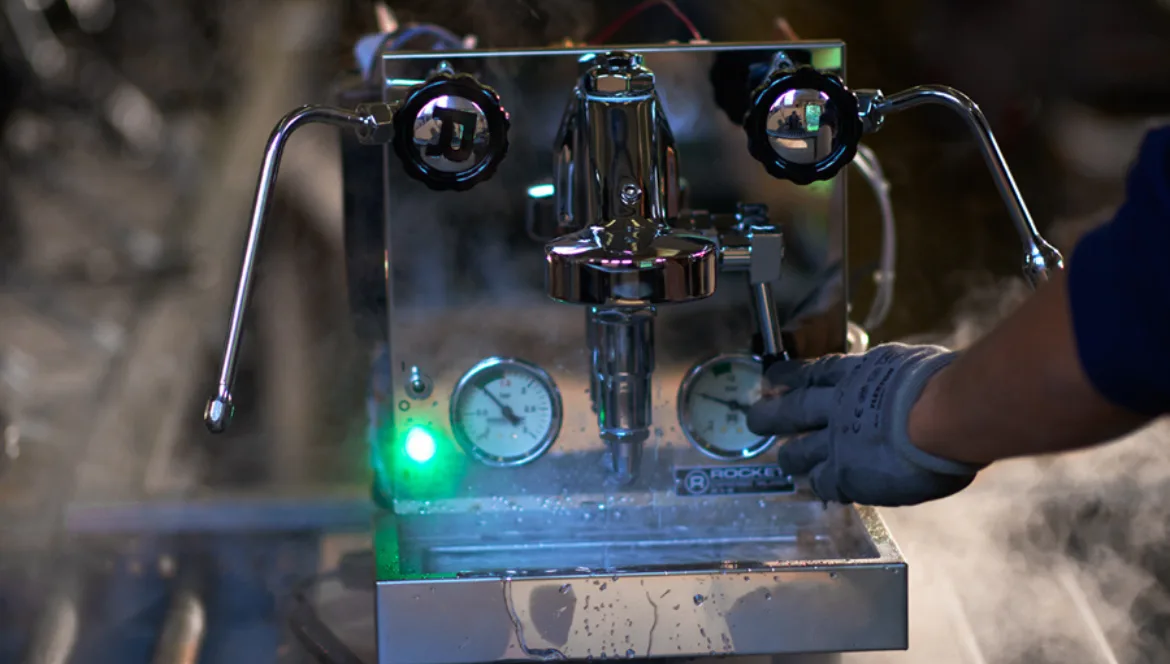
Italian espresso machine craftsmanship has shaped coffee globally. Italian-built machines are prized for engineering, durability, and design. For coffee professionals and enthusiasts, understanding the craftsmanship behind it explains why Italian engineering defines espresso quality.
This guide explores why Italian espresso machines remain the gold standard for professional and home brewing, thanks to their heritage, technology, and craftsmanship.
The Heritage of Italian Espresso Machine Manufacturing
The story of Italian espresso machine manufacturing begins in early 20th-century Italy, where café culture demanded faster ways to brew coffee while preserving flavour and aroma. Italian inventors responded with pressure-based brewing systems that became the foundation of modern espresso machines.
Over time, innovation continued as engineers refined pressure control, temperature stability, and brewing mechanics. Italian coffee culture played a central role in these developments. Espresso became more than a drink, it became part of daily life, pushing manufacturers to improve reliability and performance.
Today, many of the world’s most respected premium Italian coffee machines still follow principles developed during this early period of espresso innovation.
What Makes Italian Espresso Machine Craftsmanship Unique
Several factors distinguish high-end espresso machine craftsmanship from mass-produced equipment. Italian manufacturers blend engineering precision with artisan-level assembly. The result: machines that perform consistently, even in demanding café environments.
Precision Engineering
Modern espresso extraction requires exact pressure and temperature control. Italian manufacturers design machines with advanced boilers, pressure systems, and heat stability mechanisms that maintain consistent brewing conditions.
This focus on traditional espresso machine engineering ensures each shot delivers balanced flavour and crema.
Handmade Assembly
Unlike many industrial appliances, many handmade espresso machines in Italy are still assembled by skilled technicians rather than fully automated production lines. Each component, from boilers to group heads, is carefully installed and tested.
These artisan espresso machine makers rely on years of technical training. Practical experience also plays a crucial role in ensuring machines meet strict performance standards.
Premium Materials
Durability is another hallmark of Italian espresso machine craftsmanship. Manufacturers commonly use:
- Stainless steel outer bodies
- Copper or brass boilers
- High-quality commercial-grade valves
These materials improve heat retention, durability, and long-term reliability.
Design and Aesthetics
Italian industrial design has long been admired for its balance of functionality and elegance. Espresso machines are often designed not just as tools but as visual centrepieces within cafés.
The Italian coffee machine design heritage blends sleek metal finishes and polished components. Thoughtful ergonomics support barista workflow and complete the package.
How Italian Espresso Machines Are Made
Understanding how Italian espresso machines are made reveals the level of detail that goes into their production.
Design and Engineering
The process begins with concept design and technical planning. Engineers determine pressure systems. They also plan temperature-control methods and the overall machine architecture. The goal is clear: create equipment capable of producing consistent espresso under heavy daily use.
Component Manufacturing
Key parts are produced using specialised manufacturing techniques:
- Boilers for heating water
- Pumps to generate brewing pressure
- Group heads that control extraction
- Electronics for temperature and pressure monitoring
Precision machining ensures every component fits perfectly. Each part sits exactly as designed within the machine’s internal structure.
Assembly by Skilled Technicians
During assembly, technicians install components by hand. They carefully ensure each connection is properly aligned. Hand assembly allows manufacturers to identify potential issues before machines reach the testing stage.
This process is a defining feature of high-end espresso machine craftsmanship.
Performance Testing
Before leaving the factory, machines undergo extensive testing. Technicians check:
- Pressure calibration
- Temperature stability
- Pump performance
- Steam power
These tests confirm that the machine can perform reliably in demanding café environments.
Key Technologies That Define Italian Espresso Machines
Many technologies commonly used in modern espresso machines originated in Italy.
E61 Group Head Technology
One of the most influential innovations is the E61 group head espresso machine's design. Introduced in the 1960s, this system uses thermosiphon circulation to maintain a consistent temperature during extraction.
Today, many premium machines still rely on this proven design.
PID Temperature Control
Modern espresso machines often use PID controllers to precisely regulate temperature. Stable water temperature is essential for balanced extraction and flavour consistency.
Heat Exchanger vs Dual Boiler Systems
Italian manufacturers commonly use two brewing system designs:
- Heat exchanger systems, which allow brewing and steaming to be done simultaneously
- Dual boiler systems, which separate brewing and steaming boilers for maximum control
Both designs support professional-level espresso preparation.
Pressure Profiling Technology
Some advanced machines now include pressure profiling, allowing baristas to adjust brewing pressure throughout extraction. This feature enhances flavour complexity and allows experimentation with different coffee beans.
Why Coffee Professionals Prefer Italian Machines
Many cafés rely on commercial Italian espresso machines because of their reliability and performance under constant use.
Key reasons professionals choose Italian machines include:
- Consistent espresso extraction
- Durable construction for daily service
- Strong steam performance for milk drinks
- Balanced flavor and crema production
For busy cafés, dependable equipment directly impacts service speed and customer satisfaction.
Italian Craftsmanship in Modern Home Espresso Machines
In recent years, demand for premium home espresso equipment has grown significantly. Many manufacturers now produce compact versions of professional machines. They are designed for home kitchens.
These machines bring Italian espresso machine craftsmanship into home environments. They maintain core features such as stable temperature control and professional-style group heads.
Home baristas increasingly value machines that replicate café-quality brewing without sacrificing design or durability.
Choosing an Authentic Italian Espresso Machine
For buyers exploring premium Italian coffee machines, several factors indicate authentic craftsmanship:
- Solid stainless steel construction
- High-quality brass or copper boilers
- Stable temperature control systems
- Proven group head design
Machines built with these features typically offer better longevity. They also deliver consistent brewing performance.
The Future of Italian Espresso Machine Craftsmanship
As the specialty coffee industry evolves, manufacturers continue to innovate. New developments include:
- Smart espresso machines with digital controls
- Energy-efficient boiler technologies
- Sustainable manufacturing practices
Despite these advancements, the principles of traditional espresso machine engineering remain central to Italian machine design.
Conclusion
For over a century, Italian espresso machine craftsmanship has defined how espresso is brewed around the world. Precision engineering, skilled assembly, and timeless design make the difference. Italian manufacturers continue to set the benchmark for espresso equipment.
For cafés and coffee enthusiasts alike, investing in a well-built espresso machine means investing in reliability, performance, and a tradition of craftsmanship that has shaped modern coffee culture.
FAQs
Why are Italian espresso machines considered the best?
Italian machines are known for precision engineering, durable materials, and consistent espresso extraction developed through decades of innovation.
What is an E61 group head?
The E61 group head is a temperature-stable brewing system introduced in Italy that remains widely used in premium espresso machines.
Are Italian espresso machines good for home use?
Yes. Many manufacturers now produce compact machines designed for home baristas while maintaining professional brewing performance.
How long do Italian espresso machines last?
With proper maintenance, high-quality machines can operate reliably for many years in both home and commercial environments.
Related posts
-
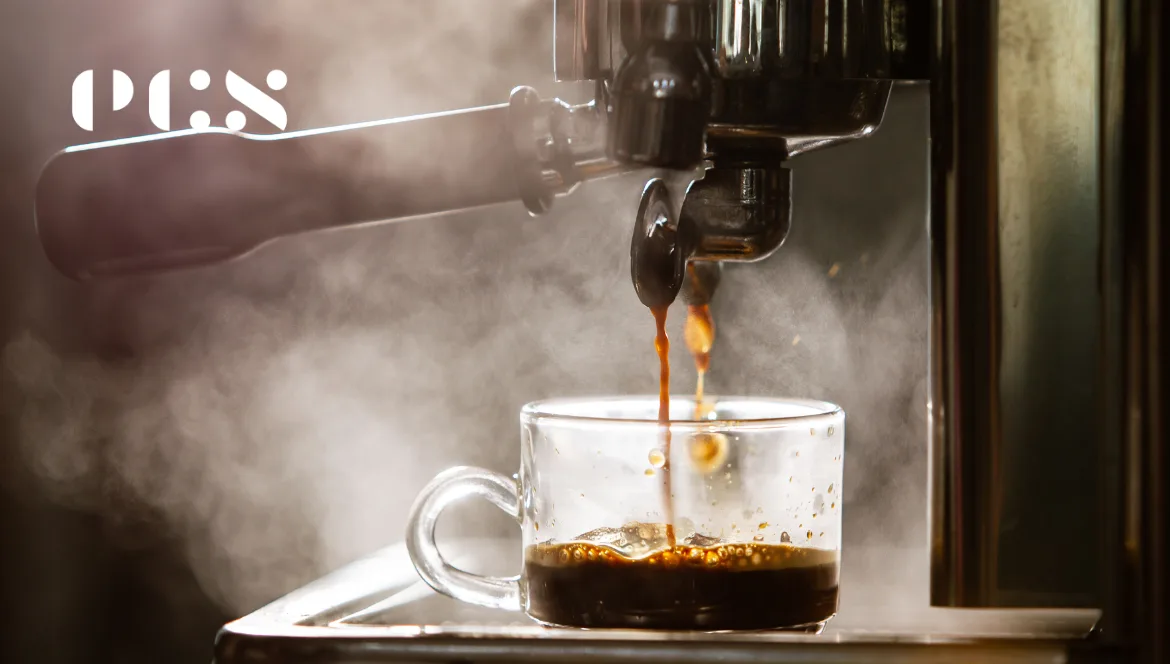 Understanding Espresso Machines: Single Boiler, Dual Boiler, and Heat Exchanger Models
Choosing the right espresso machine can elevate your coffee experience to new heights. At Espresso Coffee Shop we...Read more
Understanding Espresso Machines: Single Boiler, Dual Boiler, and Heat Exchanger Models
Choosing the right espresso machine can elevate your coffee experience to new heights. At Espresso Coffee Shop we...Read more -
 How to properly store coffee
If you, too, are a true coffee enthusiast, meticulously selecting the varieties you like best and eagerly...Read more
How to properly store coffee
If you, too, are a true coffee enthusiast, meticulously selecting the varieties you like best and eagerly...Read more -
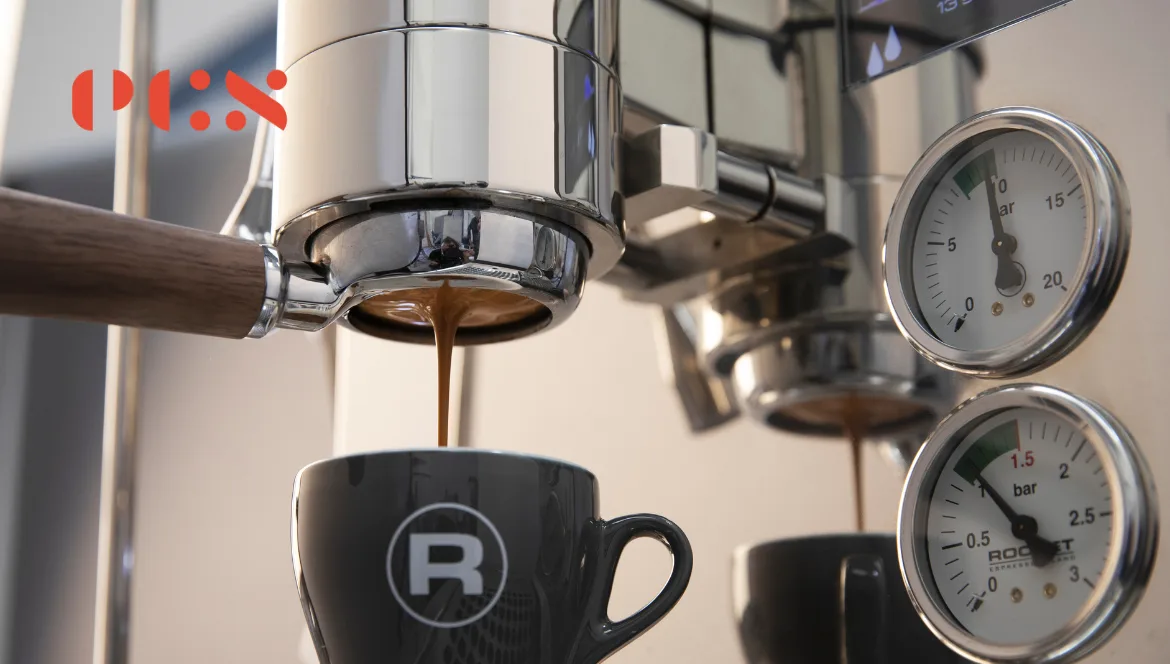 Bottomless portafilter? Here are the aspects to be considered
The search for the perfect espresso is a long road, and there are several tools that can help achieve the perfect...Read more
Bottomless portafilter? Here are the aspects to be considered
The search for the perfect espresso is a long road, and there are several tools that can help achieve the perfect...Read more -
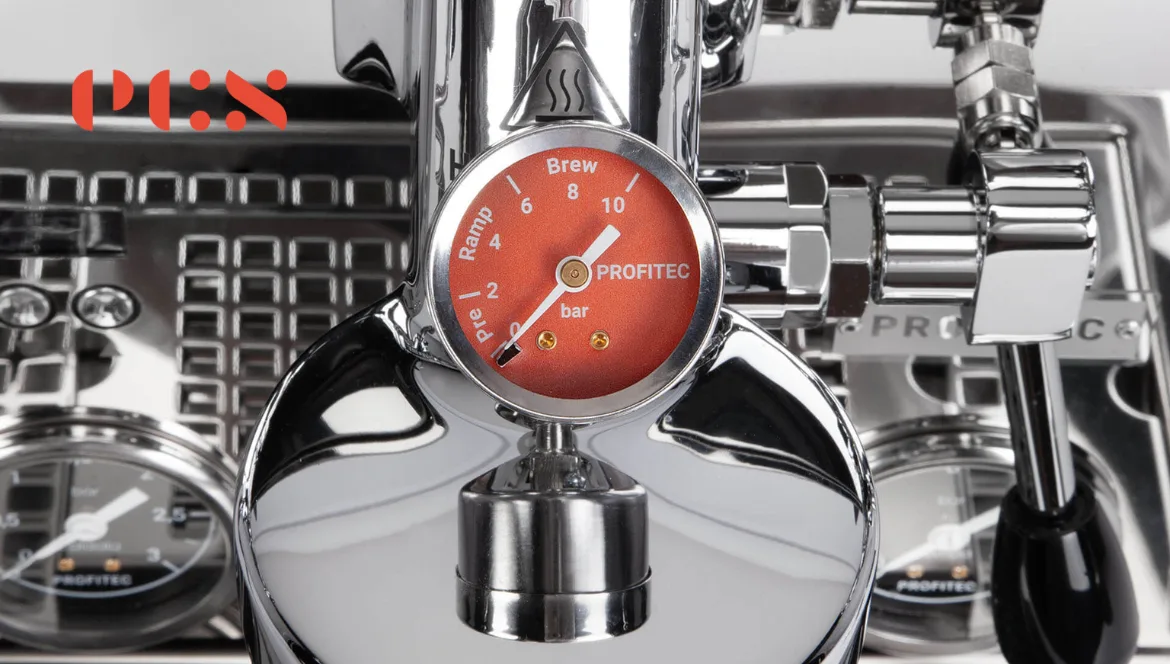 PROFITEC DRIVE: the home machine with professional performance
Drive is the most recent entry in the Profitec household and the evolution of the already highly appreciated Pro 700....Read more
PROFITEC DRIVE: the home machine with professional performance
Drive is the most recent entry in the Profitec household and the evolution of the already highly appreciated Pro 700....Read more -
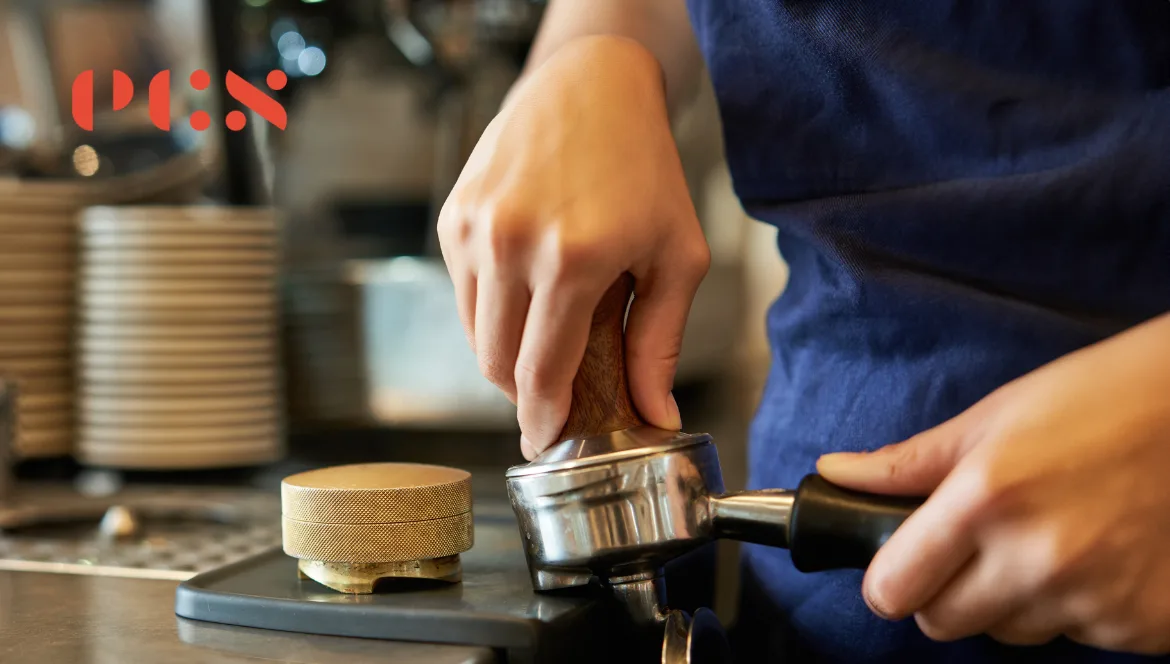 All about a good tamping
To make good coffee, it is important to have the right equipment, quality coffee and not only. It is also necessary...Read more
All about a good tamping
To make good coffee, it is important to have the right equipment, quality coffee and not only. It is also necessary...Read more
Leave a comment