




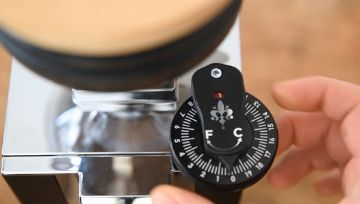
Grind size is one of the biggest factors behind a great espresso shot. This guide explains how grind size affects...
-
 How Grind Size Affects Espresso ExtractionRead more11/06/2026
-
 Espresso Machine Water Testing: How Often Should You Test Your Water?Read more
Wondering how often you should test your espresso machine water? This guide explains when to test at installation...
10/28/2026 -
 How to Steam Milk with a Steam Wand: Step-by-StepRead more
Learn how to steam milk with a steam wand for smooth, glossy microfoam. This guide covers the step-by-step...
10/17/2026 -
 The Art of Italian Coffee Roasting: Traditional Methods and Modern InnovationRead more
Italian coffee roasting blends slow drum craft with modern precision. Discover how direct flame roasting, regional...
10/14/2026 -
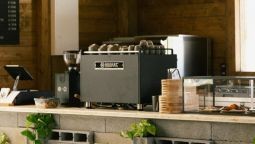 Training Your Staff: Essential Barista Skills for Commercial SuccessRead more
The commercial espresso machine you buy decides how many customers you can serve during a rush and how much...
09/29/2026 -
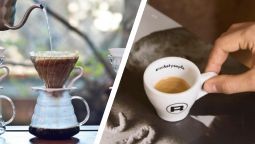 Espresso vs Pour-Over: Which Is Right for You?Read more
Espresso or pour-over? The difference comes down to pressure versus gravity, and it shapes flavour, caffeine and the...
09/25/2026 -
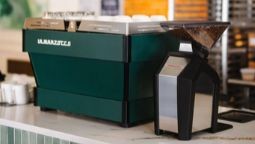 Famous Italian Espresso Machine Manufacturers: La Pavoni, Gaggia, and MoreRead more
Compare La Pavoni, Gaggia, Rocket Espresso, and La Marzocco to find the best Italian espresso machine for your...
09/24/2026 -
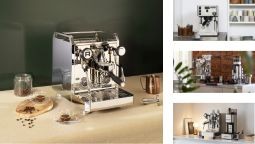 How to Choose an Espresso Machine: Complete Buying GuideRead more
Choosing the right espresso machine starts with understanding your budget, coffee preferences, and daily brewing...
09/23/2026 -
 Coffee Catering Services: Mobile Espresso Solutions for EventsRead more
Coffee catering brings a working espresso bar to any event, from weddings to corporate meetings. This guide explains...
08/29/2026 -
 Coffee Shop Design: Creating the Perfect Espresso Bar LayoutRead more
A smooth espresso bar starts with smart layout decisions. This guide explains the workflow triangle that connects...
08/27/2026
Blog categories
Search in blog
Archived posts
How Grind Size Affects Espresso Extraction
Grind size controls how quickly water extracts flavor from coffee. With traditional Italian coffee roasts, this control matters even more because darker beans are generally more brittle and soluble than lighter roasts. A finer grind slows water flow and can increase extraction, while a coarser grind lets water pass through faster and can reduce extraction.
Get the balance right, and your espresso tastes sweet, rich, and full-bodied. Miss it, and your shots can turn sour, bitter, or unbalanced. Below, we explain how grind size affects espresso extraction, how to identify common brewing problems, and how to adjust your grinder for better results.
How Does Grind Size Affect Espresso Extraction?
Grind size affects how much coffee surface area comes into contact with water and how much resistance the coffee puck creates during extraction. Finer grounds create more resistance, slow water flow, and generally allow more flavor compounds to dissolve. Coarser grounds create less resistance, allowing water to flow faster and potentially extracting less flavor.
Espresso leaves very little room for error. Water typically spends around 25 to 30 seconds passing through the coffee at approximately 9 bars of pressure. Even a small change in grind size can move a shot from sweet and balanced to sour or harsh.
Dose, yield, and water temperature also matter, but grind size is one of the main settings you will adjust when dialing in espresso. A common starting point for espresso extraction yield is around 18 to 22 per cent, though the ideal result depends on the coffee and brewing recipe.
What Is the Best Grind Size for Espresso?
The best grind size for espresso is fine, generally finer than table salt but coarser than powder. Use this as a starting point, since every grinder, coffee bean, and espresso machine combination requires slightly different settings.
A common espresso recipe uses 18 grams of ground coffee to produce approximately 36 grams of espresso. If the shot runs too quickly, adjust the grinder to a finer setting. If it drips too slowly or causes the machine to struggle, move toward a coarser setting.
Change one variable at a time and keep your dose and yield consistent. This makes it easier to understand how each grind adjustment affects the final shot.
What Is the Right Espresso Extraction Time?
A good starting range for espresso extraction is 25 to 30 seconds, measured from the moment the pump starts. However, extraction time is a guide, not a strict rule. Taste ultimately determines whether your espresso is properly extracted.
Use a scale and timer together to maintain consistency. The Fellow Tally Pro Scale helps you measure the coffee output accurately, making it easier to maintain the same brewing ratio between shots.
Without weighing your espresso, you may adjust grind size to compensate for inconsistent output rather than address the real problem.
Is Your Espresso Shot Sour or Bitter?
Sour, thin espresso shots that run too quickly usually indicate underextraction. Try adjusting your grinder to a finer setting. Bitter, dry, or ashy shots that take too long to extract may indicate overextraction. In that case, try a slightly coarser setting.
Channeling can complicate things. It happens when water finds weak spots in the coffee puck and flows unevenly through those areas. As a result, the same espresso shot can taste both sour and bitter.
If this happens, check your coffee distribution and tamping technique before changing the grinder setting. Make small adjustments, prepare another shot, and compare the taste.
Does Italian Coffee Roasting Change the Grind You Need?
Yes, roast level can influence the grind size required for espresso. Darker beans produced through traditional Italian roasting are generally more brittle and soluble than lighter-roasted beans. They often extract more easily and may need a slightly coarser grind to prevent over-extraction.
Lighter-roasted beans are typically denser and less soluble, so they may need a finer grind to achieve the desired sweetness and balance.
Bean age also matters. As freshly roasted beans release carbon dioxide over time, their behaviour during extraction changes. A grinder setting that worked well last week may need a small adjustment with the same coffee.
If you want to experiment with different Italian coffee profiles, explore the whole bean coffee selection, featuring beans from Italian roaster Giamaica Caffe.
Why Does Stepless Adjustment Make Dialing In Easier?
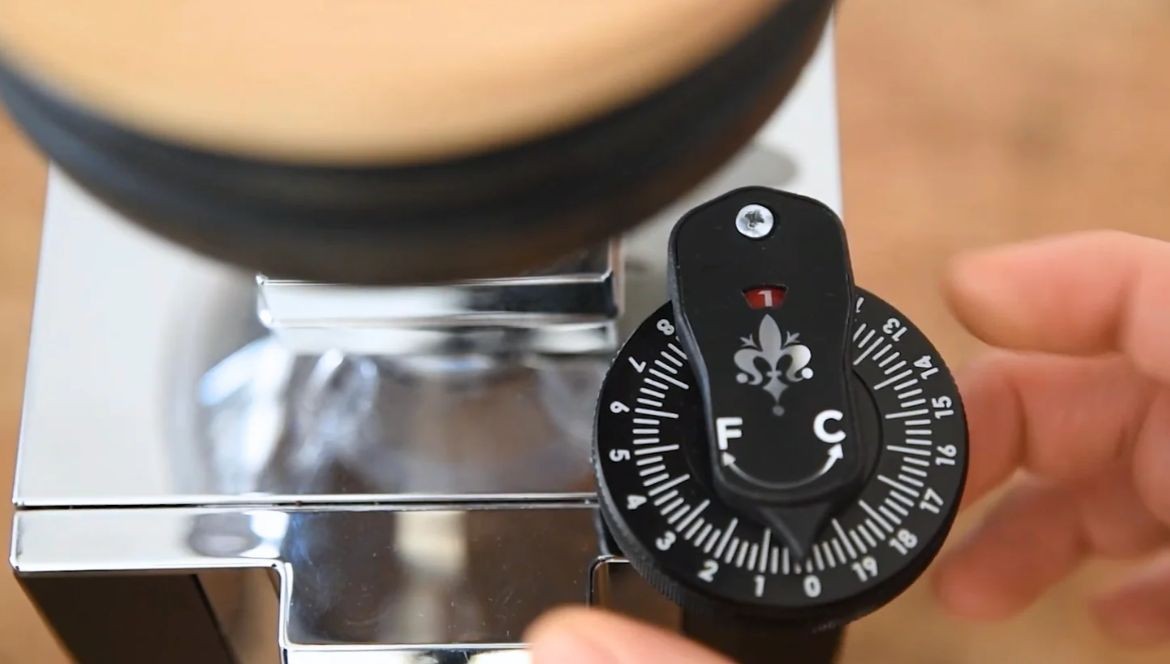
A stepped grinder moves between fixed settings or clicks. A stepless grinder allows continuous adjustments, giving you greater control over the distance between grind settings.
For espresso preparation, this precision matters because even a small adjustment can noticeably change extraction time and flavor.
The Eureka Mignon Specialità coffee grinder is a good example. It features 55 mm hardened-steel flat burrs and stepless micrometric adjustment, allowing users to make precise grind changes.
Its touchscreen supports programmable single and double doses, while the ACE system helps reduce static and coffee clumping. It is particularly suitable for home baristas who primarily prepare espresso and want consistent grinding performance.
A Simple Espresso Dialing-In Routine
Follow these five steps whenever you prepare a new coffee or need to adjust your espresso grinder:
- Measure your coffee: Weigh 18 grams of coffee beans and aim for approximately 36 grams of espresso.
- Pull your first shot: Record the extraction time and taste the espresso.
- Identify the problem: If the shot runs too quickly and tastes sour, grind finer. If it runs too slowly and tastes bitter, grind coarser.
- Make a small adjustment: Change the grinder setting slightly, purge a few grams of coffee if necessary, and pull another shot.
- Check the final result: Aim for about 25 to 30 seconds as a starting point, then adjust until the espresso tastes balanced.
Whenever you open a new bag of coffee, repeat steps 2 through 5 until you find the right grind setting.
How Espresso Coffee Shop USA Helps You Dial In
Espresso Coffee Shop USA supplies Italian espresso machines, coffee grinders, and accessories to home baristas and cafés across the United States.
Since 1997, the company has helped coffee enthusiasts find equipment suited to their brewing preferences and budgets. With more than 117,000 customers served, Espresso Coffee Shop USA helps customers throughout their buying journey, from selecting equipment to receiving after-sales support.
If you are unsure which grinder works best with your espresso machine, you can book a session with the team for personalized guidance.
FAQ's
Q: How does grind size affect espresso extraction?
A: Finer grinds generally slow water flow and increase extraction, while coarser grinds allow water to pass through more quickly and can reduce extraction. The right balance produces espresso with sweetness, body, and a pleasant finish.
Q: What is the best grind size for espresso?
A: Espresso requires a fine grind, generally finer than table salt but coarser than powder. Start with this consistency, then adjust based on extraction time and taste.
Q: How long should espresso extraction take?
A: Aim for 25 to 30 seconds as a starting range. However, the ideal extraction time depends on the coffee beans, grinder, and brewing recipe. Always use taste as your final guide.
Q: How do I know if my espresso grind is too fine or too coarse?
A: If your espresso runs too quickly and tastes sour, the grind may be too coarse. If it runs too slowly and tastes bitter or dry, the grind may be too fine.
Q: Does Italian roast coffee need a different grind size?
A: Often, yes. Darker Italian roasts are generally more soluble and may require a slightly coarser grind than lighter roasts to achieve balanced extraction.
Q: Is a stepless grinder better for espresso?
A: A stepless grinder offers continuous grind adjustments instead of fixed steps. This gives you greater control over extraction and makes it easier to dial in espresso.
Related posts
-
 How to properly store coffee
If you, too, are a true coffee enthusiast, meticulously selecting the varieties you like best and eagerly...Read more
-
 All about a good tamping
To make good coffee, it is important to have the right equipment, quality coffee and not only. It is also necessary...Read more
-
 The first store Espresso Coffee Shop in Italy!
We are excited to announce the opening of our Temporary Shop in Milan, an must-visit meeting point for all coffee...Read more
-
 Spring cleaning? It's the perfect time to clean your coffee equipment, too
Spring is in the air, bringing the desire to renovate, tidy and... clean! Besides sprucing up your home and closets,...Read more
-
 Advanced Espresso Techniques: Pressure Profiling and Temperature Surfing
Espresso is an art form, a delicate balance of science and passion that culminates in a rich, aromatic cup of coffee....Read more
Leave a comment