


Espresso pairing is all about finding the right balance between coffee intensity and food flavors. This guide...
Please, visit the correct shop for your location:
International Site


It looks like you are not from the USA,
please visit the correct shop for your location:


 Espresso Machines
Coffee Grinders
Set
Accessories
Coffee
Pour Over
Design Collection
Deals
Best Of Black Friday
Brands
Espresso Machines
Coffee Grinders
Set
Accessories
Coffee
Pour Over
Design Collection
Deals
Best Of Black Friday
Brands
Espresso Coffee Shop
+Assistance and services
+-
 Espresso Pairing Guide: Foods That Complement Your CoffeeRead more09/03/2026
 -
 Coffee Catering Services: Mobile Espresso Solutions for EventsRead more
Coffee catering brings a complete espresso experience directly to weddings, corporate events, private parties, and...
08/27/2026 -
 Coffee Shop Design: Creating the Perfect Espresso Bar LayoutRead more
Designing the perfect coffee shop layout starts with creating an efficient espresso bar workflow. A well-planned...
08/25/2026 -
 Specialty Coffee Trends: Staying Competitive in the Espresso MarketRead more
Specialty coffee trends are transforming the espresso market as consumers increasingly prioritize quality,...
08/25/2026 -
 Espresso Machine Leasing vs Buying: What's Best for Your Business?Read more
Should you lease or buy an espresso machine for your business? This guide compares the costs, benefits, and long-term...
07/14/2026 -
 Espresso and Health: Benefits, Caffeine Content, and Wellness ConsiderationsRead more
Wondering how espresso affects your health? Learn how much caffeine is in a shot, what research says about...
07/14/2026 -
 Espresso Gift Guide: Perfect Presents for Coffee EnthusiastsRead more
Discover practical espresso gift ideas for every budget with this guide from Espresso Coffee Shop USA. From...
07/08/2026 -
 Office Coffee Solutions: Bringing Quality Espresso to the WorkplaceRead more
Create a better workplace coffee experience with the right office coffee solutions. This guide explains how to choose...
07/08/2026 -
 Italian Espresso Bar Etiquette: How to Order Like a LocalRead more
Discover the essential etiquette of an Italian espresso bar, from ordering coffee like a local to understanding when...
07/08/2026 -
 Sustainable Espresso: Eco-Friendly Practices and Equipment for 2026Read more
A sustainable espresso setup combines high-quality coffee with environmentally responsible choices. From durable,...
06/23/2026
Blog categories
Search in blog
Archived posts
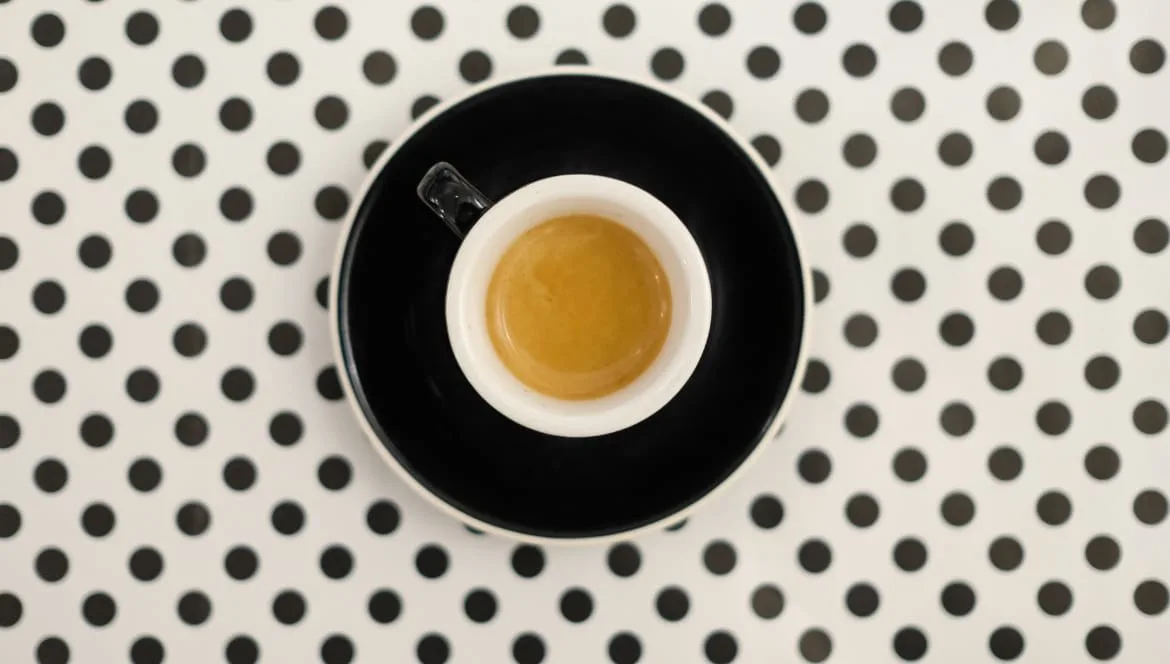
The History of Italian Espresso: From Turin to Your Kitchen
Italian espresso is not simply a way of brewing coffee. It is a cultural habit shaped by history, engineering, and everyday Italian life. From the first steam-powered machines developed in northern Italy to the compact espresso makers found in modern kitchens, Italian espresso represents a rare balance between speed, precision, and ritual.
The history of Italian espresso explains why this small cup of coffee continues to influence global café culture, professional barista standards, and home brewing practices. Understanding where espresso came from helps explain why it still matters today.
Understanding the Origins of Italian Espresso
The term espresso comes from the Italian word meaning “pressed out” or “made on demand.” This definition reveals its original purpose. Espresso was designed to be brewed quickly, served immediately, and enjoyed fresh, very different from the slow, batch-brewed coffee methods common elsewhere at the time.
Italian espresso was never meant to be stored, reheated, or consumed casually over hours. It was built for immediacy. That philosophy still defines espresso culture today.
Why Espresso Emerged in Italy
In the late nineteenth century, Italy was experiencing rapid industrialisation. Cities grew, workdays became structured, and cafés transformed into busy social and professional spaces. Traditional coffee preparation methods could not keep up with demand.
Café owners needed a faster brewing method that did not compromise flavour. The result was a mechanical approach to coffee brewing that used pressure and heat to extract coffee quickly. This demand for speed without sacrificing quality laid the foundation for Italian espresso.
Turin: The Birthplace of Espresso Innovation
The history of Italian espresso begins in northern Italy, particularly in Turin, a city known for engineering, innovation, and industrial experimentation.
Early Espresso Machines and Steam Power
In the 1880s, Italian inventor Angelo Moriondo developed one of the earliest espresso machines. His design used steam pressure to force water through coffee grounds, dramatically reducing brewing time. Although his machine was never widely commercialised, it proved that coffee could be brewed quickly and consistently using mechanical pressure.
Moriondo’s invention sparked interest among engineers and café owners, setting off decades of refinement and experimentation. This early stage of Italian espresso was more about efficiency than flavour, but it changed coffee forever.
Espresso Becomes a Commercial Standard
In the early twentieth century, inventors such as Luigi Bezzera and Desiderio Pavoni improved upon earlier designs. They introduced machines that were smaller, more reliable, and suitable for daily café use. These machines reduced brewing time from minutes to seconds, making espresso practical for busy coffee bars.
For the first time, coffee preparation became standardised. Baristas could serve the same beverage repeatedly, at speed, with predictable results. Italian espresso became not only a drink but a business model.
How Italian Espresso Shaped Café Culture
Espresso as a Social Experience
Italian espresso culture developed around efficiency and interaction. In Italy, espresso is often consumed standing at the bar, exchanged alongside conversation, news, or a brief pause during work. The small serving size and concentrated flavour suited this fast-paced lifestyle.
Unlike coffee cultures that emphasise large cups or prolonged sitting, Italian espresso encourages presence. It is a moment, not a distraction.
Standardization and Quality Control
As espresso spread across Italy, consistency became essential. Cafés began focusing on grind size, water temperature, pressure, and extraction time. These elements defined what “good espresso” meant.
This attention to method is why Italian espresso became the global reference point for professional coffee preparation. Even today, many training programs and espresso standards trace their roots back to Italian practice.
The Evolution of Espresso Technology
The Lever Machine Revolution
After World War II, espresso technology reached a turning point. Lever-operated machines were introduced, allowing baristas to manually control brewing pressure. This innovation produced the crema the golden foam that sits atop a well-extracted espresso and became a defining visual and sensory feature.
The lever machine shifted espresso from a purely mechanical process to a craft. Skill, timing, and technique now mattered as much as the machine itself.
Pump-Driven Precision
Later developments replaced manual levers with electric pumps, stabilising pressure at around nine bars. This change improved consistency and reduced reliance on barista strength or experience.
Pump-driven machines made espresso more accessible beyond Italy. Cafés around the world could now serve Italian-style espresso with reliable results, accelerating its global adoption.
From Italian Cafes to Home Kitchens
Espresso Goes Global
As Italian communities spread across Europe, the Americas, and beyond, espresso travelled with them. Italian cafés abroad became cultural anchors, introducing espresso-based drinks to new audiences.
By the mid-twentieth century, espresso had reshaped coffee menus worldwide. Drinks such as cappuccinos and latte gained popularity, while espresso itself became a symbol of quality coffee.
Home Espresso Machines
What once required industrial equipment is now achievable at home. Advances in compact espresso machines, precision grinders, and accessible education have allowed home users to recreate Italian espresso with impressive accuracy.
While home brewing may lack the atmosphere of an Italian café, it preserves the core values of espresso: freshness, precision, and respect for the process.
Why Italian Espresso Still Matters Today
A Balance of Tradition and Innovation
Italian espresso has endured because it adapts without abandoning its principles. While machines have evolved, the fundamentals remain unchanged: quality beans, precise extraction, and mindful preparation.
This balance allows espresso to remain relevant in a world of constantly changing coffee trends.
A Global Reference Point
Even in today’s specialty coffee movement, Italian espresso remains a benchmark. Baristas, roasters, and equipment manufacturers still measure performance and flavour against espresso standards developed in Italy.
From cafe design to brewing technique, the influence of Italian espresso remains visible worldwide.
Bringing Italian Espresso into Your Daily Routine
You do not need to live in Italy to appreciate authentic espresso. Understanding its history encourages more intentional brewing, choosing the right grind, respecting extraction time, and focusing on quality rather than quantity.
Italian espresso teaches that great coffee is not about excess or complexity. It is about simplicity, discipline, and consistency.
Conclusion: What the History of Italian Espresso Teaches Us
The history of Italian espresso is a story of problem-solving, craftsmanship, and cultural identity. From early steam-powered experiments in Turin to modern home machines, espresso has evolved without losing its essence.
It reminds us that progress does not require abandoning tradition. Instead, the best innovations refine what already works.
Italian espresso continues to define how the world understands coffee, not because it is fashionable, but because it is thoughtful, efficient, and timeless.
FAQs:
Q: How did espresso machines evolve?
A: They evolved from steam-powered systems to lever machines and later to electric pump-driven machines for better control and consistency.
Q: Can authentic Italian espresso be made at home?
A: Yes. With a quality espresso machine, grinder, and fresh beans, home brewers can achieve results close to café-quality espresso.
Q: Is espresso meant to be consumed quickly?
A: Traditionally, yes. In Italy, espresso is served fresh and enjoyed immediately, often standing at a bar.
Q: Does Italian espresso use a specific type of coffee bean?
A: Italian espresso typically uses carefully roasted blends, often combining different origins to achieve balance and depth.
Q: Why is crema important in espresso?
A: Crema indicates proper extraction and contributes to aroma, texture, and overall sensory experience.
Related posts
-
 AeroPress mania: the complete guide to coffee brewing
Among the various tools for making a good cup of coffee, AeroPress is certainly one of the most versatile and easy to...Read more
AeroPress mania: the complete guide to coffee brewing
Among the various tools for making a good cup of coffee, AeroPress is certainly one of the most versatile and easy to...Read more -
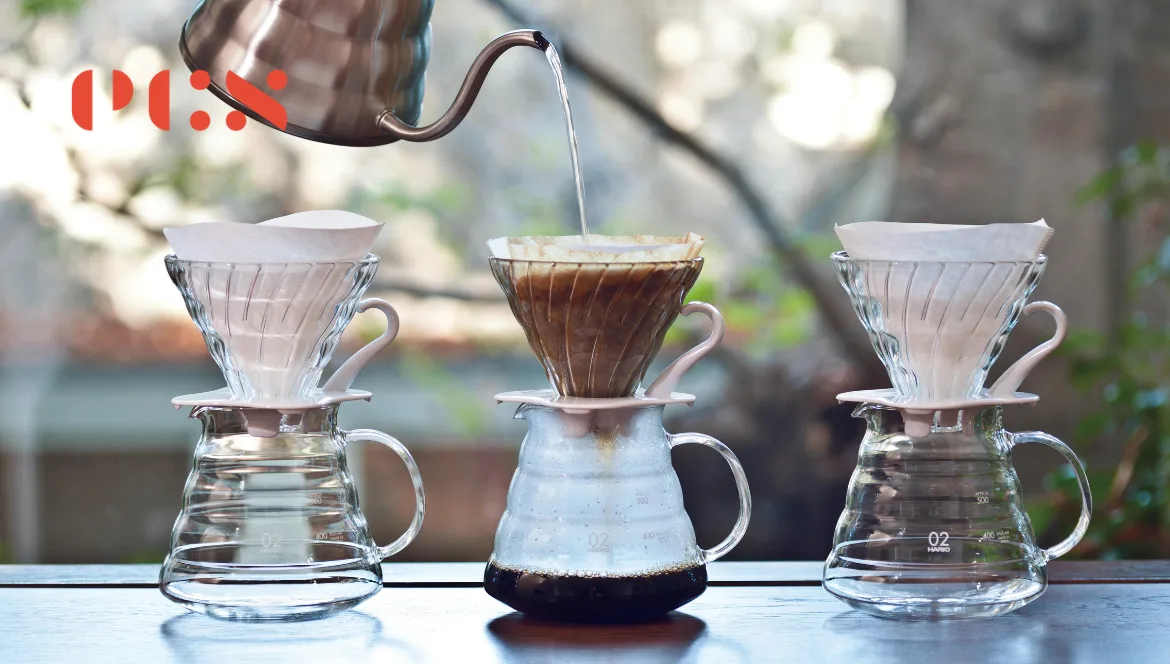 The art of pour over coffee with HARIO V60
Americano coffee, coffee infusion, French press, pour over-- lots of brewing methods exist besides espresso. Among...Read more
The art of pour over coffee with HARIO V60
Americano coffee, coffee infusion, French press, pour over-- lots of brewing methods exist besides espresso. Among...Read more -
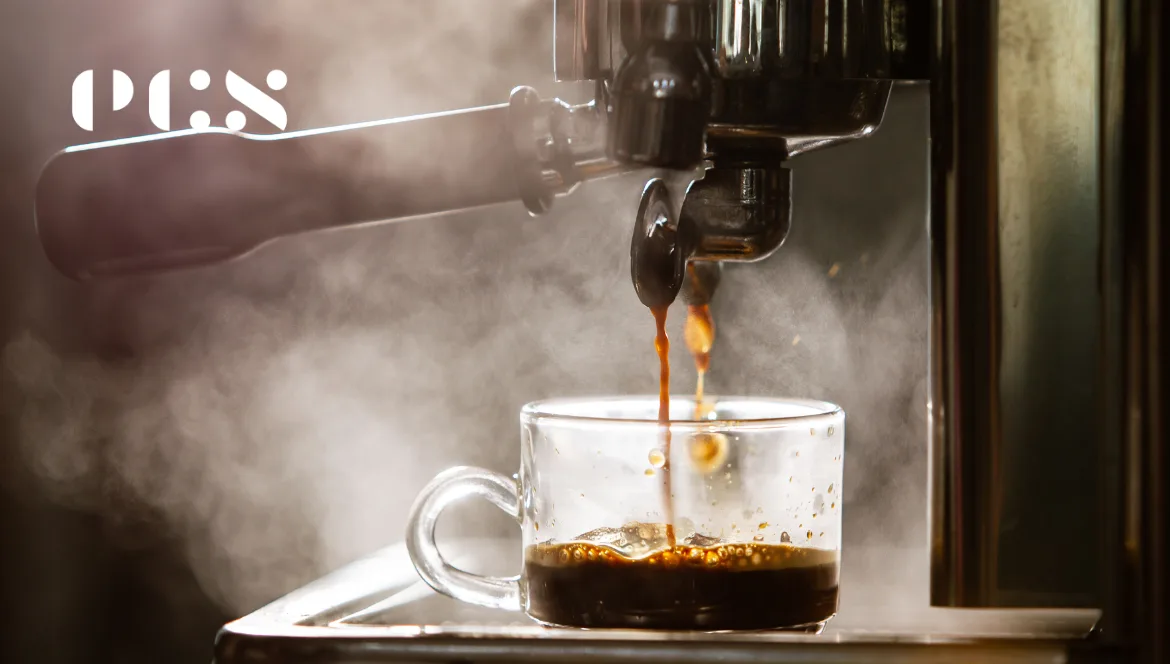 Understanding Espresso Machines: Single Boiler, Dual Boiler, and Heat Exchanger Models
Choosing the right espresso machine can elevate your coffee experience to new heights. At Espresso Coffee Shop we...Read more
Understanding Espresso Machines: Single Boiler, Dual Boiler, and Heat Exchanger Models
Choosing the right espresso machine can elevate your coffee experience to new heights. At Espresso Coffee Shop we...Read more -
 How to properly store coffee
If you, too, are a true coffee enthusiast, meticulously selecting the varieties you like best and eagerly...Read more
How to properly store coffee
If you, too, are a true coffee enthusiast, meticulously selecting the varieties you like best and eagerly...Read more -
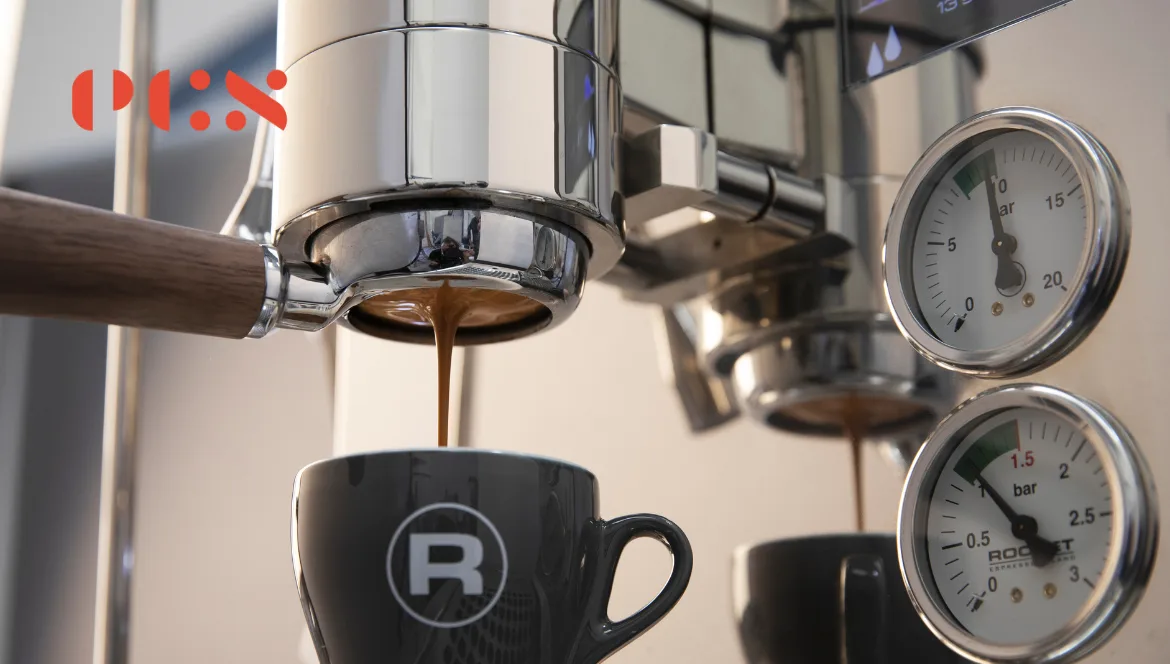 Bottomless portafilter? Here are the aspects to be considered
The search for the perfect espresso is a long road, and there are several tools that can help achieve the perfect...Read more
Bottomless portafilter? Here are the aspects to be considered
The search for the perfect espresso is a long road, and there are several tools that can help achieve the perfect...Read more
Leave a comment