


Espresso pairing is all about finding the right balance between coffee intensity and food flavors. This guide...
Please, visit the correct shop for your location:
International Site


It looks like you are not from the USA,
please visit the correct shop for your location:


 Espresso Machines
Coffee Grinders
Set
Accessories
Coffee
Pour Over
Design Collection
Deals
Best Of Black Friday
Brands
Espresso Machines
Coffee Grinders
Set
Accessories
Coffee
Pour Over
Design Collection
Deals
Best Of Black Friday
Brands
Espresso Coffee Shop
+Assistance and services
+-
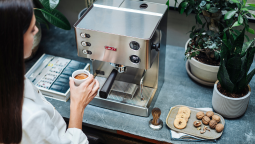 Espresso Pairing Guide: Foods That Complement Your CoffeeRead more09/03/2026
 -
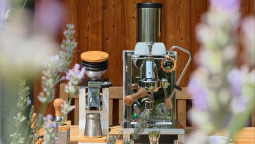 Coffee Catering Services: Mobile Espresso Solutions for EventsRead more
Coffee catering brings a complete espresso experience directly to weddings, corporate events, private parties, and...
08/27/2026 -
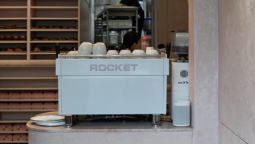 Coffee Shop Design: Creating the Perfect Espresso Bar LayoutRead more
Designing the perfect coffee shop layout starts with creating an efficient espresso bar workflow. A well-planned...
08/25/2026 -
 Specialty Coffee Trends: Staying Competitive in the Espresso MarketRead more
Specialty coffee trends are transforming the espresso market as consumers increasingly prioritize quality,...
08/25/2026 -
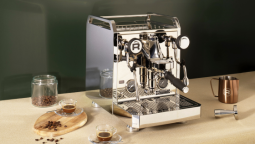 Espresso Machine Leasing vs Buying: What's Best for Your Business?Read more
Should you lease or buy an espresso machine for your business? This guide compares the costs, benefits, and long-term...
07/14/2026 -
 Espresso and Health: Benefits, Caffeine Content, and Wellness ConsiderationsRead more
Wondering how espresso affects your health? Learn how much caffeine is in a shot, what research says about...
07/14/2026 -
 Espresso Gift Guide: Perfect Presents for Coffee EnthusiastsRead more
Discover practical espresso gift ideas for every budget with this guide from Espresso Coffee Shop USA. From...
07/08/2026 -
 Office Coffee Solutions: Bringing Quality Espresso to the WorkplaceRead more
Create a better workplace coffee experience with the right office coffee solutions. This guide explains how to choose...
07/08/2026 -
 Italian Espresso Bar Etiquette: How to Order Like a LocalRead more
Discover the essential etiquette of an Italian espresso bar, from ordering coffee like a local to understanding when...
07/08/2026 -
 Sustainable Espresso: Eco-Friendly Practices and Equipment for 2026Read more
A sustainable espresso setup combines high-quality coffee with environmentally responsible choices. From durable,...
06/23/2026
Blog categories
Search in blog
Archived posts
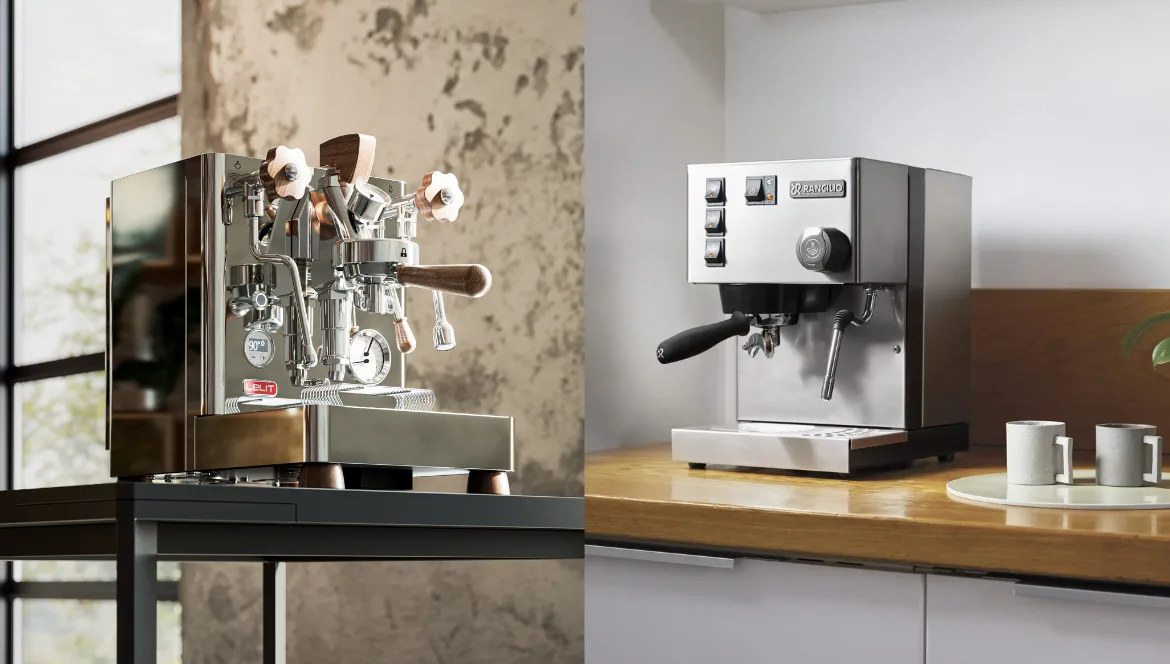
Dual Boiler vs Single Boiler Espresso Machine: 2026 Performance Guide
At Espresso Coffee Shop USA, we help home baristas and small cafes across the country choose Italian-made espresso machines suited to their daily routine. One question we often get in 2026 is whether a dual-boiler or single-boiler espresso machine is worth the price difference. The answer depends on how many drinks you make back-to-back and how much you value temperature stability.
What Does a Boiler Actually Do in an Espresso Machine?
An espresso machine boiler heats water for two jobs that need different temperatures: brewing espresso at roughly 90 to 96°C, and steaming milk at a higher pressure. How a machine manages these two jobs is the real difference between single-boiler and dual-boiler designs.
What Is a Single Boiler Espresso Machine?
A single boiler espresso machine uses one boiler for both brewing and steaming, so it must switch temperature modes between the two tasks. You brew first and wait for the boiler to adjust before steaming, or you steam first and then brew.
This works well for one drink at a time but slows down when you make several milk-based drinks in a row. Single boiler machines suit beginners, casual home users, and setups with limited counter space or budget, since they are simpler and less expensive.
What Is a Dual Boiler Espresso Machine?
A dual boiler espresso machine uses two separate boilers, one dedicated to brewing and one dedicated to steaming, so both run at their ideal temperature at the same time. You can pull a shot and steam milk simultaneously with no waiting period.
This design keeps brew temperature stable shot after shot and speeds up preparation, which is why experienced home baristas and small cafes tend to prefer it.
Which Gives Better Temperature Stability?
Dual boiler espresso machines hold a more consistent brew temperature because the brew boiler never switches jobs. Single-boiler machines can drift in temperature when moving between brewing and steaming, which can affect flavor balance from one shot to the next.
Which Is Faster for Multiple Drinks?
Dual boiler espresso machines allow continuous brewing and steaming without interruption, while single boiler machines require a waiting period between the two tasks. If you regularly make drinks for a household or a small cafe, this speed difference adds up quickly during a morning rush.
Does Boiler Type Affect Milk Steaming Quality?
Dual boiler machines deliver steady steam pressure for consistent microfoam on lattes and cappuccinos made back-to-back. Single-boiler machines can produce uneven steam if the boiler hasn't fully recovered from brewing, which shows up most when making several milk drinks in a row.
Is a Dual Boiler Espresso Machine Worth the Extra Cost?
A dual boiler espresso machine is worth the investment if you make espresso daily, serve multiple people, or run a small cafe where consistency matters. A single boiler machine offers better value if you are new to espresso or make one or two drinks per session.
Single boiler machines cost less upfront and have fewer components to maintain. Dual boiler machines cost more but hold their performance better under regular, heavy use, which matters most for a small business or a household of serious coffee drinkers.
Which One Should You Choose?
Choose a single boiler espresso machine if you are learning espresso fundamentals, make one or two drinks per session, or have a tighter budget. Choose a dual boiler espresso machine if you want cafe-style speed, consistent extraction temperature, and the ability to brew and steam at the same time.
There is no single best option, only the machine that matches how often you brew and for how many people. Our team offers a free virtual coffee consultation if you want help matching a boiler type to your routine before you buy.
Final Thoughts
Single boiler espresso machines offer simplicity and a lower entry price. Dual boiler espresso machines offer speed, temperature stability, and professional-level consistency. Understanding how often you actually brew, and for whom, is the most reliable way to choose the right setup for your kitchen or cafe.
FAQs
Q: Is a dual boiler espresso machine better for beginners?
A: Not necessarily. Beginners often do better starting with a single-boiler espresso machine because it is simpler to learn before upgrading.
Q: Does a dual-boiler machine make better-tasting espresso?
A: It can, mainly because a dual-boiler machine holds a more stable brew temperature during extraction, which supports consistent flavor.
Q: Can single-boiler machines make milk drinks?
A: Yes, but with a slower workflow, since the machine needs to heat or cool between brewing and steaming.
Q: Are dual-boiler machines harder to maintain?
A: They have more internal components, but routine care such as descaling and water filtration is similar for both boiler types.
Q: Which machine is better for small cafés?
A: Dual boiler espresso machines are better suited to small cafes and commercial settings because they support continuous, back-to-back drink preparation.
Q: What is the difference between a dual boiler and a heat exchanger machine?
A: A dual boiler uses two fully separate boilers for brewing and steaming. In contrast, a heat exchanger machine uses one boiler with a separate internal tube that borrows heat for steaming, a middle ground in both price and performance.
Related posts
-
 AeroPress mania: the complete guide to coffee brewing
Among the various tools for making a good cup of coffee, AeroPress is certainly one of the most versatile and easy to...Read more
AeroPress mania: the complete guide to coffee brewing
Among the various tools for making a good cup of coffee, AeroPress is certainly one of the most versatile and easy to...Read more -
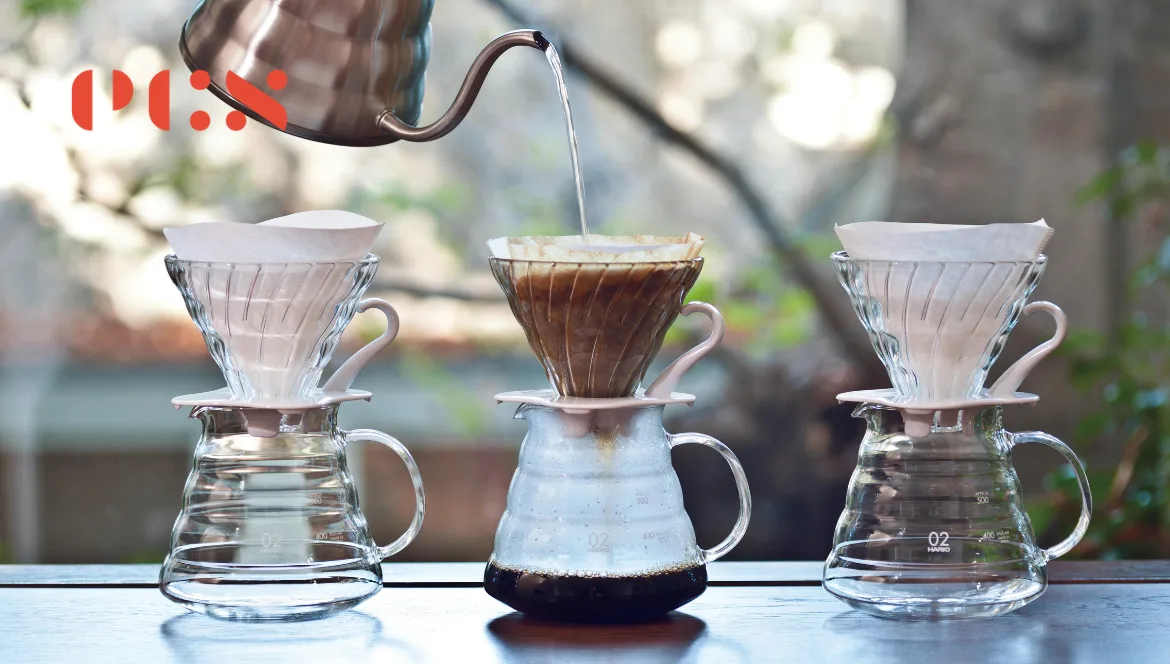 The art of pour over coffee with HARIO V60
Americano coffee, coffee infusion, French press, pour over-- lots of brewing methods exist besides espresso. Among...Read more
The art of pour over coffee with HARIO V60
Americano coffee, coffee infusion, French press, pour over-- lots of brewing methods exist besides espresso. Among...Read more -
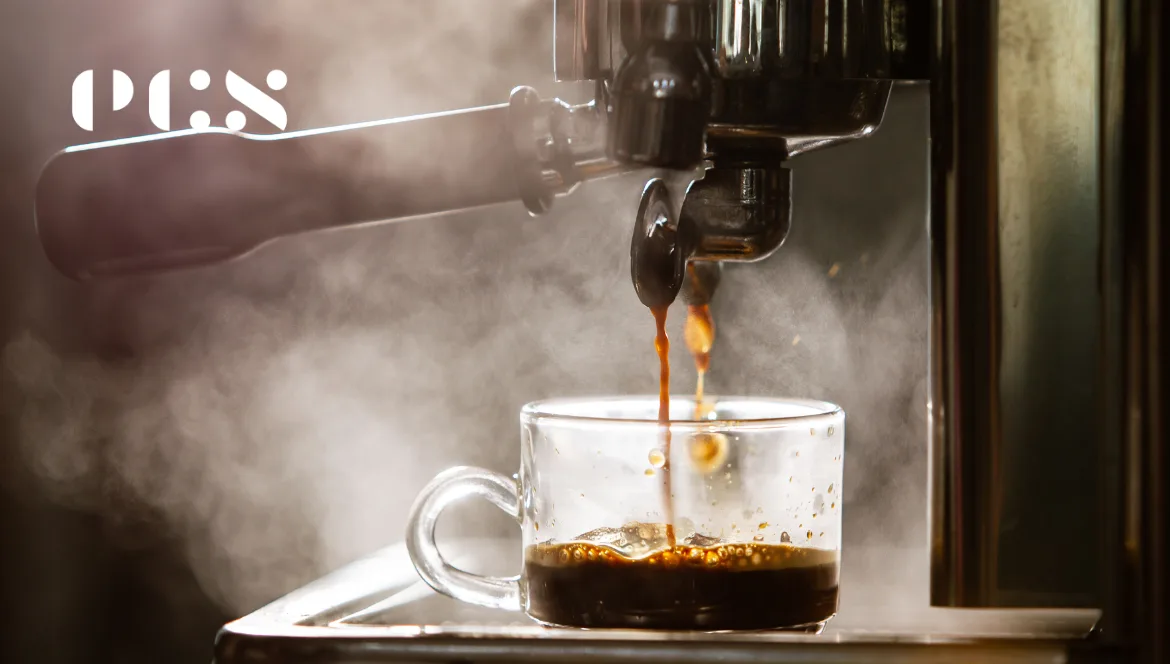 Understanding Espresso Machines: Single Boiler, Dual Boiler, and Heat Exchanger Models
Choosing the right espresso machine can elevate your coffee experience to new heights. At Espresso Coffee Shop we...Read more
Understanding Espresso Machines: Single Boiler, Dual Boiler, and Heat Exchanger Models
Choosing the right espresso machine can elevate your coffee experience to new heights. At Espresso Coffee Shop we...Read more -
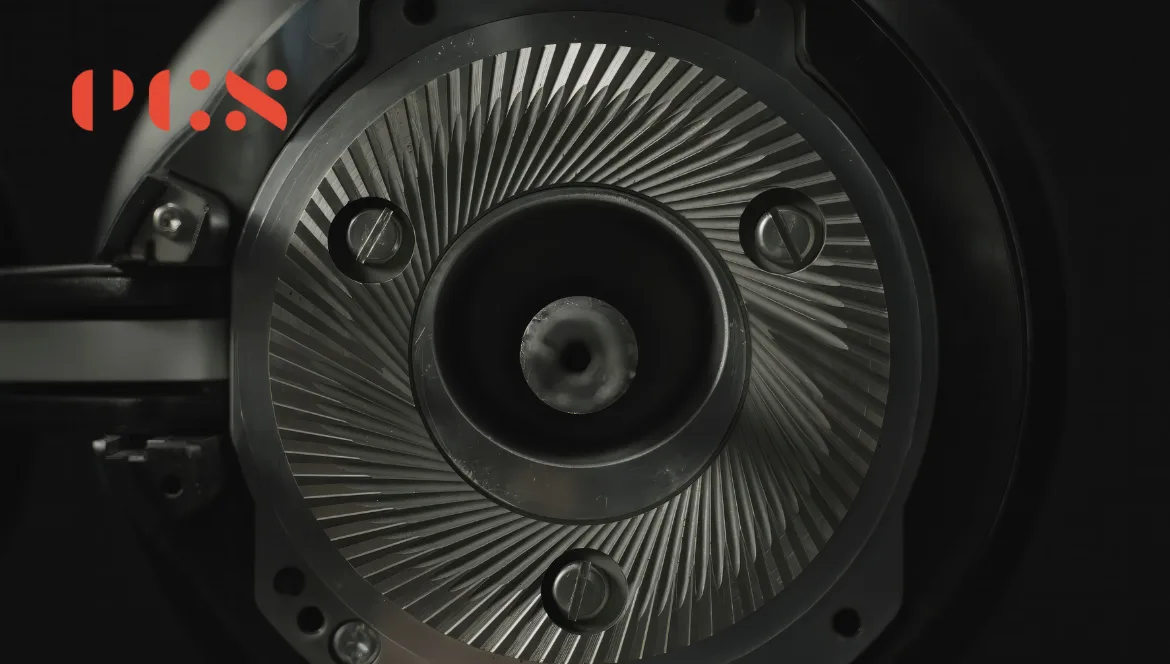 Flat or conical burrs? That is the question
The coffee grinder is among the most important equipment for any barista and home barista. When it comes to choosing...Read more
Flat or conical burrs? That is the question
The coffee grinder is among the most important equipment for any barista and home barista. When it comes to choosing...Read more -
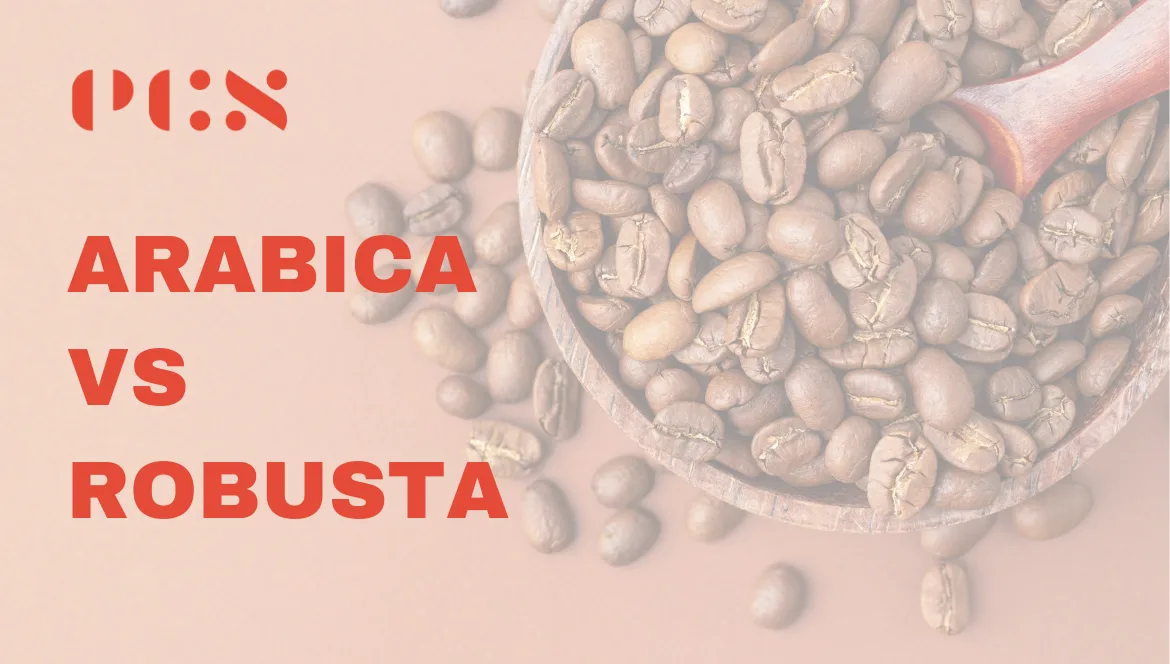 Arabica vs. Robusta: the main differences between the two most popular coffee varieties
When it comes to choosing the perfect coffee, there are two names that immediately come to mind: Arabica and...Read more
Arabica vs. Robusta: the main differences between the two most popular coffee varieties
When it comes to choosing the perfect coffee, there are two names that immediately come to mind: Arabica and...Read more
Leave a comment