


Espresso pairing is all about finding the right balance between coffee intensity and food flavors. This guide...
Please, visit the correct shop for your location:
International Site


It looks like you are not from the USA,
please visit the correct shop for your location:


 Espresso Machines
Coffee Grinders
Set
Accessories
Coffee
Pour Over
Design Collection
Deals
Best Of Black Friday
Brands
Espresso Machines
Coffee Grinders
Set
Accessories
Coffee
Pour Over
Design Collection
Deals
Best Of Black Friday
Brands
Espresso Coffee Shop
+Assistance and services
+-
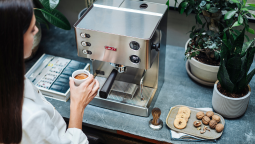 Espresso Pairing Guide: Foods That Complement Your CoffeeRead more08/31/2026
 -
 Coffee Catering Services: Mobile Espresso Solutions for EventsRead more
Coffee catering brings a complete espresso experience directly to weddings, corporate events, private parties, and...
08/27/2026 -
 Coffee Shop Design: Creating the Perfect Espresso Bar LayoutRead more
Designing the perfect coffee shop layout starts with creating an efficient espresso bar workflow. A well-planned...
08/25/2026 -
 Specialty Coffee Trends: Staying Competitive in the Espresso MarketRead more
Specialty coffee trends are transforming the espresso market as consumers increasingly prioritize quality,...
08/25/2026 -
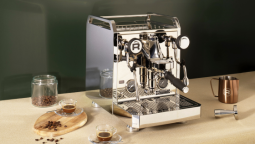 Espresso Machine Leasing vs Buying: What's Best for Your Business?Read more
Should you lease or buy an espresso machine for your business? This guide compares the costs, benefits, and long-term...
07/14/2026 -
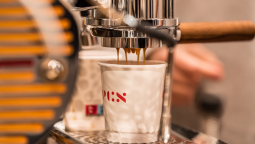 Espresso and Health: Benefits, Caffeine Content, and Wellness ConsiderationsRead more
Wondering how espresso affects your health? Learn how much caffeine is in a shot, what research says about...
07/14/2026 -
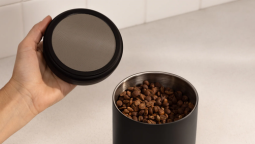 Espresso Gift Guide: Perfect Presents for Coffee EnthusiastsRead more
Discover practical espresso gift ideas for every budget with this guide from Espresso Coffee Shop USA. From...
07/08/2026 -
 Office Coffee Solutions: Bringing Quality Espresso to the WorkplaceRead more
Create a better workplace coffee experience with the right office coffee solutions. This guide explains how to choose...
07/08/2026 -
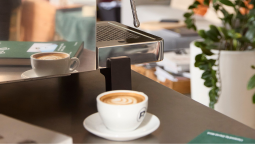 Italian Espresso Bar Etiquette: How to Order Like a LocalRead more
Discover the essential etiquette of an Italian espresso bar, from ordering coffee like a local to understanding when...
07/08/2026 -
 Sustainable Espresso: Eco-Friendly Practices and Equipment for 2026Read more
A sustainable espresso setup combines high-quality coffee with environmentally responsible choices. From durable,...
06/23/2026
Blog categories
Search in blog
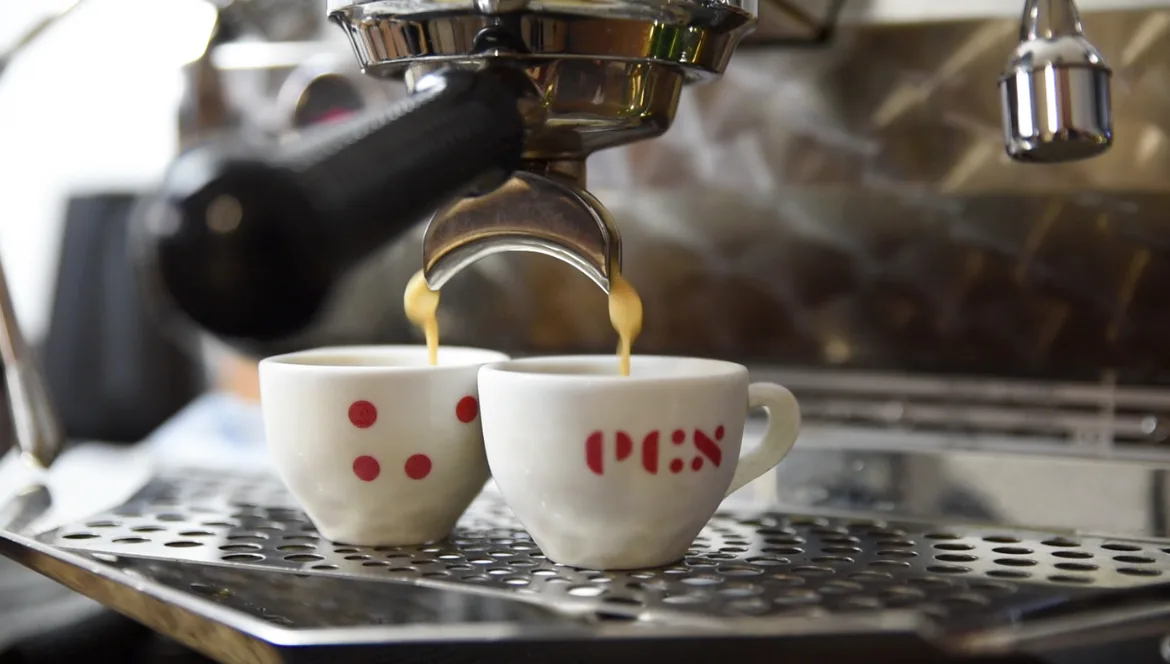
Troubleshooting Common Espresso Problems: Sour, Bitter, and Weak Shots
Espresso Coffee Shop USA has spent almost thirty years helping home baristas and cafes across Italy and now the U.S., dial in better shots, from choosing the right machine to solving the problems that show up after the machine is already on the counter. If your espresso tastes sour, bitter, or weak, the fix usually comes down to three variables: grind size, dose, and time. This guide walks through each problem, why it happens, and exactly what to adjust.
Why Your Espresso Tastes "Off"
Espresso is one of the most sensitive brewing methods because water, pressure, and grounds interact for only 25 to 30 seconds. A small shift in grind size, dose, tamping pressure, or water temperature changes the result immediately. Almost every bad shot falls into one of three categories: sour, bitter, or weak, and each one points to a specific cause in the extraction process.
Why Is My Espresso Sour, and How Do I Fix It?
Sour, sharp, or underdeveloped espresso is a sign of under-extraction, meaning the water moved through the grounds too quickly to pull out enough flavor.
Common Causes
- Grind is too coarse
- Water temperature is too low.
- Extraction time is too short.
- Not enough coffee in the basket
How to fix it
- Grind finer to add resistance and slow the flow.
- Extend brew time by a few seconds.
- Match the dose to your basket size.
- Let the machine fully reach temperature before pulling a shot.
A consistent burr grinder makes this fix reliable. On an inconsistent grinder, the same dial setting produces different particle sizes shot to shot, so the "fix" stops working. A grinder built for espresso, such as the Eureka Mignon Specialità, holds a stable grind curve so small adjustments actually translate into a repeatable result.
Why Is My Espresso Bitter, and How Do I Fix It?
Bitter, harsh, or burnt-tasting espresso usually means over-extraction: the water pulled too many compounds out of the grounds.
Common Causes
- Grind is too fine
- Extraction time runs too long.
- Water temperature is too high.
- Beans are stale or roasted very dark.
How to fix it
- Adjust the grinder slightly coarser.
- Bring extraction time back toward 25 to 30 seconds.
- Purge the group head before brewing to avoid a temperature spike.
- Use freshly roasted beans, ideally within a few weeks of the roast date.
Machines with stable PID temperature control help here because temperature swings during brewing are a common hidden cause of bitterness, even when grind and dose look correct.
Why Is My Espresso Weak or Watery, and How Do I Fix It?
Weak, flat, or watery espresso usually traces back to low pressure, an underfilled basket, or an uneven puck rather than the roast itself.
Common Causes
- Too little coffee in the basket
- Grind that's too coarse for the dose.
- Uneven tamping
- Channeling during extraction
How to fix it
- Increase the dose to match your portafilter basket size.
- Grind finer to slow the flow and build more resistance.
- Tamp evenly with consistent pressure.
- Check the puck after brewing; if you see holes or fast-draining spots, that's channeling, and a distribution tool before tamping will correct it.
A leveling and tamping tool, such as a Rocket tamper and leveler, removes a lot of the guesswork here by keeping the puck flat and evenly packed shot after shot.
How Do I Prevent Espresso Problems Before They Start?
Most recurring shot problems trace back to the same four habits: an inconsistent grinder, an unstable machine, dirty equipment, or stale beans.
1. Grinder consistency
Matters more than any single technique fix, since every other adjustment assumes the grind size is the same shot to shot.
2. Machine stability
Meaning steady temperature and pressure, is what makes a fix repeatable instead of a one-time accident.
3. Clean equipment
Grinder burrs, portafilter, basket, and group head — prevent old coffee oils from adding bitterness that has nothing to do with your current shot.
4. Fresh beans
Used within a few weeks of roasting, extract more evenly and make every other variable easier to dial in.
If problems persist after checking all four, the issue is often the equipment itself rather than technique. Espresso Coffee Shop USA's home espresso machines and grinders are built for the temperature and grind stability that make these fixes stick. The team offers a virtual coffee consultation for anyone who wants a second opinion on their setup before troubleshooting further.
Final Thoughts
Sour, bitter, and weak espresso almost always come back to grind size, dose, extraction time, or tamping technique, not bad luck. Work through one variable at a time, keep notes on what you change, and you'll dial in a consistent, café-quality shot at home.
Frequently Asked Questions (FAQs)
Q1. What is pressure profiling in espresso?
Pressure profiling is the process of varying water pressure during extraction, rather than holding a fixed 9 bars, to shape sweetness, body, and clarity in the final shot.
Q2. How does temperature surfing improve espresso?
It helps hit a consistent brew temperature on machines without a PID by timing the shot to the boiler's natural heating cycle, keeping shots repeatable in the 90 to 96°C (195 to 205°F) range.
Q3. Do I need a special machine for pressure profiling?
A flow control paddle, like the one on the Lelit Bianca, gives full manual control, but some pre-infusion-capable PID machines allow limited experimentation too.
Q4. Is pressure profiling necessary for good espresso?
No. It is not required for a great shot, but it gives enthusiasts a way to fine-tune flavor, especially with lighter or specialty roasts.
Q5. Can beginners try temperature surfing?
Yes. It is one of the most practical ways for someone with a single-boiler machine to improve consistency without buying a PID-controlled upgrade.
Q6. What is the difference between pressure profiling and temperature surfing?
Pressure profiling changes water pressure during the shot to shape flavor. Temperature surfing manages brew temperature on machines that lack electronic control. They solve different problems and can be used independently of each other.
Related posts
-
 Understanding Espresso Machines: Single Boiler, Dual Boiler, and Heat Exchanger Models
Choosing the right espresso machine can elevate your coffee experience to new heights. At Espresso Coffee Shop we...Read more
Understanding Espresso Machines: Single Boiler, Dual Boiler, and Heat Exchanger Models
Choosing the right espresso machine can elevate your coffee experience to new heights. At Espresso Coffee Shop we...Read more -
 How to properly store coffee
If you, too, are a true coffee enthusiast, meticulously selecting the varieties you like best and eagerly...Read more
How to properly store coffee
If you, too, are a true coffee enthusiast, meticulously selecting the varieties you like best and eagerly...Read more -
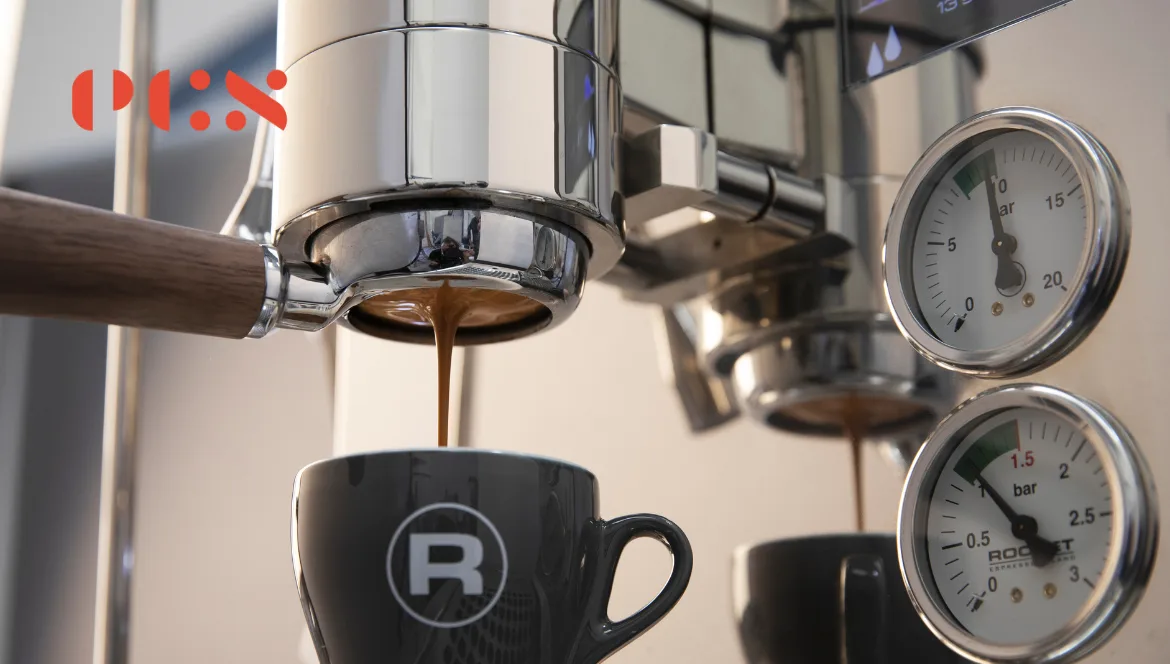 Bottomless portafilter? Here are the aspects to be considered
The search for the perfect espresso is a long road, and there are several tools that can help achieve the perfect...Read more
Bottomless portafilter? Here are the aspects to be considered
The search for the perfect espresso is a long road, and there are several tools that can help achieve the perfect...Read more -
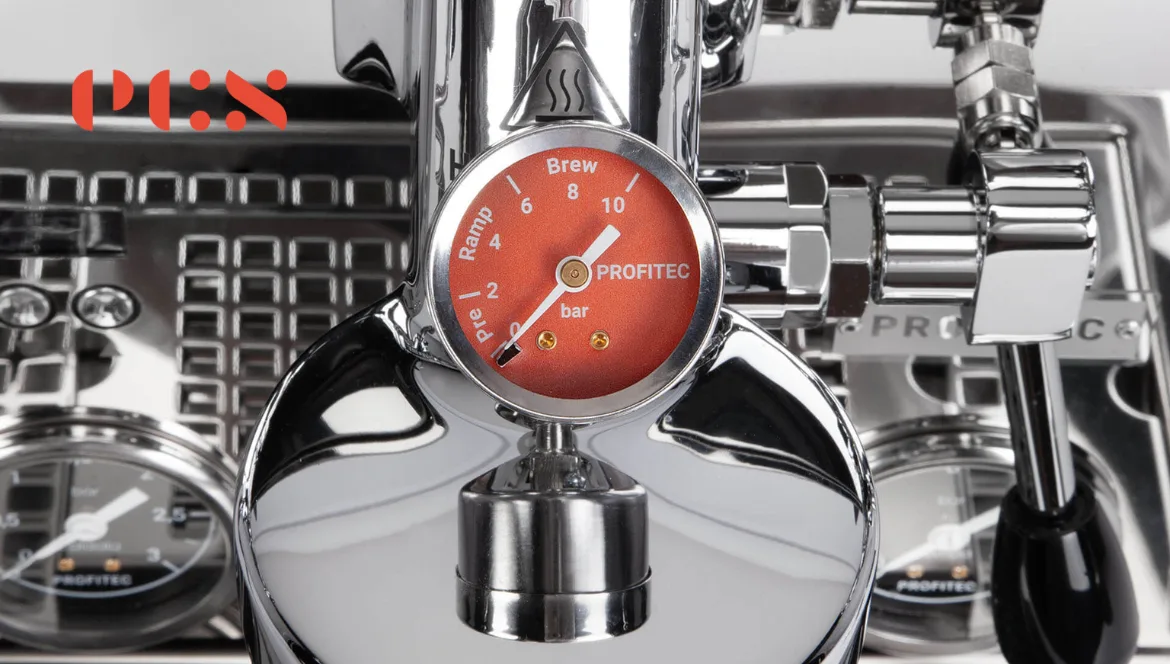 PROFITEC DRIVE: the home machine with professional performance
Drive is the most recent entry in the Profitec household and the evolution of the already highly appreciated Pro 700....Read more
PROFITEC DRIVE: the home machine with professional performance
Drive is the most recent entry in the Profitec household and the evolution of the already highly appreciated Pro 700....Read more -
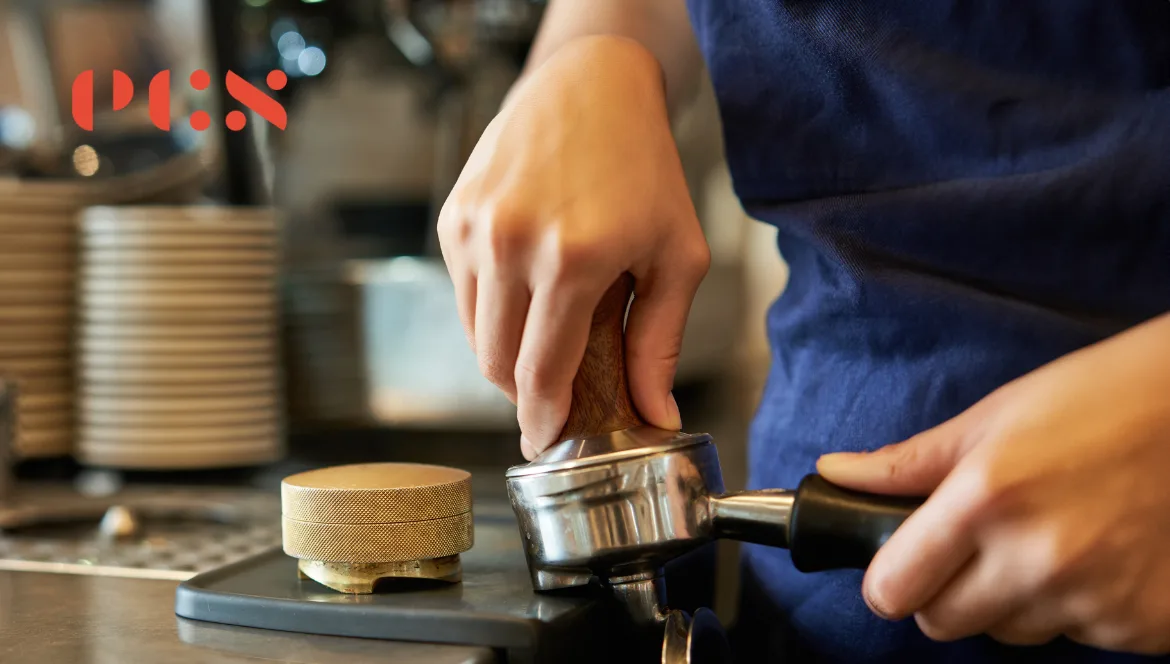 All about a good tamping
To make good coffee, it is important to have the right equipment, quality coffee and not only. It is also necessary...Read more
All about a good tamping
To make good coffee, it is important to have the right equipment, quality coffee and not only. It is also necessary...Read more
Leave a comment