


Espresso pairing is all about finding the right balance between coffee intensity and food flavors. This guide...
Please, visit the correct shop for your location:
International Site


It looks like you are not from the USA,
please visit the correct shop for your location:


 Espresso Machines
Coffee Grinders
Set
Accessories
Coffee
Pour Over
Design Collection
Deals
Best Of Black Friday
Brands
Espresso Machines
Coffee Grinders
Set
Accessories
Coffee
Pour Over
Design Collection
Deals
Best Of Black Friday
Brands
Espresso Coffee Shop
+Assistance and services
+-
 Espresso Pairing Guide: Foods That Complement Your CoffeeRead more09/03/2026
 -
 Coffee Catering Services: Mobile Espresso Solutions for EventsRead more
Coffee catering brings a complete espresso experience directly to weddings, corporate events, private parties, and...
08/27/2026 -
 Coffee Shop Design: Creating the Perfect Espresso Bar LayoutRead more
Designing the perfect coffee shop layout starts with creating an efficient espresso bar workflow. A well-planned...
08/25/2026 -
 Specialty Coffee Trends: Staying Competitive in the Espresso MarketRead more
Specialty coffee trends are transforming the espresso market as consumers increasingly prioritize quality,...
08/25/2026 -
 Espresso Machine Leasing vs Buying: What's Best for Your Business?Read more
Should you lease or buy an espresso machine for your business? This guide compares the costs, benefits, and long-term...
07/14/2026 -
 Espresso and Health: Benefits, Caffeine Content, and Wellness ConsiderationsRead more
Wondering how espresso affects your health? Learn how much caffeine is in a shot, what research says about...
07/14/2026 -
 Espresso Gift Guide: Perfect Presents for Coffee EnthusiastsRead more
Discover practical espresso gift ideas for every budget with this guide from Espresso Coffee Shop USA. From...
07/08/2026 -
 Office Coffee Solutions: Bringing Quality Espresso to the WorkplaceRead more
Create a better workplace coffee experience with the right office coffee solutions. This guide explains how to choose...
07/08/2026 -
 Italian Espresso Bar Etiquette: How to Order Like a LocalRead more
Discover the essential etiquette of an Italian espresso bar, from ordering coffee like a local to understanding when...
07/08/2026 -
 Sustainable Espresso: Eco-Friendly Practices and Equipment for 2026Read more
A sustainable espresso setup combines high-quality coffee with environmentally responsible choices. From durable,...
06/23/2026
Blog categories
Search in blog
Archived posts
Understanding Espresso Grind Size: How It Affects Your Shot Quality
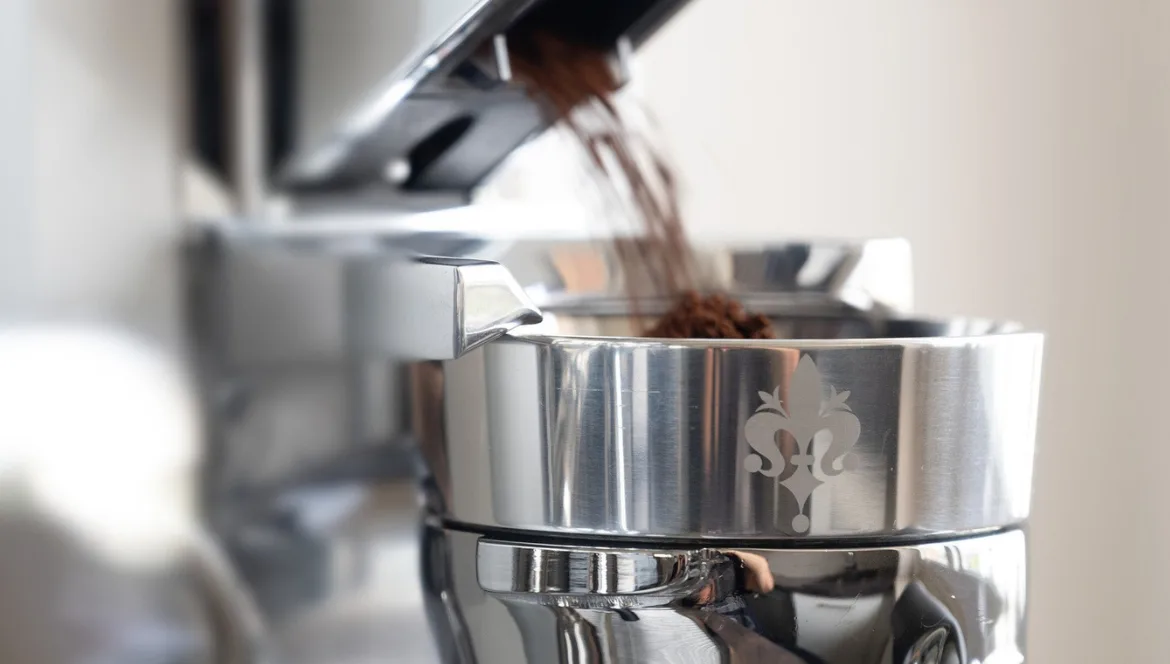
At Espresso Coffee Shop USA, we have spent 25 years helping home baristas, small cafes, and offices build espresso setups that actually perform. If one adjustment separates a great shot from a disappointing one, it is grind size. Get it right, and you get a rich, balanced espresso with a thick layer of crema. Get it wrong, and even a high-end machine will pull a shot that tastes bitter, sour, or watery. This guide breaks down the correct espresso grind size, how to dial it in on the grinder you already own, and which grinders we recommend once you are ready to upgrade to true espresso-level precision.
What Is the Best Grind Size for Espresso?
Grind size controls how fast water moves through the puck, and that speed determines whether your shot is under-extracted, over-extracted, or balanced.
- Too fine: water struggles to pass through, the shot runs long, and the espresso turns bitter and burnt.
- Too coarse: water rushes through, the shot runs short, and the espresso tastes sour and thin.
Just right: a fine, even grind produces a rich, balanced shot with a thick, golden crema.
| Grind Result | Texture | Shot Time | Taste Outcome |
|---|---|---|---|
| Too fine | Powdery, almost flour like | Over 35 seconds | Bitter, burnt, harsh |
| Ideal | Fine, like table salt | 25 to 30 seconds | Balanced, sweet, rich crema |
| Too coarse | Gritty, like sand | Under 20 seconds | Sour, weak, watery |
An uneven grind, with clumps of fine particles mixed into coarser ones, can also cause channeling, where water carves a fast path through the puck instead of extracting evenly. Consistency matters as much as fineness, which is why the grinder you use affects flavor just as much as the espresso machine does.
How to Dial In Your Espresso Grind Size
Use shot time and taste together, not shot time alone. A reliable starting recipe is an 18-gram dose in, yielding 36 grams of espresso out, in 25 to 30 seconds, a 1 to 2 brew ratio that works well across most single-origin and blend espressos.
- If your shot runs fast (under 20 seconds), grind finer.
- If your shot runs slow, over 35 seconds, grind coarser.
- Adjust in small steps and taste after each change. A single click of a stepped grinder, or a fraction of a turn on a stepless one, can shift the whole shot.
- Weigh your dose and your output with a scale rather than guessing by eye. Dose consistency matters as much as grind consistency.
What Grind Setting Should You Use on Your Grinder?
Settings differ by grinder design, so no single number works everywhere. If you are grinding on one of the popular all-purpose grinders below, these ranges are a reasonable starting point, though you should always confirm with a timed shot.
- Baratza Encore (stepped, 40 settings): espresso usually sits near the fine end of the range, often among the lowest five to eight settings. The Encore is a general-purpose grinder, so even its finest setting can't fully match a dedicated espresso grinder.
- Breville Barista Express and Barista Pro (built-in conical burr grinder): espresso typically lands in the lower third of the dial, though the exact number varies by unit and by bean.
If you are on one of these grinders and still fighting inconsistent shots, that is often a sign you have reached the edge of what the grinder can do, not a mistake in your technique. Dedicated espresso grinders use larger, purpose-built burrs that hold a fine, even grind far more precisely. Our lineup includes the Eureka Mignon Specialita, with stepless micrometric adjustment for fine-tuning down to a fraction of a step; the Mahlkonig X64 SD for professional-grade consistency; and the Option-O Lagom Casa for a compact single-dose setup with minimal retention.
Espresso Grind vs Moka Pot and Pour Over Grind
Espresso needs by far the finest grind of the common home brewing methods. Moka pot coffee uses a grind slightly coarser than espresso, closer to fine sand, since the pot brews at lower pressure. Pour over methods need a noticeably coarser, medium grind, closer to coarse sand, because water passes through by gravity rather than pressure. If you switch between brewing methods on the same grinder, adjust the setting every time. Using an espresso grind in a moka pot or a pour-over cone will over-extract and taste harsh.
Pairing the Right Grinder With Your Espresso Machine
- Home setups: a compact machine like the Rocket Appartamento pairs well with the Eureka Mignon Specialita or the Option-O Lagom Casa.
- Offices and small cafes: a heat exchanger machine paired with the Mahlkonig X64 SD delivers volume without sacrificing consistency.
- Beginners: a manual grinder such as the Pietro hand grinder is a low-cost way to learn how grind size feels before investing in an electric burr grinder.
Final Thoughts
Grind size is the single biggest lever you have over your espresso, more than the machine and more than the bean. Start with a fine, table-salt-like grind, use an 18-gram dose in and 36-gram out as your baseline, and adjust in small steps until your shot lands in the 25 to 30 second window and tastes balanced; once that is dialled in on a dedicated espresso grinder, every shot after it becomes far easier to repeat.
Build Your Espresso Setup
- Coffee grinders: browse the full coffee grinder lineup
- Espresso machines: browse semi automatic espresso machines
- Featured grinder: Eureka Mignon Specialita
- Featured grinder: Featured grinder:
Frequently Asked Questions (FAQs)
Q1. What is the best grind size for espresso?
A: A fine grind, close to the texture of table salt. This gives water enough resistance to extract properly within the 25- to 30-second window.
Q2. If my espresso shot pulls too fast, should I grind finer or coarser?
A: Grind finer. A fast shot, under 20 seconds, means water is passing through the puck too easily, and the coffee is under-extracted.
Q3. How many grams of coffee should I use for an espresso shot?
A: A common starting point is an 18-gram dose for about 36 grams of espresso out, a 1 to 2 brew ratio, adjusted to taste from there.
Q4. Does grind size need to change for different beans or roast levels?
A: Yes. Lighter roasts are denser and often need a slightly finer grind, while darker roasts are more porous and often extract well with a slightly coarser setting.
Q5. Is espresso grind fine or coarse compared to moka pot and pour over?
A: Espresso is the finest of the three. Moka pot sits slightly coarser, closer to fine sand, and pour over is coarser still, closer to coarse sand.
Related posts
-
 Understanding Espresso Machines: Single Boiler, Dual Boiler, and Heat Exchanger Models
Choosing the right espresso machine can elevate your coffee experience to new heights. At Espresso Coffee Shop we...Read more
Understanding Espresso Machines: Single Boiler, Dual Boiler, and Heat Exchanger Models
Choosing the right espresso machine can elevate your coffee experience to new heights. At Espresso Coffee Shop we...Read more -
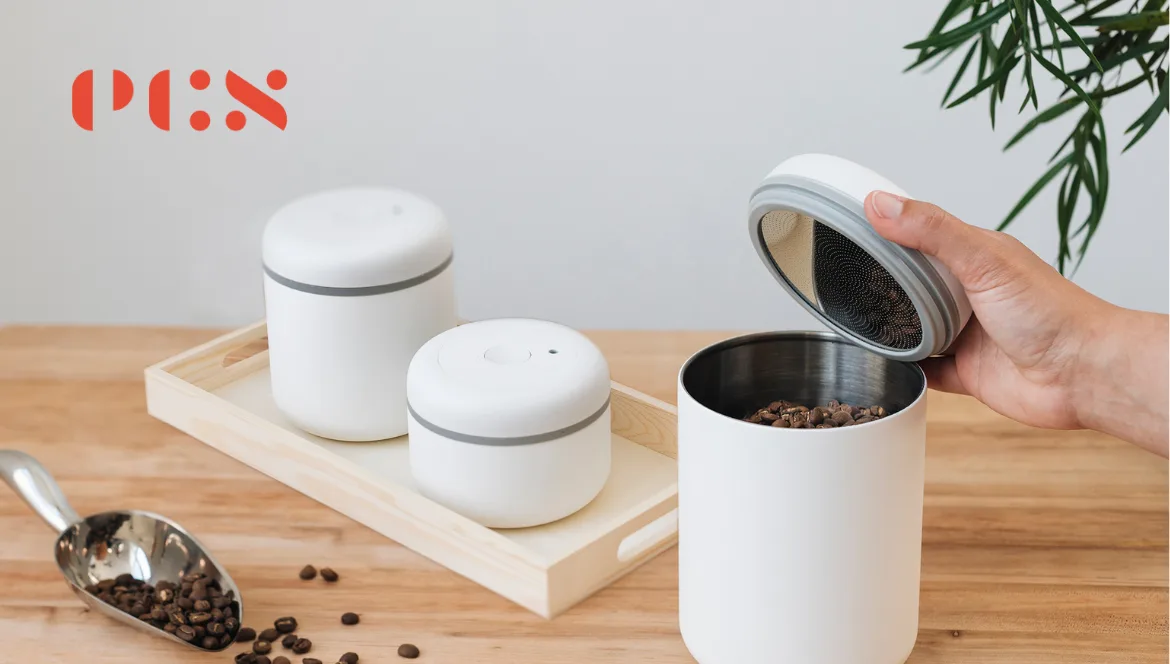 How to properly store coffee
If you, too, are a true coffee enthusiast, meticulously selecting the varieties you like best and eagerly...Read more
How to properly store coffee
If you, too, are a true coffee enthusiast, meticulously selecting the varieties you like best and eagerly...Read more -
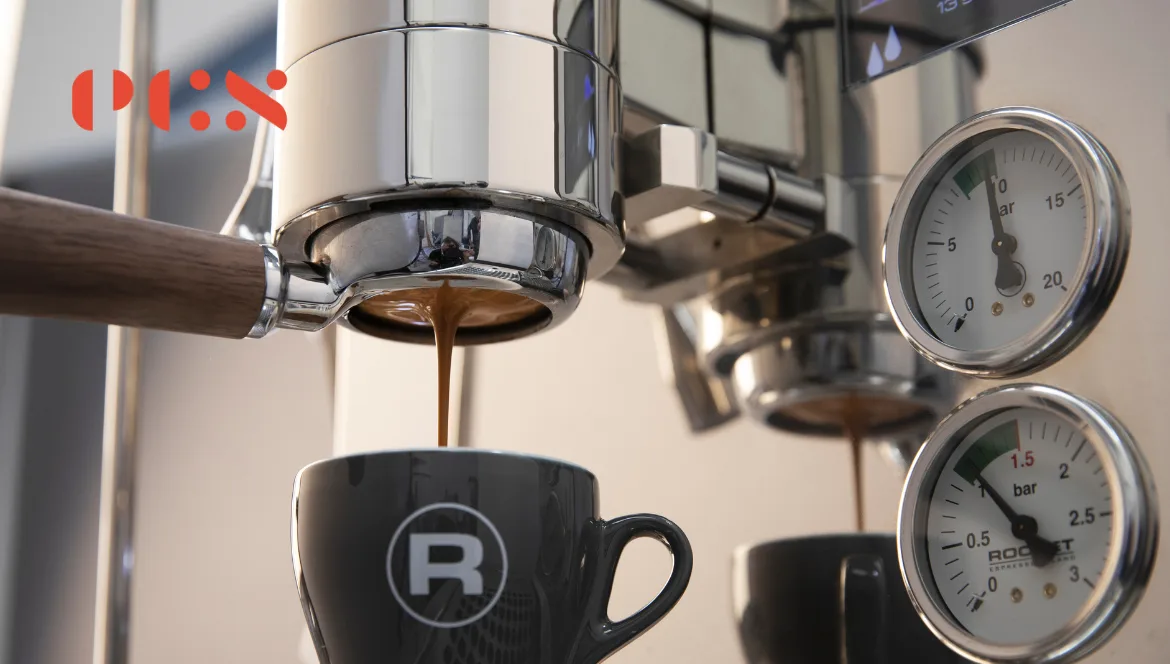 Bottomless portafilter? Here are the aspects to be considered
The search for the perfect espresso is a long road, and there are several tools that can help achieve the perfect...Read more
Bottomless portafilter? Here are the aspects to be considered
The search for the perfect espresso is a long road, and there are several tools that can help achieve the perfect...Read more -
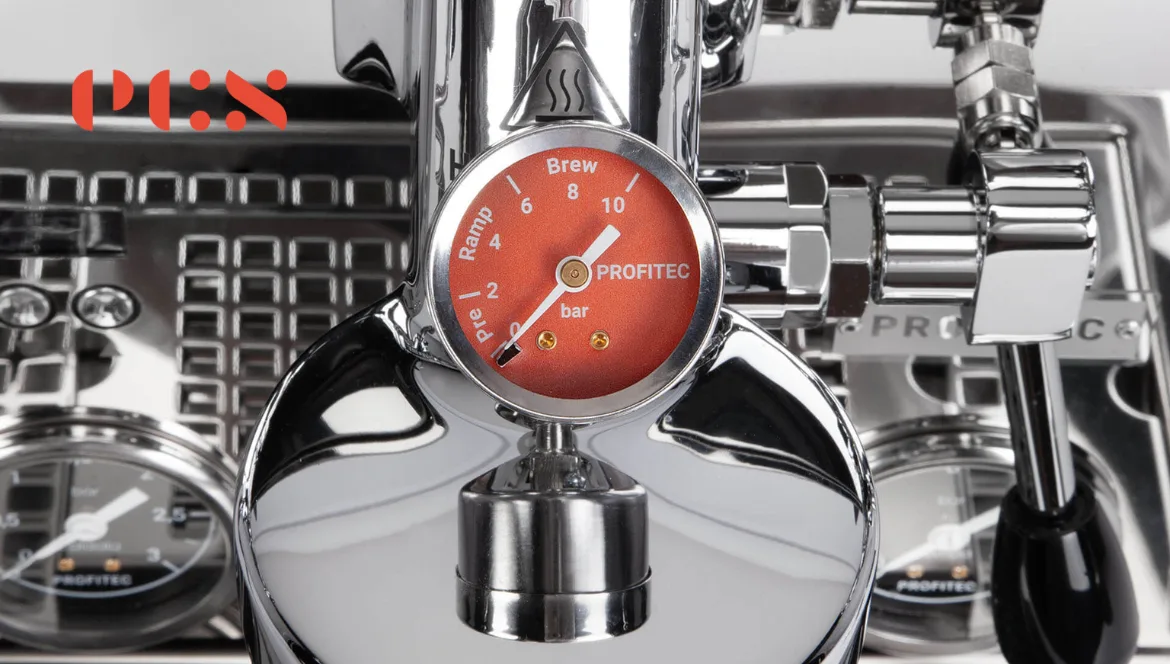 PROFITEC DRIVE: the home machine with professional performance
Drive is the most recent entry in the Profitec household and the evolution of the already highly appreciated Pro 700....Read more
PROFITEC DRIVE: the home machine with professional performance
Drive is the most recent entry in the Profitec household and the evolution of the already highly appreciated Pro 700....Read more -
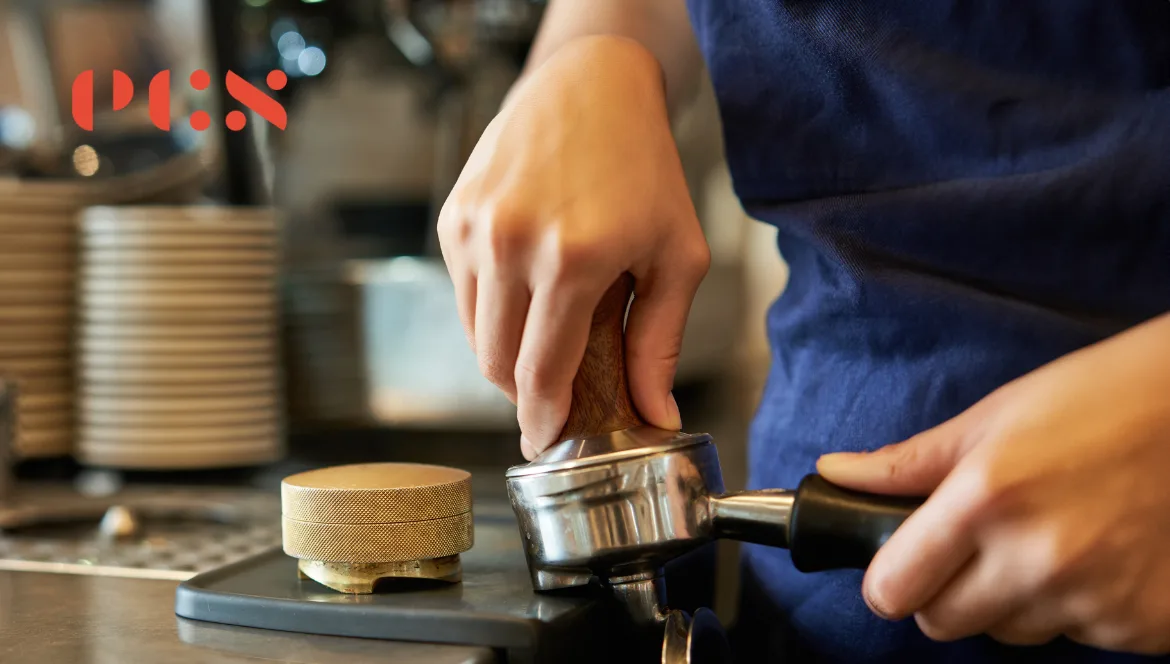 All about a good tamping
To make good coffee, it is important to have the right equipment, quality coffee and not only. It is also necessary...Read more
All about a good tamping
To make good coffee, it is important to have the right equipment, quality coffee and not only. It is also necessary...Read more
Leave a comment