


Espresso pairing is all about finding the right balance between coffee intensity and food flavors. This guide...
Please, visit the correct shop for your location:
International Site


It looks like you are not from the USA,
please visit the correct shop for your location:


 Espresso Machines
Coffee Grinders
Set
Accessories
Coffee
Pour Over
Design Collection
Deals
Best Of Black Friday
Brands
Espresso Coffee Shop
+Assistance and services
+-
 Espresso Pairing Guide: Foods That Complement Your CoffeeRead more08/31/2026
-
 Coffee Catering Services: Mobile Espresso Solutions for EventsRead more
Coffee catering brings a complete espresso experience directly to weddings, corporate events, private parties, and...
08/27/2026 -
 Coffee Shop Design: Creating the Perfect Espresso Bar LayoutRead more
Designing the perfect coffee shop layout starts with creating an efficient espresso bar workflow. A well-planned...
08/25/2026 -
 Specialty Coffee Trends: Staying Competitive in the Espresso MarketRead more
Specialty coffee trends are transforming the espresso market as consumers increasingly prioritize quality,...
08/25/2026 -
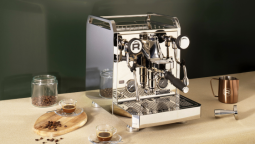 Espresso Machine Leasing vs Buying: What's Best for Your Business?Read more
Should you lease or buy an espresso machine for your business? This guide compares the costs, benefits, and long-term...
07/14/2026 -
 Espresso and Health: Benefits, Caffeine Content, and Wellness ConsiderationsRead more
Wondering how espresso affects your health? Learn how much caffeine is in a shot, what research says about...
07/14/2026 -
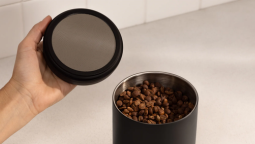 Espresso Gift Guide: Perfect Presents for Coffee EnthusiastsRead more
Discover practical espresso gift ideas for every budget with this guide from Espresso Coffee Shop USA. From...
07/08/2026 -
 Office Coffee Solutions: Bringing Quality Espresso to the WorkplaceRead more
Create a better workplace coffee experience with the right office coffee solutions. This guide explains how to choose...
07/08/2026 -
 Italian Espresso Bar Etiquette: How to Order Like a LocalRead more
Discover the essential etiquette of an Italian espresso bar, from ordering coffee like a local to understanding when...
07/08/2026 -
 Sustainable Espresso: Eco-Friendly Practices and Equipment for 2026Read more
A sustainable espresso setup combines high-quality coffee with environmentally responsible choices. From durable,...
06/23/2026
Blog categories
Search in blog

The Science of Espresso: Understanding Pressure, Temperature, and Extraction
Espresso pressure and temperature shape your shot more than almost any other variable. The short answer: brew at about 9 bars of pressure with water between 195°F and 205°F (90°C to 96°C). Espresso Coffee Shop USA is a New Hampshire-based retailer of Italian espresso machines, grinders, and barista tools for home baristas and café owners across the United States. This guide, refreshed for fall 2026, explains why those numbers work, what happens when they drift, and how your equipment keeps them steady.
What Pressure Is Best for Espresso?
The ideal espresso pressure is around 9 bars at the coffee puck. One bar equals the atmospheric pressure at sea level, so 9 bars is roughly 130 psi. That force pushes water through a dense bed of fine coffee in under 30 seconds and turns coffee oils into crema.
Why Does Espresso Need Pressure?
Finely ground coffee packs so tightly that water will not pass through it by gravity alone. Drip and pour-over brewing use a coarser grind and several minutes of contact time. Espresso trades time for force: pressure speeds extraction, builds body, and creates the thick texture that defines a true shot. A moka pot reaches only about 1 to 2 bars, which is why its coffee is strong but lacks real crema.
Do Higher Bar Numbers Mean Better Espresso?
No. Many machines advertise 15 or 20 bars, but that figure is the pump's maximum, not the brewing pressure. Quality machines use an overpressure valve to hold brew pressure near 9 bars. Push much beyond that, and the puck compresses, flow becomes uneven, and water forces channels through weak spots. Stable pressure and a gentle ramp at the start of the shot matter far more than a big number on the box. If you want to shape pressure during the shot, our guide to pressure profiling and temperature surfing covers the advanced side.
What Is the Ideal Espresso Extraction Temperature?
The ideal espresso extraction temperature is 195°F to 205°F (90°C to 96°C) at the group head. Darker roasts usually taste best near the lower end, while lighter roasts need the upper end to pull out sweetness. Boiling water at 212°F scorches the grounds and should never touch the puck.
How Does Temperature Affect Espresso Taste?
Heat controls how quickly flavor compounds dissolve. Water that is too cool extracts slowly, leaving a sour, thin, sharp shot. Water that is too hot pulls bitter and ashy compounds, leaving a dry finish. A practical approach many baristas use is to change temperature in 2°F steps and taste after each change, keeping grind and dose the same so you know what caused the difference.
Why Temperature Stability Matters More Than the Number
Hitting 200°F once is easy. Hitting it on every shot is the real challenge. Single boiler machines can swing several degrees between shots, which is why some owners use temperature surfing to find the right moment to brew. A PID controller keeps the boiler within about a degree, and heated group heads, such as the E61 design, keep that heat stable where the water meets the coffee. Our comparison of single-boiler, dual-boiler, and heat-exchanger espresso machines explains how each design manages heat.
Is Espresso Served Hot or Cold?
Espresso is always brewed hot and traditionally served hot. It lands in the cup well below brewing temperature and cools quickly in a small cup, so most people drink it within a few minutes. Cold drinks such as iced lattes or an Italian shakerato start with hot brewed espresso that is chilled afterwards, because cold water cannot extract espresso under pressure.
How Do Espresso Pressure and Temperature Work With Extraction?
Extraction is the process of dissolving coffee flavor into water. Acids dissolve first and add brightness, sugars follow and add sweetness, and bitter compounds come last and add depth. Pressure controls how fast water flows, temperature controls how easily compounds dissolve, and grind size controls how much resistance the puck offers.
A reliable starting recipe is 18 grams of coffee in and about 36 grams of espresso out. For timing targets, see our guide to the ideal espresso extraction time. An even puck matters, too, and our espresso tamping guide shows how to prevent channeling.
Your grinder sets the stage for everything else. A precise burr grinder with stepless adjustment, such as the Option-O Lagom Casa coffee grinder, lets you make the small grind changes that keep pressure and flow on target.
| Shot Symptoms | Problem | Solution |
|---|---|---|
| Sour, thin, fast shot | Under extraction | Grind finer or raise temperature 2°F |
| Bitter, dry, slow shot | Over extraction | Grind coarser or lower temperature 2°F |
| Spurting or pale spots on the puck | Channeling | Improve distribution and tamp level |
| Flavor changes shot to shot | Unstable temperature | Use a PID or dual boiler machine |
Which Espresso Machines Offer the Best Temperature Stability and Pressure Control?
Dual-boiler machines with PID control deliver the best temperature stability, and machines with flow control add hands-on pressure control. Separate brewing and steam boilers mean milk drinks never disturb your brew temperature.
The Lelit Bianca V3 dual boiler espresso machine is a strong example. It pairs PID-controlled boilers with a group head flow paddle, so you can soften the start of a shot and watch pressure on the gauge in real time. For more options, browse our dual boiler espresso machines. Heat exchanger models suit busy milk drink routines, and a good single boiler is fine if you mostly drink straight espresso. Compare every option in our full range of home and café espresso machines.
FAQ's
Q: What is a bar of pressure in espresso?
A: One bar equals atmospheric pressure at sea level. Espresso brews at about 9 bars, roughly 130 psi, which is enough force to push water through a tightly packed puck in under 30 seconds.
Q: How hot should water be for espresso?
A: Brew water should sit between 195°F and 205°F (90°C to 96°C). Use the lower end for dark roasts and the upper end for light roasts. Never brew with boiling water.
Q: Does a 15 or 20-bar machine make better espresso?
A: Not necessarily. Those numbers describe maximum pump pressure. Good espresso is brewed near 9 bars, and consistent pressure matters more than a higher rating.
Q: Why is regular testing of espresso extraction important?
A: Beans age, humidity shifts, and grinders drift. Checking dose, yield, shot time, and taste each day helps you catch changes early and keep every cup consistent.
Q: What is the difference between steam driven and pump driven espresso machines?
A: Steam-driven machines rely on boiler pressure and reach only 1 to 2 bars, so they cannot make true espresso. Pump-driven machines generate the 9 bars needed for proper extraction and crema.
Related posts
-
 Understanding Espresso Machines: Single Boiler, Dual Boiler, and Heat Exchanger Models
Choosing the right espresso machine can elevate your coffee experience to new heights. At Espresso Coffee Shop we...Read more
-
 How to properly store coffee
If you, too, are a true coffee enthusiast, meticulously selecting the varieties you like best and eagerly...Read more
-
 Bottomless portafilter? Here are the aspects to be considered
The search for the perfect espresso is a long road, and there are several tools that can help achieve the perfect...Read more
-
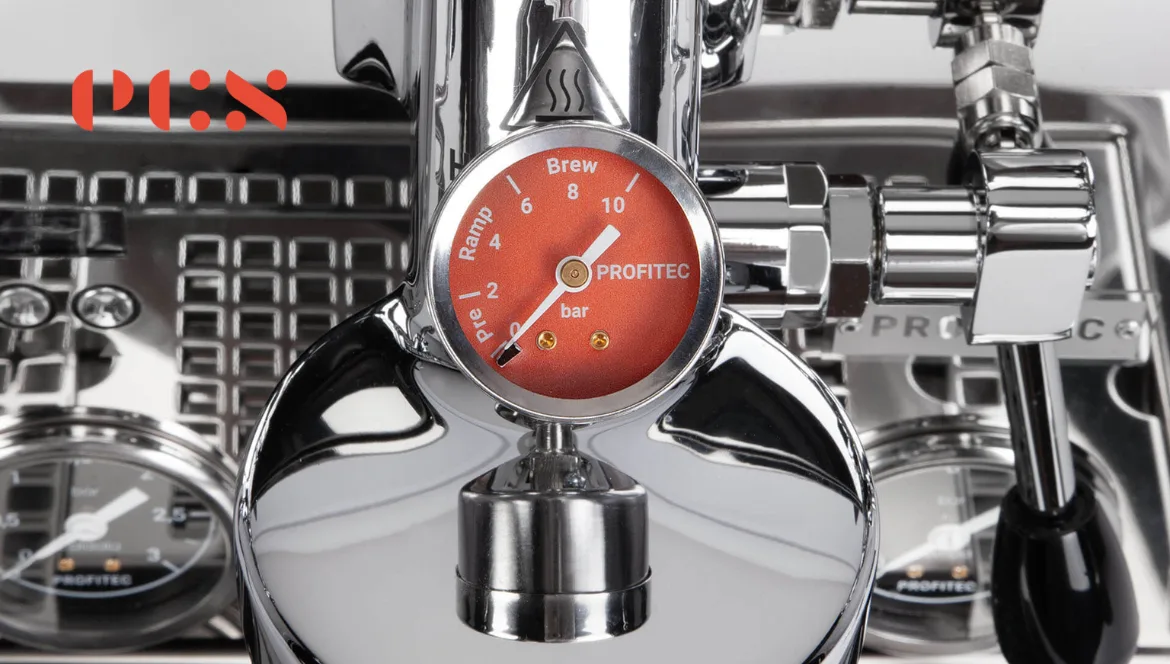 PROFITEC DRIVE: the home machine with professional performance
Drive is the most recent entry in the Profitec household and the evolution of the already highly appreciated Pro 700....Read more
-
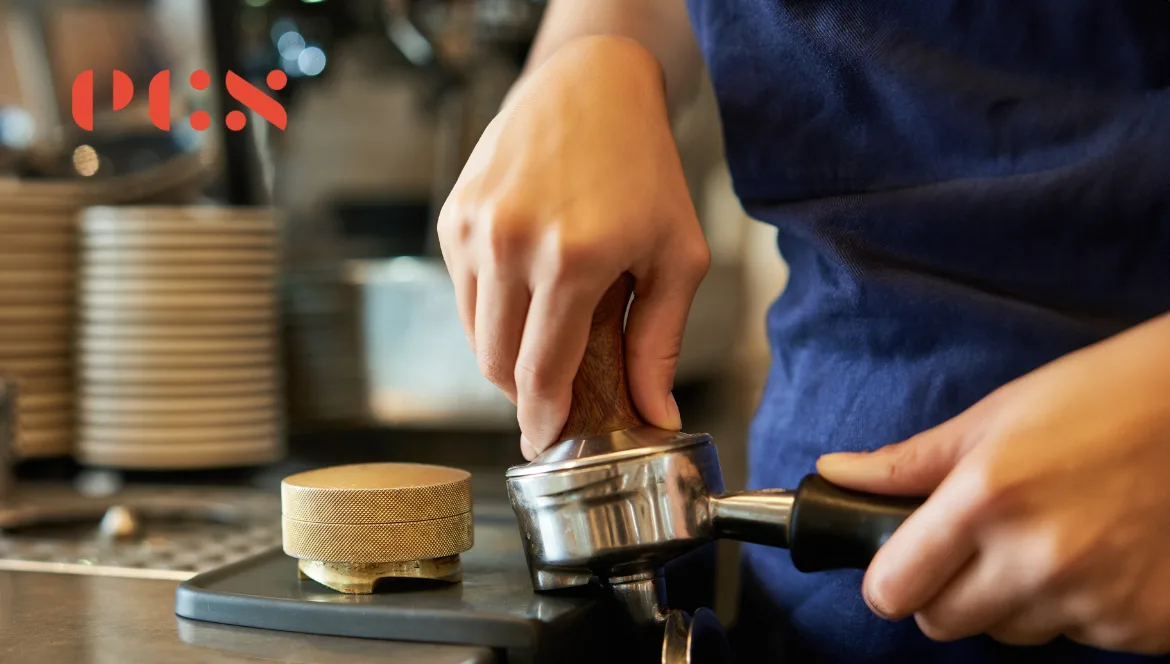 All about a good tamping
To make good coffee, it is important to have the right equipment, quality coffee and not only. It is also necessary...Read more
Leave a comment