


Espresso pairing is all about finding the right balance between coffee intensity and food flavors. This guide...
Please, visit the correct shop for your location:
International Site


It looks like you are not from the USA,
please visit the correct shop for your location:


 Espresso Machines
Coffee Grinders
Set
Accessories
Coffee
Pour Over
Design Collection
Deals
Best Of Black Friday
Brands
Espresso Machines
Coffee Grinders
Set
Accessories
Coffee
Pour Over
Design Collection
Deals
Best Of Black Friday
Brands
Espresso Coffee Shop
+Assistance and services
+-
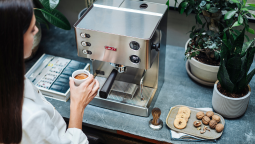 Espresso Pairing Guide: Foods That Complement Your CoffeeRead more08/31/2026
 -
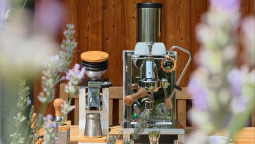 Coffee Catering Services: Mobile Espresso Solutions for EventsRead more
Coffee catering brings a complete espresso experience directly to weddings, corporate events, private parties, and...
08/27/2026 -
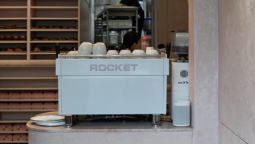 Coffee Shop Design: Creating the Perfect Espresso Bar LayoutRead more
Designing the perfect coffee shop layout starts with creating an efficient espresso bar workflow. A well-planned...
08/25/2026 -
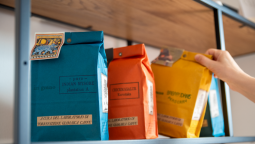 Specialty Coffee Trends: Staying Competitive in the Espresso MarketRead more
Specialty coffee trends are transforming the espresso market as consumers increasingly prioritize quality,...
08/25/2026 -
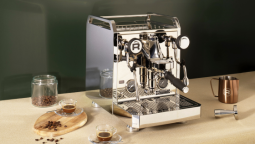 Espresso Machine Leasing vs Buying: What's Best for Your Business?Read more
Should you lease or buy an espresso machine for your business? This guide compares the costs, benefits, and long-term...
07/14/2026 -
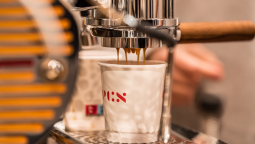 Espresso and Health: Benefits, Caffeine Content, and Wellness ConsiderationsRead more
Wondering how espresso affects your health? Learn how much caffeine is in a shot, what research says about...
07/14/2026 -
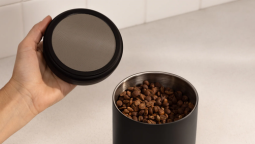 Espresso Gift Guide: Perfect Presents for Coffee EnthusiastsRead more
Discover practical espresso gift ideas for every budget with this guide from Espresso Coffee Shop USA. From...
07/08/2026 -
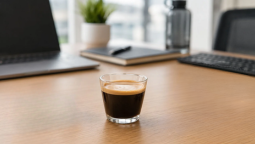 Office Coffee Solutions: Bringing Quality Espresso to the WorkplaceRead more
Create a better workplace coffee experience with the right office coffee solutions. This guide explains how to choose...
07/08/2026 -
 Italian Espresso Bar Etiquette: How to Order Like a LocalRead more
Discover the essential etiquette of an Italian espresso bar, from ordering coffee like a local to understanding when...
07/08/2026 -
 Sustainable Espresso: Eco-Friendly Practices and Equipment for 2026Read more
A sustainable espresso setup combines high-quality coffee with environmentally responsible choices. From durable,...
06/23/2026
Blog categories
Search in blog
Semi-Automatic vs Automatic Espresso Machine: 2026 Buying Guide
At Espresso Coffee Shop USA, we help home baristas and small cafes across the country choose Italian-made espresso equipment, from entry-level machines to commercial setups. One of the questions we hear most in 2026 is whether to buy a semi-automatic or an automatic espresso machine. The right answer depends on how much control you want over your shot and how much time you have each morning.
What Is the Difference Between a Semi-Automatic and an Automatic Espresso Machine?
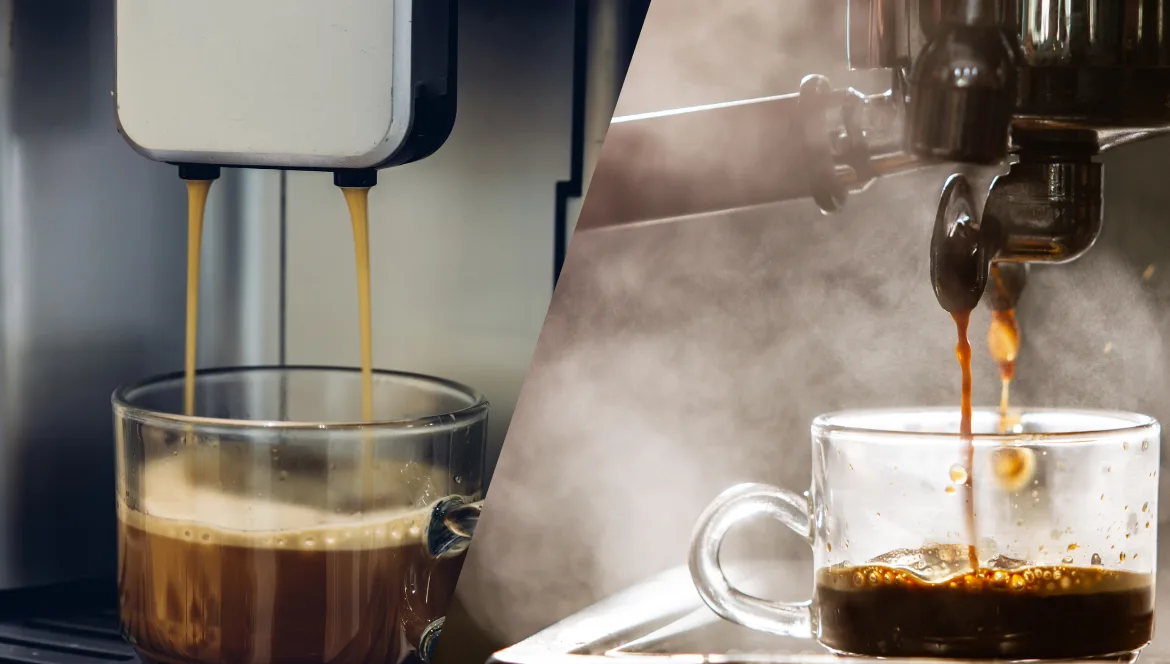
A semi-automatic espresso machine requires you to start and stop the water flow manually, giving you full control over extraction time. An automatic espresso machine, often called a bean-to-cup machine, uses a pre-set dose to stop the shot for you. Both can produce excellent espresso; the difference is who manages the timing, you or the machine.
Who Should Choose a Semi-Automatic Espresso Machine?
Choose a semi-automatic espresso machine if you enjoy adjusting grind size, tamping pressure, and shot length to shape flavor. It rewards practice with a more personalized cup and remains the standard choice among professional baristas.
Semi-automatic machines put the extraction curve in your hands. You control the pull so that you can pull a shorter, more intense ristretto or a longer, milder lungo depending on the bean and your mood. This hands-on approach is why most speciality cafes and serious home enthusiasts still favor semi-automatic setups. The tradeoff is a learning curve: dialling in grind size, dose, and timing takes a few weeks of practice before shots become consistent. Once mastered, though, a semi-automatic machine gives you the widest range of flavor control of any home setup.
Who Should Choose an Automatic Espresso Machine?
Choose an automatic espresso machine if consistency and speed matter more than manual control. It grinds, doses, and stops the shot automatically, which suits busy households, offices, or cafes serving multiple people quickly.
Automatic and bean-to-cup machines remove guesswork. Press a button, and the machine delivers the same shot every time, which is valuable in a busy kitchen or a small office break room where not everyone is a trained barista. Many current automatic models also include built-in grinders and milk systems so that a single machine can produce espresso, cappuccino, and latte drinks without extra equipment. The cost is less creative control: you cannot easily shorten or extend a shot mid-extraction the way you can on a semi-automatic machine.
Semi-Automatic vs Automatic: Which Should You Choose?
Pick a semi-automatic espresso machine if you view coffee making as a craft you want to refine. Pick an automatic espresso machine if you want café-quality espresso with minimal daily effort. Neither option is objectively better; they serve different routines.
If your mornings are unhurried and you enjoy tasting how small adjustments change the cup, a semi-automatic machine will reward that curiosity. If you need reliable espresso on a tight schedule, or you are outfitting a shared kitchen where skill levels vary, an automatic machine removes that variable entirely. Budget also plays a role: semi-automatic machines from brands like Rocket generally offer more upgrade paths over time, while automatic machines bundle the grinder and milk system into one unit, which can simplify a first purchase.
Do You Need a Separate Coffee Grinder?
Semi-automatic machines require a separate coffee grinder, since grind size directly affects extraction quality. Most automatic and bean-to-cup machines include a built-in grinder, though upgrading to a dedicated grinder still improves consistency.
Fresh, evenly ground coffee is the single biggest factor in shot quality on either machine type. A quality burr grinder gives you control over grind size, which affects flow rate, crema, and overall balance in the cup.
Final Thoughts
Whichever you choose, the goal is the same: a smooth, balanced espresso you look forward to each day. A semi-automatic machine puts the controls in your hands; an automatic machine handles them for you. Both, paired with a good grinder and fresh beans, can deliver café-quality results at home or in a small business. Our team offers a free virtual coffee consultation if you want a second opinion on which setup fits your routine before you buy.
FAQ's
Q: What is a semi-automatic espresso machine?
A: A semi-automatic espresso machine is a machine where the user manually starts and stops the water flow through the coffee puck, controlling shot length and strength directly.
Q: What is the difference between automatic and semi-automatic espresso machines?
A: The core difference is who controls shot timing. Semi-automatic machines require the user to stop the extraction manually; automatic machines stop it based on a pre-set volume.
Q: Is a semi-automatic or automatic espresso machine better for beginners?
A: Automatic machines are generally easier for beginners because they remove timing guesswork, while semi-automatic machines take practice to dial in consistently.
Q: Do automatic espresso machines include a grinder?
A: Most automatic and bean-to-cup machines include a built-in burr grinder, while semi-automatic machines typically require a separate grinder for best results.
Q: How often should I clean my espresso machine?
A: Clean the portafilter, group head, and steam wand daily, and descale every few weeks, regardless of whether your machine is semi-automatic or automatic.
Q: Which type is best for a small cafe or office?
A: Automatic espresso machines suit shared or high-traffic settings best because they deliver consistent shots regardless of who operates the machine.
Related posts
-
 Understanding Espresso Machines: Single Boiler, Dual Boiler, and Heat Exchanger Models
Choosing the right espresso machine can elevate your coffee experience to new heights. At Espresso Coffee Shop we...Read more
Understanding Espresso Machines: Single Boiler, Dual Boiler, and Heat Exchanger Models
Choosing the right espresso machine can elevate your coffee experience to new heights. At Espresso Coffee Shop we...Read more -
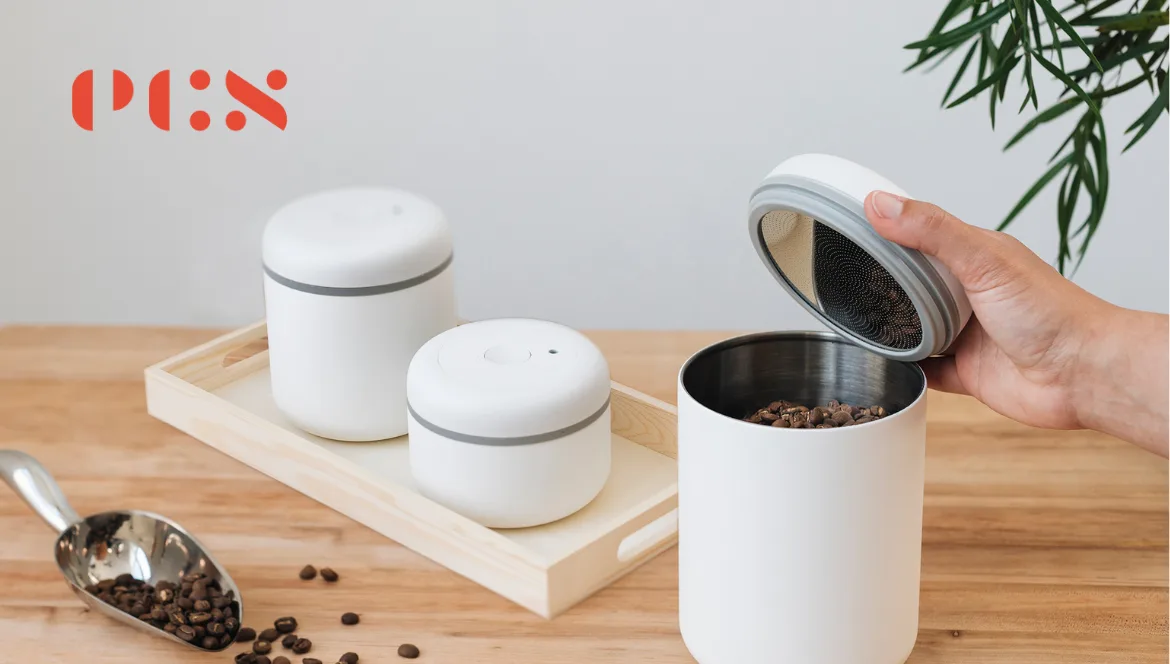 How to properly store coffee
If you, too, are a true coffee enthusiast, meticulously selecting the varieties you like best and eagerly...Read more
How to properly store coffee
If you, too, are a true coffee enthusiast, meticulously selecting the varieties you like best and eagerly...Read more -
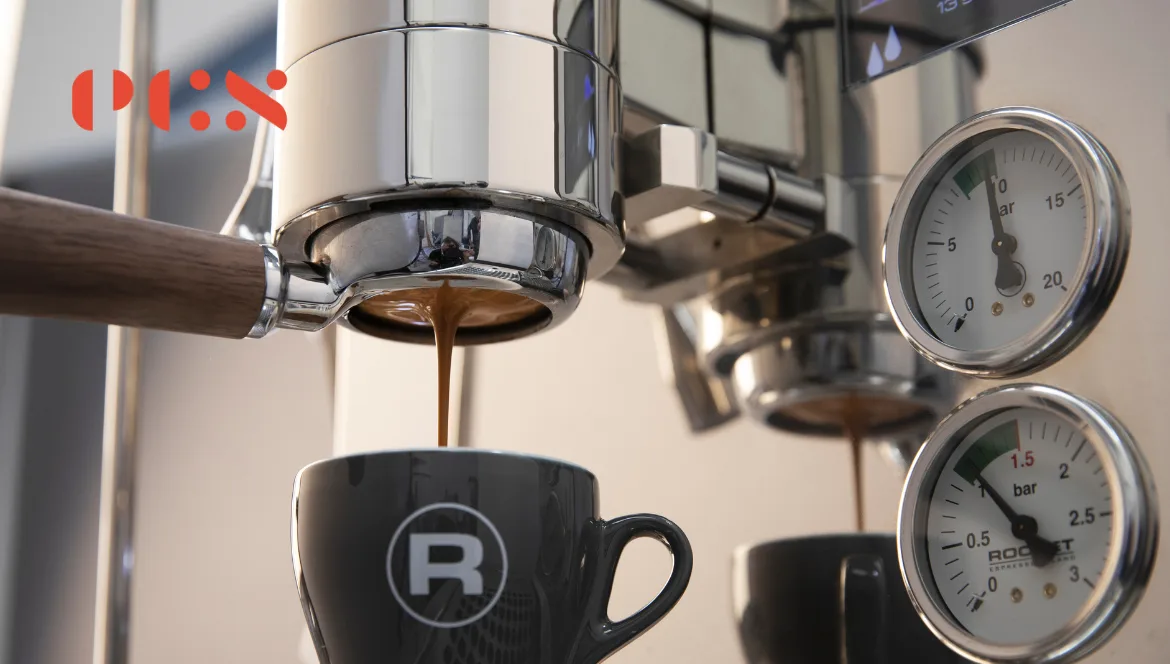 Bottomless portafilter? Here are the aspects to be considered
The search for the perfect espresso is a long road, and there are several tools that can help achieve the perfect...Read more
Bottomless portafilter? Here are the aspects to be considered
The search for the perfect espresso is a long road, and there are several tools that can help achieve the perfect...Read more -
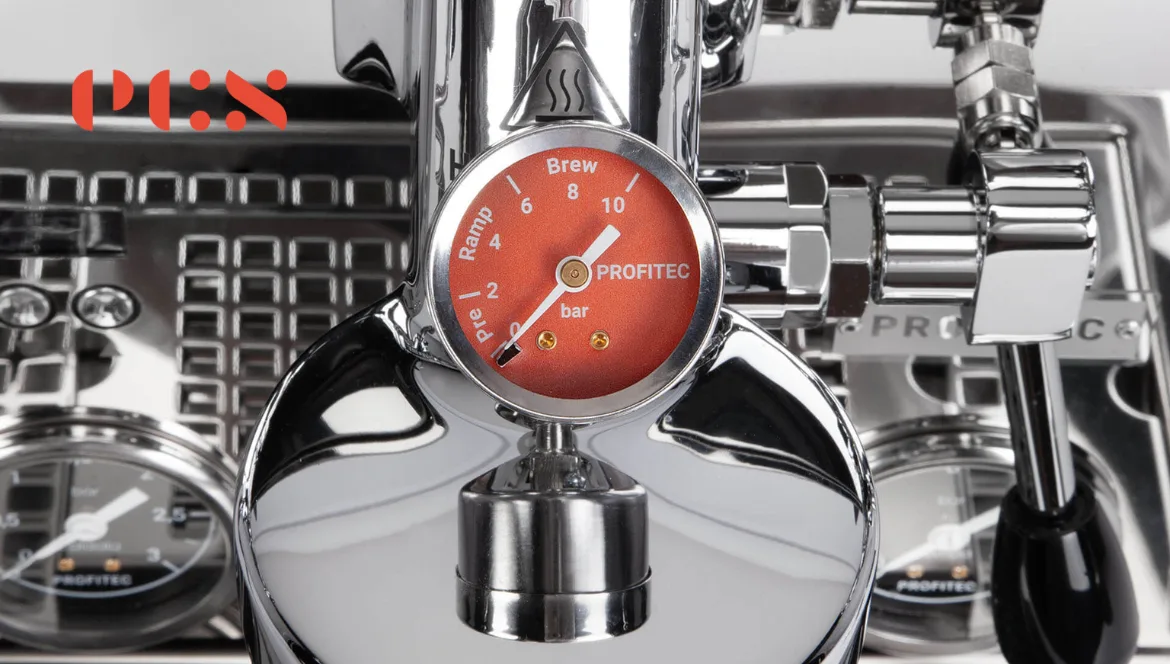 PROFITEC DRIVE: the home machine with professional performance
Drive is the most recent entry in the Profitec household and the evolution of the already highly appreciated Pro 700....Read more
PROFITEC DRIVE: the home machine with professional performance
Drive is the most recent entry in the Profitec household and the evolution of the already highly appreciated Pro 700....Read more -
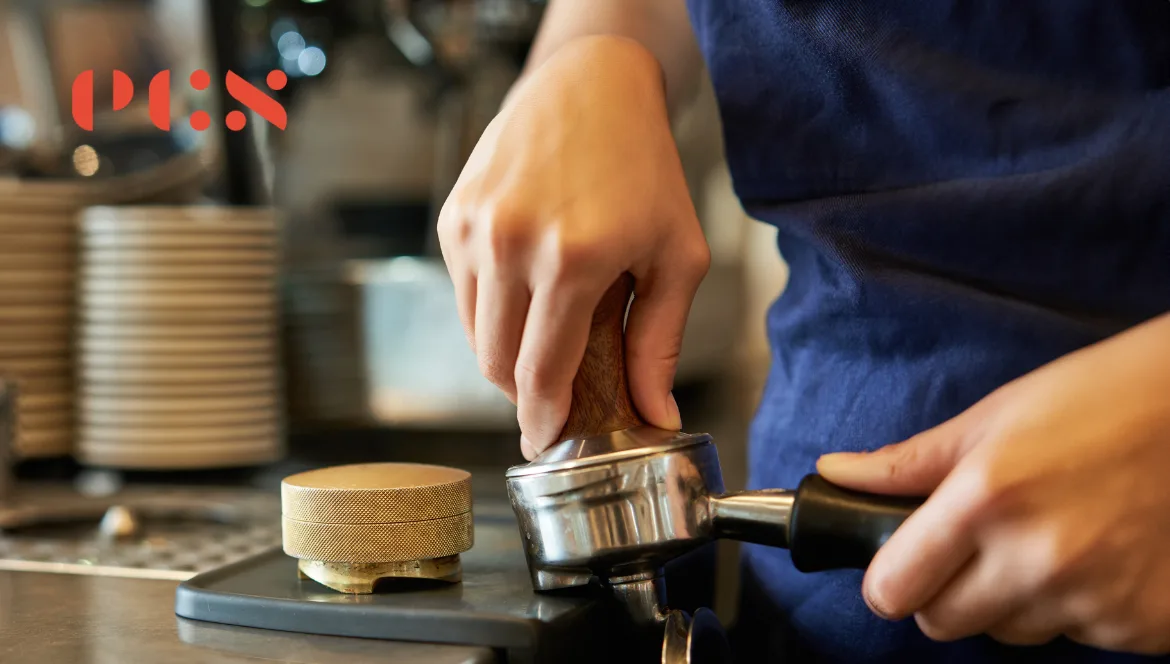 All about a good tamping
To make good coffee, it is important to have the right equipment, quality coffee and not only. It is also necessary...Read more
All about a good tamping
To make good coffee, it is important to have the right equipment, quality coffee and not only. It is also necessary...Read more
Leave a comment