


Espresso pairing is all about finding the right balance between coffee intensity and food flavors. This guide...
Please, visit the correct shop for your location:
International Site


It looks like you are not from the USA,
please visit the correct shop for your location:


 Espresso Machines
Coffee Grinders
Set
Accessories
Coffee
Pour Over
Design Collection
Deals
Best Of Black Friday
Brands
Espresso Machines
Coffee Grinders
Set
Accessories
Coffee
Pour Over
Design Collection
Deals
Best Of Black Friday
Brands
Espresso Coffee Shop
+Assistance and services
+-
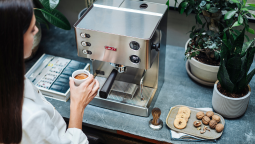 Espresso Pairing Guide: Foods That Complement Your CoffeeRead more09/03/2026
 -
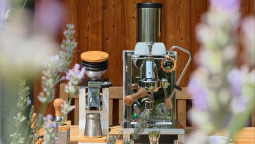 Coffee Catering Services: Mobile Espresso Solutions for EventsRead more
Coffee catering brings a complete espresso experience directly to weddings, corporate events, private parties, and...
08/27/2026 -
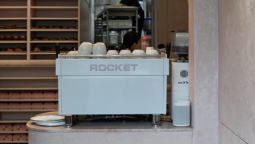 Coffee Shop Design: Creating the Perfect Espresso Bar LayoutRead more
Designing the perfect coffee shop layout starts with creating an efficient espresso bar workflow. A well-planned...
08/25/2026 -
 Specialty Coffee Trends: Staying Competitive in the Espresso MarketRead more
Specialty coffee trends are transforming the espresso market as consumers increasingly prioritize quality,...
08/25/2026 -
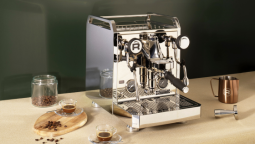 Espresso Machine Leasing vs Buying: What's Best for Your Business?Read more
Should you lease or buy an espresso machine for your business? This guide compares the costs, benefits, and long-term...
07/14/2026 -
 Espresso and Health: Benefits, Caffeine Content, and Wellness ConsiderationsRead more
Wondering how espresso affects your health? Learn how much caffeine is in a shot, what research says about...
07/14/2026 -
 Espresso Gift Guide: Perfect Presents for Coffee EnthusiastsRead more
Discover practical espresso gift ideas for every budget with this guide from Espresso Coffee Shop USA. From...
07/08/2026 -
 Office Coffee Solutions: Bringing Quality Espresso to the WorkplaceRead more
Create a better workplace coffee experience with the right office coffee solutions. This guide explains how to choose...
07/08/2026 -
 Italian Espresso Bar Etiquette: How to Order Like a LocalRead more
Discover the essential etiquette of an Italian espresso bar, from ordering coffee like a local to understanding when...
07/08/2026 -
 Sustainable Espresso: Eco-Friendly Practices and Equipment for 2026Read more
A sustainable espresso setup combines high-quality coffee with environmentally responsible choices. From durable,...
06/23/2026
Blog categories
Search in blog
Archived posts
The Art of Espresso Tamping: Pressure, Technique, and Consistency
In espresso brewing, even the smallest step can make a big difference. And one of the most underrated yet crucial steps is tamping.
Proper tamping ensures that hot water flows evenly through the coffee grounds — extracting the perfect balance of flavor, aroma, and crema. Whether you’re using a professional espresso machine or a home espresso maker, mastering tamping is key to pulling a consistent, rich espresso shot every time.
Let’s explore how tamping pressure, technique, and consistency come together to perfect your brew.
What Is Espresso Tamping?
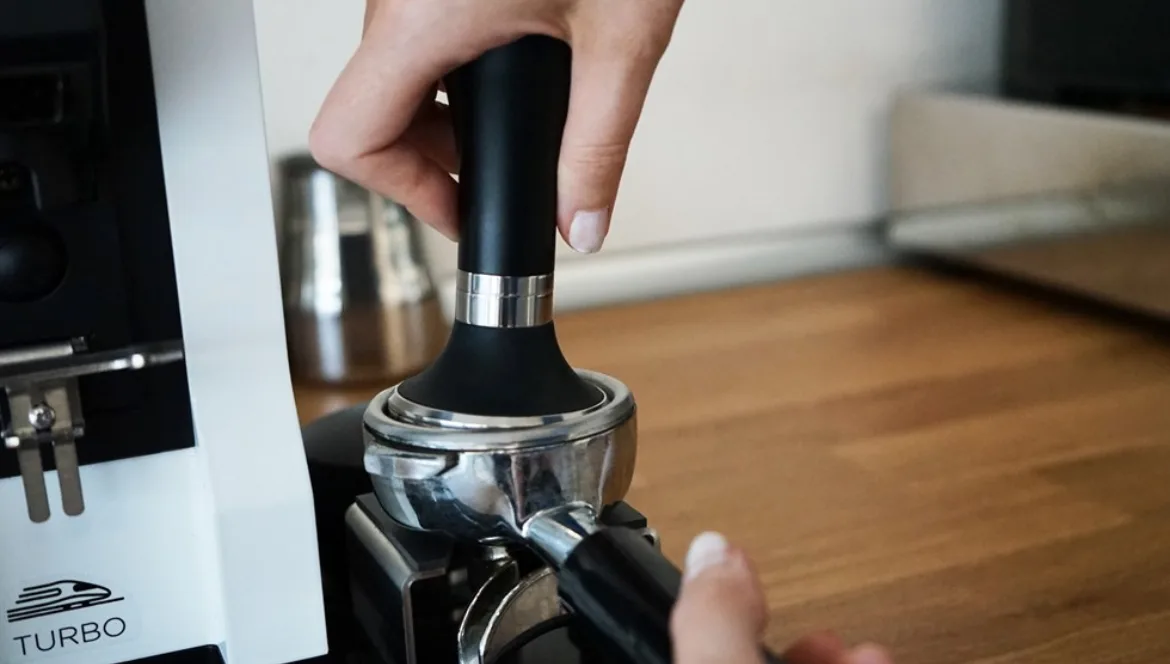
Tamping is the process of compressing ground coffee in the portafilter basket using a coffee tamper.
The goal? To create a uniform, compact coffee puck that resists water pressure evenly during extraction. This prevents “channeling,” where water finds weak spots in the puck and flows through unevenly — causing under-extraction and a watery shot.
A properly tamped puck acts like a filter: dense enough to control flow, yet permeable enough to extract oils, sweetness, and body.
The Science Behind Tamping Pressure
Espresso machines typically brew at around 9 bars of pressure — roughly 130 psi. Your tamp doesn’t need to match that force; it just needs to create an even, solid bed of coffee.
Ideal tamp pressure: about 25–30 pounds of force.
- Too little pressure – water flows too fast, resulting in sour, weak espresso.
- Too much pressure – compacted puck, slow flow, and bitter espresso.
Consistency matters more than brute strength. The key is to apply the same pressure every time, ensuring predictable results from shot to shot.
Step-by-Step: How to Tamp Espresso Like a Barista
- Distribute the Grounds Evenly: Before tamping, shake or use a distribution tool to level the grounds in the portafilter. This eliminates air pockets and helps ensure uniform extraction.
- Hold the Tamper Properly: Grip your coffee tamper like a doorknob — thumb and index finger around the base for control. Keep your wrist and elbow aligned at 90° above the portafilter.
- Apply Even Pressure: Press down firmly (around 25–30 lbs of pressure) while keeping the tamper level. Uneven tamping creates sloped surfaces that encourage channelling.
- Polish the Puck: After tamping, give a slight twist (without extra pressure) to smooth the surface and seal the edges. The puck should look flat, shiny, and compact.
- Clean and Lock: Wipe any loose grounds from the rim before inserting the portafilter into your espresso machine. This ensures a tight seal and prevents leakage.
Common Tamping Mistakes (and How to Fix Them)
- Uneven tamping: Causes one side to extract faster.
Fix: Use a flat, level surface and apply steady downward pressure. - Over-tamping: Slows down water flow and makes shots bitter.
Fix: Use consistent, moderate force — don’t overdo it. - Skipping distribution: Leaves air pockets, leading to uneven shots.
Fix: Always level your grounds before tamping. - Using the wrong tamper size: Too small or too big won’t compress evenly.
Fix: Match tamper size to your portafilter (commonly 58mm for most espresso machines).
Choosing the Right Coffee Tamper
A high-quality coffee tamper gives you precision, comfort, and consistency. Here are a few options baristas swear by:
- Calibrated tampers – Spring-loaded designs click when you reach the right pressure (great for beginners).
- Flat base tampers – Most common and reliable choice for even compression.
- Convex tampers – Slight curve to reduce edge channelling on certain espresso baskets.
If you’re using machines like Rocket Appartamento, Lelit Bianca, and grinders like the Eureka Mignon Specialita, invest in a solid 58mm stainless-steel tamper for the best fit and control.
The Role of Consistency in Tamping
Consistency is the hallmark of great espresso. If your grind, dose, and tamp vary each time, your results will too.
Professional baristas rely on routine and repetition — same dose, same tamp pressure, same timing. You can replicate this at home by:
- Using a digital scale to measure the coffee dose.
- Practicing tamping on a bathroom scale to feel 30 lbs of pressure.
- Keeping your portafilter flat while tamping — use a tamping mat for stability.
Once your tamping becomes second nature, every espresso shot will taste consistently balanced and flavorful.
Tools That Improve Tamping and Extraction
If you’re serious about espresso, pair your coffee tamper with tools that enhance precision:
- Coffee distribution tool: Ensures even coffee bed before tamping.
- Tamping station: Keeps your portafilter steady and prevents wrist strain.
- Espresso leveler: Helps flatten and polish grounds before tamping.
These accessories make a huge difference, especially if you’re using a semi-automatic espresso machine or dialing in grind settings on an espresso grinder like Eureka Mignon or Mahlkönig.
How Tamping Impacts Flavor
When tamping is done correctly, you’ll notice:
- Thicker crema
- Balanced sweetness and acidity
- Smooth, full-bodied mouthfeel
- Consistent shot times (25–30 seconds)
Improper tamping, on the other hand, results in uneven flow — producing shots that are sour, bitter, or both.
Final Thoughts
Tamping might seem like a small step in espresso brewing, but it’s one of the most important.
With the right coffee tamper, proper technique, and consistent pressure, you can transform your espresso shots from average to exceptional — no matter what espresso machine you use.
So next time you brew, remember:
- Even distribution
- Steady 30 lbs pressure
- Level surface
Master the art of tamping, and every espresso you pull will taste like it came straight from an Italian café.
Frequently Asked Questions (FAQs)
Q1. Why is tamping important in espresso brewing?
Tamping compresses the coffee grounds evenly, ensuring uniform water flow and balanced extraction.
Q2. How much pressure should I use while tamping?
Apply around 25–30 pounds of pressure for optimal results. The goal is consistency, not excessive force.
Q3. What happens if I tamp unevenly?
Uneven tamping causes water to channel through weak spots, leading to sour or bitter espresso.
Q4. Do I need a calibrated tamper?
A calibrated tamper helps beginners apply consistent pressure. It’s especially useful for ensuring even tamping every time.
Q5. How often should I replace my coffee tamper?
High-quality stainless steel tampers last for years. Replace only if it becomes loose, unbalanced, or damaged.
Related posts
-
 Understanding Espresso Machines: Single Boiler, Dual Boiler, and Heat Exchanger Models
Choosing the right espresso machine can elevate your coffee experience to new heights. At Espresso Coffee Shop we...Read more
Understanding Espresso Machines: Single Boiler, Dual Boiler, and Heat Exchanger Models
Choosing the right espresso machine can elevate your coffee experience to new heights. At Espresso Coffee Shop we...Read more -
 How to properly store coffee
If you, too, are a true coffee enthusiast, meticulously selecting the varieties you like best and eagerly...Read more
How to properly store coffee
If you, too, are a true coffee enthusiast, meticulously selecting the varieties you like best and eagerly...Read more -
 Bottomless portafilter? Here are the aspects to be considered
The search for the perfect espresso is a long road, and there are several tools that can help achieve the perfect...Read more
Bottomless portafilter? Here are the aspects to be considered
The search for the perfect espresso is a long road, and there are several tools that can help achieve the perfect...Read more -
 PROFITEC DRIVE: the home machine with professional performance
Drive is the most recent entry in the Profitec household and the evolution of the already highly appreciated Pro 700....Read more
PROFITEC DRIVE: the home machine with professional performance
Drive is the most recent entry in the Profitec household and the evolution of the already highly appreciated Pro 700....Read more -
 All about a good tamping
To make good coffee, it is important to have the right equipment, quality coffee and not only. It is also necessary...Read more
All about a good tamping
To make good coffee, it is important to have the right equipment, quality coffee and not only. It is also necessary...Read more
Leave a comment