




Grind size is one of the biggest factors behind a great espresso shot. This guide explains how grind size affects...
-
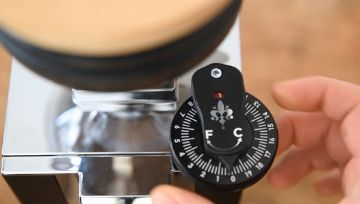 How Grind Size Affects Espresso ExtractionRead more11/06/2026
-
 Espresso Machine Water Testing: How Often Should You Test Your Water?Read more
Wondering how often you should test your espresso machine water? This guide explains when to test at installation...
10/28/2026 -
 How to Steam Milk with a Steam Wand: Step-by-StepRead more
Learn how to steam milk with a steam wand for smooth, glossy microfoam. This guide covers the step-by-step...
10/17/2026 -
 The Art of Italian Coffee Roasting: Traditional Methods and Modern InnovationRead more
Italian coffee roasting blends slow drum craft with modern precision. Discover how direct flame roasting, regional...
10/14/2026 -
 Training Your Staff: Essential Barista Skills for Commercial SuccessRead more
The commercial espresso machine you buy decides how many customers you can serve during a rush and how much...
09/29/2026 -
 Espresso vs Pour-Over: Which Is Right for You?Read more
Espresso or pour-over? The difference comes down to pressure versus gravity, and it shapes flavour, caffeine and the...
09/25/2026 -
 Famous Italian Espresso Machine Manufacturers: La Pavoni, Gaggia, and MoreRead more
Compare La Pavoni, Gaggia, Rocket Espresso, and La Marzocco to find the best Italian espresso machine for your...
09/24/2026 -
 How to Choose an Espresso Machine: Complete Buying GuideRead more
Choosing the right espresso machine starts with understanding your budget, coffee preferences, and daily brewing...
09/23/2026 -
 Coffee Catering Services: Mobile Espresso Solutions for EventsRead more
Coffee catering brings a working espresso bar to any event, from weddings to corporate meetings. This guide explains...
08/29/2026 -
 Coffee Shop Design: Creating the Perfect Espresso Bar LayoutRead more
A smooth espresso bar starts with smart layout decisions. This guide explains the workflow triangle that connects...
08/27/2026
Blog categories
Search in blog
Archived posts
Flat or conical burrs? That is the question
The coffee grinder is among the most important equipment for any barista and home barista. When it comes to choosing a coffee grinder we have many options to consider, but the main feature we need to evaluate is the real core: the burrs.
There are two main categories on the market: flat or conical.
Let's see here the most important differences and how the choice can change the final result.
Both flat and conical burrs are made of two parts, the upper stationary and the lower part that moves.
Flat ones are both the same shape and size while conical burrs have the lower moving part in the shape of a truncated cone that rotates inside the hollow upper burr due to the driveshaft.
Let's look at the main differences in detail.
FLAT BURRS

Flat burrs are mostly used because they are cheaper and have an easier maintenance and replacement process even for an unskilled user. They are distinguished by flat shape and the parallel alignment.
As they have less cutting surface and release the ground coffee by centrifugal force, flat burrs spin at a higher speed (900-1400 rpm). However, more speed also means more heat, and this is definitely a drawback. In fact, this overheats the coffee before extraction.
Flat burrs are cheaper however they also have a shorter lifespan; they should be replaced after grinding about 300-400 kg of coffee. This rate also varies depending on the type of coffee.
One selling point is the greater precision. The driveshaft that moves the flat burrs is more aligned than in the conical ones; we refer to hundredths of a millimeter of misalignment, but this helps to produce a finer, more homogeneous grind with flat burrs.
CONICAL BURRS

As illustrated in the picture, the conical burrs are formed by a truncated shape part that rotates inside the stationary hollow upper one. The ground coffee falls by gravity from the top down between the space within the two burrs.
With a larger cutting surface, they manage to grind the same coffee as flat burrs while spinning at lower speed (about 350-500 rpm). As anticipated, this stresses the coffee less and generates reduced overheating, thus preserving oils and flavors.
Conical burrs are more expensive than flat ones but this is balanced by a longer lifespan requiring replacement after about 900-1000 kg of ground coffee.
Finally, conical burrs are commonly considered less precise resulting in multimodal grinding, this meaning coarser and finer particles all together.
The most popular materials for both types are steel, titanium and ceramic.
On our site you can find several coffee grinders with flat grinds, from the brand new EK OMNIA, to the Eureka Mignon Single Dose and many more.
With conical grinds and a diameter of 40 mm there is Fellow Opus instead.
To sum up, whichever type of burrs you prefer for your coffee grinder, it is essential to replace them regularly because the more worn burrs you use, the more your coffee will be heated before extraction, and that is never a good idea!
Related posts
-
 Understanding Espresso Machines: Single Boiler, Dual Boiler, and Heat Exchanger Models
Choosing the right espresso machine can elevate your coffee experience to new heights. At Espresso Coffee Shop we...Read more
-
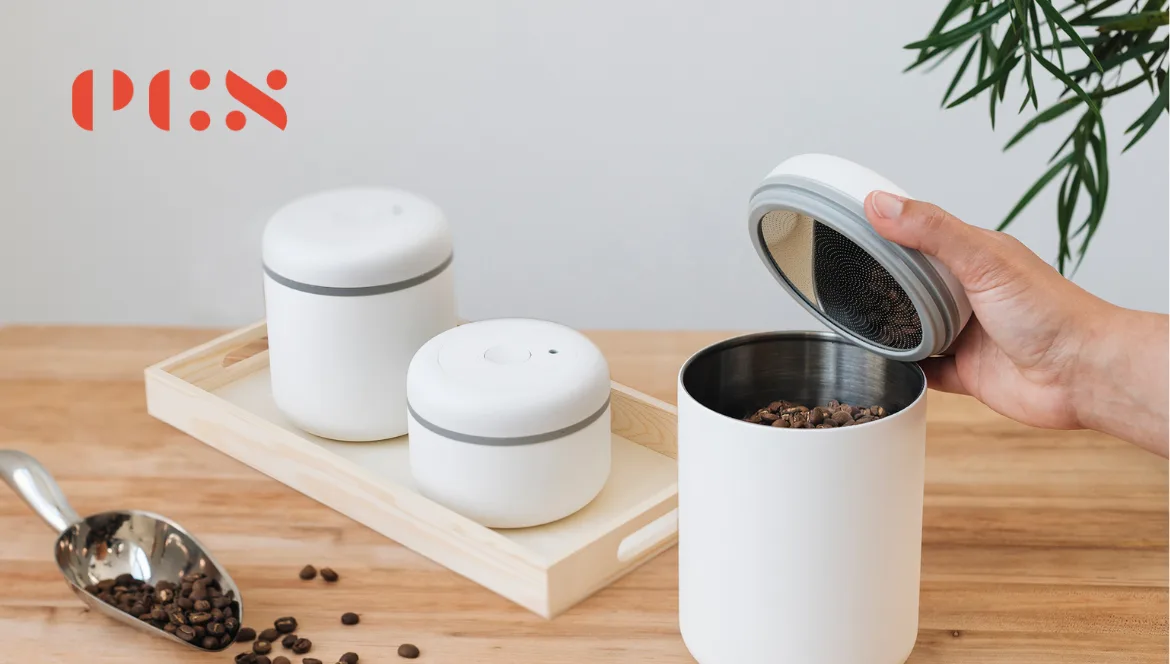 How to properly store coffee
If you, too, are a true coffee enthusiast, meticulously selecting the varieties you like best and eagerly...Read more
-
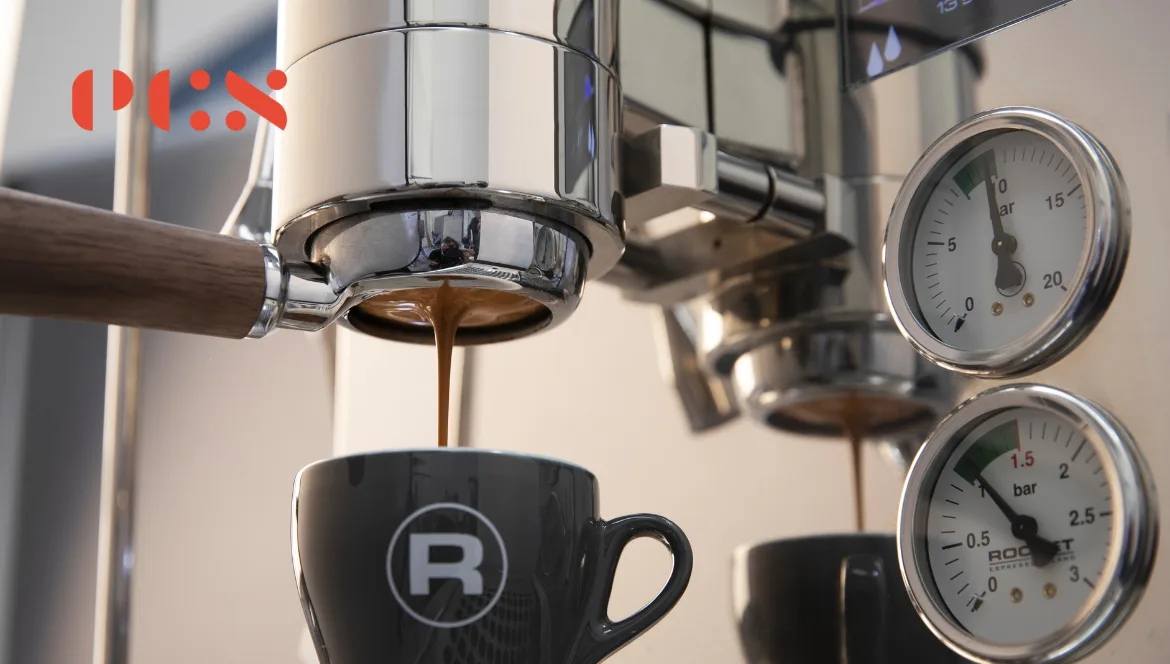 Bottomless portafilter? Here are the aspects to be considered
The search for the perfect espresso is a long road, and there are several tools that can help achieve the perfect...Read more
-
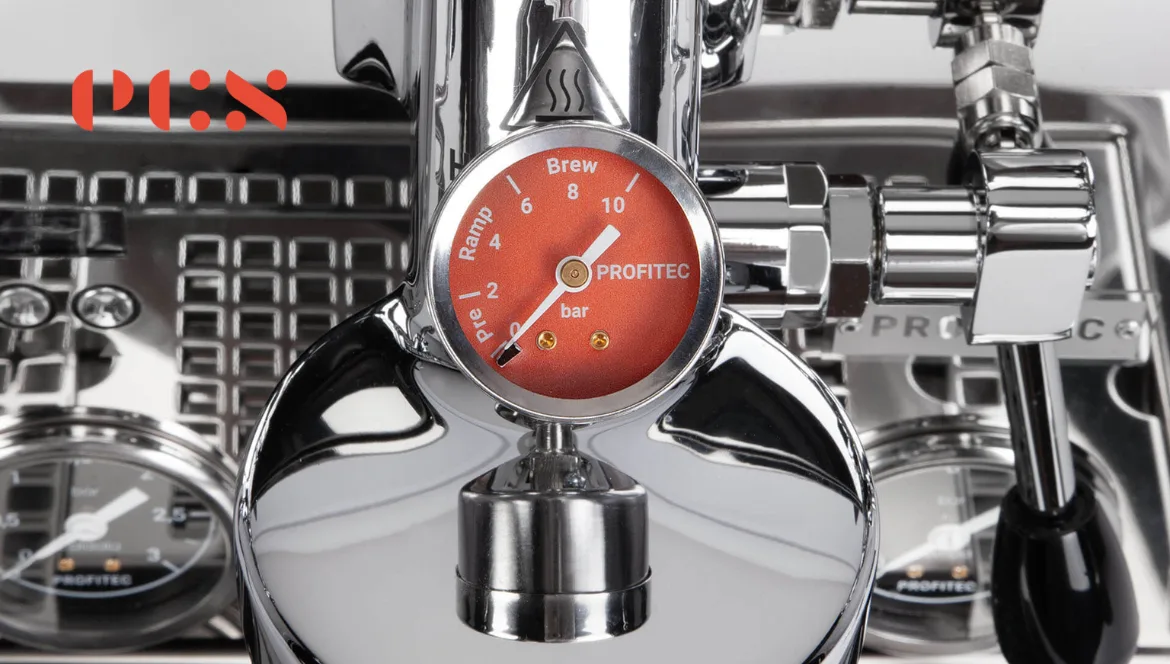 PROFITEC DRIVE: the home machine with professional performance
Drive is the most recent entry in the Profitec household and the evolution of the already highly appreciated Pro 700....Read more
-
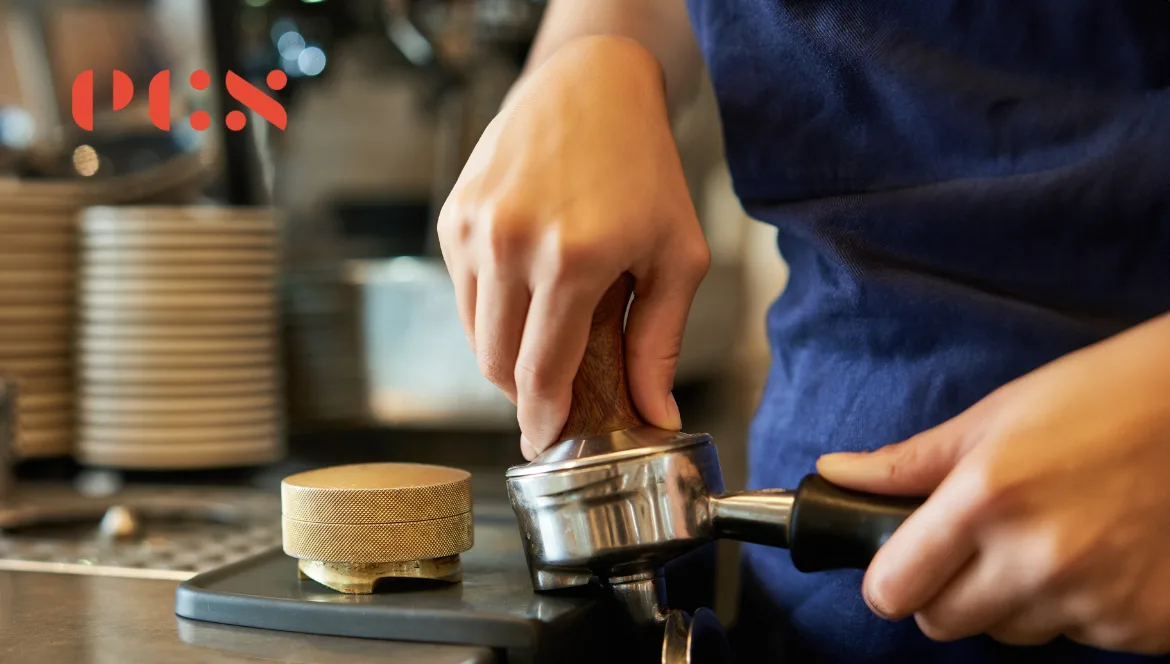 All about a good tamping
To make good coffee, it is important to have the right equipment, quality coffee and not only. It is also necessary...Read more
Leave a comment