


A clear explanation of espresso vs coffee, covering brewing methods, taste, caffeine, and lifestyle differences to...
Please, visit the correct shop for your location:
International Site


It looks like you are not from the USA,
please visit the correct shop for your location:
-
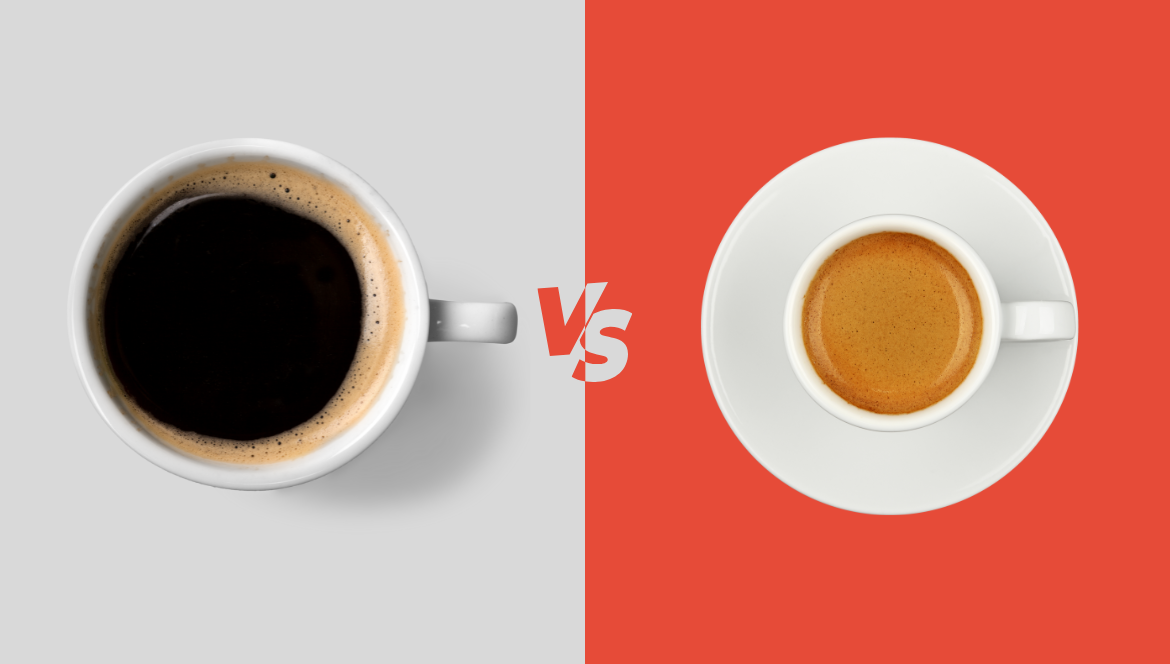 Espresso vs Coffee: Understanding the Fundamental DifferencesRead more01/16/2026
 -
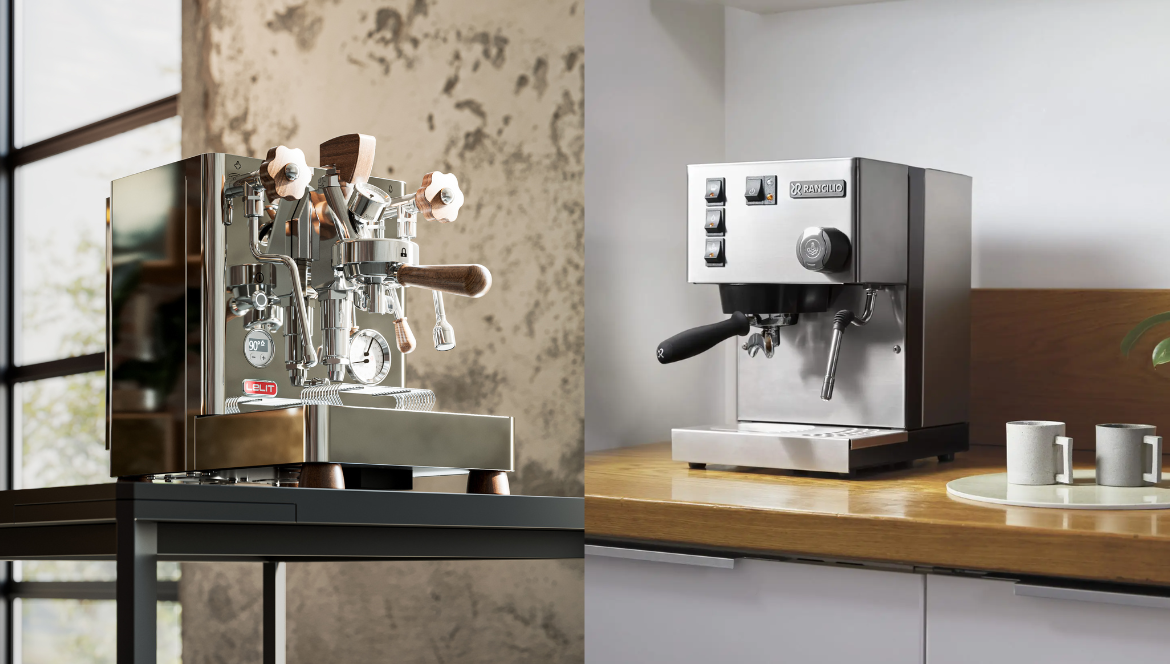 Dual Boiler vs Single Boiler Espresso Machines: Performance ComparisonRead more
A practical comparison of dual boiler vs single boiler espresso machines, focusing on real-world performance,...
01/16/2026 -
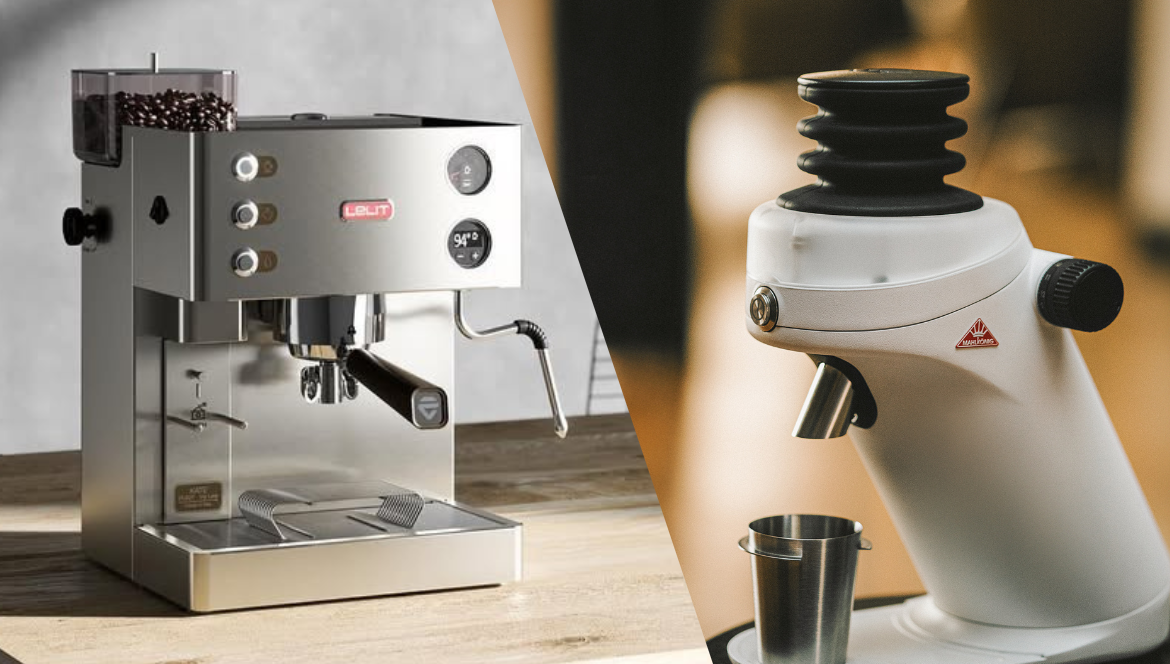 Built-in Grinder vs Separate Grinder: Choosing What Fits Your Espresso RoutineRead more
A clear comparison of built-in grinder espresso machines versus separate grinders, helping home and café users choose...
12/29/2025 -
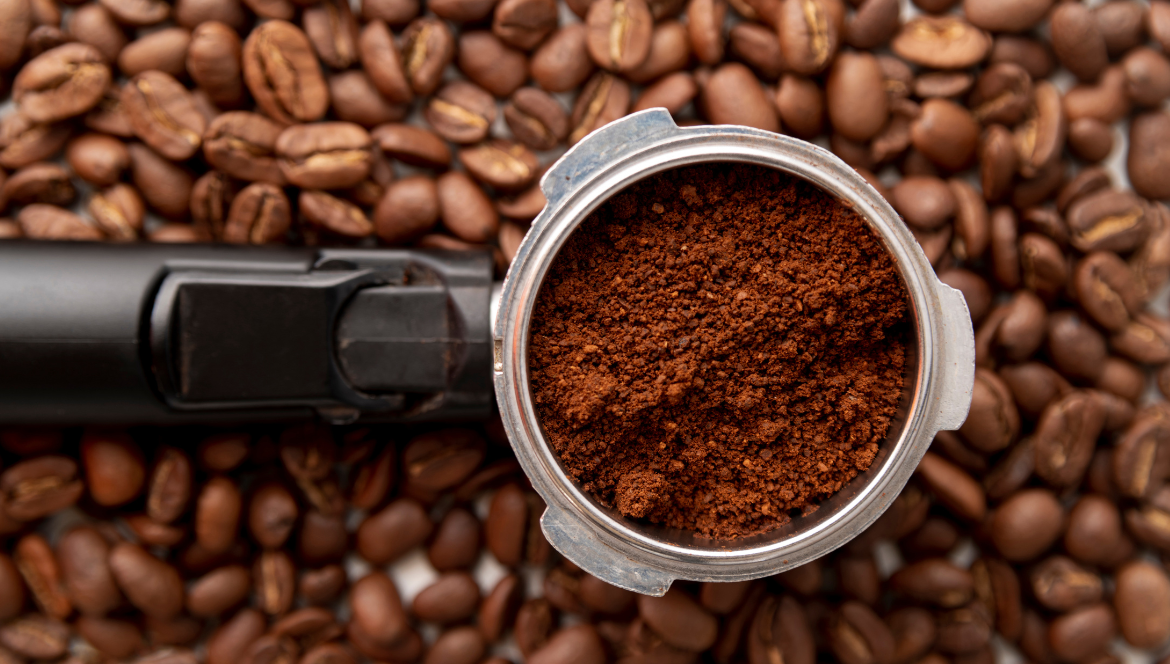 The Complete Guide to Espresso Bean Selection and RoastingRead more
Learn how to choose the best coffee beans for espresso, understand roast levels, bean origins, and freshness, and...
12/26/2025 -
 Troubleshooting Common Espresso Problems: Sour, Bitter, and Weak ShotsRead more
Learn how to fix sour, bitter, or weak espresso shots with simple, practical adjustments. This guide explains...
12/23/2025 -
 Manual Espresso Machines: The Art of Lever-Operated BrewingRead more
Learn how to make perfect espresso at home with step-by-step instructions, essential equipment tips, and expert...
12/16/2025 -
 Professional-Grade Home Espresso Machines: Bringing Café Quality HomeRead more
Bring café-quality espresso home with a professional-grade espresso machine. Discover how to choose the perfect...
11/13/2025 -
 Water Quality and Espresso: Why Your Water Matters More Than You ThinkRead more
Water quality is the secret ingredient behind perfect espresso. Discover how the right mineral balance enhances...
11/12/2025 -
 Understanding the Basics: Semi-Automatic vs Automatic Espresso MachineRead more
Discover the key differences between semi-automatic and automatic espresso machines. Learn which suits your coffee...
11/10/2025 -
 The Science of Espresso: Understanding Pressure, Temperature, and ExtractionRead more
Discover the fascinating science behind every espresso shot — from pressure and temperature to perfect extraction....
11/08/2025
Blog categories
Search in blog
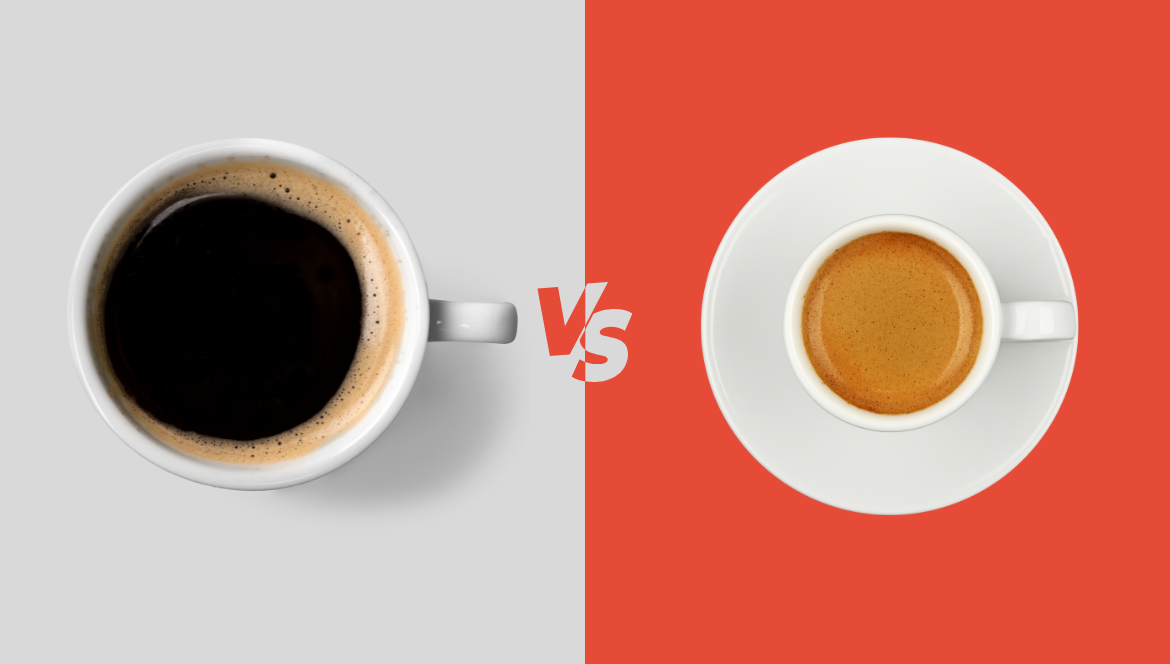
Espresso vs Coffee: Understanding the Fundamental Differences
If you have ever paused at a cafe menu, wondering whether to order espresso or coffee, you are not alone. Despite coming from the same coffee beans, espresso and coffee deliver noticeably different experiences from taste and texture to how and when people drink them. Understanding the differences between espresso and coffee helps you make better choices based on your taste preferences, daily routine, and caffeine needs, rather than relying on myths or assumptions.
This guide explains espresso vs coffee in a clear, practical way. Instead of focusing on jargon, it breaks down how each is brewed, how they taste, how caffeine actually works, and which option fits different lifestyles. Whether you drink coffee at home, at work, or at a café, this comparison helps you understand what is really in your cup.
What Is Coffee?
In everyday language, “coffee” usually refers to brewed coffee made by slowly extracting flavor from ground coffee beans using hot water. This is the most widely consumed coffee style globally and is common in homes, offices, and casual cafés.
How coffee is brewed
Traditional coffee brewing relies on time and gravity rather than pressure. Common methods include drip machines, pour-over, French press, and cold brew.
- Medium-ground coffee beans are used.
- Hot water flows slowly through the grounds.
- Brewing time ranges from 3 to 6 minutes.
- The result is a larger cup with a lighter body and a more diluted flavor.
Because water stays in contact with the coffee grounds for longer, brewed coffee tends to highlight subtle flavors such as acidity, floral notes, or mild bitterness.
What Is Espresso?
Espresso is not a type of coffee bean; it is a brewing method. Espresso is made by forcing hot water through finely ground coffee under high pressure, producing a concentrated and intense drink in a very short time.
How espresso is brewed
The espresso process is precise and fast:
- Finely ground coffee is tightly packed.
- Hot water passes through at high pressure (around 9 bars)
- Extraction takes about 25–30 seconds.
- The result is a small, concentrated shot topped with crema.
Crema is the golden foam layer that forms naturally during espresso extraction. It contributes to aroma, mouthfeel, and the overall sensory experience.
Espresso vs Coffee: Brewing Method Differences
- Coffee relies on gravity and a longer extraction time
- Espresso relies on pressure and speed
This change in brewing mechanics significantly affects flavor intensity, texture, caffeine concentration, and serving size. Even when the same beans are used, espresso and coffee can taste entirely different because extraction occurs under different conditions.
Espresso vs Coffee: Taste and Strength
Flavor profile comparison
One of the most noticeable differences between espresso and coffee is taste.
- Coffee: smoother, lighter, often more acidic or aromatic
- Espresso: bold, rich, intense, sometimes bittersweet
Espresso tastes stronger because it is concentrated, but strength does not automatically equal higher caffeine per drink.
Espresso vs coffee caffeine explained
A common misconception is that espresso contains more caffeine than coffee. In reality, this depends on serving size.
- A single espresso shot usually contains less caffeine than a full cup of coffee
- Espresso has higher caffeine concentration per milliliter
- Brewed coffee delivers more caffeine overall because the serving is larger
When comparing espresso vs coffee caffeine, volume matters more than intensity.
Espresso vs Coffee: Beans and Roast Levels
Are espresso beans different from coffee beans?
No. There is no separate espresso bean or coffee bean. The difference lies in roast profile, grind size, and brewing method.
However, in practice:
- Espresso often uses darker roasts for deeper, caramelized flavors
- Coffee commonly uses medium or light roasts to preserve acidity and complexity
The grind size is critical. Espresso requires a very fine grind, while coffee brewing methods use coarser grinds.
Espresso vs Coffee: Texture and Mouthfeel
Texture is another overlooked but important difference in the espresso vs coffee comparison.
- Coffee feels lighter and more fluid
- Espresso feels thicker, heavier, and more layered
This difference comes from pressure extraction, which emulsifies oils and creates a dense body in espresso. People who enjoy mouthfeel often prefer espresso-based drinks.
Which One Is Healthier: Espresso or Coffee?
From a health perspective, espresso vs coffee is not about good or bad, but about moderation and tolerance.
Both espresso and coffee contain:
- Antioxidants
- Polyphenols
- Compounds that support mental alertness
Espresso is more concentrated, which can feel heavy for some people. Brewed coffee may cause acidity or digestive discomfort for others. Choosing between espresso and coffee depends on how your body responds and how much you consume.
Espresso vs Coffee: Lifestyle and Consumption Habits
Who should choose coffee?
Coffee may be better suited for people who:
- Prefer a longer, smoother drink.
- Enjoy sipping over time.
- Want a less intense flavor.
- Drink coffee while working or socializing.
Who should choose espresso?
Espresso is often preferred by people who:
- Enjoy bold, concentrated flavors.
- Need a quick caffeine boost.
- Like café-style drinks such as cappuccinos or lattes
- Appreciate texture and aroma.
Understanding these lifestyle differences makes the espresso vs coffee choice more personal and practical.
Espresso vs Coffee in Everyday Cafés
In cafés, espresso often serves as the base for many popular drinks:
- Cappuccino
- Latte
- Flat white
- Americano
Brewed coffee is usually served black or with milk and sugar, offering simplicity and consistency. Both formats coexist because they serve different preferences rather than competing with each other.
Final Thoughts: Espresso vs Coffee Explained Simply
The espresso vs coffee debate is not about which is superior. It is about how each is made and how it fits into daily life. Espresso is fast, concentrated, and intense. Coffee is slow, smooth, and easy to sip.
Once you understand the fundamentals of brewing method, taste, caffeine, and lifestyle fit, choosing between espresso and coffee becomes straightforward. Instead of guessing, you can confidently select what matches your mood, routine, and preferences.
Both start with the same bean. The difference lies in how that bean is transformed into your cup.
Frequently Asked Questions (FAQs)
- Is espresso stronger than coffee? Espresso tastes stronger, but a cup of coffee usually contains more total caffeine due to its larger size.
- Can espresso be used to make regular coffee? No, espresso is a separate brewing method, but it’s used as a base for drinks like lattes and cappuccinos.
- Does espresso have less water than coffee? Yes. Espresso uses much less water, which is why it’s more concentrated.
- Which is better for beginners: espresso or coffee? Coffee is generally easier for beginners due to its smoother taste and lower intensity.
- Are espresso beans different from coffee beans? No. The difference lies in grind size and brewing method, not the bean itself.
- Is espresso more acidic than coffee? Not necessarily. Espresso can feel less acidic because it’s consumed in smaller amounts.
- Can you drink espresso every day? Yes, as long as overall caffeine intake stays within healthy limits.
Posted in:
Comparisons
Related posts
-
 Understanding Espresso Machines: Single Boiler, Dual Boiler, and Heat Exchanger Models
Choosing the right espresso machine can elevate your coffee experience to new heights. At Espresso Coffee Shop we...Read more
Understanding Espresso Machines: Single Boiler, Dual Boiler, and Heat Exchanger Models
Choosing the right espresso machine can elevate your coffee experience to new heights. At Espresso Coffee Shop we...Read more -
 Flat or conical burrs? That is the question
The coffee grinder is among the most important equipment for any barista and home barista. When it comes to choosing...Read more
Flat or conical burrs? That is the question
The coffee grinder is among the most important equipment for any barista and home barista. When it comes to choosing...Read more -
 Arabica vs. Robusta: the main differences between the two most popular coffee varieties
When it comes to choosing the perfect coffee, there are two names that immediately come to mind: Arabica and...Read more
Arabica vs. Robusta: the main differences between the two most popular coffee varieties
When it comes to choosing the perfect coffee, there are two names that immediately come to mind: Arabica and...Read more -
 Different types of group heads: complete guide to help you choose the right espresso machine
When choosing an espresso machine, the group head is one of the most important components to consider. It plays a key...Read more
Different types of group heads: complete guide to help you choose the right espresso machine
When choosing an espresso machine, the group head is one of the most important components to consider. It plays a key...Read more -
 Which Eureka Mignon coffee grinder is the one for you?
In this article we compare the main Eureka Mignon models, from the most entry-level to one designed for those seeking...Read more
Which Eureka Mignon coffee grinder is the one for you?
In this article we compare the main Eureka Mignon models, from the most entry-level to one designed for those seeking...Read more
Leave a comment