


Discover how Italian espresso machine craftsmanship set the global standard for coffee excellence. This guide...
Please, visit the correct shop for your location:
International Site




 Espresso Machines
Coffee Grinders
Set
Accessories
Coffee
Pour Over
Design Collection
Deals
Best Of Black Friday
Brands
Espresso Machines
Coffee Grinders
Set
Accessories
Coffee
Pour Over
Design Collection
Deals
Best Of Black Friday
Brands
Espresso Coffee Shop
+Assistance and services
+-
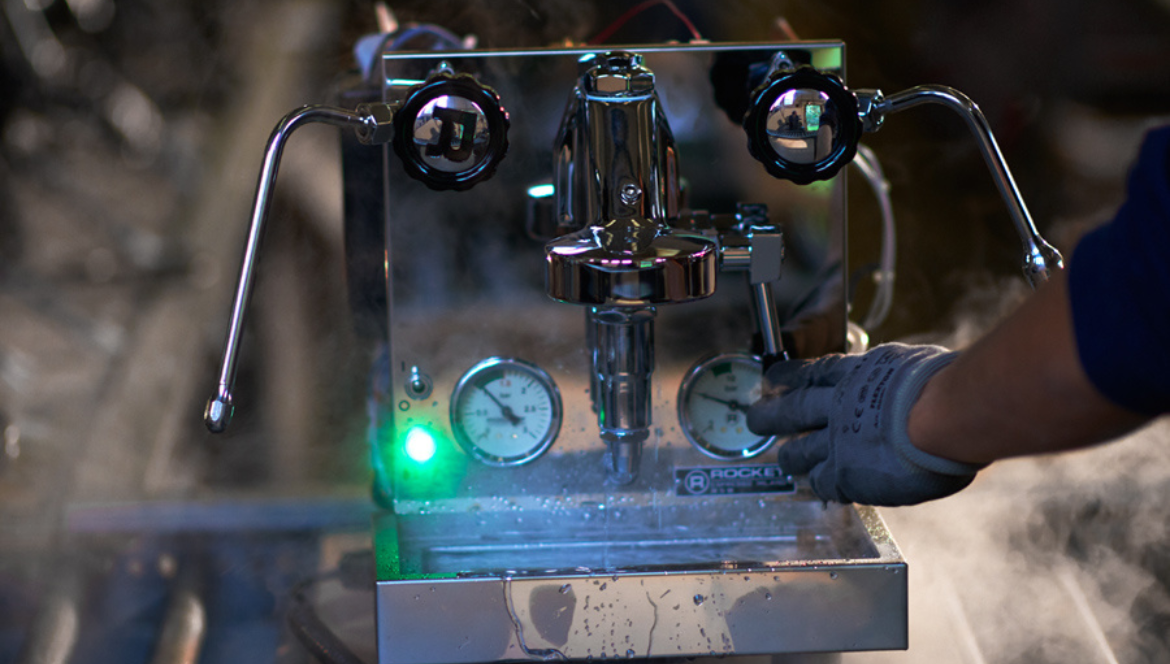 Italian Espresso Machine Craftsmanship: The Art of Manufacturing ExcellenceRead more04/02/2026
 -
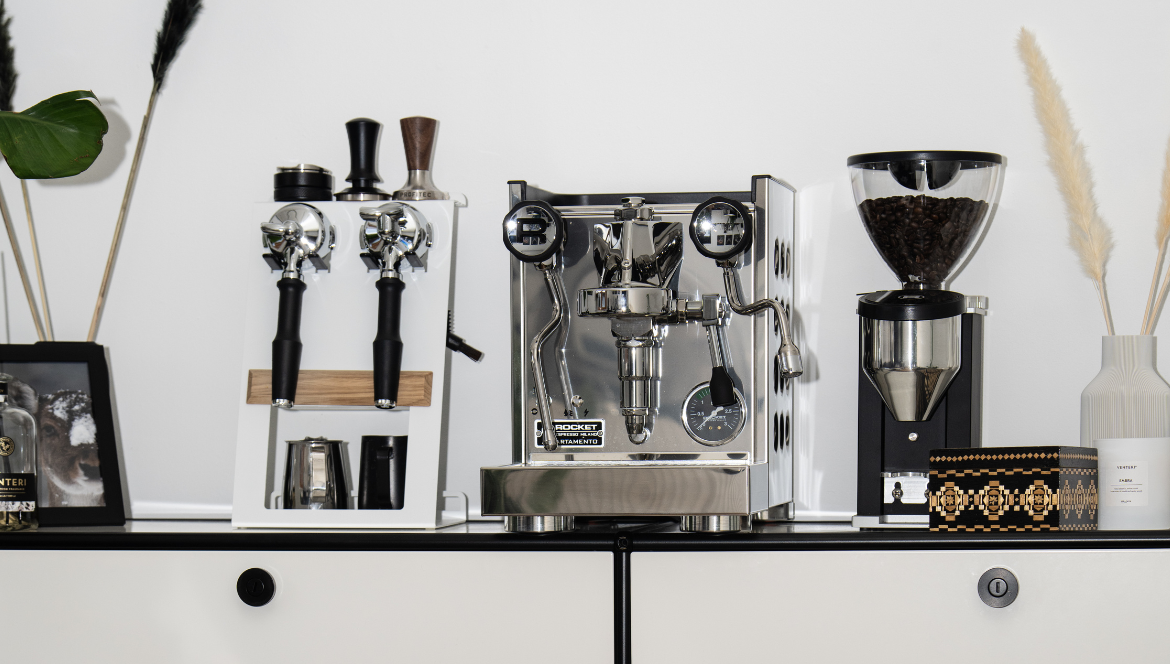 The Perfect Home Espresso Setup: Creating Your Personal Coffee CornerRead more
Building a home espresso setup is about creating a personalised coffee ritual that delivers café-quality results from...
03/23/2026 -
 The Italian Espresso Experience: What Makes It Authentic?Read more
Italian espresso is far more than a beverage; it is a daily ritual shaped by decades of craft, regional tradition,...
03/23/2026 -
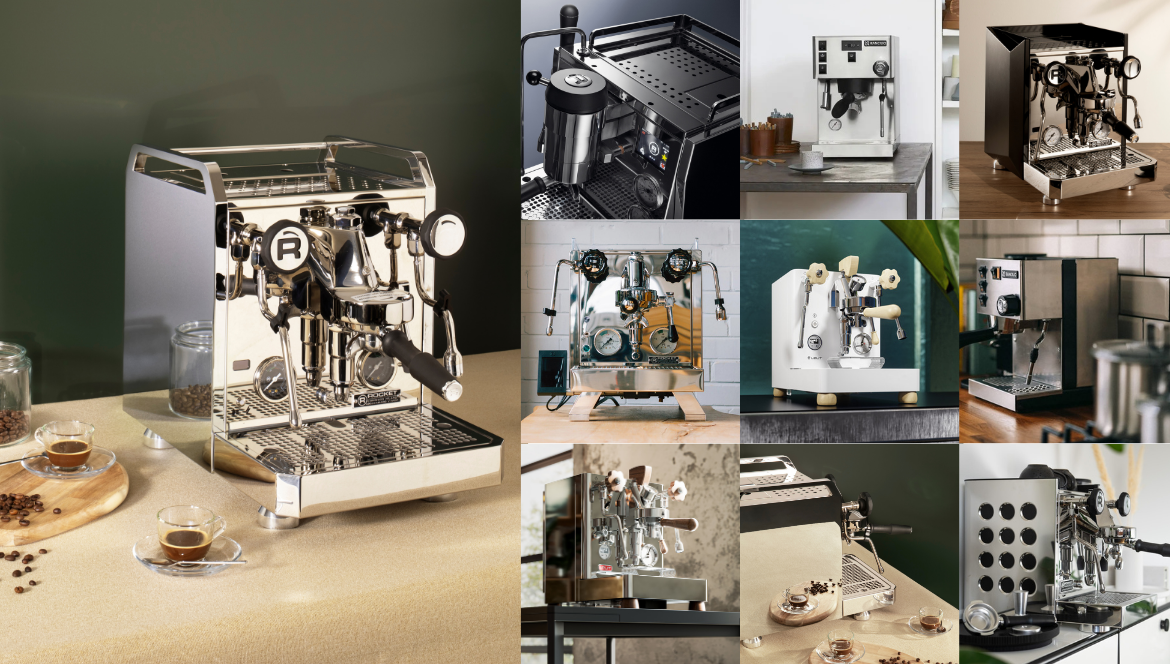 Top 10 Italian Espresso Machine Brands: Heritage, Quality, and InnovationRead more
Italy has long set the gold standard for espresso machine craftsmanship, and this guide highlights 10 of the finest...
03/23/2026 -
 Italian Espresso Blends: Understanding Traditional Flavour ProfilesRead more
Discover the rich tradition behind Italian espresso blends. Learn how Arabica and Robusta beans shape authentic...
02/14/2026 -
 Italian Coffee Culture vs American Coffee Habits: A Cultural ComparisonRead more
A cultural deep dive into how Italy and the United States experience coffee differently. From quick espresso rituals...
02/06/2026 -
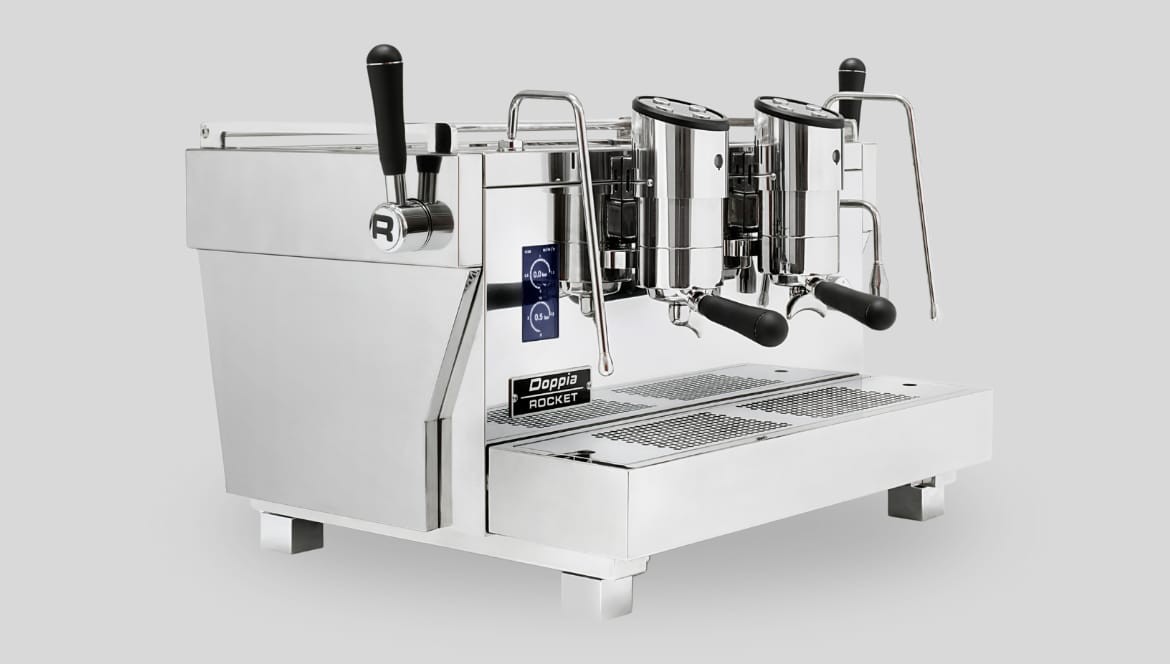 The Ultimate Guide to Commercial Espresso Machines for Small CafésRead more
A practical guide to choosing the right commercial espresso machine for small cafés, covering features, machine...
01/31/2026 -
 The History of Italian Espresso: From Turin to Your KitchenRead more
The history of Italian espresso, from early steam machines to modern home brewing, and why this iconic coffee culture...
01/26/2026 -
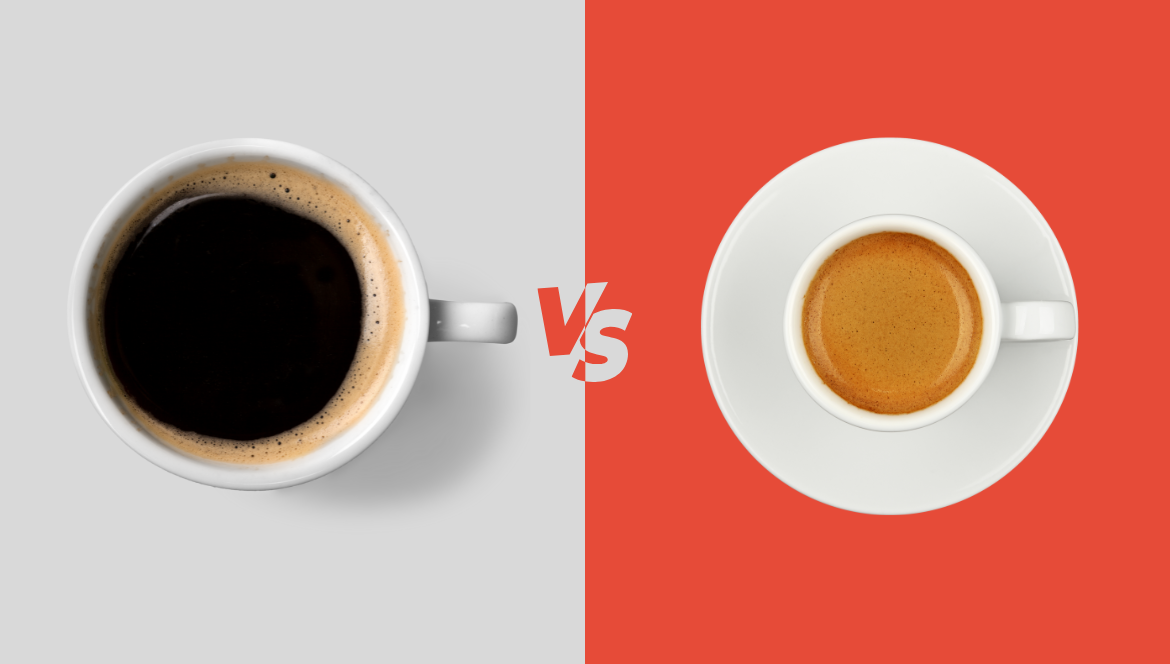 Espresso vs Coffee: Understanding the Fundamental DifferencesRead more
A clear explanation of espresso vs coffee, covering brewing methods, taste, caffeine, and lifestyle differences to...
01/16/2026 -
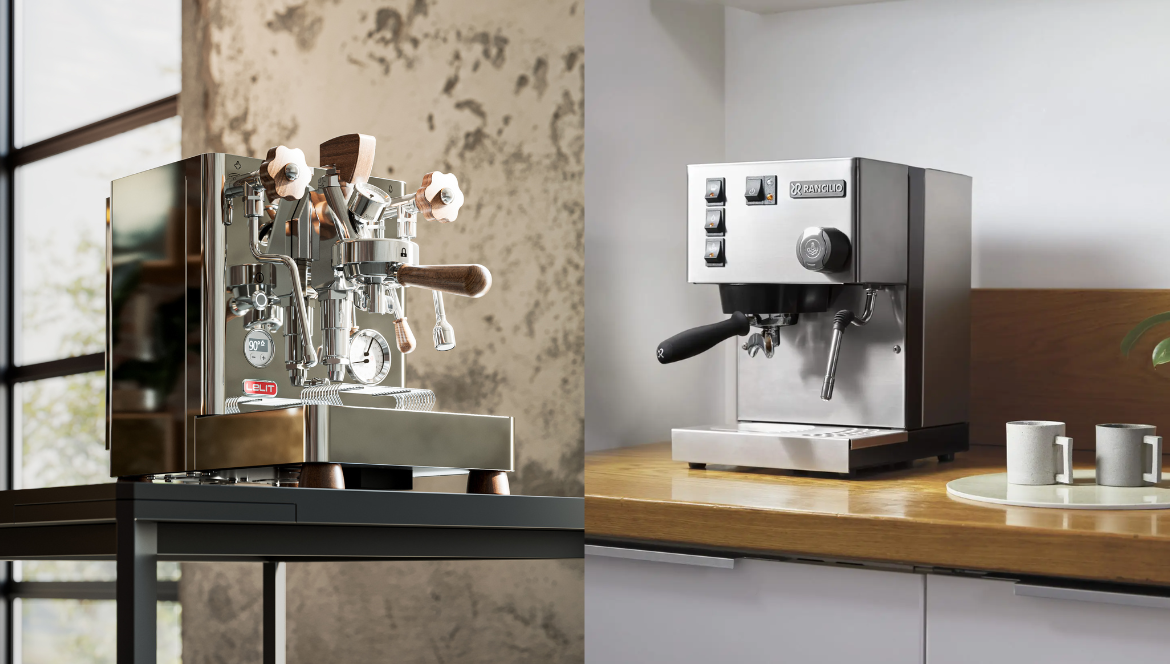 Dual Boiler vs Single Boiler Espresso Machines: Performance ComparisonRead more
A practical comparison of dual boiler vs single boiler espresso machines, focusing on real-world performance,...
01/16/2026
Blog categories
Search in blog
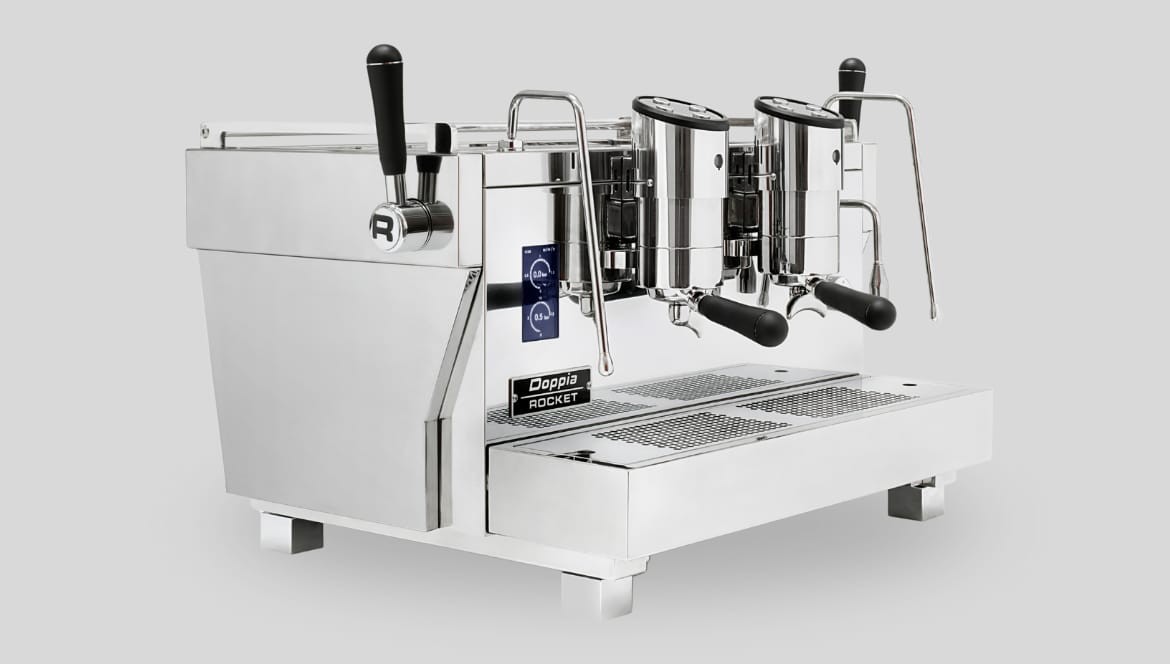
The Ultimate Guide to Commercial Espresso Machines for Small Cafés
Choosing the right commercial espresso machine for a small cafe is one of the most important decisions a cafe owner will make. The espresso machine is not just a piece of equipment; it defines coffee quality, workflow speed, staff efficiency, and customer experience. This guide is designed for café owners, first-time coffee entrepreneurs, and small hospitality teams who want clarity, not marketing hype.
Whether you’re opening a neighbourhood cafe or upgrading your current setup, this guide explains what matters, why it matters, and how to choose confidently.
Why Commercial Espresso Machines Matter for Small Cafes
A commercial espresso machine is the heart of a cafe’s operation. Unlike home machines, commercial espresso machines for small cafes are built for consistency, durability, and steady output during busy hours.
For small cafes, the challenge is balance:
- Enough power to handle daily demand
- Compact size to fit limited counter space
- Ease of use for staff with varying experience levels
Choosing incorrectly can lead to slow service, inconsistent coffee, higher maintenance costs, and frustrated customers.
Understanding the Needs of a Small Cafe
Before looking at machine types or features, it’s important to understand your cafe’s real-world needs.
Ask yourself:
- How many cups of coffee will you serve per day?
- Will you have one barista or multiple staff working at once?
- Is speed or drink variety more important?
- Do you plan to expand in the next 1–2 years?
A small café does not need the same machine as a high-volume chain, but it does need reliability and consistency.
Types of Commercial Espresso Machines for Small Cafes
Lever Espresso Machines
Lever espresso machines give baristas full control over extraction. While they appeal to specialty cafes, they require skill and training. For small cafes focused on craftsmanship, they can work well but only with experienced staff.
Semi-Automatic Espresso Machines
Semi-automatic espresso machines are the most common choice for small cafes. They automate water flow while allowing control over grind size and extraction time. This balance makes them ideal for maintaining quality without slowing service.
Automatic and Volumetric Machines
These espresso machines deliver consistent shot volumes with minimal effort. They are well-suited for cafés prioritising speed, consistency, and ease of training.
Super-Automatic Machines
Super-automatic machines handle grinding, tamping, and brewing. While convenient, they often limit flavour control and are better suited to offices or self-serve environments than to specialty cafes.
Key Features to Look For in a Commercial Espresso Machine
Temperature Stability
Temperature consistency directly affects espresso quality. Look for machines with PID temperature control or heat-exchange systems that maintain stable brewing temperatures throughout the day.
Boiler System
Single-boiler machines can work for very low-volume cafes, but dual-boiler or heat-exchange systems are more efficient for simultaneous brewing and steaming.
Group Heads
For small cafes, one or two group heads are usually sufficient. More group heads increase capacity, but also cost and space requirements.
Build Quality and Materials
Stainless steel frames, commercial-grade pumps, and durable internal components ensure longevity. A well-built machine reduces downtime and repair costs.
Workflow, Speed, and Staff Experience
An often-overlooked factor is how the espresso machine fits into daily workflow. A good machine should:
- Allow baristas to work comfortably without crowding.
- Reduce unnecessary steps during peak hours.
- Be intuitive enough for new staff to learn quickly.
Small cafés benefit from machines that support efficiency without sacrificing quality.
Maintenance and Long-Term Reliability
Daily cleaning, weekly backflushing, and periodic servicing are part of owning any commercial espresso machine. When choosing equipment, consider:
- Availability of local service technicians
- Ease of cleaning and maintenance
- Replacement part accessibility
Machines that are difficult to maintain often become costly over time, regardless of initial price.
Budget Considerations for Small Café Owners
Price alone should not determine your choice. Instead, evaluate the total cost of ownership, including:
- Energy consumption
- Maintenance and repairs
- Staff training time
- Downtime risks
Investing in a reliable commercial espresso machine often saves money in the long run by reducing service issues and improving customer satisfaction.
Choosing the Right Espresso Machine for Your Café Concept
A small neighbourhood cafe, a specialty coffee bar, and a takeaway-focused shop all have different needs. The best commercial espresso machines for small cafes align with the cafe’s concept, customer expectations, and operational capacity.
There is no universal “best machine,” only the best machine for your specific situation.
Final Thoughts: Making a Confident Decision
Selecting a commercial espresso machine is both a technical and strategic decision. By understanding your café’s volume, workflow, staff skill level, and growth plans, you can choose equipment that supports consistency, efficiency, and long-term success.
A well-chosen espresso machine doesn’t just brew coffee; it supports your brand, your team, and your customers’ daily experience.
Frequently Asked Questions (FAQs)
Q: What is a commercial espresso machine?
A: A commercial espresso machine is designed for continuous café use, offering stronger pumps, larger boilers, and better temperature stability than home machines.
Q: Which espresso machine is best for a small café?
A: Most small cafés benefit from semi-automatic or automatic machines, which balance quality control with speed and ease of use.
Q: How many group heads does a small café need?
A: One group head suits low-volume cafés, while two group heads help manage peak hours and multiple drink orders.
Q: How much should a small café budget?
A: Costs vary, but café owners should consider total ownership cost—including maintenance, energy use, servicing, and staff training—not just the purchase price.
Q: Is temperature control important?
A: Yes. Stable temperature ensures consistent flavour and extraction. PID or heat-exchange systems help maintain reliability.
Related posts
-
 Understanding Espresso Machines: Single Boiler, Dual Boiler, and Heat Exchanger Models
Choosing the right espresso machine can elevate your coffee experience to new heights. At Espresso Coffee Shop we...Read more
Understanding Espresso Machines: Single Boiler, Dual Boiler, and Heat Exchanger Models
Choosing the right espresso machine can elevate your coffee experience to new heights. At Espresso Coffee Shop we...Read more -
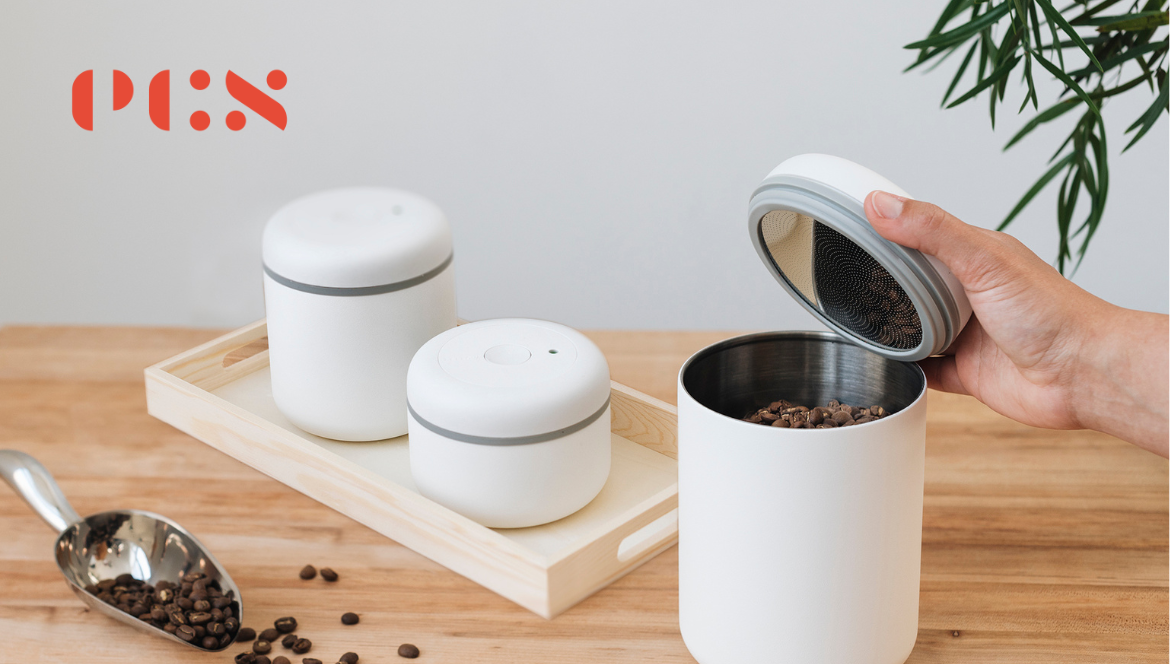 How to properly store coffee
If you, too, are a true coffee enthusiast, meticulously selecting the varieties you like best and eagerly...Read more
How to properly store coffee
If you, too, are a true coffee enthusiast, meticulously selecting the varieties you like best and eagerly...Read more -
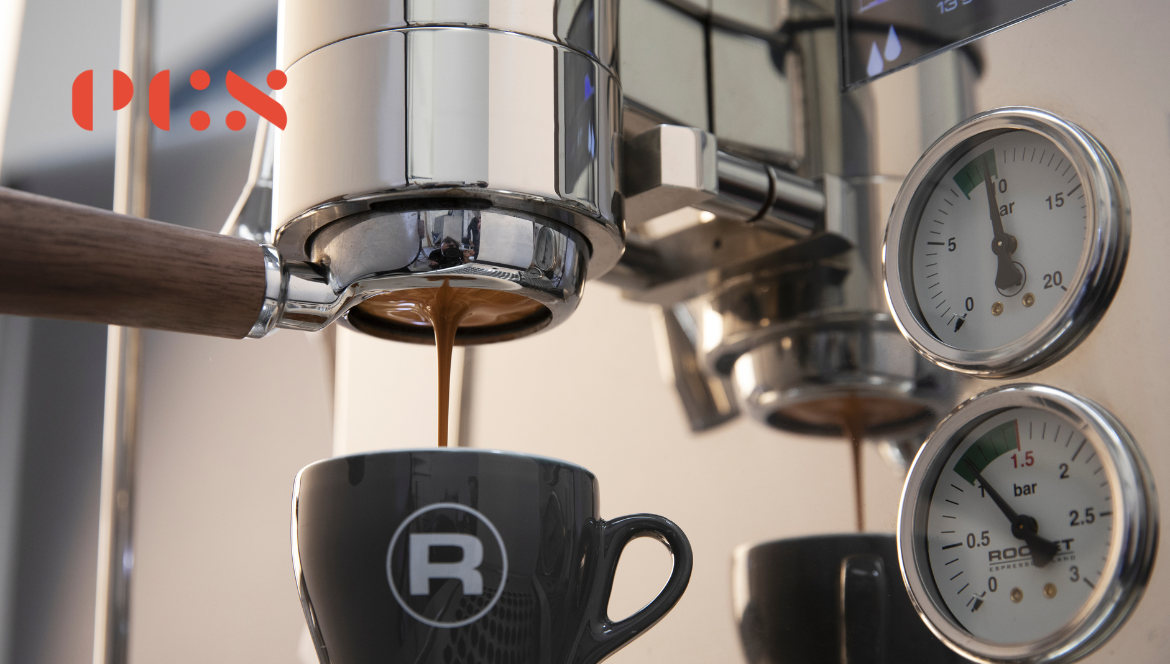 Bottomless portafilter? Here are the aspects to be considered
The search for the perfect espresso is a long road, and there are several tools that can help achieve the perfect...Read more
Bottomless portafilter? Here are the aspects to be considered
The search for the perfect espresso is a long road, and there are several tools that can help achieve the perfect...Read more -
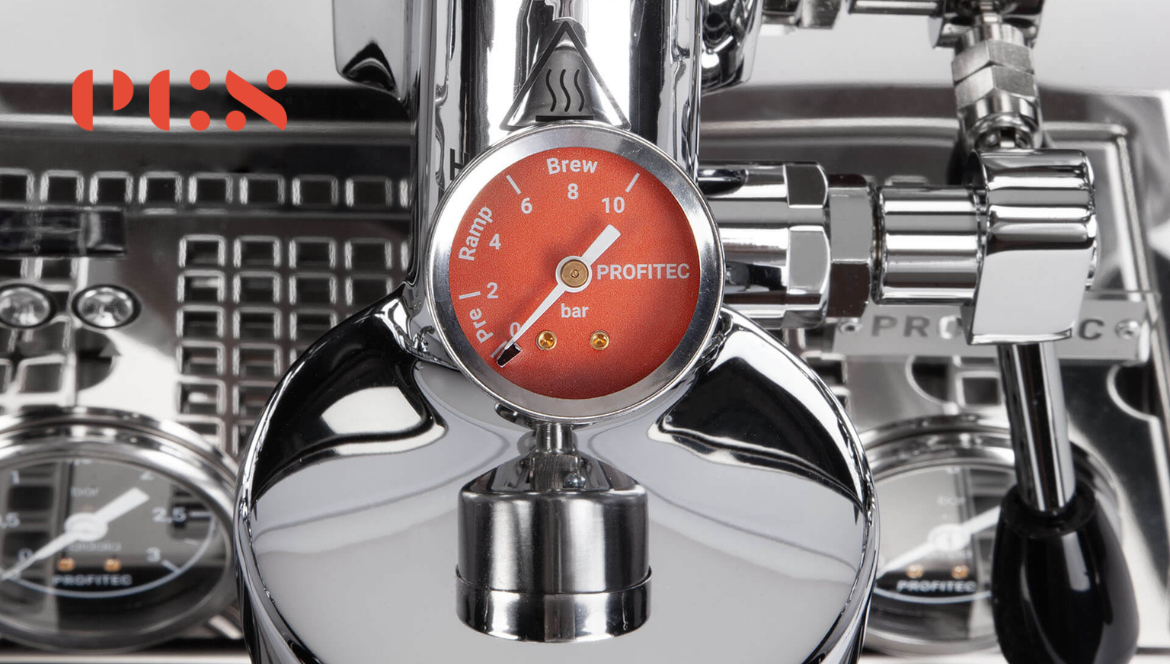 PROFITEC DRIVE: the home machine with professional performance
Drive is the most recent entry in the Profitec household and the evolution of the already highly appreciated Pro 700....Read more
PROFITEC DRIVE: the home machine with professional performance
Drive is the most recent entry in the Profitec household and the evolution of the already highly appreciated Pro 700....Read more -
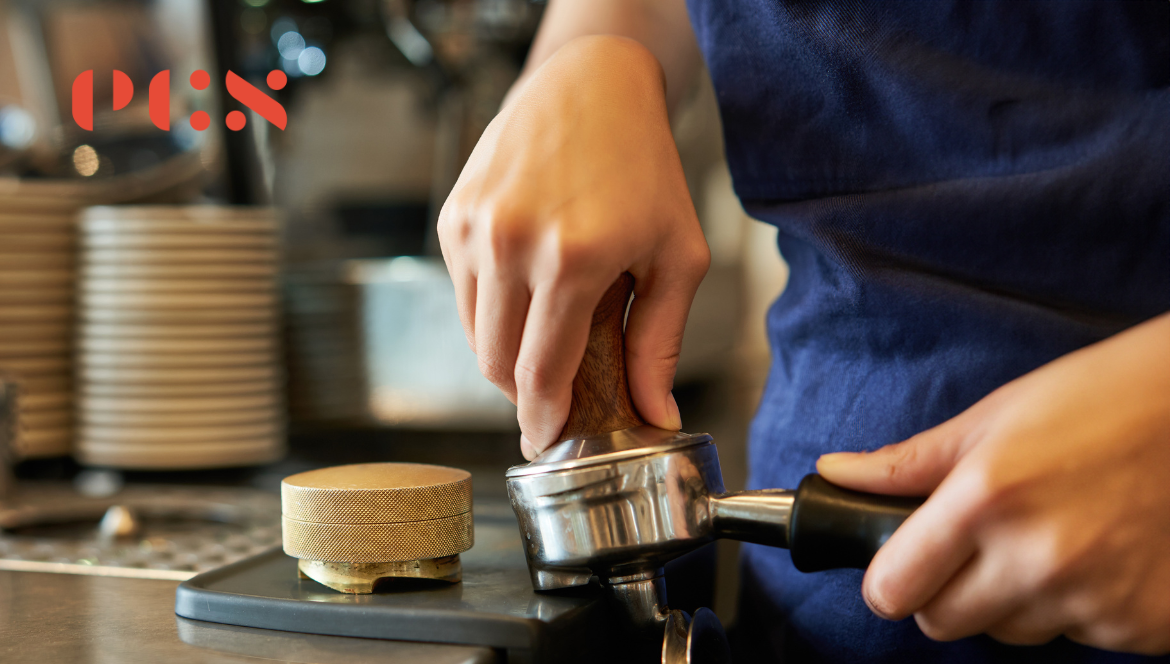 All about a good tamping
To make good coffee, it is important to have the right equipment, quality coffee and not only. It is also necessary...Read more
All about a good tamping
To make good coffee, it is important to have the right equipment, quality coffee and not only. It is also necessary...Read more
Leave a comment