


Espresso pairing is all about finding the right balance between coffee intensity and food flavors. This guide...
Please, visit the correct shop for your location:
International Site


It looks like you are not from the USA,
please visit the correct shop for your location:


 Espresso Machines
Coffee Grinders
Set
Accessories
Coffee
Pour Over
Design Collection
Deals
Best Of Black Friday
Brands
Espresso Machines
Coffee Grinders
Set
Accessories
Coffee
Pour Over
Design Collection
Deals
Best Of Black Friday
Brands
Espresso Coffee Shop
+Assistance and services
+-
 Espresso Pairing Guide: Foods That Complement Your CoffeeRead more08/31/2026
 -
 Coffee Catering Services: Mobile Espresso Solutions for EventsRead more
Coffee catering brings a complete espresso experience directly to weddings, corporate events, private parties, and...
08/27/2026 -
 Coffee Shop Design: Creating the Perfect Espresso Bar LayoutRead more
Designing the perfect coffee shop layout starts with creating an efficient espresso bar workflow. A well-planned...
08/25/2026 -
 Specialty Coffee Trends: Staying Competitive in the Espresso MarketRead more
Specialty coffee trends are transforming the espresso market as consumers increasingly prioritize quality,...
08/25/2026 -
 Espresso Machine Leasing vs Buying: What's Best for Your Business?Read more
Should you lease or buy an espresso machine for your business? This guide compares the costs, benefits, and long-term...
07/14/2026 -
 Espresso and Health: Benefits, Caffeine Content, and Wellness ConsiderationsRead more
Wondering how espresso affects your health? Learn how much caffeine is in a shot, what research says about...
07/14/2026 -
 Espresso Gift Guide: Perfect Presents for Coffee EnthusiastsRead more
Discover practical espresso gift ideas for every budget with this guide from Espresso Coffee Shop USA. From...
07/08/2026 -
 Office Coffee Solutions: Bringing Quality Espresso to the WorkplaceRead more
Create a better workplace coffee experience with the right office coffee solutions. This guide explains how to choose...
07/08/2026 -
 Italian Espresso Bar Etiquette: How to Order Like a LocalRead more
Discover the essential etiquette of an Italian espresso bar, from ordering coffee like a local to understanding when...
07/08/2026 -
 Sustainable Espresso: Eco-Friendly Practices and Equipment for 2026Read more
A sustainable espresso setup combines high-quality coffee with environmentally responsible choices. From durable,...
06/23/2026
Blog categories
Search in blog
Italian Espresso Blends: Understanding Traditional Flavour Profiles
Espresso is not just a coffee; it's a way of life for many Italians. As one of the cornerstones of Italian culture, espresso blends hold a deep significance in Italian coffee-making traditions. Whether you’re a seasoned coffee lover or a newcomer exploring the nuances of espresso, understanding the flavour profiles of Italian espresso blends is key to appreciating the rich, robust flavours that define this beloved beverage.
In this blog, we'll delve into the world of traditional Italian espresso blends, uncover authentic Italian coffee blends, and explore the differences between coffee bean types, such as Arabica and Robusta. We'll also highlight the contrast between Italian espresso and its modern counterparts, offering you a complete overview of what makes Italian coffee stand out. By focusing on these key aspects, this guide will help you appreciate the depth of flavour and craftsmanship behind every Italian espresso shot.
What Makes Italian Espresso Blends Unique?
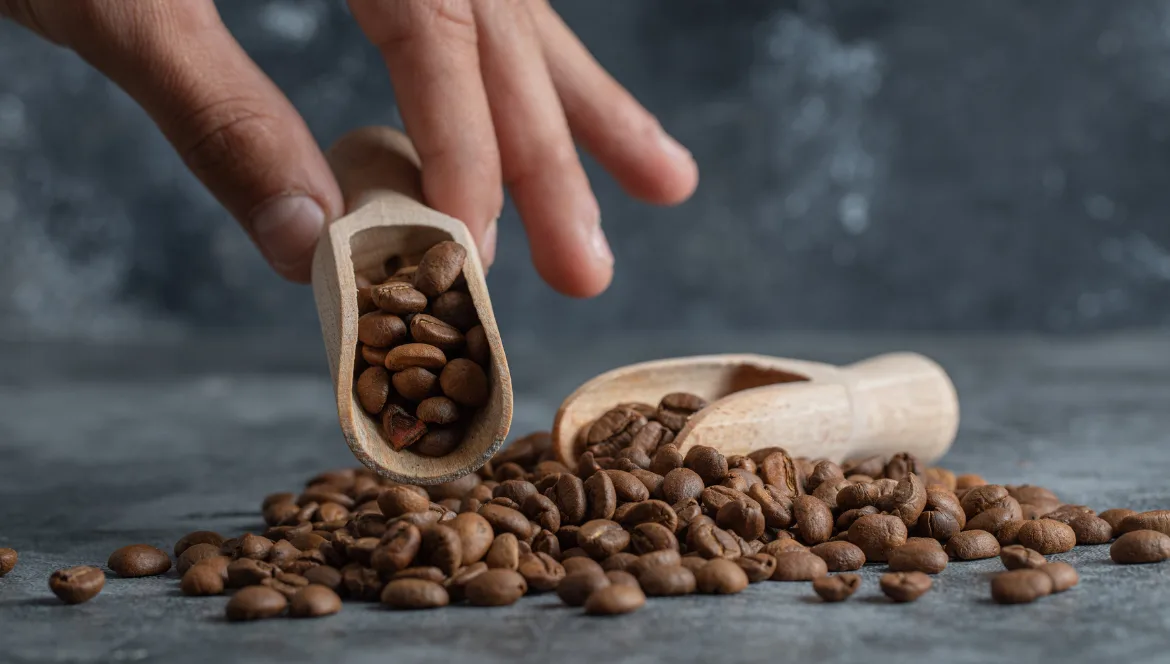
At the heart of every Italian espresso blend lies a delicate balance of beans that creates the iconic taste profile that espresso lovers across the globe crave. Traditional Italian espresso blends often combine Arabica and Robusta beans, each contributing unique characteristics to the cup.
The Role of Arabica and Robusta Beans in Italian Espresso
To understand the essence of Italian espresso, it's essential to distinguish between the two main coffee bean types used to craft these blends: Arabica and Robusta.
- Arabica Coffee Beans: Arabica beans are known for their smooth, nuanced flavours, with sweet, fruity, and floral notes. They tend to be more acidic, making them ideal for a complex and refined espresso flavour profile. Arabica beans are often used in greater proportions in premium, authentic Italian coffee blends, as they offer a smoother, more aromatic experience.
- Robusta Coffee Beans: On the other hand, Robusta beans are known for their boldness and intense bitterness. These beans offer a higher caffeine content than Arabica beans, making them a popular choice for espresso blends that need a stronger, fuller body. Robusta beans tend to be more bitter and earthy, with hints of chocolate or nuts, giving espresso a robust, lasting aftertaste.
When combined, these beans provide the perfect balance of smoothness from Arabica and strength from Robusta. The result? A flavour profile that is both rich and harmonious, with layers of complexity that make Italian espresso an unforgettable experience.
Understanding the Difference Between Italian Espresso and Modern Espresso
While Italian espresso is revered for its authenticity, the evolution of coffee has led to new brewing methods, machines, and blending techniques that cater to modern coffee drinkers. The difference between Italian and modern espresso lies primarily in the preparation and the beans used.
Italian Espresso: Tradition and Craftsmanship
Traditional Italian espresso is all about consistency, quality, and precision. The process begins with selecting the right blend, which is usually 100% Arabica or a mix of Arabica and Robusta. The beans are roasted to perfection, creating a deep, caramelised flavour that enhances the espresso's boldness.
Brewing Italian espresso requires a specific technique. The espresso is extracted under high pressure, typically at a 9-bar pressure, which ensures that the coffee's natural oils and flavours are concentrated. This method results in a full-bodied, velvety espresso with a rich crema on top, attributes that distinguish Italian espresso from other coffee styles.
Modern Espresso: Innovation Meets Convenience
In contrast, modern espresso often prioritises speed and convenience over the traditional craft of brewing. With the rise of automated espresso machines and pre-ground coffee, modern espresso can sometimes lack the depth and consistency found in its Italian counterpart. Furthermore, the use of pre-ground beans or mass-produced blends may not always deliver the full complexity and richness of artisanal, freshly ground Italian espresso.
While modern espresso caters to those seeking quick fixes, traditional Italian espresso remains a symbol of artisanal quality and heritage. Whether it’s the craftsmanship behind each shot or the choice of premium beans, there’s a palpable difference in the experience.
Arabica vs Robusta in Italian Espresso: The Battle of Beans
When crafting Italian espresso blends, the careful combination of Arabica and Robusta beans plays a pivotal role in shaping the coffee's flavour profile. While both types of beans have their merits, understanding their individual characteristics is essential for appreciating why they are used together in Italian espresso.
Arabica Coffee Beans: Smooth and Fruity
As mentioned, Arabica beans bring a level of sophistication to espresso. With their sweet, fruity, and floral notes, they are often preferred for higher-end espresso blends. The beans are typically grown at higher altitudes, where they develop a more delicate and nuanced flavour. Arabica’s lower caffeine content compared to Robusta also contributes to a less bitter and smoother espresso shot.
Robusta Coffee Beans: Bold and Full-Bodied
Robusta beans, while often seen as less refined, are integral to Italian espresso blends for their strength and fuller body. With a higher caffeine content and a more intense, bitter flavour, Robusta adds a bold kick to espresso, enhancing its crema and giving it a longer-lasting aftertaste. In many authentic Italian coffee blends, Robusta provides the depth and richness that give the espresso its characteristic strength.
The Arabica and Robusta blend is a signature of Italian espresso, offering a balance between smoothness and intensity. By combining these two types of beans, Italian coffee makers create espresso that is rich, complex, and full of character.
Conclusion: Savouring the Art of Italian Espresso
In the world of coffee, few things rival the tradition and craftsmanship behind Italian espresso blends. With a careful balance of Arabica and Robusta beans, these blends deliver a rich, full-bodied flavour that has earned Italian espresso its place in global coffee culture. By understanding the role of each bean type and the nuances between traditional Italian espresso and modern alternatives, coffee enthusiasts can deepen their appreciation for the artistry of Italian coffee-making.
Whether you’re enjoying a cup of espresso at your local café or making one at home, the authentic Italian coffee blends provide a taste of Italy’s coffee heritage one sip at a time.
FAQ's
1: What makes Italian espresso blends unique?
A: Italian espresso blends stand out due to their carefully balanced combination of Arabica and Robusta beans, precise extraction at 9-bar pressure, and a focus on consistency and craftsmanship. This results in a full-bodied, velvety espresso with a rich crema on top.
2: What is the difference between Arabica and Robusta beans?
A: Arabica beans offer smooth, sweet, fruity, and floral notes with lower caffeine and less bitterness. Robusta beans are bolder, more bitter, and higher in caffeine, adding body, strength, and a lasting aftertaste with hints of chocolate or nuts.
3: Why do Italian espresso blends use both Arabica and Robusta beans?
A: Combining both beans creates a perfect balance — Arabica contributes smoothness and complexity, while Robusta adds strength, fuller body, and enhanced crema. Together, they produce a rich, layered flavour profile that defines authentic Italian espresso.
4: How does traditional Italian espresso differ from modern espresso?
A: Traditional Italian espresso prioritises precision, quality beans, and high-pressure extraction, delivering depth and consistency. Modern espresso often favours speed and convenience through automated machines and pre-ground coffee, which can compromise the richness and complexity of the traditional experience.
5: What pressure is used to brew Italian espresso?
A: Italian espresso is typically extracted at 9-bar pressure, which concentrates the coffee's natural oils and flavours, producing a full-bodied shot with a velvety texture and rich crema.
6: Are authentic Italian espresso blends always 100% Arabica?
A: Not necessarily. While some premium blends use 100% Arabica, many authentic Italian blends combine Arabica and Robusta beans to achieve the signature bold, well-rounded flavour that Italian espresso is known for.
Posted in:
Espresso Coffee Shop
Related posts
-
 The first store Espresso Coffee Shop in Italy!
We are excited to announce the opening of our Temporary Shop in Milan, an must-visit meeting point for all coffee...Read more
The first store Espresso Coffee Shop in Italy!
We are excited to announce the opening of our Temporary Shop in Milan, an must-visit meeting point for all coffee...Read more -
 The Science of Espresso: Understanding Pressure, Temperature, and Extraction
Discover the fascinating science behind every espresso shot — from pressure and temperature to perfect extraction....Read more
The Science of Espresso: Understanding Pressure, Temperature, and Extraction
Discover the fascinating science behind every espresso shot — from pressure and temperature to perfect extraction....Read more -
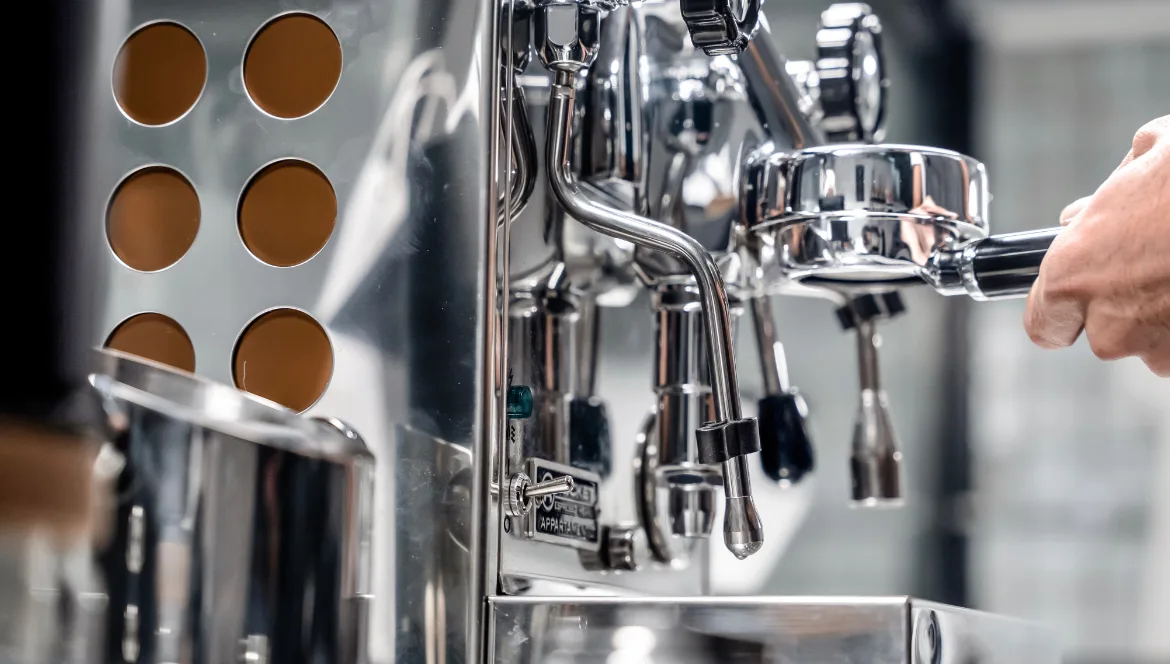 Professional-Grade Home Espresso Machines: Bringing Café Quality Home
Bring café-quality espresso home with a professional-grade espresso machine. Discover how to choose the perfect...Read more
Professional-Grade Home Espresso Machines: Bringing Café Quality Home
Bring café-quality espresso home with a professional-grade espresso machine. Discover how to choose the perfect...Read more -
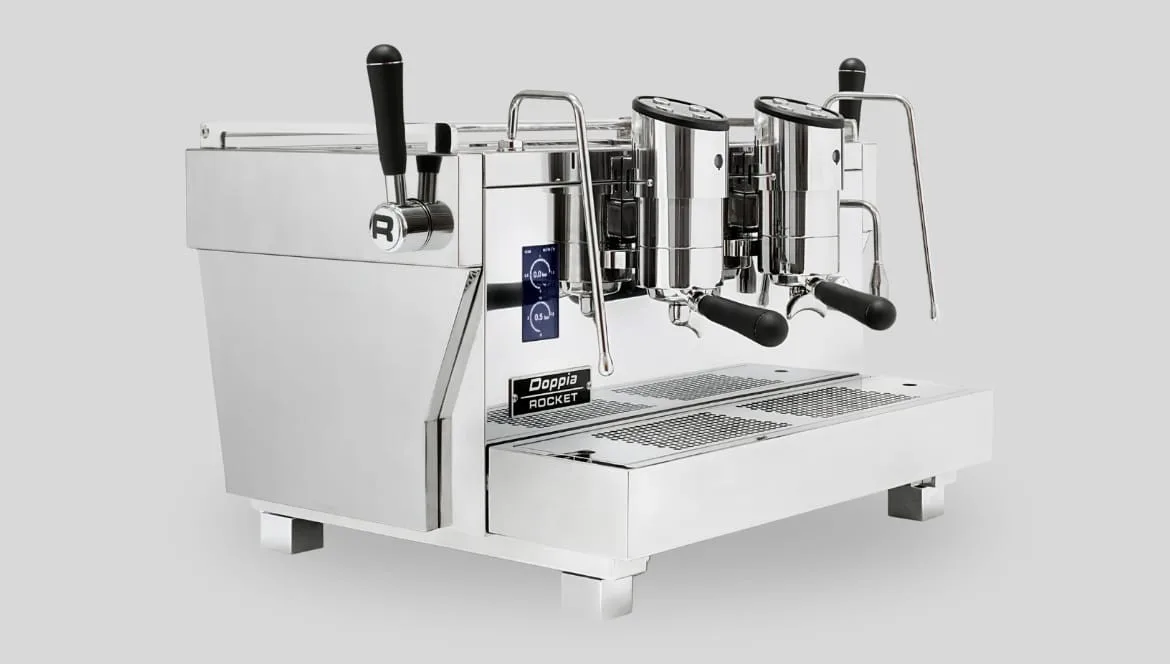 The Ultimate Guide to Commercial Espresso Machines for Small Cafés
A practical guide to choosing the right commercial espresso machine for small cafés, covering features, machine...Read more
The Ultimate Guide to Commercial Espresso Machines for Small Cafés
A practical guide to choosing the right commercial espresso machine for small cafés, covering features, machine...Read more -
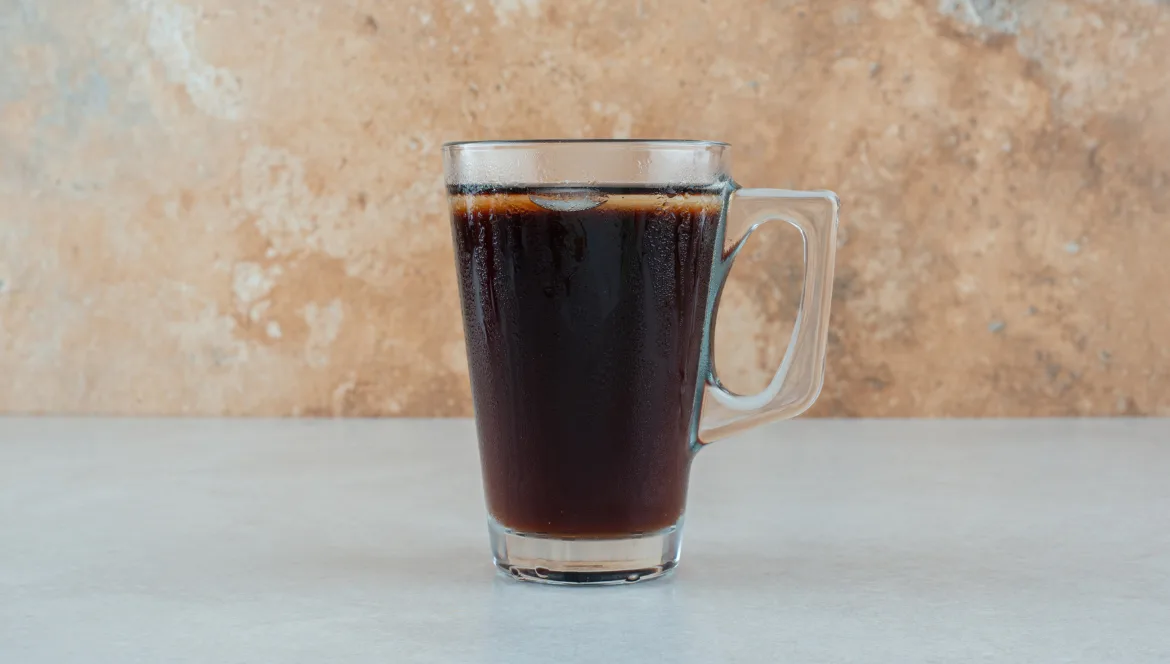 Italian Coffee Culture vs American Coffee Habits: A Cultural Comparison
A cultural deep dive into how Italy and the United States experience coffee differently. From quick espresso rituals...Read more
Italian Coffee Culture vs American Coffee Habits: A Cultural Comparison
A cultural deep dive into how Italy and the United States experience coffee differently. From quick espresso rituals...Read more
Leave a comment