


Espresso pairing is all about finding the right balance between coffee intensity and food flavors. This guide...
Please, visit the correct shop for your location:
International Site


It looks like you are not from the USA,
please visit the correct shop for your location:


 Espresso Machines
Coffee Grinders
Set
Accessories
Coffee
Pour Over
Design Collection
Deals
Best Of Black Friday
Brands
Espresso Machines
Coffee Grinders
Set
Accessories
Coffee
Pour Over
Design Collection
Deals
Best Of Black Friday
Brands
Espresso Coffee Shop
+Assistance and services
+-
 Espresso Pairing Guide: Foods That Complement Your CoffeeRead more08/31/2026
 -
 Coffee Catering Services: Mobile Espresso Solutions for EventsRead more
Coffee catering brings a complete espresso experience directly to weddings, corporate events, private parties, and...
08/27/2026 -
 Coffee Shop Design: Creating the Perfect Espresso Bar LayoutRead more
Designing the perfect coffee shop layout starts with creating an efficient espresso bar workflow. A well-planned...
08/25/2026 -
 Specialty Coffee Trends: Staying Competitive in the Espresso MarketRead more
Specialty coffee trends are transforming the espresso market as consumers increasingly prioritize quality,...
08/25/2026 -
 Espresso Machine Leasing vs Buying: What's Best for Your Business?Read more
Should you lease or buy an espresso machine for your business? This guide compares the costs, benefits, and long-term...
07/14/2026 -
 Espresso and Health: Benefits, Caffeine Content, and Wellness ConsiderationsRead more
Wondering how espresso affects your health? Learn how much caffeine is in a shot, what research says about...
07/14/2026 -
 Espresso Gift Guide: Perfect Presents for Coffee EnthusiastsRead more
Discover practical espresso gift ideas for every budget with this guide from Espresso Coffee Shop USA. From...
07/08/2026 -
 Office Coffee Solutions: Bringing Quality Espresso to the WorkplaceRead more
Create a better workplace coffee experience with the right office coffee solutions. This guide explains how to choose...
07/08/2026 -
 Italian Espresso Bar Etiquette: How to Order Like a LocalRead more
Discover the essential etiquette of an Italian espresso bar, from ordering coffee like a local to understanding when...
07/08/2026 -
 Sustainable Espresso: Eco-Friendly Practices and Equipment for 2026Read more
A sustainable espresso setup combines high-quality coffee with environmentally responsible choices. From durable,...
06/23/2026
Blog categories
Search in blog
Italian Coffee Culture vs American Coffee Habits: A Cultural Comparison
At Espresso Coffee Shop USA, we sell Italian espresso machines, grinders, and accessories from brands such as Rocket, La Marzocco, and Eureka to home baristas across the United States. Because we work with Italian equipment and American customers daily, we see the gap between these two coffee cultures up close. This guide explains why Italy and the U.S. drink coffee so differently, and updates the comparison for late 2026 with the questions our customers ask most often.
What Is the Main Difference Between Italian and American Coffee?
Italy treats coffee as a fast, standardized ritual built around espresso. The U.S. treats it as a customizable, all-day beverage sized for convenience. The gap starts with brewing: espresso forces hot water through fine, packed grounds under high pressure, producing a small, concentrated shot with a thick crema. American drip coffee uses a coarser grind and gravity, giving a larger, milder cup. That mechanical difference explains most of what follows, including a common myth: espresso has more caffeine per ounce, but a large drip cup often holds more total caffeine than one shot.
Why Do Italians Only Drink Cappuccino in the Morning?
Milk-based drinks like cappuccino and caffè latte are traditionally ordered before eleven in the morning, while espresso, macchiato, and caffè corretto are acceptable at any hour, including after dinner. The commonly cited reasoning is digestive: a large volume of milk is considered heavy after a meal, while a small shot feels lighter. There is no equivalent rule in the U.S., where people order cappuccinos and lattes, including decaf versions, from morning through night.
Why Do Italians Stand at the Bar Instead of Sitting Down?
Italians traditionally order and finish coffee standing al banco, at the counter, in a couple of minutes. Two structural reasons drive this. Many bars charge less for coffee taken standing than for the same drink served at a table, since table service adds a cover charge. Coffee is also treated as a short daily errand rather than a destination. American cafes evolved the opposite way. Since the rise of speciality and third-wave coffee shops from the 1990s onward, U.S. cafes became places to stay and work, and takeaway cups and drive-thru windows, rare in Italian bars, became central to how Americans buy coffee.
What Is a Caffè Americano, and Why Is It Called That?
The Americano is espresso diluted with hot water. It is not drip coffee, despite what the name implies. Coffee industry histories trace the name to World War II, when American soldiers stationed in Italy reportedly found straight espresso too strong and asked for it stretched with hot water to resemble the drip coffee they knew at home. Order a caffè Americano in Italy today, and you get espresso and hot water, noticeably different in body from a drip-brewed American cup even at a similar volume.
Cappuccino, Latte, Macchiato: Drink Comparison Table
| Coffee Drink | Base | Milk / Preparation | Traditional Italian Timing | U.S. Context |
|---|---|---|---|---|
| Espresso (caffè) | Espresso shot | None | Any time of day | Often called a “shot”; less commonly ordered alone than milk-based drinks |
| Cappuccino | Espresso | Equal parts steamed milk and milk foam | Traditionally a morning drink | Commonly ordered throughout the day |
| Caffè latte | Espresso | More steamed milk with light foam | Traditionally a morning drink | Available all day and often flavored or sweetened |
| Macchiato | Espresso | Small amount of milk foam | Any time of day | A traditional macchiato differs significantly from the sweet U.S. “caramel macchiato” |
| Americano | Espresso + hot water | No milk required | Any time of day | Popular alternative to drip coffee, although the preparation is different |
| Drip/filter coffee | Coarse-ground coffee + water | None or milk added separately | Less typical in traditional Italian bars | A standard everyday coffee style in the U.S. |
Why Did These Two Coffee Cultures Grow So Far Apart?
Three factors explain most of the gap. Roast profile: Italian blends often lean darker and can include Robusta for body and crema, while American drip coffee favors lighter, single-origin Arabica, a distinction covered in our Arabica vs Robusta comparison. Urban structure: Italy's walkable city centres support small neighbourhood bars visited several times a day, while car-dependent American suburbs favor fewer, larger coffee runs. Meal culture: Italian meal timing treats coffee as a brief punctuation mark, while looser American routines let coffee accompany food all day. Neither approach is objectively better; each fits a different daily rhythm and a different cafe economy.
Which Coffee Style Fits Your Home Setup?
If you love a fast, concentrated shot, a compact Italian espresso machine paired with a quality burr grinder recreates the bar experience at home far more accurately than a pod machine. If you prefer a larger, milder cup sipped over an hour, a manual pour-over setup fits that habit better. Many of our U.S. customers end up wanting both, which is why we stock both categories side by side. For the ordering etiquette rather than the culture itself, our guide to Italian espresso bar etiquette covers exactly what to say at the counter.
FAQ
Q: What is the rule about coffee in Italy?
A: The most commonly cited rule is that milk-based coffees (cappuccino, latte) are ordered in the morning only, generally before 11 am. At the same time, espresso and lightly milked drinks like macchiato are acceptable any time of day.
Q: What is the "2-hour coffee rule"?
A: This isn't a formal law but a commonly repeated guideline that coffee, especially milk-based coffee, should be finished within roughly two hours of a meal, tied to the same digestive reasoning behind the morning-only cappuccino norm.
Q: What are the key differences between American and Italian coffee?
A: Brewing method (espresso vs. drip), serving size (small vs. large), consumption pace (standing, minutes vs. seated, extended), and customization (minimal in Italy, extensive in the U.S.).
Q: What is the main difference between Italian and American coffee culture?
A: Italian coffee culture centers on quick, standardised espresso taken standing at a bar, while American coffee culture favors large, customizable cups meant to be sipped over time, often to go.
Q: Why do Italians only drink cappuccino in the morning?
A: The common explanation is digestive: Italians see a large amount of milk as heavy later in the day, so they reserve cappuccino and latte for before eleven in the morning and switch to espresso or macchiato afterwards.
Q: Is Italian coffee stronger than American coffee?
A: Per ounce, yes, espresso is more concentrated. Per serving, it depends: a large American drip coffee can contain more total caffeine than a single espresso shot.
Q: What is a caffè Americano in Italy?
A: It is a shot of espresso diluted with hot water. This preparation dates to American soldiers in Italy during World War II who wanted a milder drink, not a version of American drip coffee.
Q: Is American coffee culture becoming more like Italy's?
A: Some overlap exists through third-wave cafes that emphasize espresso quality and craft, but the core habits, cup size, customization, and takeaway culture remain distinctly American.
Related posts
-
 Understanding Espresso Machines: Single Boiler, Dual Boiler, and Heat Exchanger Models
Choosing the right espresso machine can elevate your coffee experience to new heights. At Espresso Coffee Shop we...Read more
Understanding Espresso Machines: Single Boiler, Dual Boiler, and Heat Exchanger Models
Choosing the right espresso machine can elevate your coffee experience to new heights. At Espresso Coffee Shop we...Read more -
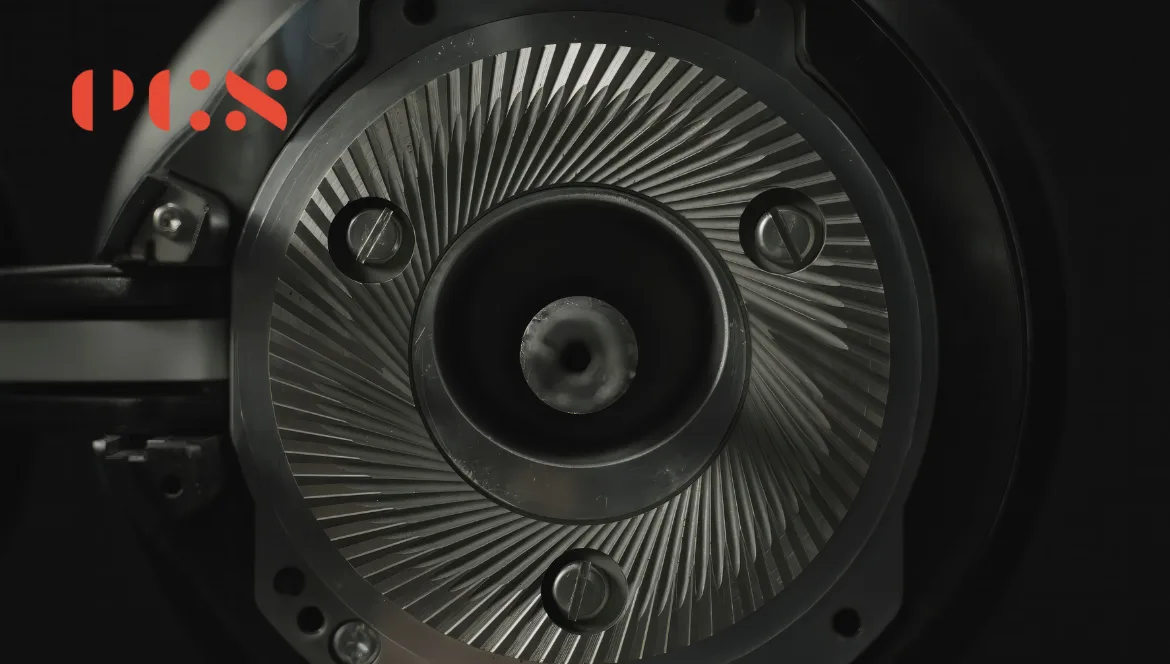 Flat or conical burrs? That is the question
The coffee grinder is among the most important equipment for any barista and home barista. When it comes to choosing...Read more
Flat or conical burrs? That is the question
The coffee grinder is among the most important equipment for any barista and home barista. When it comes to choosing...Read more -
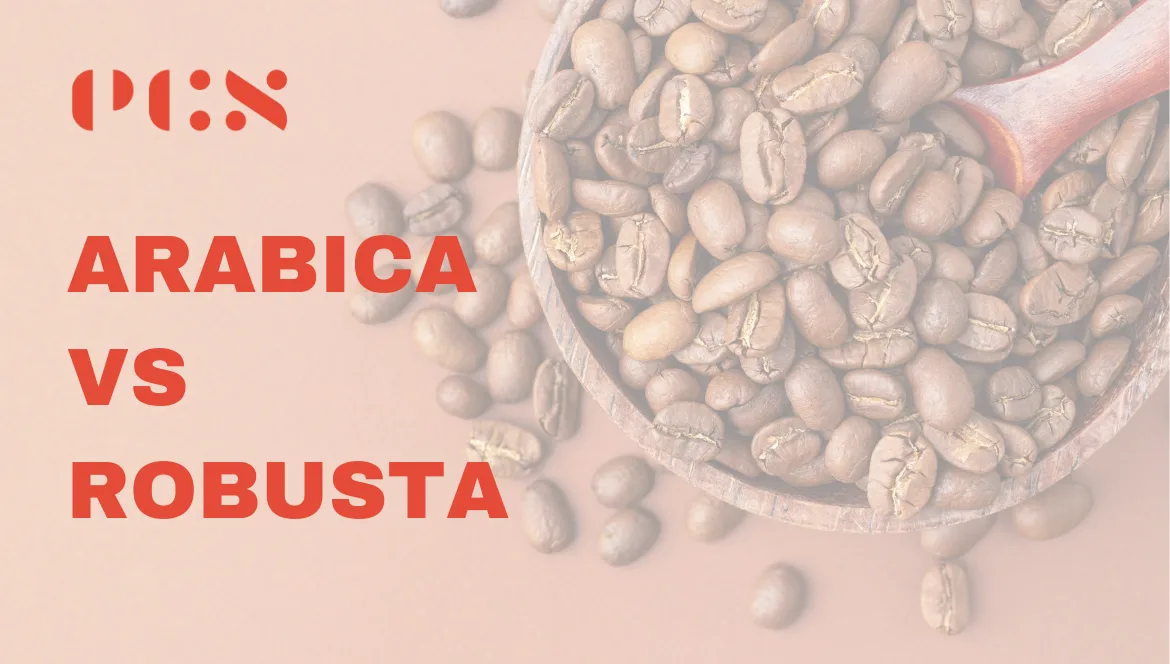 Arabica vs. Robusta: the main differences between the two most popular coffee varieties
When it comes to choosing the perfect coffee, there are two names that immediately come to mind: Arabica and...Read more
Arabica vs. Robusta: the main differences between the two most popular coffee varieties
When it comes to choosing the perfect coffee, there are two names that immediately come to mind: Arabica and...Read more -
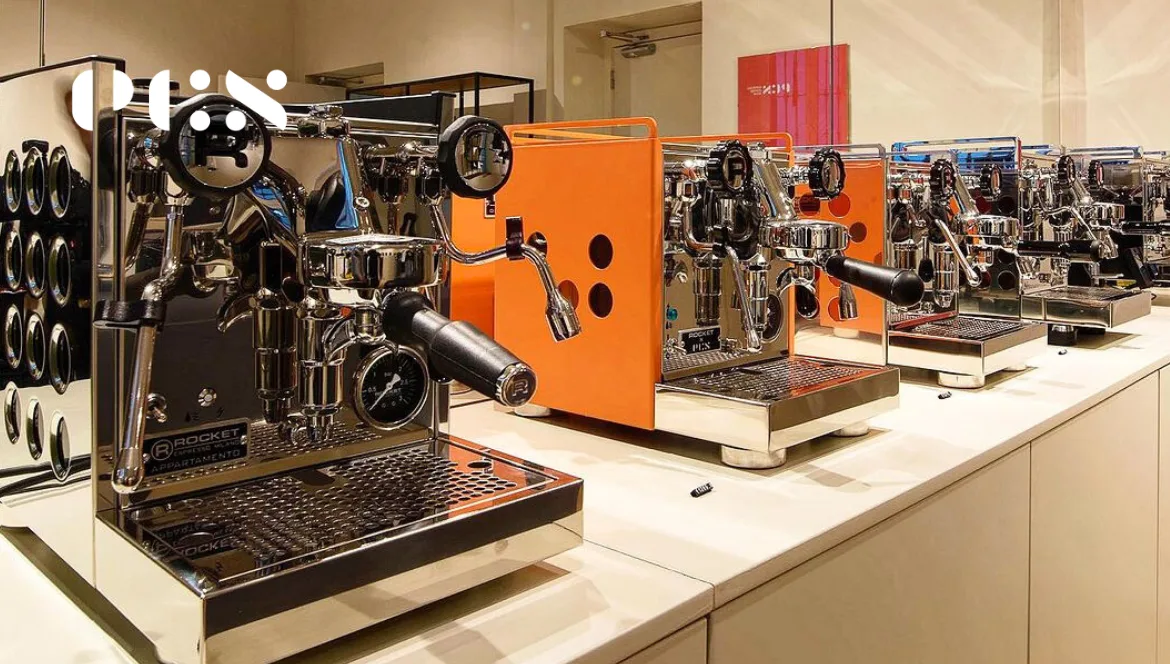 The first store Espresso Coffee Shop in Italy!
We are excited to announce the opening of our Temporary Shop in Milan, an must-visit meeting point for all coffee...Read more
The first store Espresso Coffee Shop in Italy!
We are excited to announce the opening of our Temporary Shop in Milan, an must-visit meeting point for all coffee...Read more -
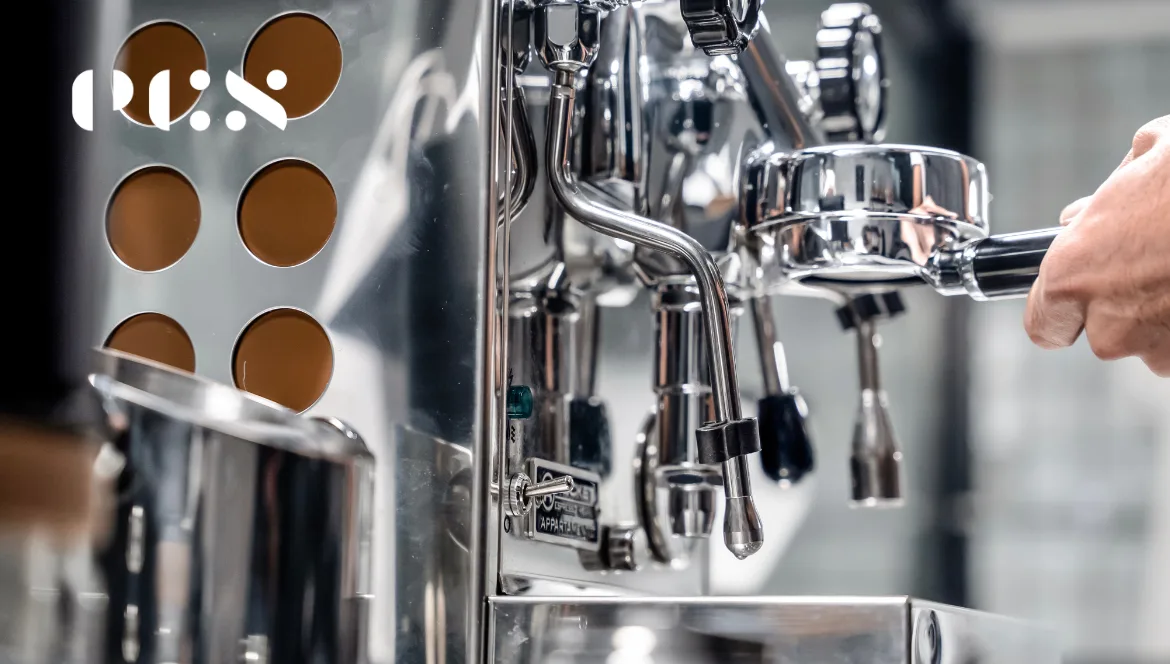 Different types of group heads: complete guide to help you choose the right espresso machine
When choosing an espresso machine, the group head is one of the most important components to consider. It plays a key...Read more
Different types of group heads: complete guide to help you choose the right espresso machine
When choosing an espresso machine, the group head is one of the most important components to consider. It plays a key...Read more
Leave a comment