


Espresso pairing is all about finding the right balance between coffee intensity and food flavors. This guide...
Please, visit the correct shop for your location:
International Site


It looks like you are not from the USA,
please visit the correct shop for your location:


 Espresso Machines
Coffee Grinders
Set
Accessories
Coffee
Pour Over
Design Collection
Deals
Best Of Black Friday
Brands
Espresso Machines
Coffee Grinders
Set
Accessories
Coffee
Pour Over
Design Collection
Deals
Best Of Black Friday
Brands
Espresso Coffee Shop
+Assistance and services
+-
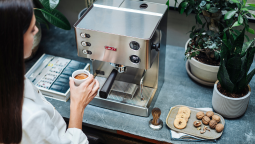 Espresso Pairing Guide: Foods That Complement Your CoffeeRead more08/31/2026
 -
 Coffee Catering Services: Mobile Espresso Solutions for EventsRead more
Coffee catering brings a complete espresso experience directly to weddings, corporate events, private parties, and...
08/27/2026 -
 Coffee Shop Design: Creating the Perfect Espresso Bar LayoutRead more
Designing the perfect coffee shop layout starts with creating an efficient espresso bar workflow. A well-planned...
08/25/2026 -
 Specialty Coffee Trends: Staying Competitive in the Espresso MarketRead more
Specialty coffee trends are transforming the espresso market as consumers increasingly prioritize quality,...
08/25/2026 -
 Espresso Machine Leasing vs Buying: What's Best for Your Business?Read more
Should you lease or buy an espresso machine for your business? This guide compares the costs, benefits, and long-term...
07/14/2026 -
 Espresso and Health: Benefits, Caffeine Content, and Wellness ConsiderationsRead more
Wondering how espresso affects your health? Learn how much caffeine is in a shot, what research says about...
07/14/2026 -
 Espresso Gift Guide: Perfect Presents for Coffee EnthusiastsRead more
Discover practical espresso gift ideas for every budget with this guide from Espresso Coffee Shop USA. From...
07/08/2026 -
 Office Coffee Solutions: Bringing Quality Espresso to the WorkplaceRead more
Create a better workplace coffee experience with the right office coffee solutions. This guide explains how to choose...
07/08/2026 -
 Italian Espresso Bar Etiquette: How to Order Like a LocalRead more
Discover the essential etiquette of an Italian espresso bar, from ordering coffee like a local to understanding when...
07/08/2026 -
 Sustainable Espresso: Eco-Friendly Practices and Equipment for 2026Read more
A sustainable espresso setup combines high-quality coffee with environmentally responsible choices. From durable,...
06/23/2026
Blog categories
Search in blog
Regional Italian Coffee Preferences: From North to South
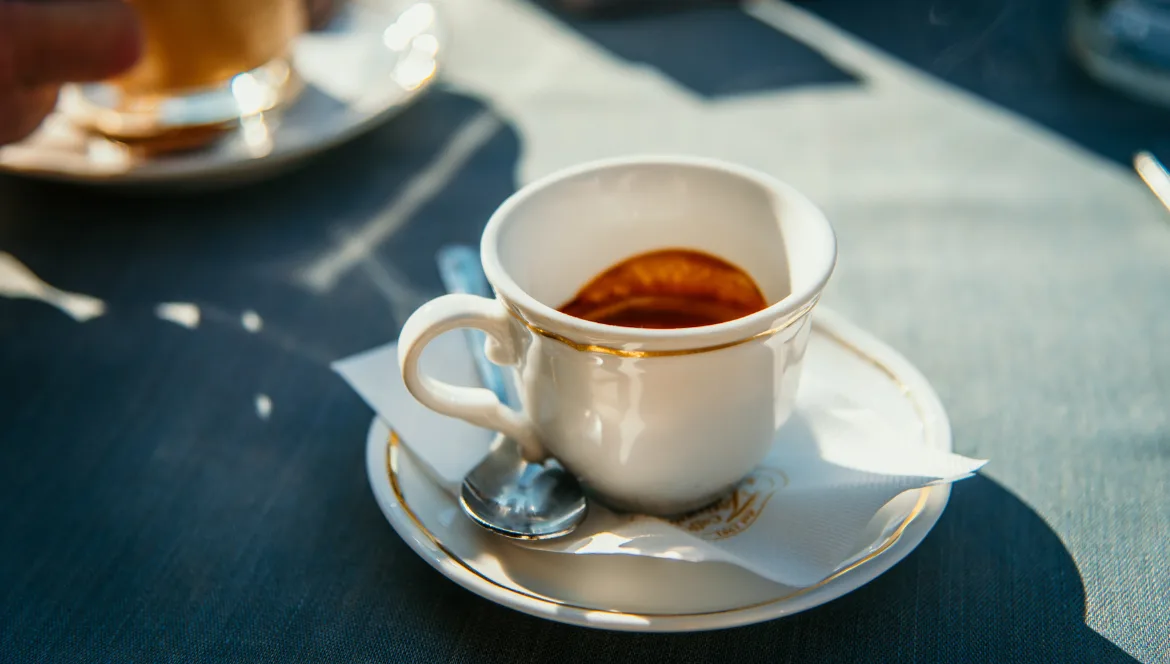
Italy’s coffee culture is a mosaic of regional traditions. Preferences range so widely from Milan to Palermo that the same drink can feel entirely different in each city. In the north, espresso is consumed quickly, standing at a marble bar, often before 9 a.m. In the south, coffee is slower, sweeter, and rooted in hospitality. These regional distinctions reveal how geography, history, and routine shape daily life. This guide travels Italy from top to bottom, showing readers not only what people actually order in each region, but also how these choices reflect bigger cultural differences.
Regional Italian Coffee Preferences: A Nation Divided by the Cup
Italy's coffee culture is often misunderstood as a single, unified tradition. In reality, the peninsula's north-to-south divide, well-documented in food, dialect, and architecture, runs just as deep through the espresso bar.
Several factors shape regional coffee habits. Climate, proximity to trade routes, local agriculture, and the economic history of each area all play a role. But the most consistent driver is simply local pride. Italians are territorial about coffee in a way that's almost endearing. Ask a Neapolitan about Milanese espresso, and you'll likely get a polite wince.
The North: Fast, Strong, and No-Frills
Coffee Culture in Milan and the Po Valley
Northern Italy, and Milan in particular, is where Italy's most hurried coffee culture lives. The espresso here is typically short, intense, and consumed standing at the bar in under three minutes. This isn't rudeness, it's ritual. The bar is a social institution, but the interaction is efficient. Professionals stop in, exchange a word with the barista, drink their espresso, and move on.
Ristretto is especially popular in the northwest. This ultra-short extraction uses roughly half the water of a standard espresso, producing a more concentrated, syrupy shot with less bitterness. In Turin, capital of the Piedmont region, coffee culture is influenced by the city's long association with chocolate and pastry. The bicerin, a layered drink of espresso, drinking chocolate, and cream, originated here in the 18th century and remains a local institution.
Venetians, meanwhile, have their own variation: the caffe corretto, espresso "corrected" with a small pour of grappa or sambuca. It's particularly common in the morning hours among older generations, a tradition that surprises many visitors.
Key Northern Coffee Characteristics
Preferred style: ristretto, standard espresso, bicerin (Turin). Drinking setting: standing at the bar Pace: fast, transactional Sweetener use: moderate, often unsweetened.
Central Italy: The Balanced Middle Ground
Roman Coffee Habits and Tuscan Preferences
Rome sits at an interesting crossroads of Italian coffee identity. Romans drink espresso at a pace somewhere between the brisk north and the leisurely south. The standard caffe in Rome is slightly longer than a Milanese ristretto but still decidedly short compared to what most non-Italians picture.
Caffe lungo, an espresso pulled with more water, is more common here than in the north, where longer extractions are sometimes viewed with suspicion. Rome is also one of the few Italian cities where cappuccino culture has remained genuinely strong, though strict about timing: ordering one after 11 a.m. still raises eyebrows in traditional bars.
Tuscany brings its own sensibility. Florence's coffee scene leans toward craftsmanship without excess. Speciality coffee has found a more receptive audience here than almost anywhere else in Italy, possibly because Florentines have a cultural appetite for quality that transcends trends.
The South: Sweet, Slow, and Serious
Neapolitan Coffee Tradition and the Southern Italian Coffee Ritual
No discussion of regional Italian coffee preferences is complete without Naples. The city's relationship with espresso is arguably the most intense in the country. Neapolitan espresso is brewed with water drawn from a specific local source, roasted darker than most northern blends, and served in pre-warmed ceramic cups. The result is a thick, rich shot with a heavy crema and a sweetness that doesn't require added sugar, though sugar is usually added anyway.
The caffe sospeso, or "suspended coffee," is a Neapolitan tradition in which a customer pays for two coffees but drinks only one, leaving the second for whoever needs it. It's a small act of community that has travelled well beyond Naples and now operates in coffee shops across Europe and North America.
Sicily adds its own dimension. In summer months, a caffe in ghiaccio espresso, poured over ice and sometimes mixed with almond milk, is the preferred choice. Sicilian almonds lend a unique character to local coffee traditions that have no real equivalent elsewhere in Italy.
Key Southern Coffee Characteristics
Preferred style: short, dark espresso, caffe in ghiaccio (Sicily)
Drinking setting: bar, home, social gatherings
Pace: slower, more conversational.
Sweetener use: consistently high, often two spoons of sugar
Why These Differences Still Matter Today
Italy's regional coffee distinctions haven't been flattened by globalisation the way some cultural traditions have. Part of the reason is structural: Italian coffee culture lives primarily in small, independent bars rather than chains. Baristas in Naples have often been trained within the same local tradition for generations. There's genuine institutional memory here.
The rise of speciality coffee has added a new layer of complexity. Younger Italians in cities like Milan, Rome, and Florence are increasingly open to filter coffee, pour-over methods, and single-origin beans. But this coexists with, rather than replacing, traditional regional habits. An older Milanese professional and a twenty-something speciality coffee enthusiast can both be loyal to their local bar, but they've just inherited different definitions of what makes a good cup.
For anyone travelling through Italy, understanding regional coffee preferences transforms the espresso bar from a stop into an experience. Knowing that the thick, sugary espresso in Naples isn't a compromise but a centuries-old standard, or that the quick exchange at a Milanese bar is its own kind of warmth, changes how you show up and what you notice.
Coffee in Italy has never been just a drink. Region by region, it's a way of being.
Frequently Asked Questions
Q: What kind of coffee do Italians drink most commonly?
A: Espresso is the baseline across all regions, but how it's prepared, served, and consumed varies significantly from north to south. Ristretto dominates in the northwest; darker, sweeter espresso is the norm in Naples and Sicily.
Q: Do Italians drink cappuccino throughout the day?
A: Not traditionally. In most of Italy, cappuccino is a morning drink, consumed before 11 a.m. Ordering one after lunch is considered unusual in traditional bars, though attitudes are slowly shifting in larger cities.
Q: What is caffè sospeso, and where did it originate?
A: Caffe sospeso is a Neapolitan tradition in which a customer pays for an extra coffee to be claimed later by someone in need. It originated in Naples and has since spread internationally as a symbol of community generosity.
Q: Is speciality coffee popular in Italy?
A: It's growing, particularly in northern and central cities among younger consumers. However, it exists alongside rather than replacing traditional espresso culture, and most Italians still identify their local neighbourhood bar as their primary coffee experience.
Q: How does Sicilian coffee differ from mainland Italian coffee?
A: Sicily incorporates local flavours more distinctly, including almond milk in coffee drinks. In summer, caffè in ghiaccio (espresso over ice) is widely popular. The island's coffee culture reflects both mainland Italian traditions and its own geographic and cultural identity.
Related posts
-
 Understanding Espresso Machines: Single Boiler, Dual Boiler, and Heat Exchanger Models
Choosing the right espresso machine can elevate your coffee experience to new heights. At Espresso Coffee Shop we...Read more
Understanding Espresso Machines: Single Boiler, Dual Boiler, and Heat Exchanger Models
Choosing the right espresso machine can elevate your coffee experience to new heights. At Espresso Coffee Shop we...Read more -
 How to properly store coffee
If you, too, are a true coffee enthusiast, meticulously selecting the varieties you like best and eagerly...Read more
How to properly store coffee
If you, too, are a true coffee enthusiast, meticulously selecting the varieties you like best and eagerly...Read more -
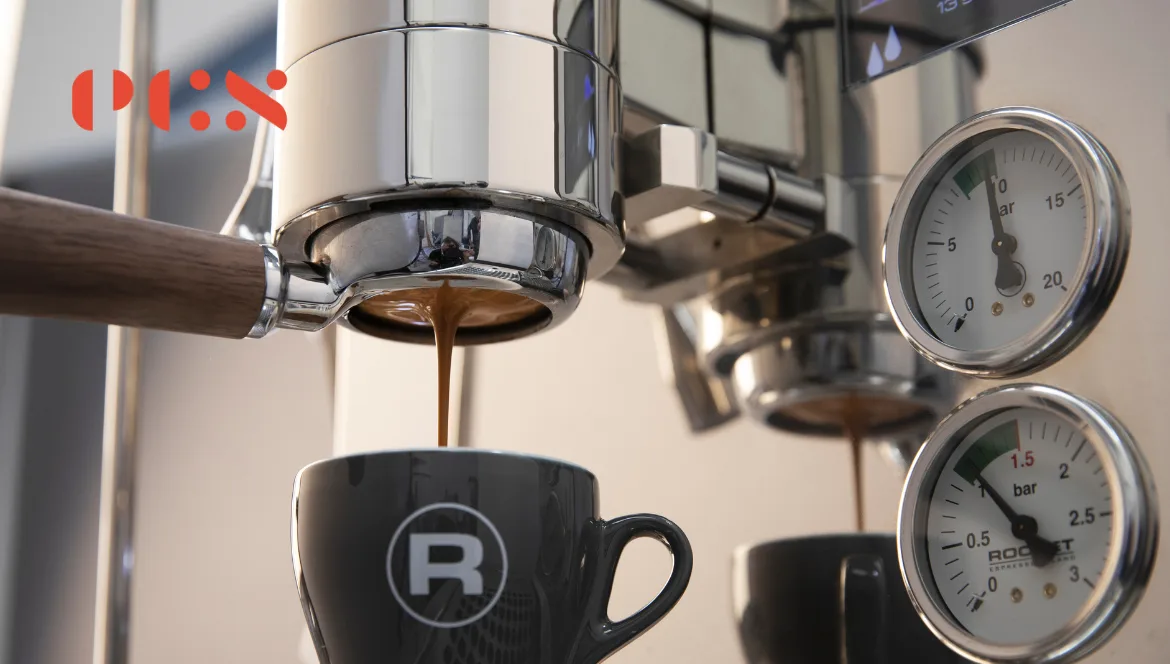 Bottomless portafilter? Here are the aspects to be considered
The search for the perfect espresso is a long road, and there are several tools that can help achieve the perfect...Read more
Bottomless portafilter? Here are the aspects to be considered
The search for the perfect espresso is a long road, and there are several tools that can help achieve the perfect...Read more -
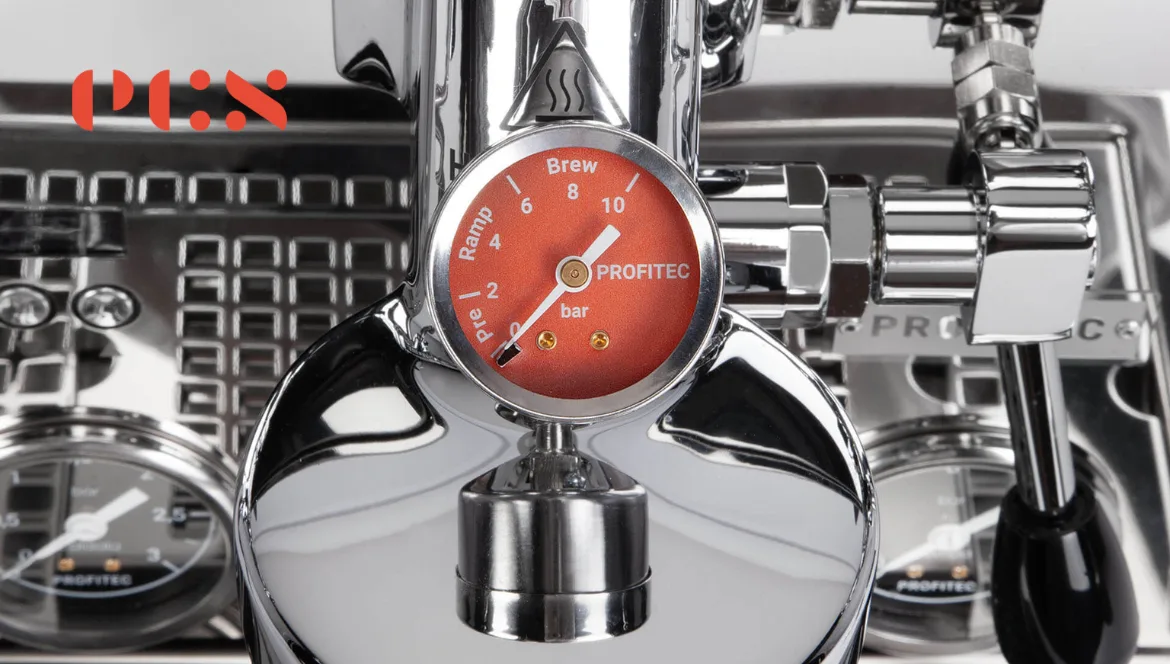 PROFITEC DRIVE: the home machine with professional performance
Drive is the most recent entry in the Profitec household and the evolution of the already highly appreciated Pro 700....Read more
PROFITEC DRIVE: the home machine with professional performance
Drive is the most recent entry in the Profitec household and the evolution of the already highly appreciated Pro 700....Read more -
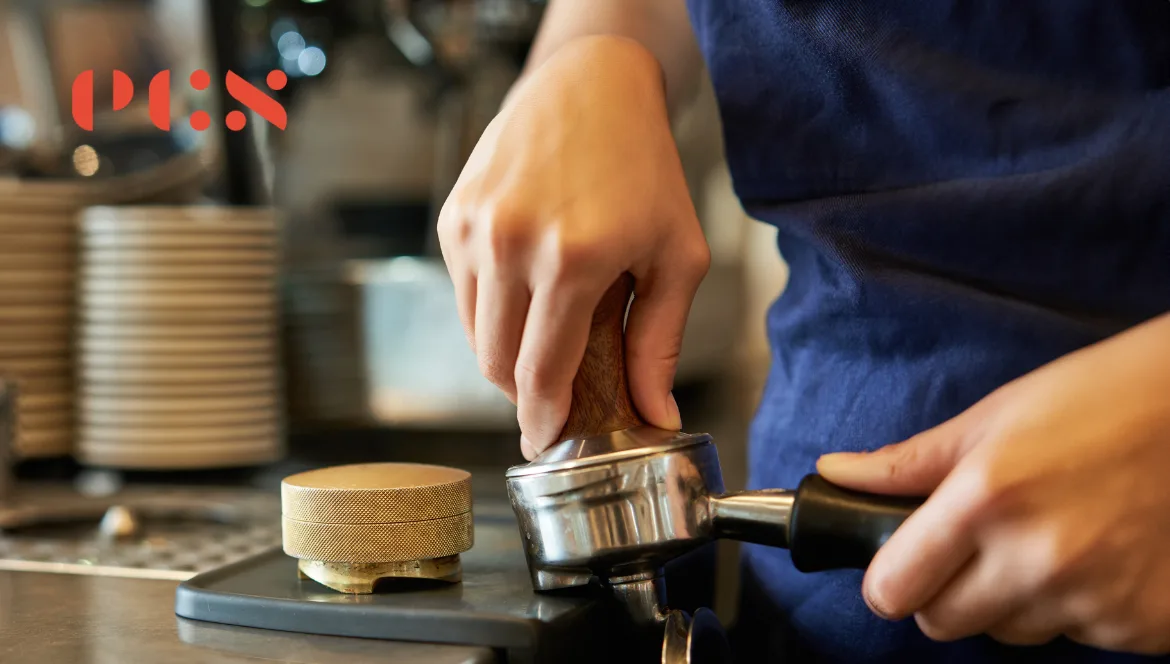 All about a good tamping
To make good coffee, it is important to have the right equipment, quality coffee and not only. It is also necessary...Read more
All about a good tamping
To make good coffee, it is important to have the right equipment, quality coffee and not only. It is also necessary...Read more
Leave a comment