


Espresso pairing is all about finding the right balance between coffee intensity and food flavors. This guide...
Please, visit the correct shop for your location:
International Site


It looks like you are not from the USA,
please visit the correct shop for your location:


 Espresso Machines
Coffee Grinders
Set
Accessories
Coffee
Pour Over
Design Collection
Deals
Best Of Black Friday
Brands
Espresso Machines
Coffee Grinders
Set
Accessories
Coffee
Pour Over
Design Collection
Deals
Best Of Black Friday
Brands
Espresso Coffee Shop
+Assistance and services
+-
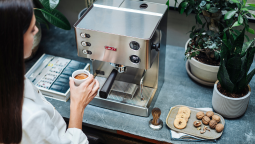 Espresso Pairing Guide: Foods That Complement Your CoffeeRead more08/31/2026
 -
 Coffee Catering Services: Mobile Espresso Solutions for EventsRead more
Coffee catering brings a complete espresso experience directly to weddings, corporate events, private parties, and...
08/27/2026 -
 Coffee Shop Design: Creating the Perfect Espresso Bar LayoutRead more
Designing the perfect coffee shop layout starts with creating an efficient espresso bar workflow. A well-planned...
08/25/2026 -
 Specialty Coffee Trends: Staying Competitive in the Espresso MarketRead more
Specialty coffee trends are transforming the espresso market as consumers increasingly prioritize quality,...
08/25/2026 -
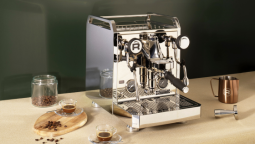 Espresso Machine Leasing vs Buying: What's Best for Your Business?Read more
Should you lease or buy an espresso machine for your business? This guide compares the costs, benefits, and long-term...
07/14/2026 -
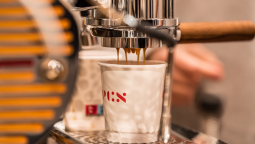 Espresso and Health: Benefits, Caffeine Content, and Wellness ConsiderationsRead more
Wondering how espresso affects your health? Learn how much caffeine is in a shot, what research says about...
07/14/2026 -
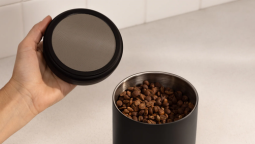 Espresso Gift Guide: Perfect Presents for Coffee EnthusiastsRead more
Discover practical espresso gift ideas for every budget with this guide from Espresso Coffee Shop USA. From...
07/08/2026 -
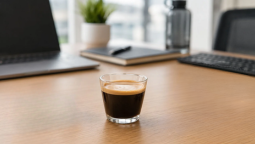 Office Coffee Solutions: Bringing Quality Espresso to the WorkplaceRead more
Create a better workplace coffee experience with the right office coffee solutions. This guide explains how to choose...
07/08/2026 -
 Italian Espresso Bar Etiquette: How to Order Like a LocalRead more
Discover the essential etiquette of an Italian espresso bar, from ordering coffee like a local to understanding when...
07/08/2026 -
 Sustainable Espresso: Eco-Friendly Practices and Equipment for 2026Read more
A sustainable espresso setup combines high-quality coffee with environmentally responsible choices. From durable,...
06/23/2026
Blog categories
Search in blog
From Milan to New York: How Italian Espresso Conquered America
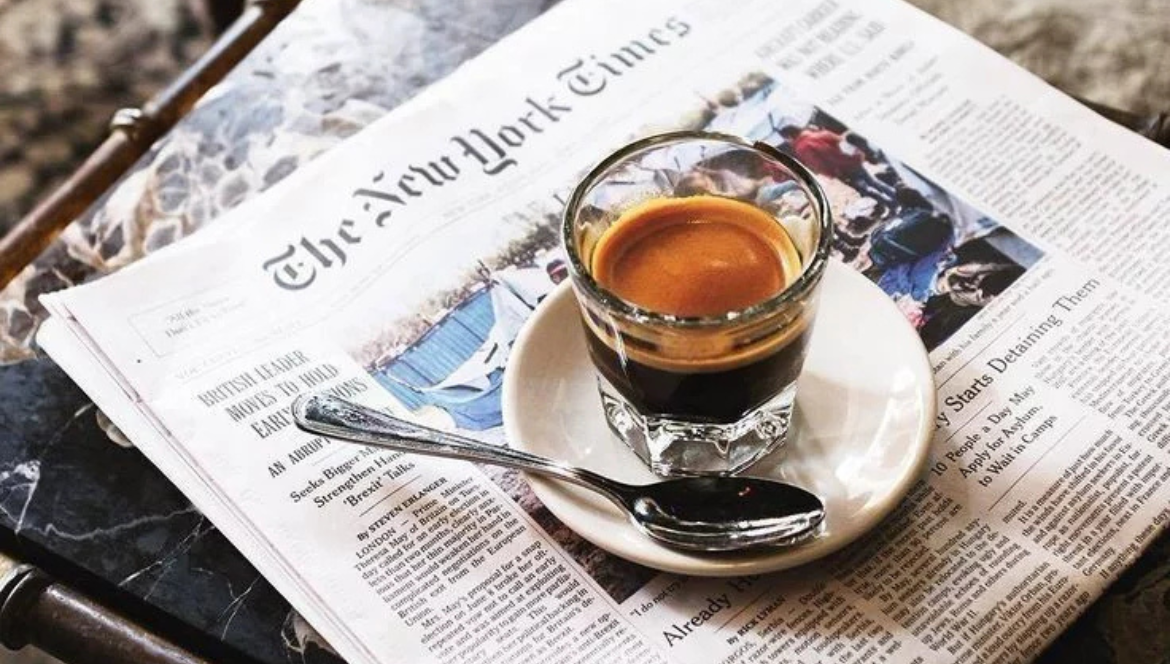
Italian espresso traveled from Milan's bustling bars to New York's busy streets, reshaping how Americans drink coffee. This story blends migration, craftsmanship, and culture into a single cup. In this guide, you will learn how Italian espresso reached America, why it became so loved, and how today's home baristas can recreate that authentic café experience with the right machine, grinder, and beans.
The Milanese Origins of Italian Espresso
Espresso was born in early 1900s Italy, when inventors in Turin and Milan engineered machines that pushed pressurized water through finely ground coffee. By the 1940s, the lever-piston machine, perfected by Achille Gaggia, gave the world the rich, golden crema that defines a true shot.
Milan quickly became the cultural heart of this ritual. Locals stood at marble counters, sipped a quick espresso, exchanged a few words with the barista, and continued their day. The drink was small, intense, and deeply social. This daily habit shaped what we now call Italian coffee culture, a tradition built on speed, quality, and connection.
Crossing the Atlantic: How Italian Espresso Reached America
Italian immigrants carried their love of espresso with them when they settled in cities like New York, Boston, and San Francisco in the late 19th and early 20th centuries. Neighborhoods such as Little Italy in Manhattan and North Beach in San Francisco became early homes for espresso bars.
Caffè Reggio, opened in Greenwich Village in 1927, is often credited with serving the first cappuccino in the United States. Its original espresso machine, imported from Italy, is still on display today. These early cafés introduced Americans to a slower, more intentional way of drinking coffee, very different from the drip coffee found in diners.
How Italian Espresso Shaped Modern American Coffee Culture
The Rise of the Specialty Cafe
By the 1980s and 1990s, American coffee chains began studying the Italian model closely. Howard Schultz famously visited Milan in 1983 and returned inspired to bring the espresso bar experience to a wider American audience. While the format evolved, the foundation remained Italian: espresso as the base for cappuccino, latte, macchiato, and americano.
The Home Espresso Movement
Today, more Americans are bringing the café home. Quality machines from brands such as Rocket, Lelit, and Rancilio, along with precision grinders from Eureka and Mahlkönig, allow coffee lovers to pull professional-grade shots in their own kitchens. This shift has fuelled the home espresso movement and a renewed interest in authentic Italian craftsmanship.
What Makes Italian Espresso Different
A genuine Italian espresso is not just about the bean. It is the combination of:
- Pressure and temperature precision, usually nine bars at around 92 to 94 degrees Celsius
- Freshly ground coffee, dosed and tamped with care.
- A skilled hand, whether a barista or a home enthusiast
- The right equipment, often built in Italy with decades of engineering heritage.
The result is a small, balanced cup with a thick crema, sweet aroma, and a clean finish. It is the same experience that has defined Italian coffee houses for nearly a century.
Building Your Own Italian Espresso Experience at Home
You do not need a cafe in Milan to enjoy authentic espresso. With guidance from trusted specialists, you can create a setup that fits your space, budget, and skill level.
At Espresso Coffee Shop USA, we have helped over 100,000 coffee lovers worldwide since 1997. Now serving customers across the United States directly, we offer a curated selection of espresso machines, coffee grinders, matched sets, accessories, and Italian coffee blends. Customers can also book a virtual consultation for one-on-one expert advice.
This is what sets Italian espresso apart in America today: it is no longer just a drink found in a café. It is a craft anyone can practice at home, with the right tools and a little guidance.
A Story Still Being Written
From a marble counter in Milan to a kitchen counter in New York, Italian espresso has travelled further than most cultural exports. It survived because it offered something simple yet meaningful: a moment of pause, flavor, and connection. As more Americans invest in quality equipment and learn the craft, that tradition continues to grow.
Frequently Asked Questions
Q: When did Italian espresso first arrive in America?
A: Italian espresso arrived with immigrants in the late 1800s and early 1900s. Caffè Reggio in New York, opened in 1927, is widely recognized as one of the first cafés in the U.S. to serve authentic Italian espresso drinks.
Q: What is the difference between Italian espresso and American coffee?
A: Italian espresso is a small, concentrated shot pulled under pressure, while American drip coffee is larger and brewed slowly. Italian espresso also tends to have a thicker crema and a more intense flavor profile.
Q: Do I need an Italian machine to make authentic espresso at home?
A: Italian machines are valued for their engineering, durability, and heritage. Brands like Rocket, Lelit, and Rancilio are popular choices because they deliver consistent pressure and temperature, both essential for true espresso.
Q: What grinder works best for Italian espresso?
A: A burr grinder with fine adjustments, such as those from Eureka or Mahlkönig, is recommended. Grind consistency directly affects extraction and crema quality.
Q: Can I get expert help choosing the right setup?
A: Yes. Espresso Coffee Shop USA offers virtual consultations in which specialists guide you through machine and grinder choices tailored to your budget and needs.
Related posts
-
 Understanding Espresso Machines: Single Boiler, Dual Boiler, and Heat Exchanger Models
Choosing the right espresso machine can elevate your coffee experience to new heights. At Espresso Coffee Shop we...Read more
Understanding Espresso Machines: Single Boiler, Dual Boiler, and Heat Exchanger Models
Choosing the right espresso machine can elevate your coffee experience to new heights. At Espresso Coffee Shop we...Read more -
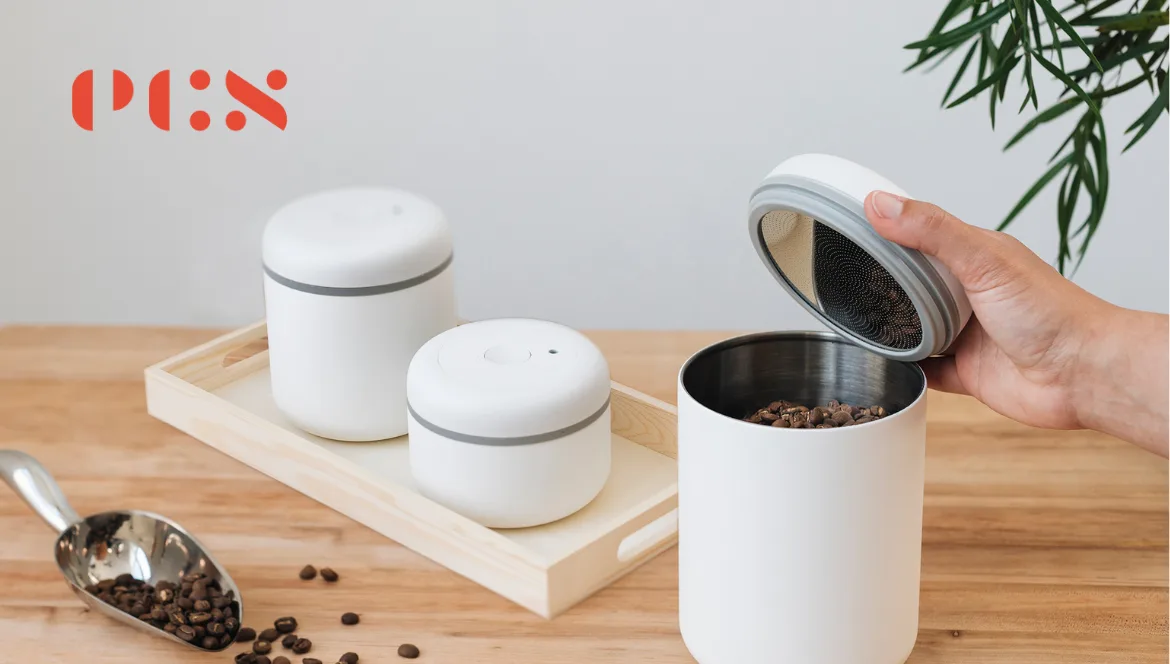 How to properly store coffee
If you, too, are a true coffee enthusiast, meticulously selecting the varieties you like best and eagerly...Read more
How to properly store coffee
If you, too, are a true coffee enthusiast, meticulously selecting the varieties you like best and eagerly...Read more -
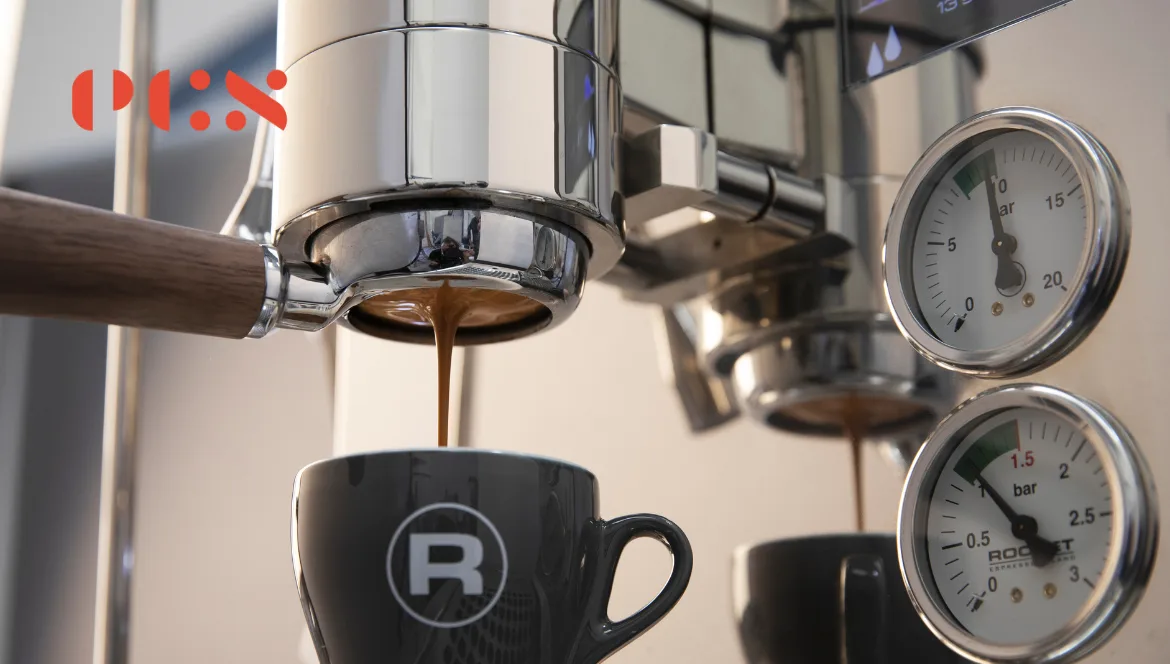 Bottomless portafilter? Here are the aspects to be considered
The search for the perfect espresso is a long road, and there are several tools that can help achieve the perfect...Read more
Bottomless portafilter? Here are the aspects to be considered
The search for the perfect espresso is a long road, and there are several tools that can help achieve the perfect...Read more -
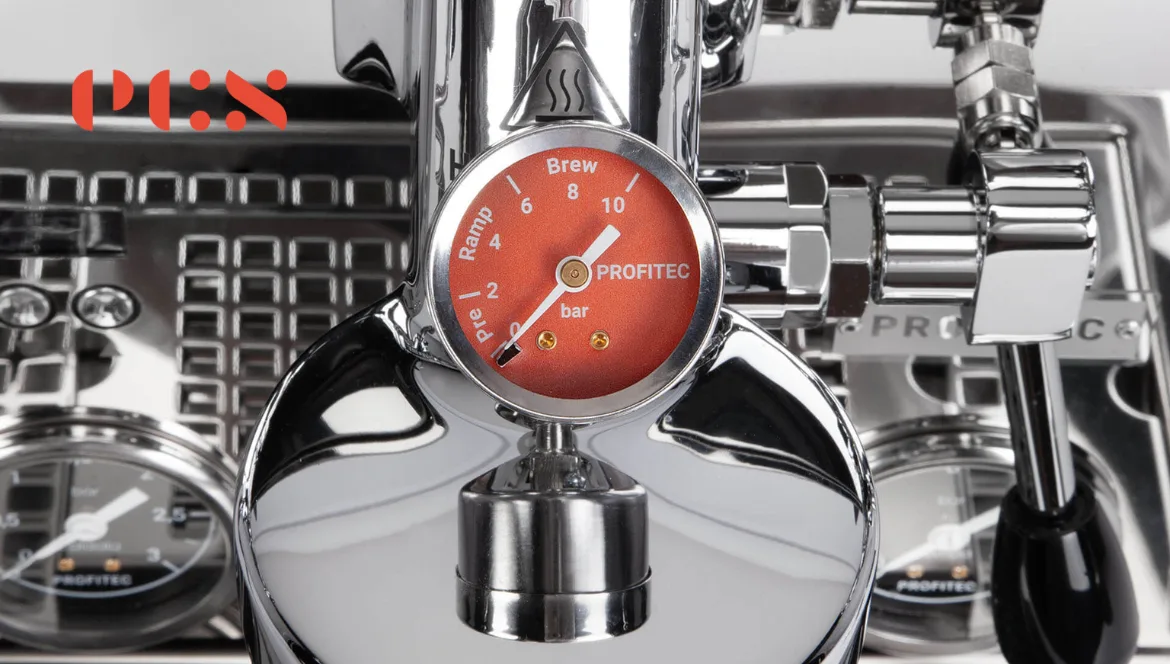 PROFITEC DRIVE: the home machine with professional performance
Drive is the most recent entry in the Profitec household and the evolution of the already highly appreciated Pro 700....Read more
PROFITEC DRIVE: the home machine with professional performance
Drive is the most recent entry in the Profitec household and the evolution of the already highly appreciated Pro 700....Read more -
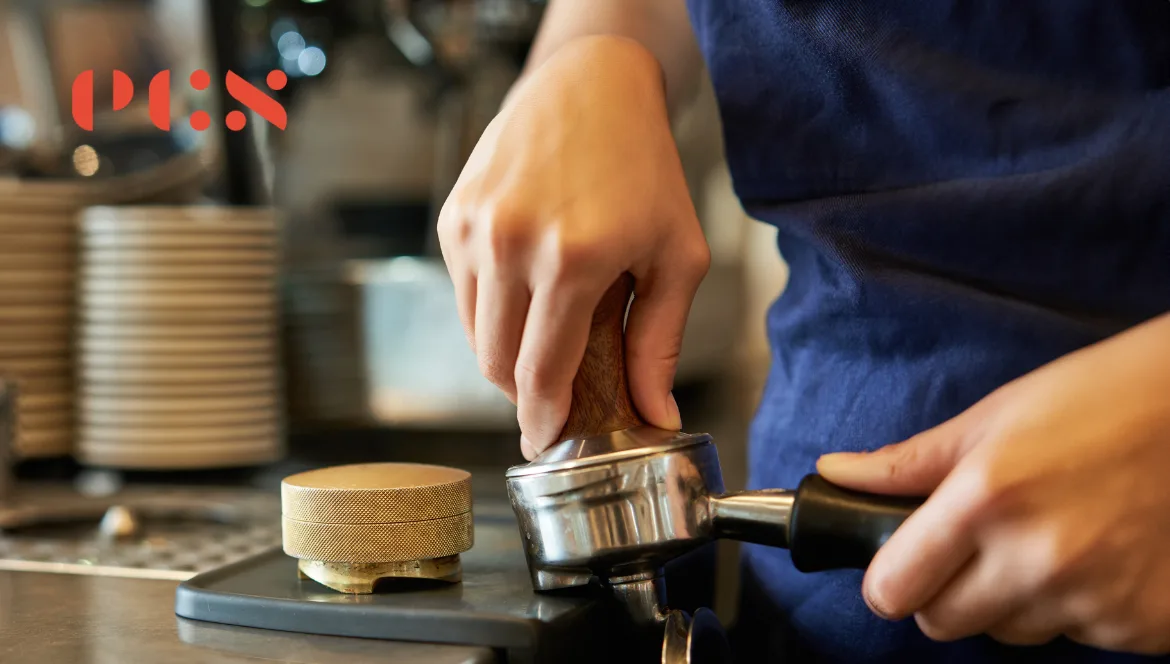 All about a good tamping
To make good coffee, it is important to have the right equipment, quality coffee and not only. It is also necessary...Read more
All about a good tamping
To make good coffee, it is important to have the right equipment, quality coffee and not only. It is also necessary...Read more
Leave a comment