


Espresso pairing is all about finding the right balance between coffee intensity and food flavors. This guide...
Please, visit the correct shop for your location:
International Site


It looks like you are not from the USA,
please visit the correct shop for your location:


 Espresso Machines
Coffee Grinders
Set
Accessories
Coffee
Pour Over
Design Collection
Deals
Best Of Black Friday
Brands
Espresso Machines
Coffee Grinders
Set
Accessories
Coffee
Pour Over
Design Collection
Deals
Best Of Black Friday
Brands
Espresso Coffee Shop
+Assistance and services
+-
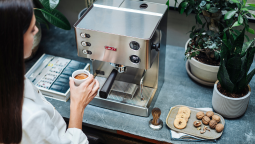 Espresso Pairing Guide: Foods That Complement Your CoffeeRead more08/31/2026
 -
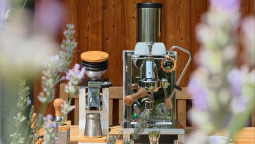 Coffee Catering Services: Mobile Espresso Solutions for EventsRead more
Coffee catering brings a complete espresso experience directly to weddings, corporate events, private parties, and...
08/27/2026 -
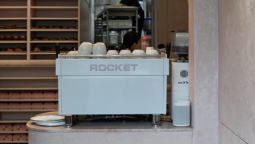 Coffee Shop Design: Creating the Perfect Espresso Bar LayoutRead more
Designing the perfect coffee shop layout starts with creating an efficient espresso bar workflow. A well-planned...
08/25/2026 -
 Specialty Coffee Trends: Staying Competitive in the Espresso MarketRead more
Specialty coffee trends are transforming the espresso market as consumers increasingly prioritize quality,...
08/25/2026 -
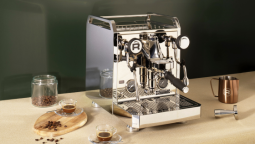 Espresso Machine Leasing vs Buying: What's Best for Your Business?Read more
Should you lease or buy an espresso machine for your business? This guide compares the costs, benefits, and long-term...
07/14/2026 -
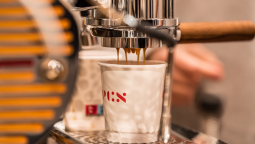 Espresso and Health: Benefits, Caffeine Content, and Wellness ConsiderationsRead more
Wondering how espresso affects your health? Learn how much caffeine is in a shot, what research says about...
07/14/2026 -
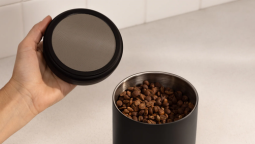 Espresso Gift Guide: Perfect Presents for Coffee EnthusiastsRead more
Discover practical espresso gift ideas for every budget with this guide from Espresso Coffee Shop USA. From...
07/08/2026 -
 Office Coffee Solutions: Bringing Quality Espresso to the WorkplaceRead more
Create a better workplace coffee experience with the right office coffee solutions. This guide explains how to choose...
07/08/2026 -
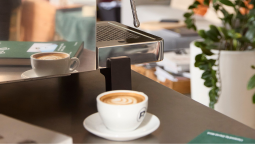 Italian Espresso Bar Etiquette: How to Order Like a LocalRead more
Discover the essential etiquette of an Italian espresso bar, from ordering coffee like a local to understanding when...
07/08/2026 -
 Sustainable Espresso: Eco-Friendly Practices and Equipment for 2026Read more
A sustainable espresso setup combines high-quality coffee with environmentally responsible choices. From durable,...
06/23/2026
Blog categories
Search in blog
Future of Espresso: Smart Machines and Technology Innovations
The way we make espresso at home has changed more in the past two years than in the previous two decades. Smart espresso machines now use precision sensors and app connectivity to deliver café-quality results once available only behind a commercial bar. Whether you are a seasoned home barista or someone who just wants a consistently great shot without guesswork, the technology shaping today's machines is genuinely worth understanding. This guide breaks down what is actually new, what it means in practice, and where the next wave of innovation is heading.
What Makes a Smart Espresso Machine Different?
Moving Beyond Preset Buttons
Traditional espresso machines rely on fixed settings: a pump delivers pressure, a boiler heats water, and the rest is largely up to the user. Smart espresso machines replace that passive process with active intelligence.
At a mechanical level, the shift comes down to sensors and software working together. A modern connected machine continuously monitors variables like water temperature, flow rate, and extraction pressure, then adjusts them in real time. The result is a level of consistency that manual dialling-in alone rarely achieves.
The core technologies driving this shift include:
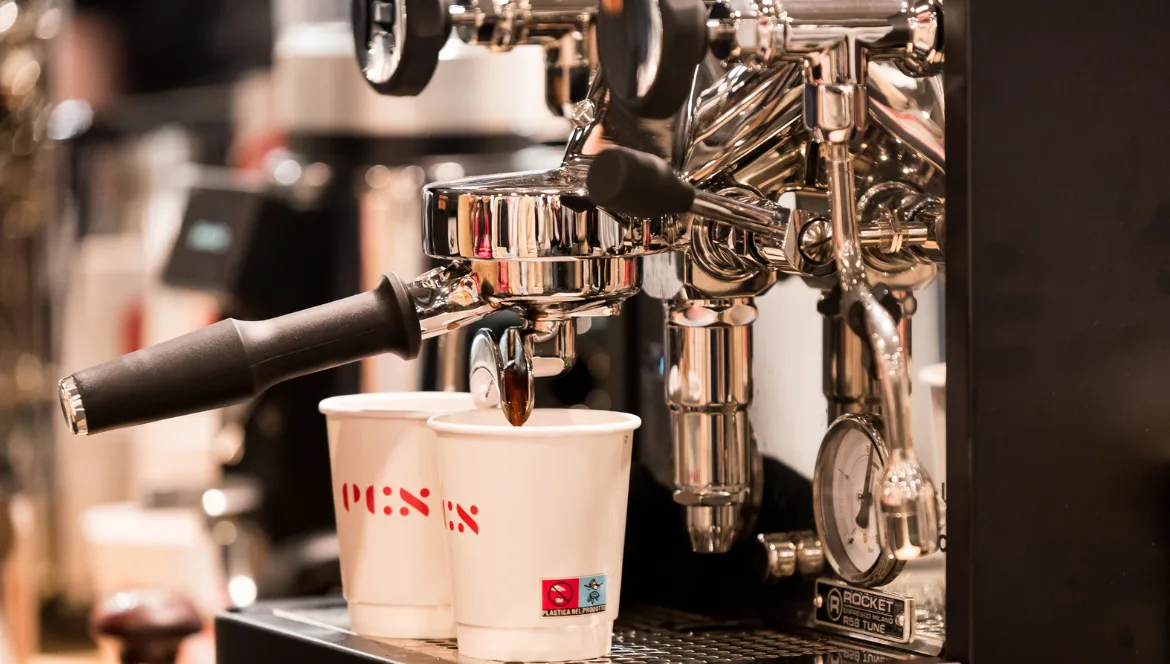
PID Temperature Control (Updated): PID (Proportional-Integral-Derivative) controllers regulate boiler temperature with far greater precision than older thermostat-based systems, maintaining the exact degree range needed for optimal extraction. What was a premium differentiator just five years ago is now considered standard on most mid-range machines. Machines such as the Rocket Mozzafiato, Giotto R Fast, Rancilio Silvia Pro X, and Rocket R58 Tune are strong examples of how PID control has been implemented to deliver consistent, repeatable results at home.
Pressure Profiling (Updated): Perhaps the most significant advance in espresso technology in recent years, pressure profiling allows the machine to vary extraction pressure across the shot rather than applying a fixed 9 bars throughout. This unlocks flavour nuances that static pressure cannot produce. Competitive baristas have used manual profiling for years; smart machines now put that control in the hands of anyone willing to explore it. The Rocket R Nine One and the Rocket Epica are standout examples of machines that bring genuine pressure profiling capability to the home setup.
Integrated Shot Logging (Updated): Higher-end smart machines track each extraction, recording temperature, yield, flow rate, and timing. When a shot tastes noticeably different, you have actual data to work backwards from, rather than guesswork. The Rocket Bicocca is a prime example of this approach, giving users a detailed record of every shot pulled to support ongoing refinement.
Smart Espresso Machine Technology and Sustainability
Efficiency as a Design Priority
The automated espresso machine market was valued at approximately $3.42 billion in 2025 and is projected to grow to nearly $5.91 billion by 2034. A significant driver of that growth is consumer demand for machines that perform well without unnecessary energy use.
Energy-efficient heating systems, water-quality sensors that reduce scale buildup and extend machine life, and recyclable component designs are becoming standard considerations rather than optional extras. In Europe, tightening EU ecodesign regulations are accelerating this trend, pushing manufacturers to prioritise thermal efficiency and water consumption alongside extraction performance.
The Prosumer Shift: Professional Features at Accessible Price Points
Why the Gap Between Home and Cafe Is Closing
A term that has floated around specialty coffee circles for years, "prosumer" has moved from aspirational to descriptive. Features that once separated a $6,000 commercial setup from what was available for home use, dual boilers, rotary pumps, and commercial-grade grinders now ship on machines priced under $1,500.
According to the US National Coffee Association, 71% of coffee consumption in the past day in early 2025 occurred at home, up from 63% in 2020. That shift in where people drink coffee has driven manufacturers to push genuinely professional capabilities into realistic price points. The consumer who knows what a well-pulled shot tastes like, because they have had one at a good café, now expects to replicate that experience at home. The market has responded.
Machines like the KitchenAid KF7 and the DeLonghi Dinamica Plus sit at price points that would have been firmly mid-range five years ago, but now include touchscreen interfaces, automatic milk systems, smart dosing technology, and app connectivity as standard features.
What Is Coming Next in Espresso Technology
The Next Wave of Innovation
Experts following the home espresso market point to a consistent set of directions for the next generation of machines. Improved automation that does not compromise manual control is the clearest theme: the goal is to remove barriers for newer users while keeping full customisation available for experienced ones.
Grinder technology is also advancing independently. More consistent particle size distribution, better motor control, and grind-by-weight integration are changing how extraction is approached at the hardware level, not just the software level.
Space efficiency is the third consistent priority. Urban consumers are pushing for machines with smaller footprints that do not sacrifice performance. The assumption that a capable espresso setup requires significant counter space is already being challenged by current machines, and the trend toward compact high-performance designs is expected to continue.
Choosing a Smart Espresso Machine: What to Actually Look For
Not every feature on a connected machine adds real-world value. A few questions worth asking before investing: Does the pressure profiling system allow meaningful customisation, or is it fixed to a single curve? Can shot logs be exported or reviewed over time? Is the companion app actively maintained? Does the machine support firmware updates that add features after purchase?
The answers reveal whether a machine is genuinely designed as a smart system or simply has connectivity bolted onto a conventional platform.
Frequently Asked Questions
Q: Are smart espresso machines worth the extra cost over standard models?
For users who pull multiple shots daily and want to improve consistency or explore different beans and roast profiles, the added value is real. For casual users who want one reliable drink in the morning, the investment may outpace actual need.
Q: Do smart espresso machines require a strong Wi-Fi connection?
Most connected machines use Bluetooth for local communication with a companion app rather than requiring a constant Wi-Fi link. Some higher-end models include Wi-Fi for remote access features, such as preheating from outside the home.
Q: What is pressure profiling, and does it make a noticeable difference?
Pressure profiling varies the extraction pressure across the shot rather than holding it constant. The difference is most noticeable with lighter roasts and single-origin beans, where variable pressure can enhance sweetness and clarity.
Q: How long do smart espresso machines typically last?
Build quality varies significantly by brand and price point. Machines from established manufacturers with metal construction and replaceable components tend to last significantly longer than budget models. Firmware support lifespan is worth checking, since an unsupported app can reduce the smart functionality of an otherwise capable machine.
Related posts
-
 How to properly store coffee
If you, too, are a true coffee enthusiast, meticulously selecting the varieties you like best and eagerly...Read more
How to properly store coffee
If you, too, are a true coffee enthusiast, meticulously selecting the varieties you like best and eagerly...Read more -
 All about a good tamping
To make good coffee, it is important to have the right equipment, quality coffee and not only. It is also necessary...Read more
All about a good tamping
To make good coffee, it is important to have the right equipment, quality coffee and not only. It is also necessary...Read more -
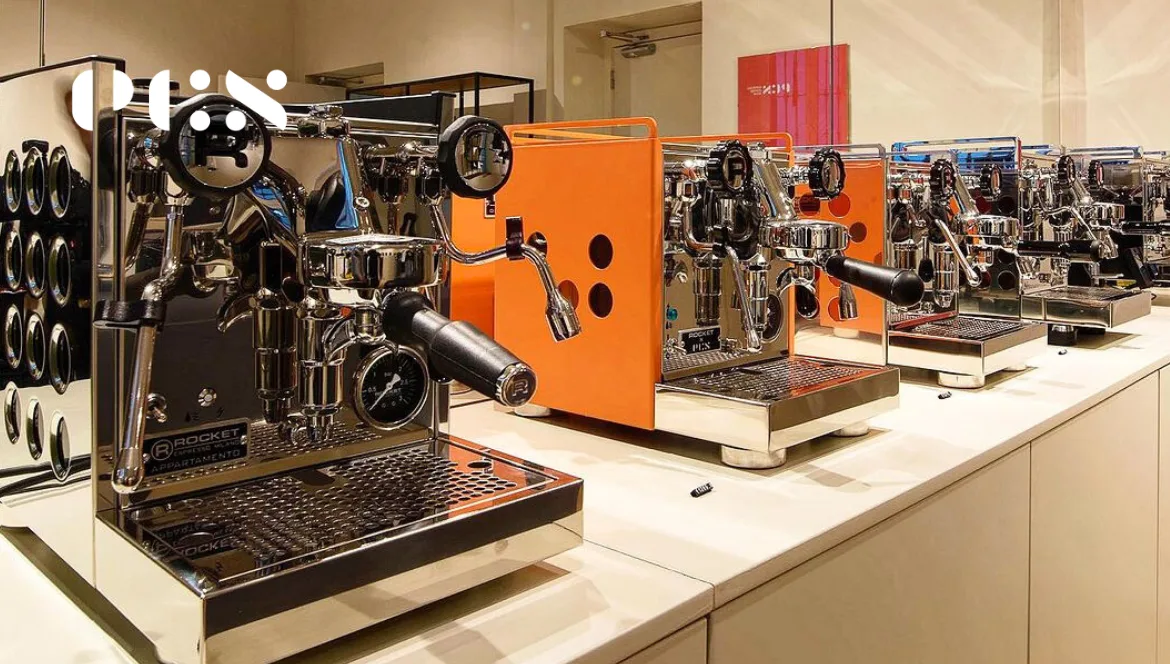 The first store Espresso Coffee Shop in Italy!
We are excited to announce the opening of our Temporary Shop in Milan, an must-visit meeting point for all coffee...Read more
The first store Espresso Coffee Shop in Italy!
We are excited to announce the opening of our Temporary Shop in Milan, an must-visit meeting point for all coffee...Read more -
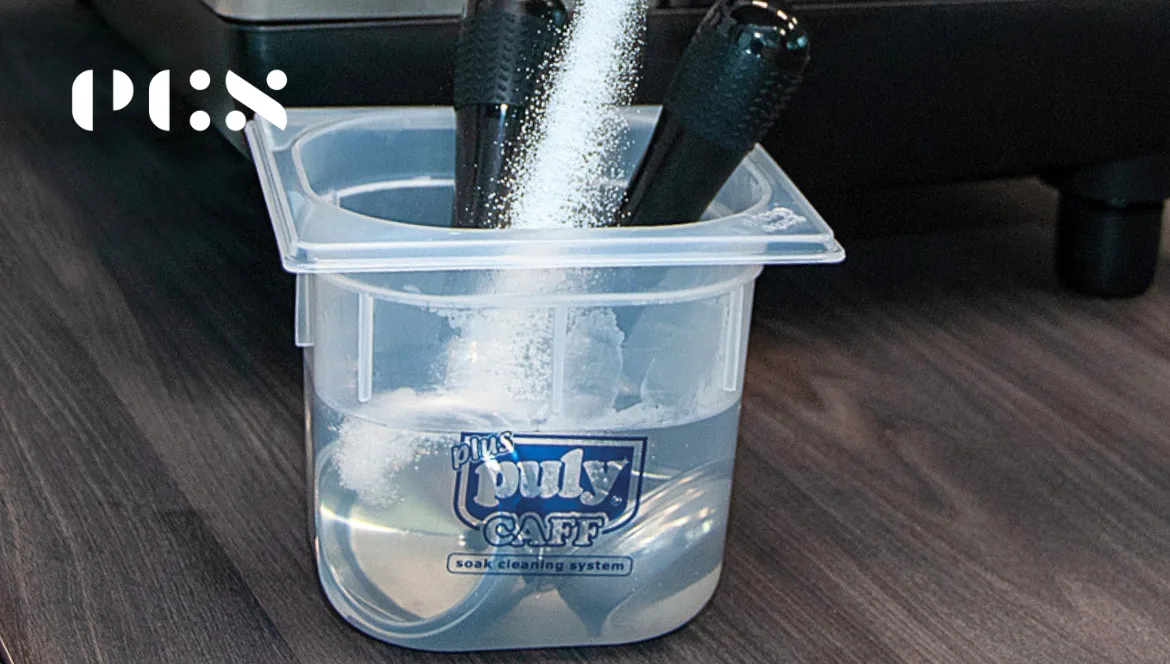 Spring cleaning? It's the perfect time to clean your coffee equipment, too
Spring is in the air, bringing the desire to renovate, tidy and... clean! Besides sprucing up your home and closets,...Read more
Spring cleaning? It's the perfect time to clean your coffee equipment, too
Spring is in the air, bringing the desire to renovate, tidy and... clean! Besides sprucing up your home and closets,...Read more -
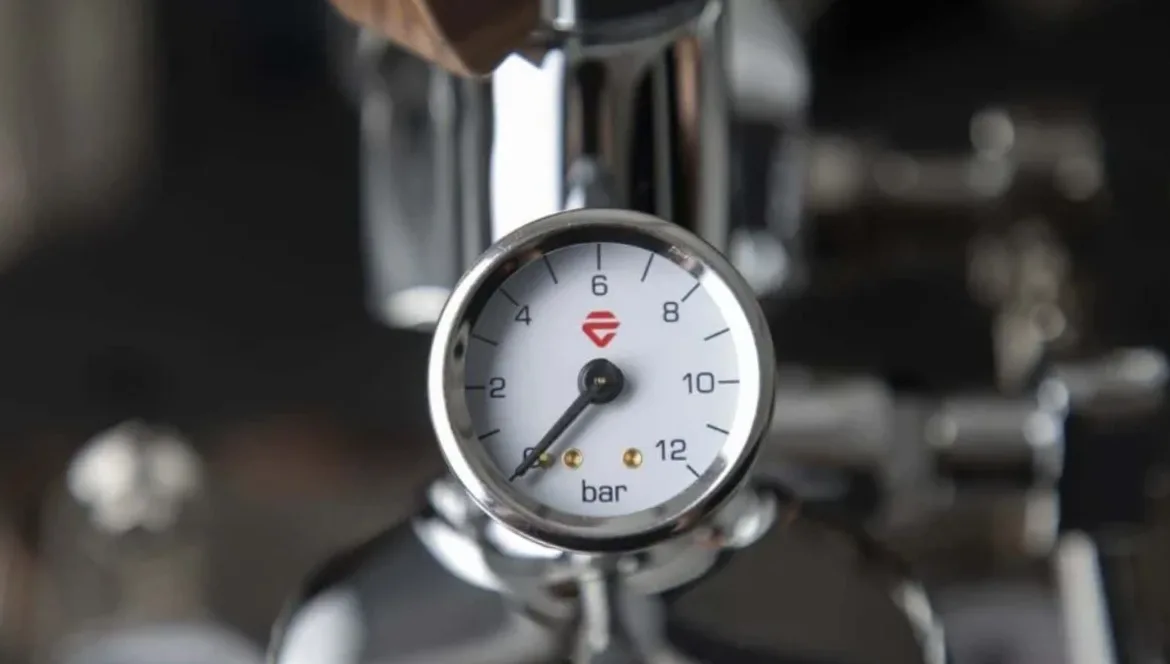 Advanced Espresso Techniques: Pressure Profiling and Temperature Surfing
Espresso is an art form, a delicate balance of science and passion that culminates in a rich, aromatic cup of coffee....Read more
Advanced Espresso Techniques: Pressure Profiling and Temperature Surfing
Espresso is an art form, a delicate balance of science and passion that culminates in a rich, aromatic cup of coffee....Read more
Leave a comment