


Espresso pairing is all about finding the right balance between coffee intensity and food flavors. This guide...
Please, visit the correct shop for your location:
International Site


It looks like you are not from the USA,
please visit the correct shop for your location:


 Espresso Machines
Coffee Grinders
Set
Accessories
Coffee
Pour Over
Design Collection
Deals
Best Of Black Friday
Brands
Espresso Machines
Coffee Grinders
Set
Accessories
Coffee
Pour Over
Design Collection
Deals
Best Of Black Friday
Brands
Espresso Coffee Shop
+Assistance and services
+-
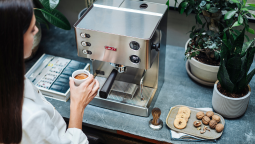 Espresso Pairing Guide: Foods That Complement Your CoffeeRead more08/31/2026
 -
 Coffee Catering Services: Mobile Espresso Solutions for EventsRead more
Coffee catering brings a complete espresso experience directly to weddings, corporate events, private parties, and...
08/27/2026 -
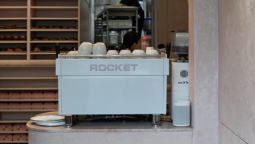 Coffee Shop Design: Creating the Perfect Espresso Bar LayoutRead more
Designing the perfect coffee shop layout starts with creating an efficient espresso bar workflow. A well-planned...
08/25/2026 -
 Specialty Coffee Trends: Staying Competitive in the Espresso MarketRead more
Specialty coffee trends are transforming the espresso market as consumers increasingly prioritize quality,...
08/25/2026 -
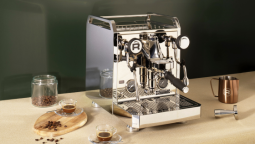 Espresso Machine Leasing vs Buying: What's Best for Your Business?Read more
Should you lease or buy an espresso machine for your business? This guide compares the costs, benefits, and long-term...
07/14/2026 -
 Espresso and Health: Benefits, Caffeine Content, and Wellness ConsiderationsRead more
Wondering how espresso affects your health? Learn how much caffeine is in a shot, what research says about...
07/14/2026 -
 Espresso Gift Guide: Perfect Presents for Coffee EnthusiastsRead more
Discover practical espresso gift ideas for every budget with this guide from Espresso Coffee Shop USA. From...
07/08/2026 -
 Office Coffee Solutions: Bringing Quality Espresso to the WorkplaceRead more
Create a better workplace coffee experience with the right office coffee solutions. This guide explains how to choose...
07/08/2026 -
 Italian Espresso Bar Etiquette: How to Order Like a LocalRead more
Discover the essential etiquette of an Italian espresso bar, from ordering coffee like a local to understanding when...
07/08/2026 -
 Sustainable Espresso: Eco-Friendly Practices and Equipment for 2026Read more
A sustainable espresso setup combines high-quality coffee with environmentally responsible choices. From durable,...
06/23/2026
Blog categories
Search in blog
Starting a Coffee Shop: Essential Equipment and Setup Guide
Opening a coffee shop takes more than a great roast and a warm atmosphere. Getting your coffee shop equipment set up right from day one directly shapes your customer experience, daily operations, and long-term profitability. Whether you're converting a retail space or building from scratch, the decisions you make before your first customer walks in will follow you for years. This guide walks through every major equipment category, practical layout considerations, and the real costs that first-time café owners often underestimate, so you can open prepared, not scrambling.
Why Your Coffee Shop Equipment Setup Defines the Business
Most people focus on branding or location first. Those things matter. But seasoned café owners will tell you that a poorly chosen espresso machine or a cramped bar layout creates problems no amount of marketing can fix.
Your equipment determines how fast you can serve during a morning rush. It shapes whether your baristas can work efficiently or spend their shift working around each other. It affects drink consistency, maintenance costs, and how often you're calling a technician.
Getting the setup right is one of the few decisions in a coffee shop business that pays you back every single day.
The Core Equipment Every Coffee Shop Needs
Espresso Machine: The Centrepiece of Your Coffee Shop Equipment Setup
For most cafes, the espresso machine is the largest and most consequential investment. Commercial espresso machines typically range from $5,000 to $20,000, depending on group heads, boiler configuration, and brand.
For a starting café expecting moderate volume, a two-group semi-automatic machine offers the right balance of control and throughput. High-volume shops often move to a three-group machine to handle morning rushes without bottlenecking.
Key considerations when choosing: Temperature stability, ease of cleaning, parts availability, and whether your local technician services that brand. A beautiful Italian machine means nothing if the nearest repair professional is four states away.
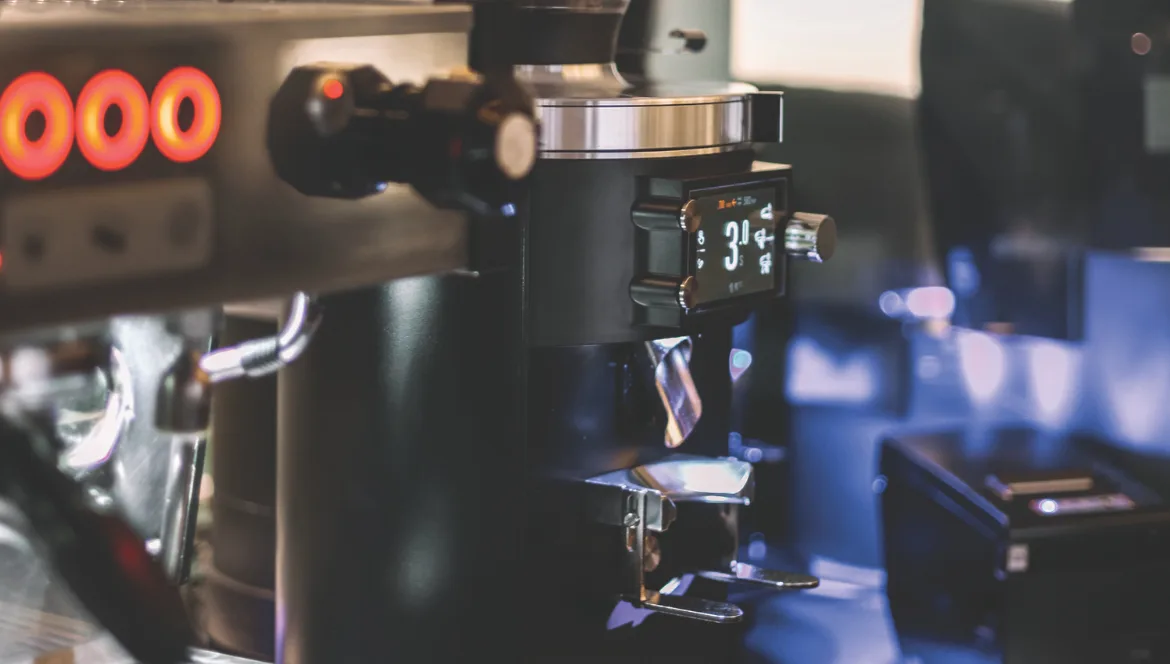
Commercial Coffee Grinder
A grinder is not an accessory; it's as important as the espresso machine itself. Stale, pre-ground coffee is one of the fastest ways to undermine drink quality, regardless of how good your beans are.
Plan on at least one dedicated espresso grinder. If you're serving batch brew or pour-over, you'll want a separate grinder for those formats. Budget between $700 and $2,500 for a quality commercial grinder.
Brewing Equipment Beyond Espresso
Espresso drinks dominate most cafe menus, but a significant portion of customers want drip coffee, pour-overs, or cold brew. Covering these formats requires:
A commercial batch brewer for high-volume drip service, a dedicated cold brew system or large-batch container if cold brew is on your menu, and individual pour-over equipment if you're positioning the shop around speciality coffee culture.
Don't stock equipment for formats you won't consistently deliver well. It's better to do fewer things excellently than spread your bar too thin.
Point of Sale, Payment Systems, and Tech Setup
A modern POS system does more than process payments. It tracks inventory, monitors your top-selling drinks, manages shifts, and integrates with loyalty programs. For a coffee shop, purpose-built POS platforms designed for café workflows offer significant advantages over generic retail systems.
Factor in hardware (tablet, card reader, receipt printer, cash drawer) alongside the monthly software cost. Most café POS platforms run $50 to $150 per month, depending on features.
Layout and Flow: Setting Up Your Bar for Real Operations
How Bar Layout Shapes Your Coffee Shop Equipment Setup
The physical arrangement of your bar is as strategic as the equipment itself. A well-designed café layout follows the order of operations: order, grind, pull, steam, serve. When those steps flow in one direction without baristas crossing paths, service gets faster, and errors drop.
Common layout mistakes include placing the espresso machine too far from the grinder, positioning the milk fridge at the opposite end of the bar, and underestimating counter space for drink assembly during a rush.
If possible, sketch your layout with actual equipment dimensions before signing any lease or committing to a buildout. Most equipment suppliers can provide spec sheets.
Startup Cost Reality Check
First-time coffee shop owners routinely underestimate total setup costs. Here's a grounded breakdown for a mid-size café:
Espresso machine and grinders: $8,000 to $22,000 Brewing equipment: $1,500 to $4,000 Refrigeration: $2,000 to $5,000 Water filtration: $400 to $800 POS system (hardware plus year one software): $1,500 to $3,000 Smallwares (cups, pitchers, tampers, cleaning supplies): $800 to $1,500 Furniture, signage, and buildout: varies widely by location and condition
Total equipment and setup typically runs $15,000 to $40,000 before lease deposits, initial inventory, and working capital. Building a realistic budget early prevents the most common reason new cafés struggle, running short on cash before the business finds its rhythm.
Before You Open: A Practical Setup Checklist
Before your first day of service, confirm:
All equipment is installed, tested, and calibrated by a qualified technician. Water filtration is in place and matched to your water supply. Staff have completed barista training on your specific equipment POS system is configured with your full menu and tested for transactions. Health department inspection is scheduled, and any required permits are in hand. Opening inventory is stocked with a two-week buffer.
Frequently Asked Questions
Q: What is the most important piece of equipment for a new coffee shop?
A: The espresso machine is typically the central investment, as it defines drink quality and throughput capacity. However, a quality commercial grinder is equally critical, since even a premium machine produces poor results with improperly ground coffee.
Q: How much does it cost to equip a small coffee shop?
A: A small to mid-size café typically requires $15,000 to $40,000 in equipment and setup costs alone, not including lease, renovation, or initial inventory. Costs vary significantly by equipment brand, new versus refurbished, and the size of the space.
Q: Can I use a home espresso machine to start?
A: No. Home espresso machines are not built for commercial volume or continuous use. Using one in a café setting risks rapid breakdown, inconsistent drink quality, and potential health code violations. Commercial equipment is required for food service operations.
Q: Do I need a POS system from day one?
A: Yes. Even a basic café POS system improves order accuracy, tracks sales data, and simplifies end-of-day reconciliation from the start. Trying to manage transactions manually quickly leads to errors and lost revenue.
Q: How long does it take to set up a coffee shop?
A: Typical timelines from lease signing to open door run 3 to 6 months, depending on buildout requirements, equipment lead times, permit processing in your area, and staff hiring and training.
Related posts
-
 How to properly store coffee
If you, too, are a true coffee enthusiast, meticulously selecting the varieties you like best and eagerly...Read more
How to properly store coffee
If you, too, are a true coffee enthusiast, meticulously selecting the varieties you like best and eagerly...Read more -
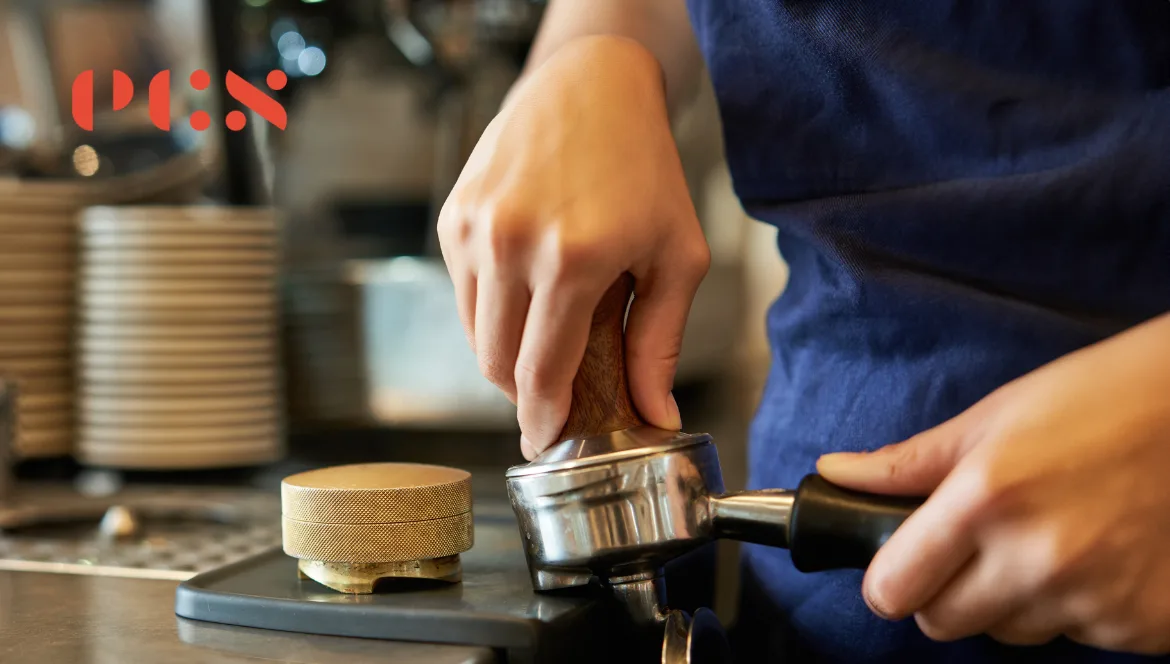 All about a good tamping
To make good coffee, it is important to have the right equipment, quality coffee and not only. It is also necessary...Read more
All about a good tamping
To make good coffee, it is important to have the right equipment, quality coffee and not only. It is also necessary...Read more -
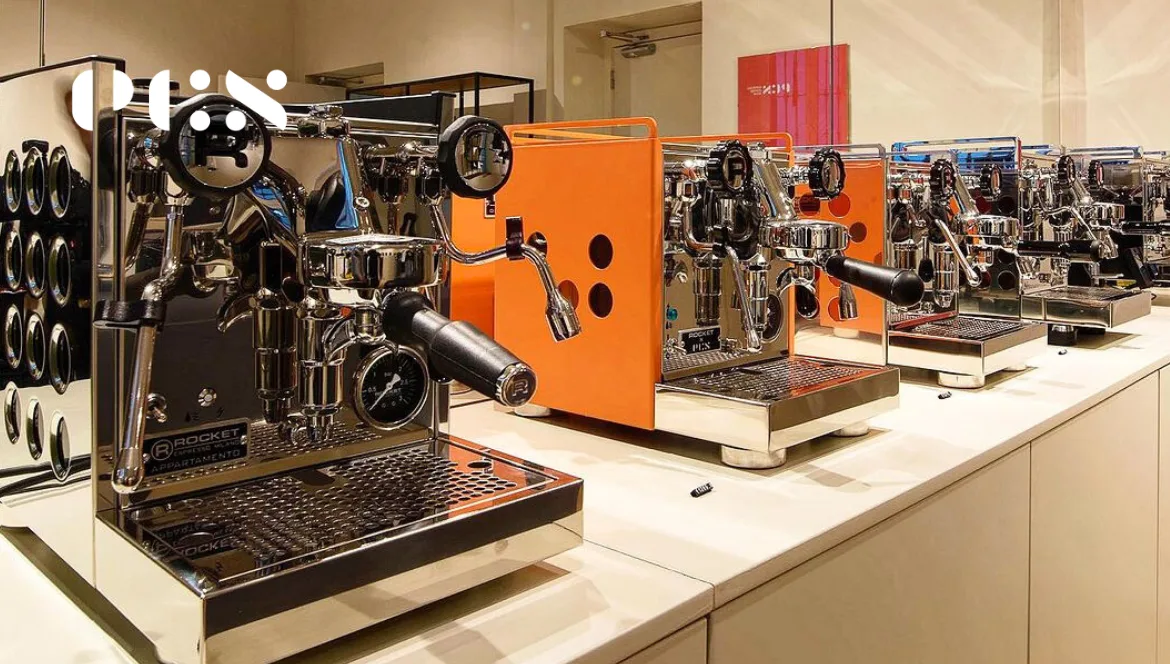 The first store Espresso Coffee Shop in Italy!
We are excited to announce the opening of our Temporary Shop in Milan, an must-visit meeting point for all coffee...Read more
The first store Espresso Coffee Shop in Italy!
We are excited to announce the opening of our Temporary Shop in Milan, an must-visit meeting point for all coffee...Read more -
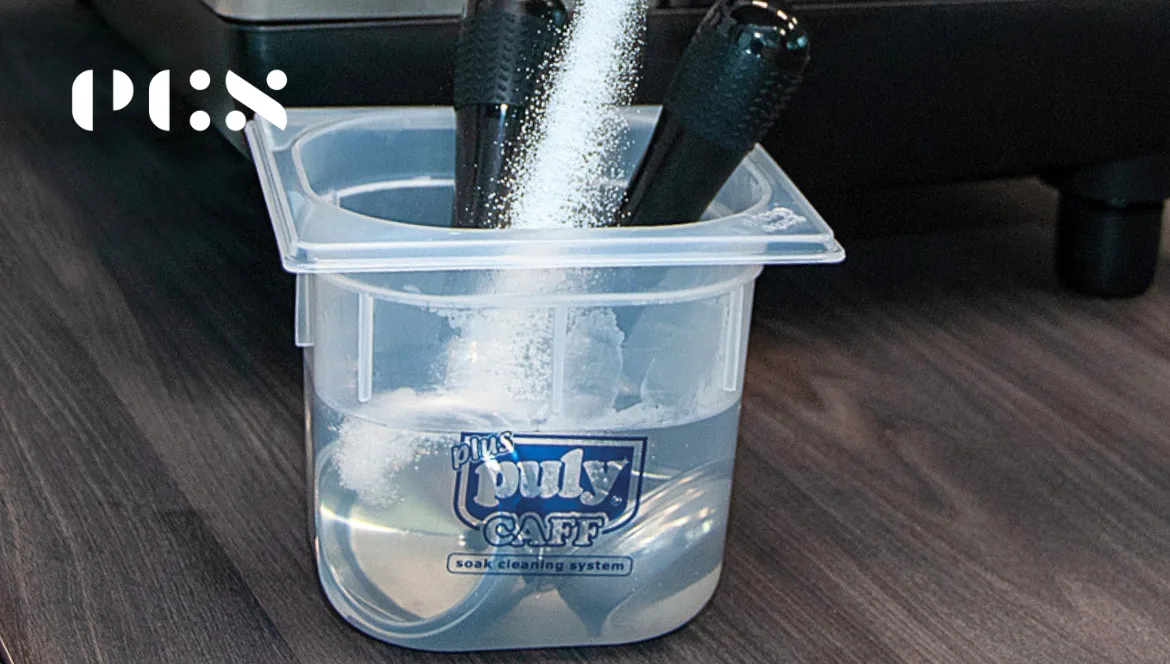 Spring cleaning? It's the perfect time to clean your coffee equipment, too
Spring is in the air, bringing the desire to renovate, tidy and... clean! Besides sprucing up your home and closets,...Read more
Spring cleaning? It's the perfect time to clean your coffee equipment, too
Spring is in the air, bringing the desire to renovate, tidy and... clean! Besides sprucing up your home and closets,...Read more -
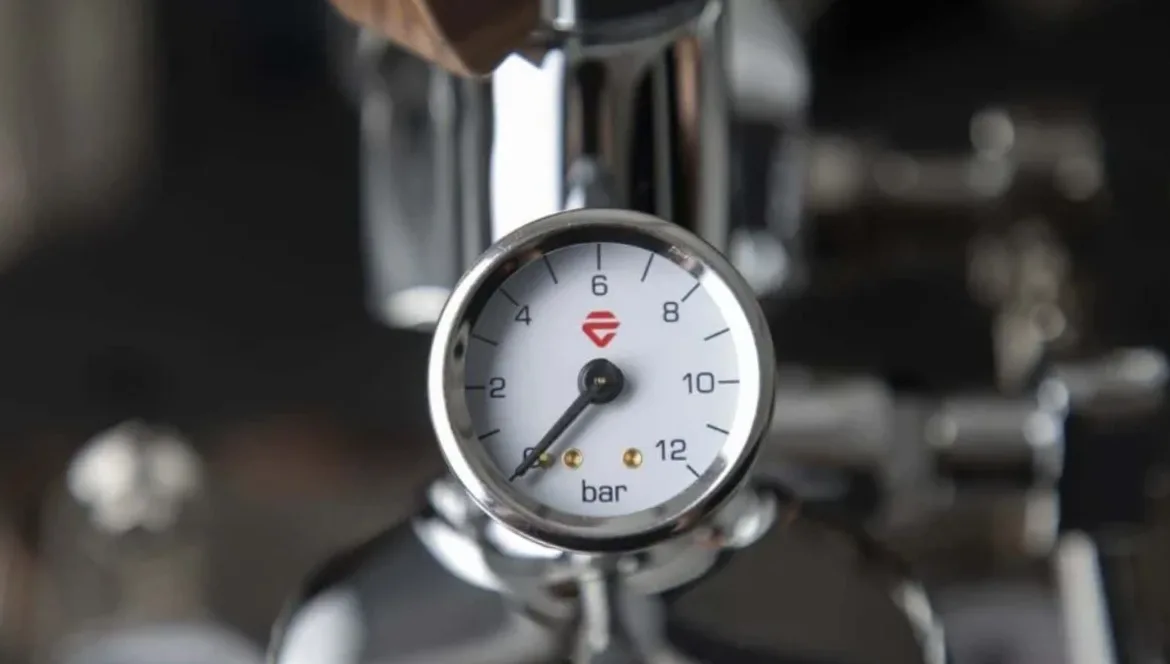 Advanced Espresso Techniques: Pressure Profiling and Temperature Surfing
Espresso is an art form, a delicate balance of science and passion that culminates in a rich, aromatic cup of coffee....Read more
Advanced Espresso Techniques: Pressure Profiling and Temperature Surfing
Espresso is an art form, a delicate balance of science and passion that culminates in a rich, aromatic cup of coffee....Read more
Leave a comment