


Espresso pairing is all about finding the right balance between coffee intensity and food flavors. This guide...
Please, visit the correct shop for your location:
International Site


It looks like you are not from the USA,
please visit the correct shop for your location:


 Espresso Machines
Coffee Grinders
Set
Accessories
Coffee
Pour Over
Design Collection
Deals
Best Of Black Friday
Brands
Espresso Machines
Coffee Grinders
Set
Accessories
Coffee
Pour Over
Design Collection
Deals
Best Of Black Friday
Brands
Espresso Coffee Shop
+Assistance and services
+-
 Espresso Pairing Guide: Foods That Complement Your CoffeeRead more08/31/2026
 -
 Coffee Catering Services: Mobile Espresso Solutions for EventsRead more
Coffee catering brings a complete espresso experience directly to weddings, corporate events, private parties, and...
08/27/2026 -
 Coffee Shop Design: Creating the Perfect Espresso Bar LayoutRead more
Designing the perfect coffee shop layout starts with creating an efficient espresso bar workflow. A well-planned...
08/25/2026 -
 Specialty Coffee Trends: Staying Competitive in the Espresso MarketRead more
Specialty coffee trends are transforming the espresso market as consumers increasingly prioritize quality,...
08/25/2026 -
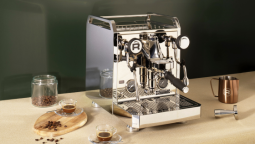 Espresso Machine Leasing vs Buying: What's Best for Your Business?Read more
Should you lease or buy an espresso machine for your business? This guide compares the costs, benefits, and long-term...
07/14/2026 -
 Espresso and Health: Benefits, Caffeine Content, and Wellness ConsiderationsRead more
Wondering how espresso affects your health? Learn how much caffeine is in a shot, what research says about...
07/14/2026 -
 Espresso Gift Guide: Perfect Presents for Coffee EnthusiastsRead more
Discover practical espresso gift ideas for every budget with this guide from Espresso Coffee Shop USA. From...
07/08/2026 -
 Office Coffee Solutions: Bringing Quality Espresso to the WorkplaceRead more
Create a better workplace coffee experience with the right office coffee solutions. This guide explains how to choose...
07/08/2026 -
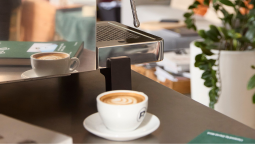 Italian Espresso Bar Etiquette: How to Order Like a LocalRead more
Discover the essential etiquette of an Italian espresso bar, from ordering coffee like a local to understanding when...
07/08/2026 -
 Sustainable Espresso: Eco-Friendly Practices and Equipment for 2026Read more
A sustainable espresso setup combines high-quality coffee with environmentally responsible choices. From durable,...
06/23/2026
Blog categories
Search in blog
Italian Espresso Bar Etiquette: How to Order Like a Local
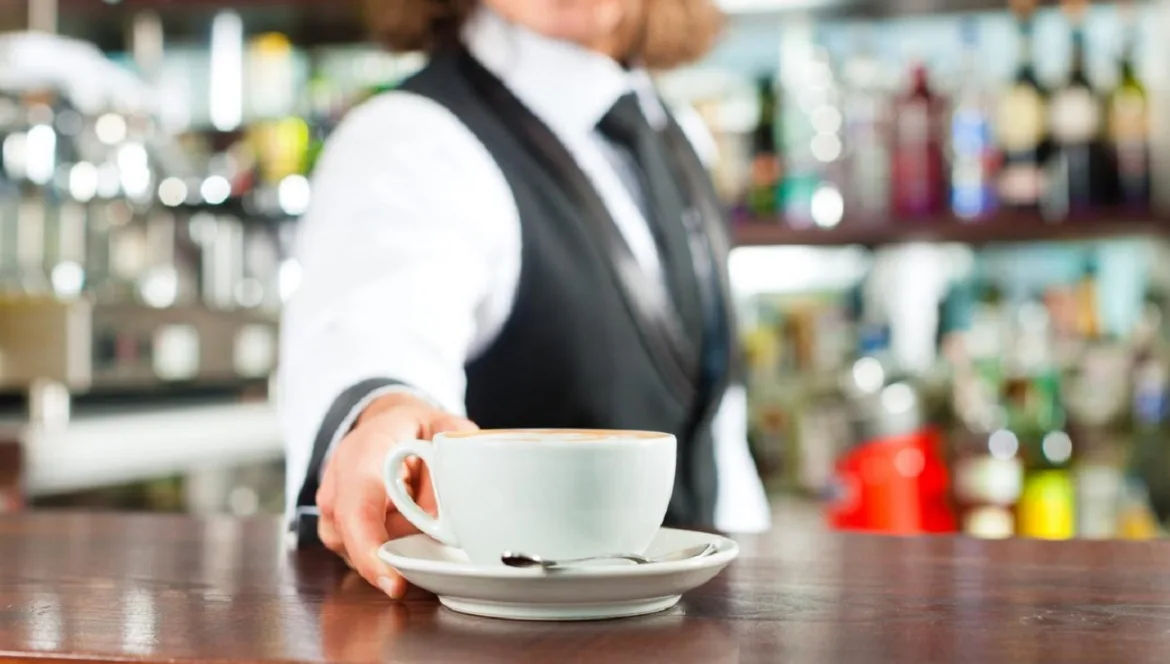
Walking into an Italian espresso bar for the first time can feel a little overwhelming. Locals stand at the counter, order in seconds, and finish their coffee just as quickly. Italian espresso bar etiquette is built on speed, simplicity, and respect for tradition. This guide explains how to order like a local, what to say, where to stand, and which small habits make the difference. Whether you are visiting Rome or recreating the ritual at home, these tips will help you blend right in with confidence.
Why Italian Espresso Bar Etiquette Matters
Every aspect of Italian espresso bar etiquette reflects a broader cultural approach to coffee. In Italy, a coffee bar is for quick social stops, often two or three daily, woven into work and friendship. Knowing Italian espresso bar etiquette helps you feel more comfortable and avoid awkward moments, while showing respect for an influential coffee tradition.
This sense of community influences every visit. Espresso bars act as community hubs. Regulars greet the barista, chat briefly, and leave within minutes. The drink is just part of the experience; the pace, conversation, and standing all matter. For more cultural context, see our guide to authentic Italian espresso.
How to Order Like a Local at an Italian Coffee Bar
To feel comfortable at the counter, it helps to know what comes next. The process is faster than most visitors expect. Once you understand the flow, it feels natural. Here is the usual sequence at a traditional bar in cities like Milan, Florence, or Naples.
Step 1: Pay first. In many bars, you walk up to the cashier (la cassa), order, pay, and receive a small receipt called a scontrino. This system keeps the counter free for fast service.
Step 2: Move to the counter. Hand the receipt to the barista, sometimes with a small coin placed on top as a friendly gesture. This subtle habit signals that you understand local customs.
Step 3: Order clearly and briefly. A simple "un caffè, per favore" gets you a standard espresso. There is no need to say "espresso" because in Italy, caffè already means espresso by default.
Step 4: Drink standing up. Most locals enjoy their coffee at the counter (al banco) in just a few minutes. The cup arrives hot, and the espresso is meant to be sipped right away while the crema is still fresh.
Step 5: Say thank you and leave. A quick "grazie" is all you need before heading out. The whole visit often takes less than five minutes.
Common Italian Coffee Orders You Should Know
Italian menus are short and specific. Ordering the right drink at the right time signals you understand local customs.
Morning Favourites
- Caffe: A single shot of espresso served in a small ceramic cup. The default order at any hour.
- Cappuccino: Espresso with steamed milk and a thick layer of foam, traditionally enjoyed only before 11 a.m
- Caffè latte: Espresso with a larger amount of warm milk, served in a glass. Also, a breakfast drink.
- Caffè macchiato caldo: Espresso "marked" with a small spoonful of hot foamed milk, lighter than a cappuccino.
Afternoon and Evening Picks
- Caffe macchiato: Espresso with a small splash of milk, often served in the early afternoon.
- Caffe corretto: Espresso "corrected" with a touch of grappa, sambuca, or brandy, popular after dinner.
- Caffe ristretto: A shorter, more concentrated espresso with a denser flavor.
- Caffe lungo: A longer pull with slightly more water, lighter than a standard espresso.
For deeper insight into how preferences change throughout Italy, read our piece on regional Italian coffee preferences from north to south.
Italian Espresso Bar Etiquette: Small Habits That Matter
A few unwritten rules separate tourists from locals. None of them is difficult, but they make a real difference in how you are perceived and how much you enjoy the experience.
- Do not order a cappuccino after lunch. Italians believe milk-heavy drinks interfere with digestion and never pair them with a full meal.
- Do not ask for flavored syrups, oversized cups, or takeaway lids in a traditional bar. Italian coffee is meant to be enjoyed simply, in the moment, and at the counter.
- Tipping is not expected. Leaving small change on the counter is appreciated but never required.
- Sitting at a table almost always costs more. If you want the local price, drink at the counter where regulars stand.
- Keep conversations short and warm. The barista is often serving a steady rotation of regulars and appreciates quick, friendly exchanges.
- Avoid asking for substitutions or custom variations. The menu is simple by design, and changes can confuse the rhythm of service.
These small habits show that you respect the space and the people running it, which is the real heart of Italian coffee culture.
When and How Italians Drink Coffee Through the Day
Timing is as important as the drink itself. Italians rarely order without context. A morning espresso is paired with a pastry called a cornetto. A mid-morning visit might be a quick caffè between meetings. After lunch, a short espresso helps with digestion, and after dinner, a caffè corretto sometimes rounds off the evening.
Italians do not drink coffee with meals. Espresso always follows food, in small cups meant for two or three sips, not to be nursed for an hour.
Bringing the Italian Coffee Ritual Home
You do not need to fly to Italy to enjoy this tradition. With the right equipment, the experience is easy to recreate in your own kitchen. At Espresso Coffee Shop USA, we have helped more than 100,000 coffee lovers worldwide since 1997, and we now serve customers directly across the United States with carefully selected machines, grinders, and accessories from trusted Italian brands.
A few essentials help bring the bar experience into your home:
- A quality home espresso machine, such as the Rocket Appartamento TCA, is designed for daily use and authentic results.
- A reliable coffee grinder, like the Eureka Mignon Specialita’, which delivers the consistent grind espresso requires.
- Proper cups and accessories, including traditional cappuccino cups, to match the feel of a real Italian bar.
If you want expert advice, our team offers a virtual coffee consultation where you can speak directly with experts to help you select the right machine, grinder, and setup for your space and budget. This makes it easy to start your own daily ritual with confidence.
Final Thoughts
Italian espresso bar etiquette is less about strict rules and more about appreciating a daily ritual that has stood the test of time. Order with confidence, drink at the counter, and enjoy the moment's rhythm. Once you understand the small habits behind every cup, ordering like a local becomes second nature, whether you are in a busy Roman bar or at your own kitchen counter back home.
FAQs
Q: Is it rude to order a cappuccino in the afternoon in Italy?
A: It is not rude, but it is unusual. Italians associate milk-based coffee with breakfast and rarely order a cappuccino after late morning.
Q: Do I tip at an Italian espresso bar?
A: Tipping is not expected. Some locals leave a small coin on the counter when paying, but it is entirely optional.
Q: Why is Italian espresso served in such a small cup?
A: Espresso is concentrated by design. The small cup keeps the crema intact and maintains the ideal temperature for the few sips it takes to enjoy.
Q: Can I sit down to drink my espresso?
A: Yes, but table service usually costs more than standing at the counter. Most locals prefer the quick experience al banco.
Q: What is the difference between caffè and espresso in Italy?
A: There is no difference. When you order caffè in Italy, you automatically receive an espresso.
Related posts
-
 Understanding Espresso Machines: Single Boiler, Dual Boiler, and Heat Exchanger Models
Choosing the right espresso machine can elevate your coffee experience to new heights. At Espresso Coffee Shop we...Read more
Understanding Espresso Machines: Single Boiler, Dual Boiler, and Heat Exchanger Models
Choosing the right espresso machine can elevate your coffee experience to new heights. At Espresso Coffee Shop we...Read more -
 How to properly store coffee
If you, too, are a true coffee enthusiast, meticulously selecting the varieties you like best and eagerly...Read more
How to properly store coffee
If you, too, are a true coffee enthusiast, meticulously selecting the varieties you like best and eagerly...Read more -
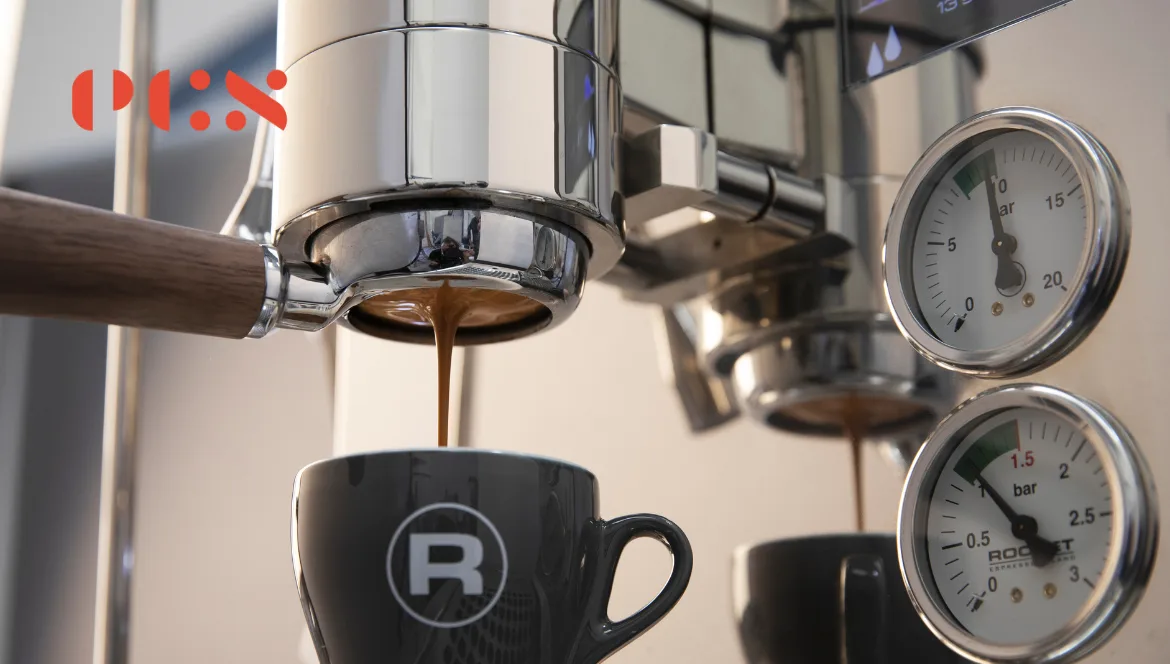 Bottomless portafilter? Here are the aspects to be considered
The search for the perfect espresso is a long road, and there are several tools that can help achieve the perfect...Read more
Bottomless portafilter? Here are the aspects to be considered
The search for the perfect espresso is a long road, and there are several tools that can help achieve the perfect...Read more -
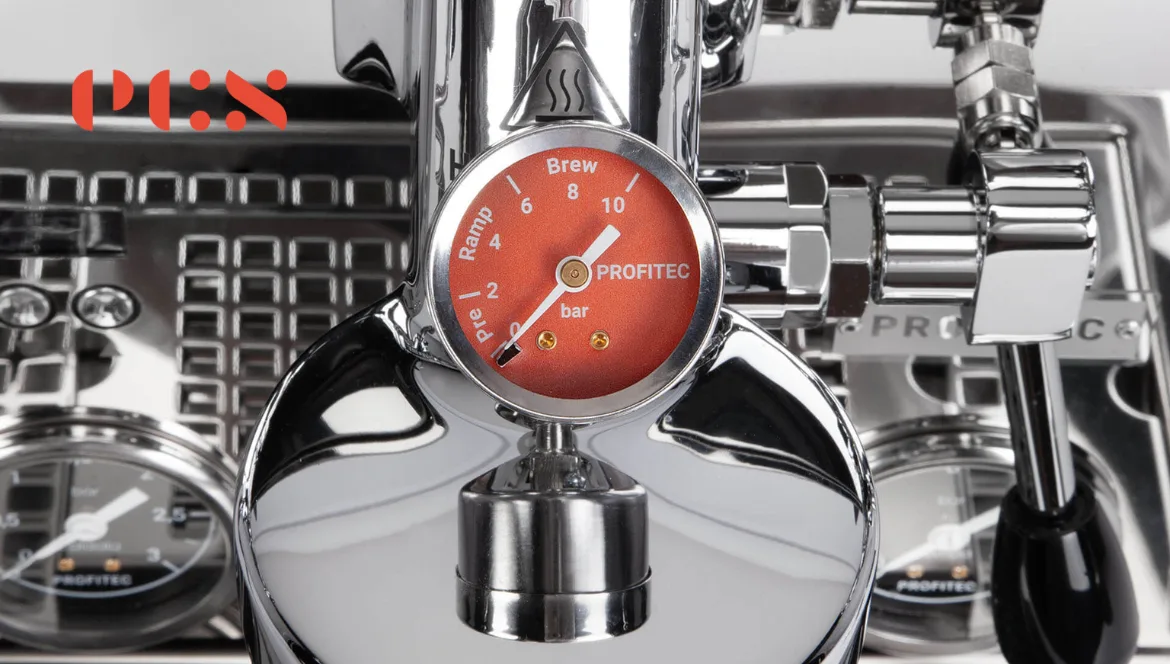 PROFITEC DRIVE: the home machine with professional performance
Drive is the most recent entry in the Profitec household and the evolution of the already highly appreciated Pro 700....Read more
PROFITEC DRIVE: the home machine with professional performance
Drive is the most recent entry in the Profitec household and the evolution of the already highly appreciated Pro 700....Read more -
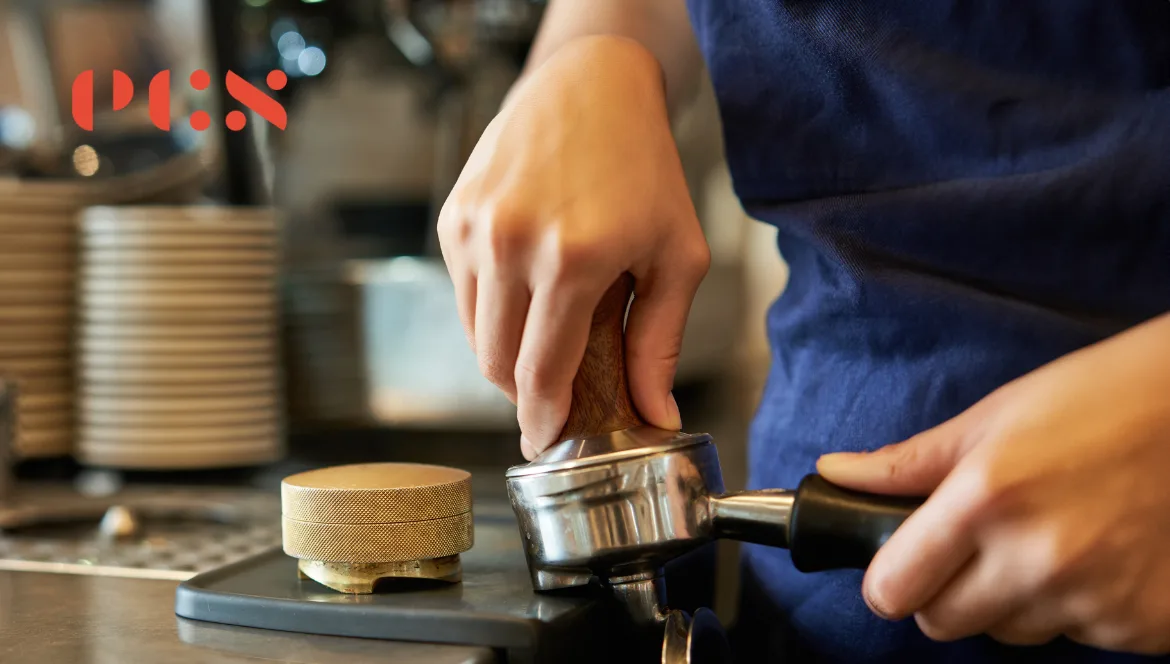 All about a good tamping
To make good coffee, it is important to have the right equipment, quality coffee and not only. It is also necessary...Read more
All about a good tamping
To make good coffee, it is important to have the right equipment, quality coffee and not only. It is also necessary...Read more
Leave a comment