


Espresso pairing is all about finding the right balance between coffee intensity and food flavors. This guide...
Please, visit the correct shop for your location:
International Site


It looks like you are not from the USA,
please visit the correct shop for your location:


 Espresso Machines
Coffee Grinders
Set
Accessories
Coffee
Pour Over
Design Collection
Deals
Best Of Black Friday
Brands
Espresso Machines
Coffee Grinders
Set
Accessories
Coffee
Pour Over
Design Collection
Deals
Best Of Black Friday
Brands
Espresso Coffee Shop
+Assistance and services
+-
 Espresso Pairing Guide: Foods That Complement Your CoffeeRead more08/31/2026
 -
 Coffee Catering Services: Mobile Espresso Solutions for EventsRead more
Coffee catering brings a complete espresso experience directly to weddings, corporate events, private parties, and...
08/27/2026 -
 Coffee Shop Design: Creating the Perfect Espresso Bar LayoutRead more
Designing the perfect coffee shop layout starts with creating an efficient espresso bar workflow. A well-planned...
08/25/2026 -
 Specialty Coffee Trends: Staying Competitive in the Espresso MarketRead more
Specialty coffee trends are transforming the espresso market as consumers increasingly prioritize quality,...
08/25/2026 -
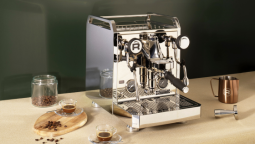 Espresso Machine Leasing vs Buying: What's Best for Your Business?Read more
Should you lease or buy an espresso machine for your business? This guide compares the costs, benefits, and long-term...
07/14/2026 -
 Espresso and Health: Benefits, Caffeine Content, and Wellness ConsiderationsRead more
Wondering how espresso affects your health? Learn how much caffeine is in a shot, what research says about...
07/14/2026 -
 Espresso Gift Guide: Perfect Presents for Coffee EnthusiastsRead more
Discover practical espresso gift ideas for every budget with this guide from Espresso Coffee Shop USA. From...
07/08/2026 -
 Office Coffee Solutions: Bringing Quality Espresso to the WorkplaceRead more
Create a better workplace coffee experience with the right office coffee solutions. This guide explains how to choose...
07/08/2026 -
 Italian Espresso Bar Etiquette: How to Order Like a LocalRead more
Discover the essential etiquette of an Italian espresso bar, from ordering coffee like a local to understanding when...
07/08/2026 -
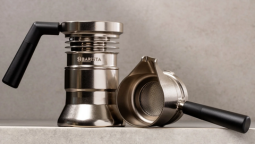 Sustainable Espresso: Eco-Friendly Practices and Equipment for 2026Read more
A sustainable espresso setup combines high-quality coffee with environmentally responsible choices. From durable,...
06/23/2026
Blog categories
Search in blog
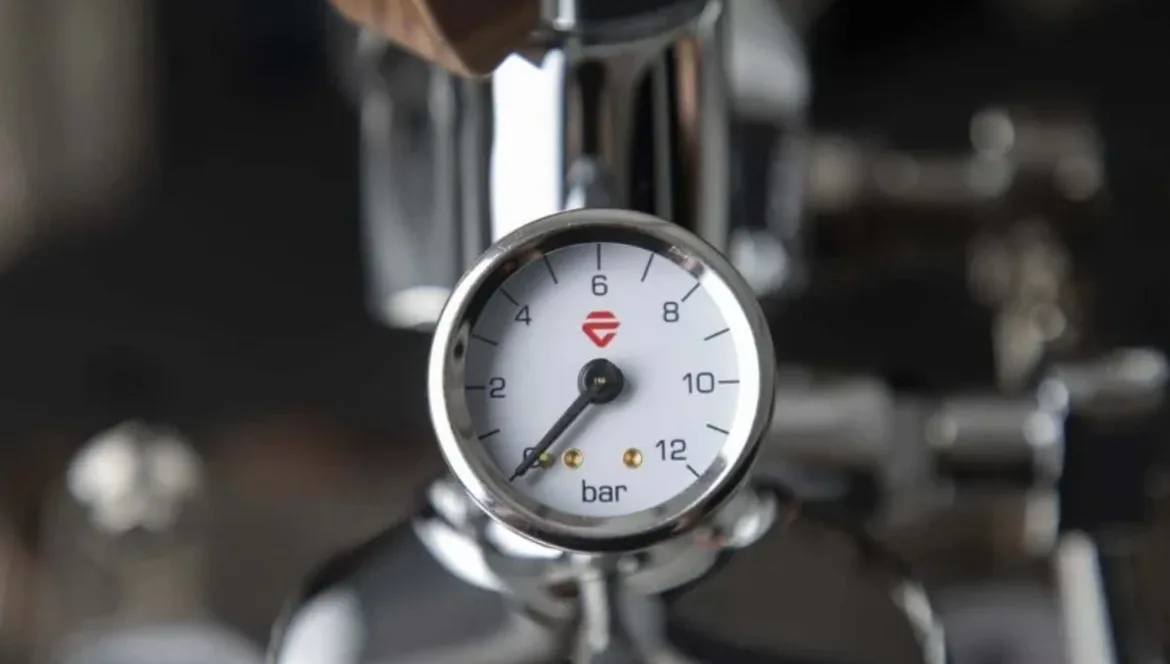
Advanced Espresso Techniques: Pressure Profiling and Temperature Surfing
Pressure profiling and temperature surfing are two hands-on techniques that let a barista shape flavor beyond what grind size and dose alone can do. Pressure profiling varies water pressure during the shot, while temperature surfing manages brew temperature on machines that lack a built-in PID.
At Espresso Coffee Shop USA, we work with home baristas across the country building out their setups with Italian machines and grinders from brands like Lelit, Rocket, La Marzocco, and Rancilio. Once someone has the basics down (consistent grind, dose, and a shot in the 25 to 30 second range), these two techniques are usually the next step toward genuinely shaping how a coffee tastes.
What Is Pressure Profiling?
Pressure profiling is the deliberate manipulation of water pressure applied to the coffee puck during extraction, instead of relying on a fixed 9 bars throughout the shot. Traditional machines apply constant pressure. Machines with a flow control paddle or programmable pump let a barista vary that pressure to shape body, sweetness, and clarity.
This is not required for a good shot. It is an experimental layer for people who already have their base recipe dialed in and want more control over the final cup.
Pressure shapes a shot in a few specific ways:
- Pre-infusion: A lower opening pressure lets the puck saturate evenly before full pressure builds, reducing channeling and setting up a more even extraction.
- Flavor Extraction: Lower pressure tends to favor sweetness and clarity. Higher pressure pulls more body and intensity.
- Body and Mouthfeel: The pressure curve affects flow rate through the coffee bed, which shapes viscosity and texture in the cup.
- Compensation: Varying pressure in real time can help smooth out small inconsistencies in grind or distribution that would otherwise cause uneven extraction.
| Ramp up, ramp down | Start low, rise to a peak around 9 bars, then taper off | Enhances sweetness and balance |
| Declining pressure | Start higher and gradually decrease through the shot | Manages bitterness, works well with lighter roasts |
| Sustained low pressure | Hold a consistently lower pressure for the whole shot | Sweeter, more delicate cup with added clarity |
Pressure profiling used to sit almost entirely in commercial or flagship territory. That has changed. A prosumer dual-boiler machine like the Lelit Bianca PL162T V3 brings true manual flow control to a home countertop through its paddle on the E61 group head, letting a home barista shape pre-infusion and peak pressure shot by shot without commercial-grade pricing.
What Is Temperature Surfing?
Temperature surfing is a workaround technique for espresso machines without a PID, most often single-boiler machines. Instead of setting an exact brew temperature electronically, the barista manipulates the machine's natural heating cycle to pull the shot right as the boiler passes through the ideal window.
Brewing temperature has a direct effect on the cup:
- Extraction rate: Water that is too cool under-extracts, giving a sour, thin shot. Water that runs too hot over-extracts into bitter, harsh flavors.
- Flavor development: Slightly cooler water tends to favor acidity and floral notes. Hotter water brings out more body and deeper, chocolatey notes.
- Consistency: Without a PID, boiler temperature naturally drifts. Temperature surfing is how a barista hits the same window shot after shot despite that drift.
How to Temperature Surf
1. Warm up fully. Give the machine 15 to 20 minutes so the group head and portafilter reach a stable temperature, not just the boiler.
2. Flush the group head. A short flush stabilizes temperature at the group and clears out any stale water.
3. Watch the heating light. Many single-boiler machines show a light while the heating element is active. Some baristas pull the shot right as the light turns off; others wait for it to click back on if a slightly cooler shot is the goal.
4. Purge the steam wand if needed. A brief purge draws cooler water into the boiler, prompting the heating element to reheat before the shot.
The Rancilio Silvia is one of the most common machines for this exact technique. Its single boiler design is a large part of why it has stayed a home barista favorite for decades: it rewards a barista willing to learn its heating cycle. For anyone who would rather skip the surfing altogether, the Rancilio Silvia Pro X uses the same familiar Silvia body but with a dual boiler and full PID control, brewing and steaming independently, with a built-in soft infusion function.
Do You Need a Special Machine for This?
For temperature surfing, no. It is specifically a technique for machines that lack a PID, so any single-boiler machine works. For pressure profiling, some form of manual or programmable pressure control helps, whether that is a full flow control paddle like the Biancas or a simpler pre-infusion function on a mid-range PID machine. Neither technique requires the most expensive machine on the market. Both reward practice more than budget.
Getting Started
Neither technique is necessary for a great cup of espresso. A well-dialed-in shot on a basic machine will always outperform a poorly executed pressure profile on an expensive one. But once the fundamentals (grind, dose, tamp, timing) are consistent, pressure profiling and temperature surfing are two of the most direct ways to keep improving without buying new equipment.
Curious whether your current machine supports either technique, or which upgrade path makes sense? Book a virtual coffee consultation with our team, and we will walk through it together.
FAQ's
Q: Why are Italian espresso machines considered the best?
A: Italian machines are known for precision engineering, durable materials, and consistent espresso extraction developed through decades of innovation.
Q: What is an E61 group head?
A: The E61 group head is a temperature-stable brewing system introduced in Italy that remains widely used in premium espresso machines.
Q: Are Italian espresso machines good for home use?
A: Yes. Many manufacturers now produce compact machines designed for home baristas while maintaining professional brewing performance.
Q: How long do Italian espresso machines last?
A: With proper maintenance, high-quality machines can operate reliably for many years in both home and commercial environments.
Posted in:
How to
Related posts
-
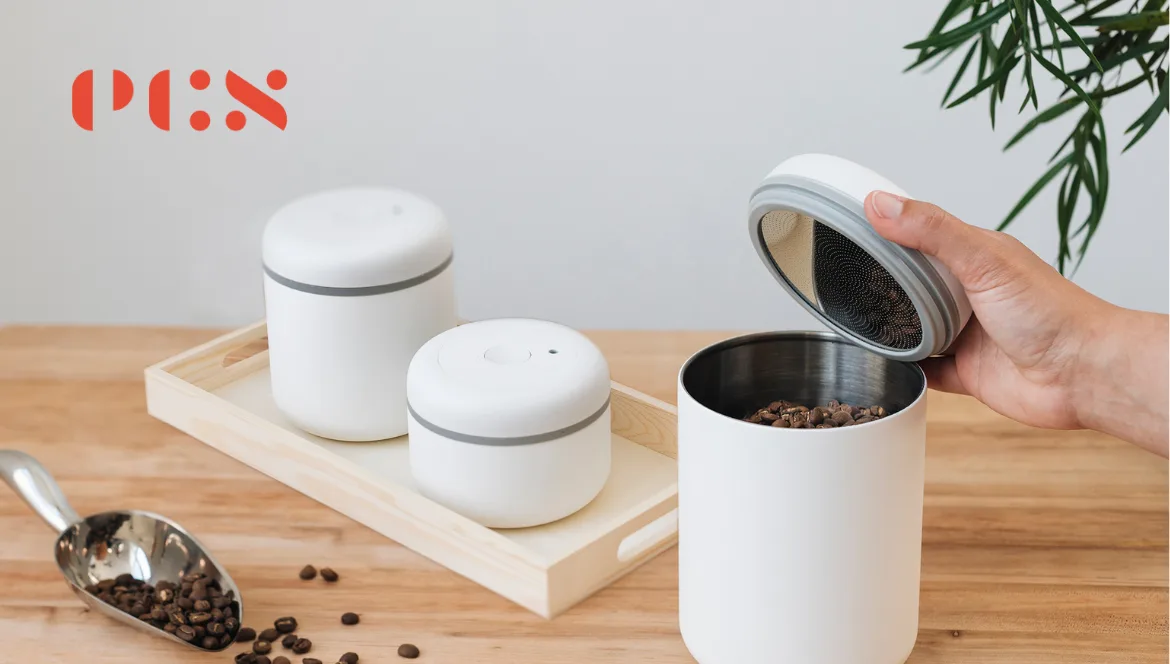 How to properly store coffee
If you, too, are a true coffee enthusiast, meticulously selecting the varieties you like best and eagerly...Read more
How to properly store coffee
If you, too, are a true coffee enthusiast, meticulously selecting the varieties you like best and eagerly...Read more -
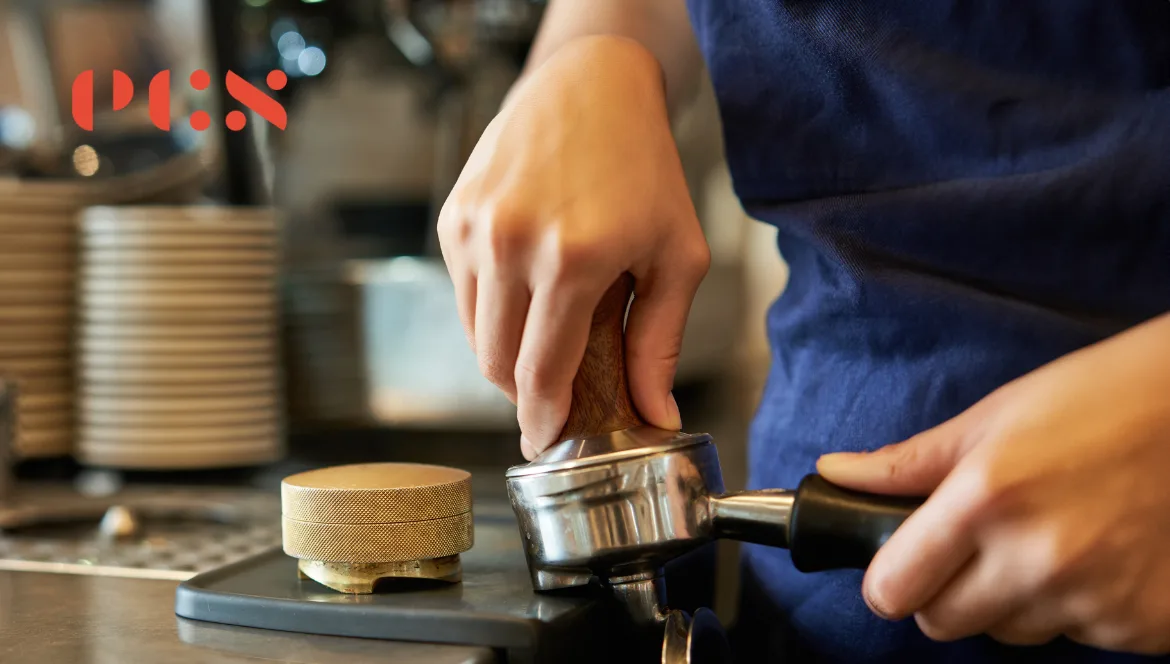 All about a good tamping
To make good coffee, it is important to have the right equipment, quality coffee and not only. It is also necessary...Read more
All about a good tamping
To make good coffee, it is important to have the right equipment, quality coffee and not only. It is also necessary...Read more -
 Spring cleaning? It's the perfect time to clean your coffee equipment, too
Spring is in the air, bringing the desire to renovate, tidy and... clean! Besides sprucing up your home and closets,...Read more
Spring cleaning? It's the perfect time to clean your coffee equipment, too
Spring is in the air, bringing the desire to renovate, tidy and... clean! Besides sprucing up your home and closets,...Read more -
 Espresso Machine Maintenance: Keeping Your Investment Running Smoothly
An espresso machine is more than a coffee maker, it’s an investment in quality, consistency, and the joy of brewing...Read more
Espresso Machine Maintenance: Keeping Your Investment Running Smoothly
An espresso machine is more than a coffee maker, it’s an investment in quality, consistency, and the joy of brewing...Read more -
 The Ultimate Guide to Making Perfect Espresso at Home: A Step-by-Step Tutorial
For many coffee lovers, the day doesn’t begin until that first sip of espresso. Rich, bold, and aromatic, espresso is...Read more
The Ultimate Guide to Making Perfect Espresso at Home: A Step-by-Step Tutorial
For many coffee lovers, the day doesn’t begin until that first sip of espresso. Rich, bold, and aromatic, espresso is...Read more
Leave a comment