


Espresso pairing is all about finding the right balance between coffee intensity and food flavors. This guide...
Please, visit the correct shop for your location:
International Site


It looks like you are not from the USA,
please visit the correct shop for your location:


 Espresso Machines
Coffee Grinders
Set
Accessories
Coffee
Pour Over
Design Collection
Deals
Best Of Black Friday
Brands
Espresso Machines
Coffee Grinders
Set
Accessories
Coffee
Pour Over
Design Collection
Deals
Best Of Black Friday
Brands
Espresso Coffee Shop
+Assistance and services
+-
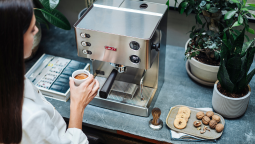 Espresso Pairing Guide: Foods That Complement Your CoffeeRead more09/03/2026
 -
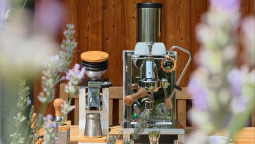 Coffee Catering Services: Mobile Espresso Solutions for EventsRead more
Coffee catering brings a complete espresso experience directly to weddings, corporate events, private parties, and...
08/27/2026 -
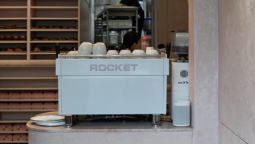 Coffee Shop Design: Creating the Perfect Espresso Bar LayoutRead more
Designing the perfect coffee shop layout starts with creating an efficient espresso bar workflow. A well-planned...
08/25/2026 -
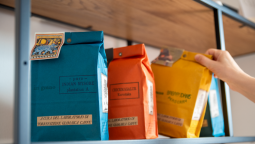 Specialty Coffee Trends: Staying Competitive in the Espresso MarketRead more
Specialty coffee trends are transforming the espresso market as consumers increasingly prioritize quality,...
08/25/2026 -
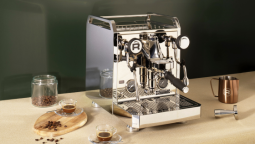 Espresso Machine Leasing vs Buying: What's Best for Your Business?Read more
Should you lease or buy an espresso machine for your business? This guide compares the costs, benefits, and long-term...
07/14/2026 -
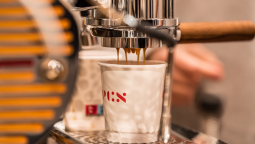 Espresso and Health: Benefits, Caffeine Content, and Wellness ConsiderationsRead more
Wondering how espresso affects your health? Learn how much caffeine is in a shot, what research says about...
07/14/2026 -
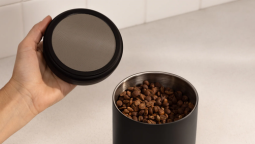 Espresso Gift Guide: Perfect Presents for Coffee EnthusiastsRead more
Discover practical espresso gift ideas for every budget with this guide from Espresso Coffee Shop USA. From...
07/08/2026 -
 Office Coffee Solutions: Bringing Quality Espresso to the WorkplaceRead more
Create a better workplace coffee experience with the right office coffee solutions. This guide explains how to choose...
07/08/2026 -
 Italian Espresso Bar Etiquette: How to Order Like a LocalRead more
Discover the essential etiquette of an Italian espresso bar, from ordering coffee like a local to understanding when...
07/08/2026 -
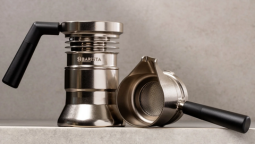 Sustainable Espresso: Eco-Friendly Practices and Equipment for 2026Read more
A sustainable espresso setup combines high-quality coffee with environmentally responsible choices. From durable,...
06/23/2026
Blog categories
Search in blog
Archived posts
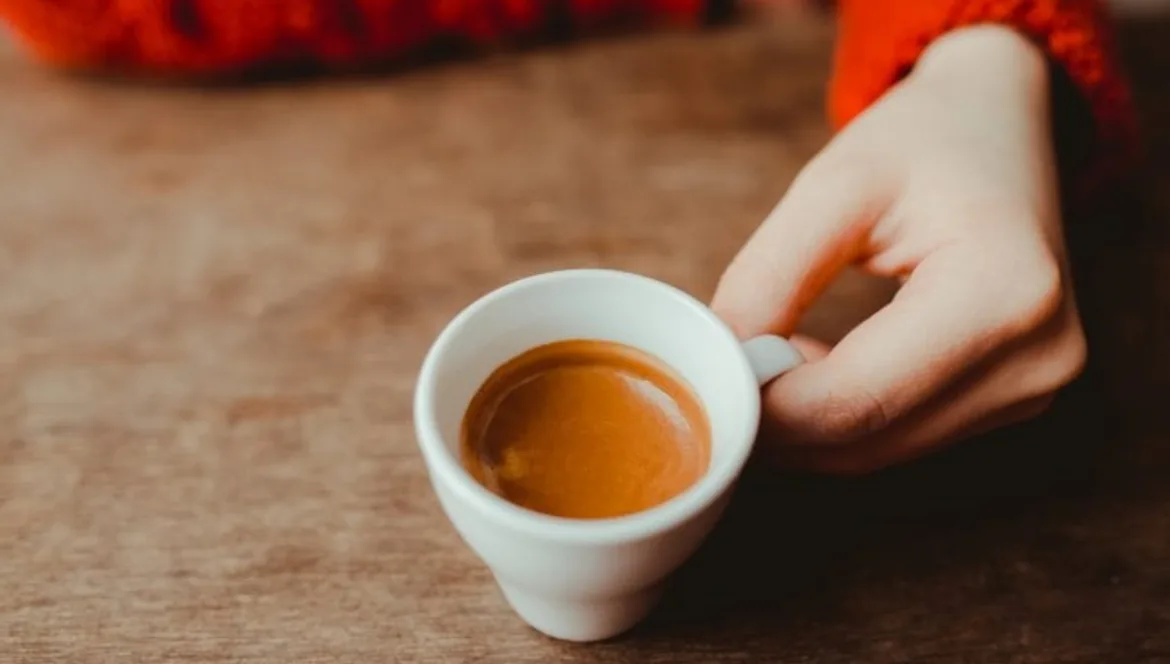
The Italian Espresso Experience: What Makes It Authentic?
There is a moment, somewhere between the hiss of the machine and the first sip, when you understand why Italians take their coffee so seriously. The Italian espresso experience is not just about caffeine; it is a ritual, a cultural statement, and, for many, a daily act of identity. But what separates a truly authentic Italian espresso from the imitations served around the world?
This blog unpacks the traditions, techniques, and sensory benchmarks that define the real thing and why they still matter in a world flooded with specialty coffee trends.
Understanding the Italian Espresso Experience Beyond the Cup
Walk into any bar in Naples, Milan, or Rome, and you will notice something immediately: nobody lingers over a twenty-ounce drink with a laptop. Coffee in Italy is consumed standing at the counter, often in under two minutes, and almost always without ceremony because the ceremony is already baked into the preparation.
The word "espresso" itself means "pressed out" in Italian, referring to the method of forcing hot water under pressure through finely ground coffee. But the cultural weight behind the word is heavier than the physics. For Italians, espresso is the punctuation of the day: after breakfast, after lunch, between conversations.
What Counts as Traditional Italian Espresso?
Authentic traditional Italian espresso has a few consistent hallmarks recognised by the Istituto Nazionale Espresso Italiano (INEI), the body that has formally defined the standard since 1998. According to their certification, a certified espresso italiano requires:
- 7 grams (±0.5g) of roasted and ground coffee
- Water temperature at the group head is between 88°C and 94°C
- 9 bars of pressure throughout the extraction
- Extraction time of 25–30 seconds
- A final volume of 25ml in the cup, with a consistent hazelnut-colored crema on top
These are not arbitrary numbers. They represent decades of refinement to produce a balanced extraction — one that captures the volatile aromatics and oils of the coffee without the bitterness of over-extraction or the sourness of under-extraction.
The Role of the Barista in Authentic Italian Coffee Culture
In Italy, the barista is not a job title, it is a craft. Many baristi (the plural) work the same counter for decades, developing an almost intuitive relationship with their machine, their grinder, and even the day's humidity. This is something no algorithm or automation has fully replicated.
The skill lies in the small adjustments: dialling in the grind based on how the coffee is flowing, watching the crema develop, knowing when the morning rush demands a slightly coarser grind to keep shots consistent. These micro-decisions are the difference between a memorable espresso and a forgettable one.
Espresso Bar Culture: Why the Counter Matters
The Italian espresso bar is a social infrastructure. It is where neighbours exchange news, where businesspeople take a beat between meetings, and where solitary regulars find a brief sense of community. The counter, typically marble or polished stone, is the stage, and the barista is both performer and host.
This context shapes the espresso itself. Because the drink is consumed immediately, there is no tolerance for a cup that needs to cool or sit. The espresso must be perfect at the moment it is served, which is why cup temperature, pre-heating, and service speed are all part of the craft.
The Italian Espresso Experience Starts with the Bean
One of the most misunderstood aspects of Italian espresso is the coffee itself. Many people assume Italian espresso means dark, almost charred beans, but this is a regional generalisation, not a national rule.
Robusta vs. Arabica: The Southern Debate
Southern Italy, particularly Naples, has a long tradition of blending Robusta into espresso. Robusta is higher in caffeine and produces a thicker, more persistent crema. It also adds a certain earthiness and body that Arabica-only blends lack. In Naples, this is not a compromise; it is a preference.
In northern Italy, Turin and Trieste espresso tends to lean more toward Arabica, with lighter roast profiles and a cleaner, more fruit-forward cup. Neither approach is "wrong." Both are authentically Italian, rooted in regional taste and roasting heritage.
Italian Roasting Tradition and Its Global Influence
Italian roasting houses like Illy, Lavazza, Kimbo, and Segafredo have shaped global espresso culture in ways that are hard to overstate. Illy, in particular, pioneered pressurised packaging and research into single-origin espresso. Their approach to blending created consistency across harvests and origins and became the model for commercial espresso worldwide.
Sensory Markers of an Authentic Italian Espresso
If you want to assess whether an espresso is truly authentic, the sensory benchmarks are your guide, not the brand name on the machine.
The Crema
A well-made espresso should carry a layer of crema, the reddish-brown foam created by emulsified coffee oils and CO₂. It should be dense enough to hold a teaspoon of sugar for a few seconds before the granules slowly sink. Crema that disappears in seconds signals stale coffee or poor extraction.
The Aroma
Authentic Italian espresso exhibits a complex aroma profile, with notes of dark chocolate, roasted nuts, dried fruit, and a faint floral undertone, depending on the blend's origin. The aroma should hit you before the cup reaches your lips.
The Taste Balance
The defining quality of a great espresso is balance. Acidity, sweetness, and bitterness should coexist without any one element dominating. A cup that is only bitter suggests over-extraction or poor-quality beans. A cup that is only sour points to under-extraction. The sweet spot literally is a lingering sweetness that follows the initial intensity.
Why the Italian Espresso Experience Resists Imitation
There is a reason why espresso made outside Italy, even with identical equipment and beans, often tastes different. Part of it is water chemistry. Italian cities, particularly in the south, have mineral profiles that interact favourably with coffee extraction. Neapolitan water, for instance, has a specific carbonate hardness that softens the bitterness and enhances the body.
But the larger part is cultural. Authenticity in Italian espresso cannot be fully separated from its context, the unhurried pace of the barista, the habitual nature of the visit, and the social warmth of the exchange. These elements are not measurable, but they contribute to the experience in meaningful ways.
Can You Recreate the Italian Espresso Experience at Home?
The honest answer is: partially. Home espresso machines have become remarkably capable, and freshly roasted beans from reputable Italian importers are more accessible than ever. A semi-automatic machine with a quality burr grinder, fresh beans, and filtered water can produce a shot that comes close to the bar standard.
What you cannot fully recreate is the social dimension of the ritual of leaving the house, the brief exchange with a familiar face, the standing-at-the-counter simplicity of the moment. That part of the Italian espresso experience belongs to the street, not the kitchen.
Final Thoughts: What Authenticity Really Means in Italian Coffee Culture
Authenticity in the Italian espresso experience is not a rigid formula; it is a combination of measurable craft and immeasurable culture. The parameters matter: the grind, temperature, pressure, and extraction time. But so does the intention behind them: to serve a drink that is honest, direct, and pleasurable in its brevity.
As specialty coffee continues to push the boundaries of what espresso can be single origin, light roast, long extraction Italy remains a useful reference point: not as the only way, but as the original standard from which everything else departs. Understanding it makes you a better coffee consumer, wherever in the world you happen to be.
FAQ’s
Q: How much coffee is used in a traditional Italian espresso?
A: According to Italian espresso standards, a traditional shot uses about 7 grams of finely ground coffee and produces around 25 ml of espresso in about 25–30 seconds.
Q: Do Italians drink espresso with milk?
A: Milk is usually consumed only in the morning in drinks like cappuccino or latte. After meals, Italians typically drink straight espresso without milk.
Q: Why do Italians drink espresso standing at the bar?
A: In Italy, espresso is meant to be quick and social. People often drink it standing at the counter for a fast break during the day rather than sitting for long periods.
Q: What beans are used in Italian espresso blends?
A: Italian espresso blends often combine Arabica beans for aroma and sweetness with Robusta beans for body, caffeine, and thicker crema.
Q: Can you recreate authentic Italian espresso at home?
A: Yes, you can get close by using a quality espresso machine, burr grinder, fresh beans, and proper extraction settings, though the traditional café atmosphere is difficult to replicate.
Related posts
-
 Understanding Espresso Machines: Single Boiler, Dual Boiler, and Heat Exchanger Models
Choosing the right espresso machine can elevate your coffee experience to new heights. At Espresso Coffee Shop we...Read more
Understanding Espresso Machines: Single Boiler, Dual Boiler, and Heat Exchanger Models
Choosing the right espresso machine can elevate your coffee experience to new heights. At Espresso Coffee Shop we...Read more -
 How to properly store coffee
If you, too, are a true coffee enthusiast, meticulously selecting the varieties you like best and eagerly...Read more
How to properly store coffee
If you, too, are a true coffee enthusiast, meticulously selecting the varieties you like best and eagerly...Read more -
 Bottomless portafilter? Here are the aspects to be considered
The search for the perfect espresso is a long road, and there are several tools that can help achieve the perfect...Read more
Bottomless portafilter? Here are the aspects to be considered
The search for the perfect espresso is a long road, and there are several tools that can help achieve the perfect...Read more -
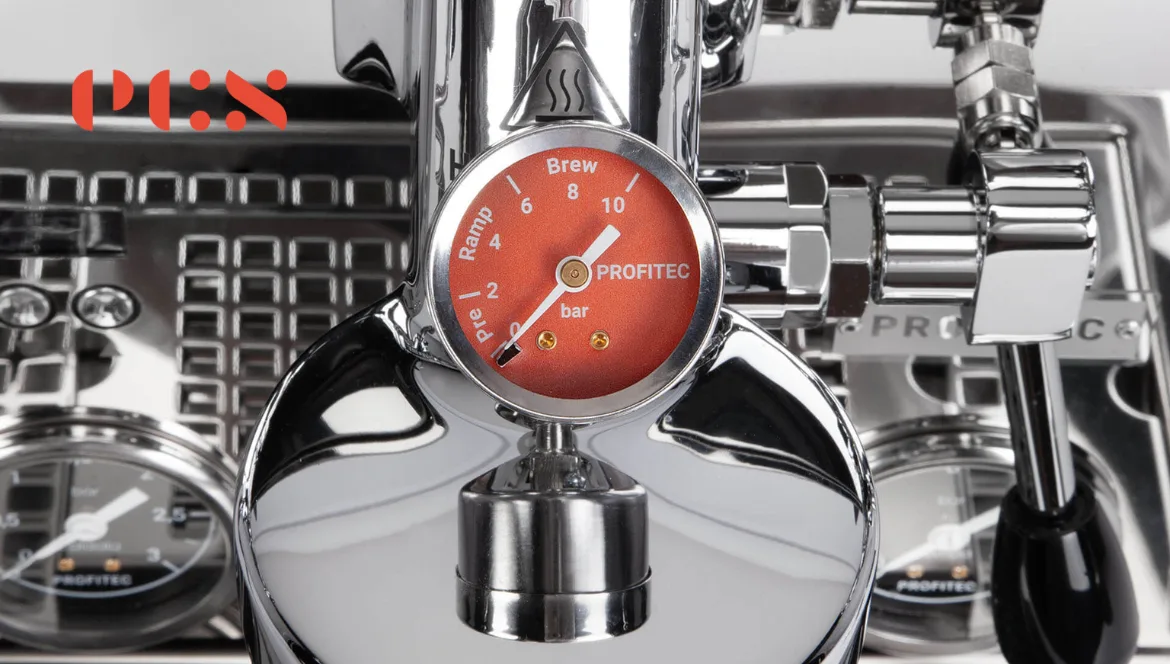 PROFITEC DRIVE: the home machine with professional performance
Drive is the most recent entry in the Profitec household and the evolution of the already highly appreciated Pro 700....Read more
PROFITEC DRIVE: the home machine with professional performance
Drive is the most recent entry in the Profitec household and the evolution of the already highly appreciated Pro 700....Read more -
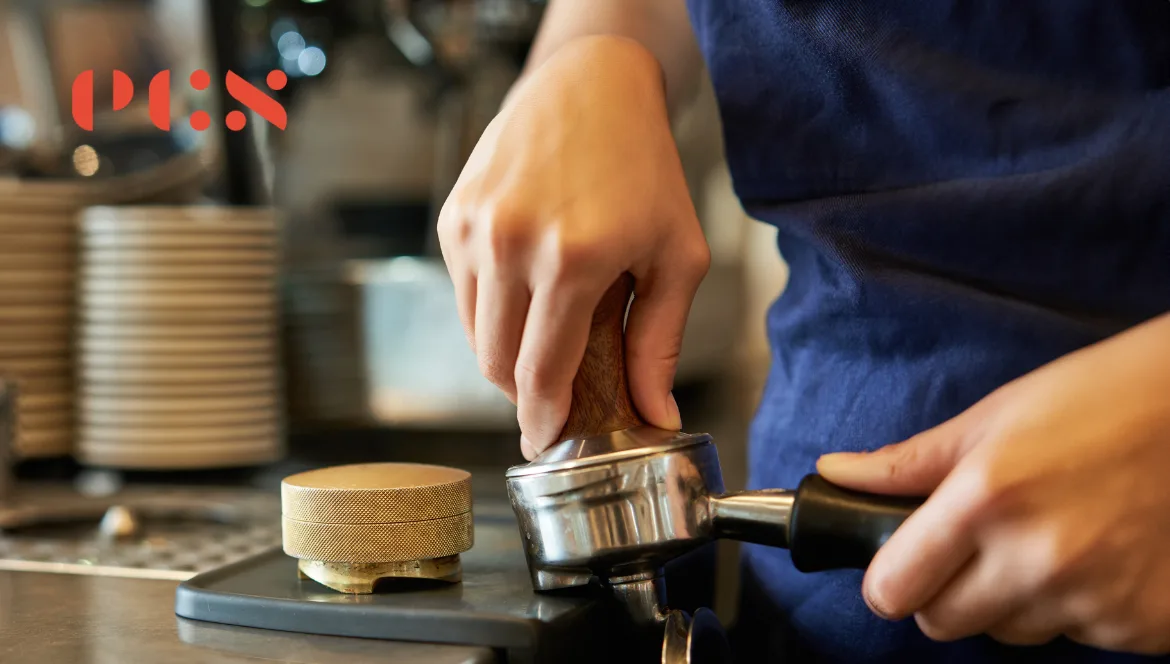 All about a good tamping
To make good coffee, it is important to have the right equipment, quality coffee and not only. It is also necessary...Read more
All about a good tamping
To make good coffee, it is important to have the right equipment, quality coffee and not only. It is also necessary...Read more
Leave a comment