


Espresso pairing is all about finding the right balance between coffee intensity and food flavors. This guide...
Please, visit the correct shop for your location:
International Site


It looks like you are not from the USA,
please visit the correct shop for your location:


 Espresso Machines
Coffee Grinders
Set
Accessories
Coffee
Pour Over
Design Collection
Deals
Best Of Black Friday
Brands
Espresso Machines
Coffee Grinders
Set
Accessories
Coffee
Pour Over
Design Collection
Deals
Best Of Black Friday
Brands
Espresso Coffee Shop
+Assistance and services
+-
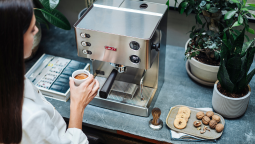 Espresso Pairing Guide: Foods That Complement Your CoffeeRead more09/03/2026
 -
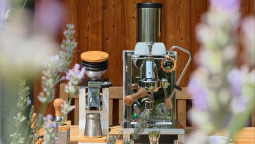 Coffee Catering Services: Mobile Espresso Solutions for EventsRead more
Coffee catering brings a complete espresso experience directly to weddings, corporate events, private parties, and...
08/27/2026 -
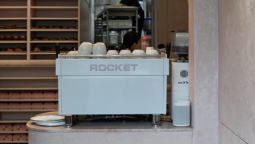 Coffee Shop Design: Creating the Perfect Espresso Bar LayoutRead more
Designing the perfect coffee shop layout starts with creating an efficient espresso bar workflow. A well-planned...
08/25/2026 -
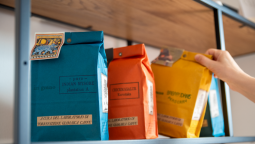 Specialty Coffee Trends: Staying Competitive in the Espresso MarketRead more
Specialty coffee trends are transforming the espresso market as consumers increasingly prioritize quality,...
08/25/2026 -
 Espresso Machine Leasing vs Buying: What's Best for Your Business?Read more
Should you lease or buy an espresso machine for your business? This guide compares the costs, benefits, and long-term...
07/14/2026 -
 Espresso and Health: Benefits, Caffeine Content, and Wellness ConsiderationsRead more
Wondering how espresso affects your health? Learn how much caffeine is in a shot, what research says about...
07/14/2026 -
 Espresso Gift Guide: Perfect Presents for Coffee EnthusiastsRead more
Discover practical espresso gift ideas for every budget with this guide from Espresso Coffee Shop USA. From...
07/08/2026 -
 Office Coffee Solutions: Bringing Quality Espresso to the WorkplaceRead more
Create a better workplace coffee experience with the right office coffee solutions. This guide explains how to choose...
07/08/2026 -
 Italian Espresso Bar Etiquette: How to Order Like a LocalRead more
Discover the essential etiquette of an Italian espresso bar, from ordering coffee like a local to understanding when...
07/08/2026 -
 Sustainable Espresso: Eco-Friendly Practices and Equipment for 2026Read more
A sustainable espresso setup combines high-quality coffee with environmentally responsible choices. From durable,...
06/23/2026
Blog categories
Search in blog
Archived posts
Restaurant Espresso Programs: Enhancing Your Dining Experience
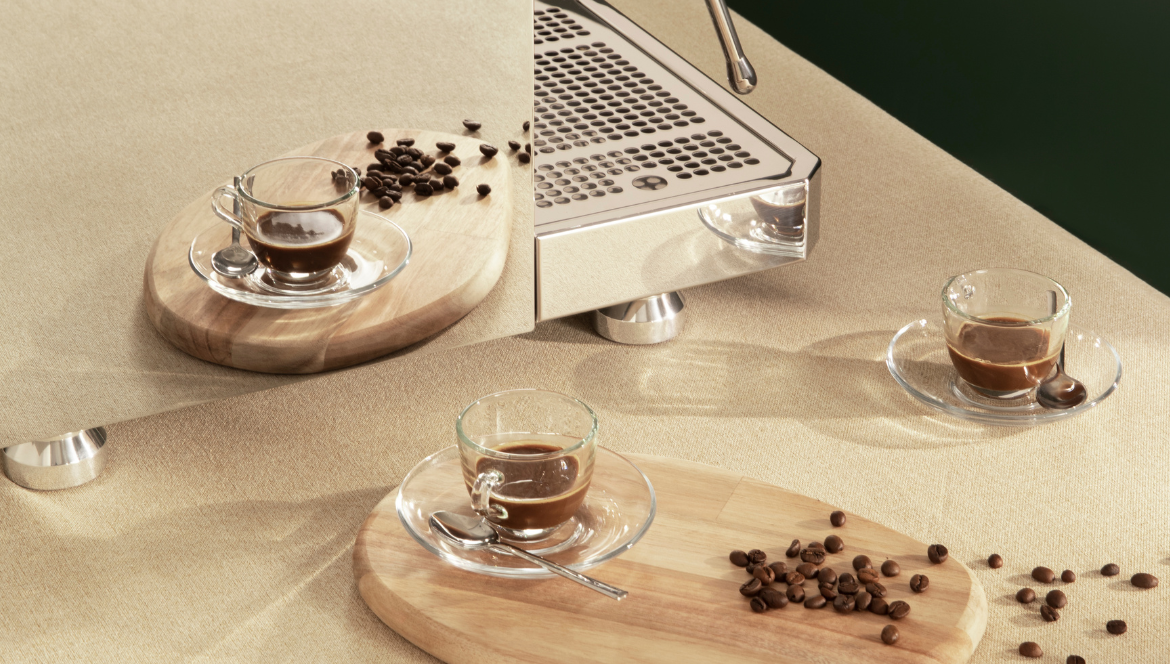
A restaurant espresso program is one of the most consequential and most underinvested elements of the modern dining experience. Guests remember a meal's final act. After the dessert is cleared, the espresso that lands on the table either reinforces the quality of everything that came before it or quietly contradicts it. A flat, bitter, or lukewarm shot pulled from neglected equipment signals to a discerning diner that the kitchen's attention to detail stops at the pass. The restaurants that understand this and invest accordingly use espresso as a final flourish, sending guests out on a high note and bringing them back. This guide explains what a serious restaurant espresso program requires, what equipment decisions matter most, and which machines and grinders from Espresso Coffee Shop USA are built for exactly this environment.
What a Restaurant Espresso Program Actually Involves The Difference Between Serving Coffee and Running a Program
Most restaurants serve coffee. Far fewer run an espresso program. The distinction is meaningful. Serving coffee means having a machine, buying beans, and training whoever is nearest the counter to operate it. Running an espresso program means making deliberate decisions about machine capability, grinder quality, bean sourcing, barista training, menu positioning, and service consistency, and maintaining those standards across every service period.
A restaurant espresso program is not about achieving the extraction precision of a specialty café. It is about consistently delivering a high-quality espresso experience that matches the caliber of the food being served. In a fine dining context, that means single-origin beans, properly calibrated equipment, and shots pulled with the same care that goes into plating a dessert. In a casual dining or bistro context, it means reliable, well-extracted espresso and milk drinks that never taste stale or over-extracted.
Why Espresso Is the Highest-Stakes Coffee Format in a Restaurant
Espresso is an unforgiving format. Unlike drip coffee, which can sit in a warmer and remain passable for a short period, espresso reveals the quality of every variable in real time. Grind consistency, water temperature, extraction pressure, dose, tamping technique, and shot timing all interact within 25 to 30 seconds. Poor grind quality on an excellent machine produces a bad shot. An excellent grind on poorly maintained equipment produces an inconsistent one. In a restaurant environment where a dozen other things are happening simultaneously during service, that combination of sensitivity and speed is precisely why equipment quality matters so much.
Choosing the Right Espresso Machine for a Restaurant Espresso Program
Heat Exchanger Versus Dual Boiler: The Core Decision
The most important machine decision for a restaurant's espresso program is boiler architecture. Heat exchanger machines use a single boiler to manage both brew temperature and steam generation simultaneously. This makes them efficient and relatively compact, important in restaurant back-of-house environments where counter space is at a premium. Dual-boiler machines dedicate separate boilers to brewing and steaming, offering more precise, independent temperature control and better performance under sustained simultaneous demand.
For restaurants with moderate espresso volume, post-dinner service in a dining room with 40 to 80 covers, a high-quality heat-exchanger machine delivers consistent results with a simpler operating profile. For higher-volume environments or restaurants where espresso-based milk drinks are a significant menu component, a dual-boiler machine provides the capacity and temperature stability to maintain quality through an entire service period.
The Rocket R58: Dual Boiler Performance for Serious Restaurant Programs
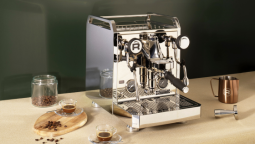
The Rocket R58 Espresso Machine is one of the strongest dual-boiler options in the ECS USA residential and prosumer range for boutique restaurant applications. While designed for high-end home and prosumer use, it offers many of the features small hospitality environments need: independent brew and steam boilers, PID temperature control, a commercial-grade rotary pump, and the option to connect the machine directly to the waterline. Its dual-boiler configuration, with a 0.58-litre brew boiler and a 1.8-litre steam boiler, allows users to pull espresso shots and steam milk independently, making it a practical solution for controlled service environments where consistency, compact size, and ease of use are priorities.
For boutique restaurants, private dining rooms, premium offices, or small hospitality spaces that need reliable espresso quality without the size, cost, or operational complexity of a full commercial machine, the R58 represents a balanced path from domestic performance to light professional service. Its compact footprint, rotary pump, waterline compatibility, and stable dual-boiler architecture make it especially suitable for businesses that want to offer a refined coffee experience without building a full barista station around a commercial espresso machine.
The Rocket Appartamento TCA: Heat Exchanger Quality for Lighter Service Volumes
For restaurants with lighter espresso service volumes, a wine bar finishing each table with one or two shots, or a café-bistro hybrid with moderate throughput, the Rocket Giotto/Mozzafiato Fast Espresso Machine offers a heat-exchanger architecture that supports simultaneous brewing and steaming in a compact, service-friendly format.
The Giotto/Mozzafiato Fast is designed to combine Rocket’s classic prosumer engineering with faster heat-up performance and a refined bar-counter presence. Its heat-exchanger system, E61 group head, rotary pump, and direct water connection capability make it well suited to small hospitality environments that need consistent espresso and milk steaming without the size or complexity of a full commercial machine. With its compact footprint and professional-grade components, it fits naturally behind a bar counter while still offering the stability, usability, and presentation expected in a premium restaurant or wine bar setting.
Grinder Quality: The Variable That Restaurants Most Consistently Underinvest In
Why the Grinder Defines the Espresso Program More Than the Machine
Every commercial espresso professional will say the same thing: the grinder is more important than the machine. In a restaurant environment, this principle applies with particular force because the consequences of grind inconsistency compound across a full service period. If the grinder drifts in calibration, produces an uneven particle distribution, or generates excessive heat from continuous use, every shot during that service is affected. The machine can compensate for nothing that the grinder gets wrong.
The Rocket Spluga Élite: Italian Craft for Restaurant-Grade Grinding
The Rocket Spluga Élite Coffee Grinder pairs naturally with the Rocket machine range in a restaurant setting. Inspired by the Italian mountain passes of the Giro d'Italia, this grinder combines Italian craftsmanship with the precision engineering that consistent espresso extraction demands across a full service period. Its design integrates seamlessly with the Mozzafiato R Fast and R 58 aesthetically, which matters in open-kitchen and counter-visible restaurant environments where equipment presentation is part of the dining atmosphere.
For restaurants that require gravimetric dosing precision essential in fine dining environments where shot-to-shot consistency is non-negotiable, Mahlkönig grinders are also available through ECS USA. The Mahlkönig range, confirmed in the ECS USA catalogue, represents the global commercial standard for high-volume, high-accuracy grinding in professional foodservice environments.
The Bean Decision: Sourcing Coffee for a Restaurant Espresso Program
No machine or grinder investment produces results worth presenting to a dining guest without exceptional beans. The sourcing decision for a restaurant espresso program should treat coffee with the same intentionality applied to wine or cheese selection as a product with provenance, seasonality, and quality variation that directly affects the guest experience.
Giamaica Caffè is one of the most premium and carefully curated coffee selections available on Espresso Coffee Shop USA. It's curated Italian-origin speciality range suits restaurant espresso programs that want to present provenance-driven coffee with genuine traceability; the same storytelling quality that enhances wine and cheese programs applies equally here.
The Wholesale Program: ECS USA's Resource for Restaurant Buyers
Espresso Coffee Shop USA operates a dedicated wholesale program for businesses that need to purchase espresso equipment at commercial terms. Restaurants considering a machine or grinder investment for their espresso program can create a wholesale account to receive preferential pricing, priority support, and access to the spare parts inventory that makes ongoing equipment maintenance viable at a service-business scale.
This matters because equipment longevity in a restaurant context depends entirely on access to servicing, parts, and technical support. The ECS USA spare parts section and its servicing relationships covering Rocket, Lelit, Rancilio, Nuova Simonelli, and Sanremo mean that restaurant buyers are not left without recourse when equipment requires attention mid-season.
Building a Restaurant Espresso Program: A Summary Framework
A well-constructed restaurant espresso program integrates four elements: a machine matched to service volume and counter space, a commercial-grade grinder calibrated consistently for the espresso setting, beans sourced with the same intentionality applied to other premium menu ingredients, and staff trained to pull consistent shots across a full service period.
Espresso Coffee Shop USA provides the equipment tier, the wholesale program structure, and the specialty coffee sourcing through Giamaica Caffè to support all four. For restaurants ready to invest in an espresso program that genuinely enhances the dining experience, the starting point is equipment that matches the kitchen's ambition.
Explore espresso machines at Espresso Coffee Shop USA →
View the ECS USA wholesale program →
Q: What type of espresso machine is best for a restaurant?
A: The right machine depends on service volume. For boutique restaurants and wine bars offering post-dinner espresso service for 40 to 80 covers, a high-quality heat-exchanger prosumer machine like the Rocket Giotto R Fast or the Rocket Mozzafiato V Fast deliver consistent results with a manageable operational profile. For higher-volume environments with sustained simultaneous demand for espresso and milk drinks, a dual-boiler machine like the Rocket R58 provides the thermal capacity and temperature stability the format requires.
Q: How important is the grinder for a restaurant's espresso program?
A: The grinder is the single most important piece of equipment in a restaurant's espresso program. Grind consistency determines extraction quality more directly than machine capability. In a service environment, a grinder that drifts out of calibration or produces uneven particle distribution will undermine every shot over a full service period, regardless of machine quality.
Q: How should a restaurant source espresso beans?
A: Restaurant espresso beans should be treated with the same intentionality as wine or artisan cheese selection. Speciality coffee with documented origin, consistent roast profile, and good freshness dating supports the storytelling dimension that enhances dining programs. Giamaica Caffè, available through Espresso Coffee Shop USA, is a well-regarded specialty coffee range suited to restaurant espresso programs that want provenance-driven coffee.
Q: Does Espresso Coffee Shop USA offer wholesale pricing for restaurants?
A: Yes. ECS USA operates a dedicated wholesale program that allows restaurants and foodservice businesses to purchase espresso equipment at preferential commercial terms. The program also provides access to the spare parts inventory and technical service network that supports long-term equipment maintenance.
Q: How often does restaurant espresso equipment need servicing?
A: Espresso machines used in restaurants should receive a professional service inspection every 6 to 12 months, depending on volume. Daily backflushing, weekly group head cleaning, and monthly descaling are baseline maintenance requirements. Access to spare parts and a reliable service network, both available through ECS USA, determines whether the maintenance schedule is sustainable over the equipment's lifetime.
Related posts
-
 Understanding Espresso Machines: Single Boiler, Dual Boiler, and Heat Exchanger Models
Choosing the right espresso machine can elevate your coffee experience to new heights. At Espresso Coffee Shop we...Read more
Understanding Espresso Machines: Single Boiler, Dual Boiler, and Heat Exchanger Models
Choosing the right espresso machine can elevate your coffee experience to new heights. At Espresso Coffee Shop we...Read more -
 How to properly store coffee
If you, too, are a true coffee enthusiast, meticulously selecting the varieties you like best and eagerly...Read more
How to properly store coffee
If you, too, are a true coffee enthusiast, meticulously selecting the varieties you like best and eagerly...Read more -
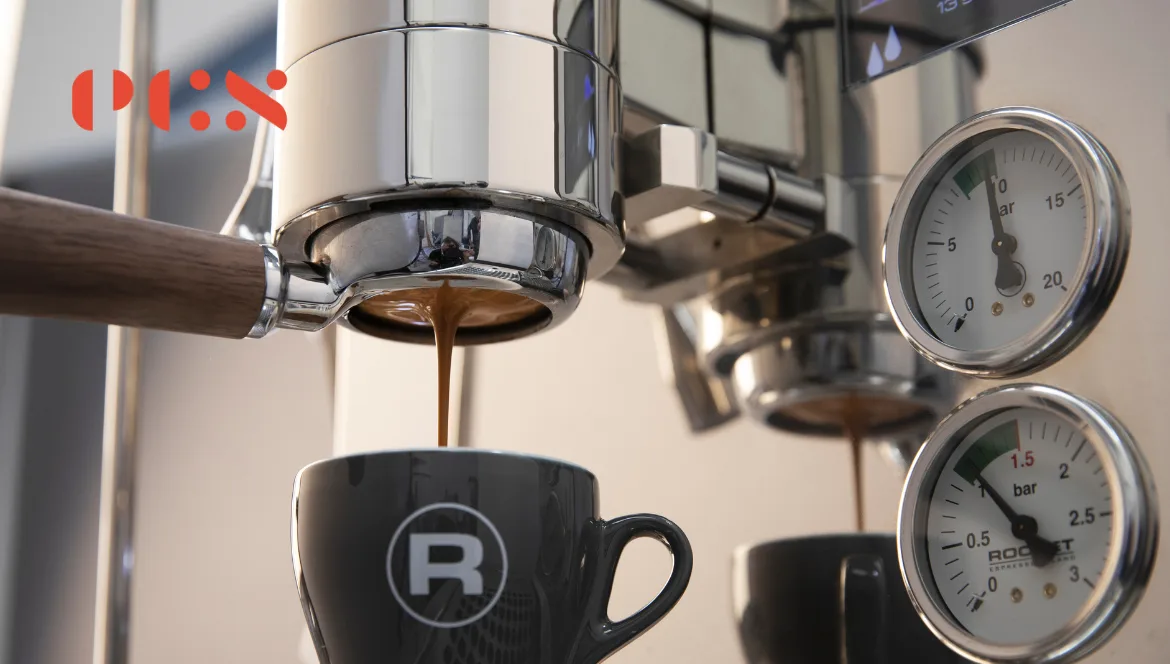 Bottomless portafilter? Here are the aspects to be considered
The search for the perfect espresso is a long road, and there are several tools that can help achieve the perfect...Read more
Bottomless portafilter? Here are the aspects to be considered
The search for the perfect espresso is a long road, and there are several tools that can help achieve the perfect...Read more -
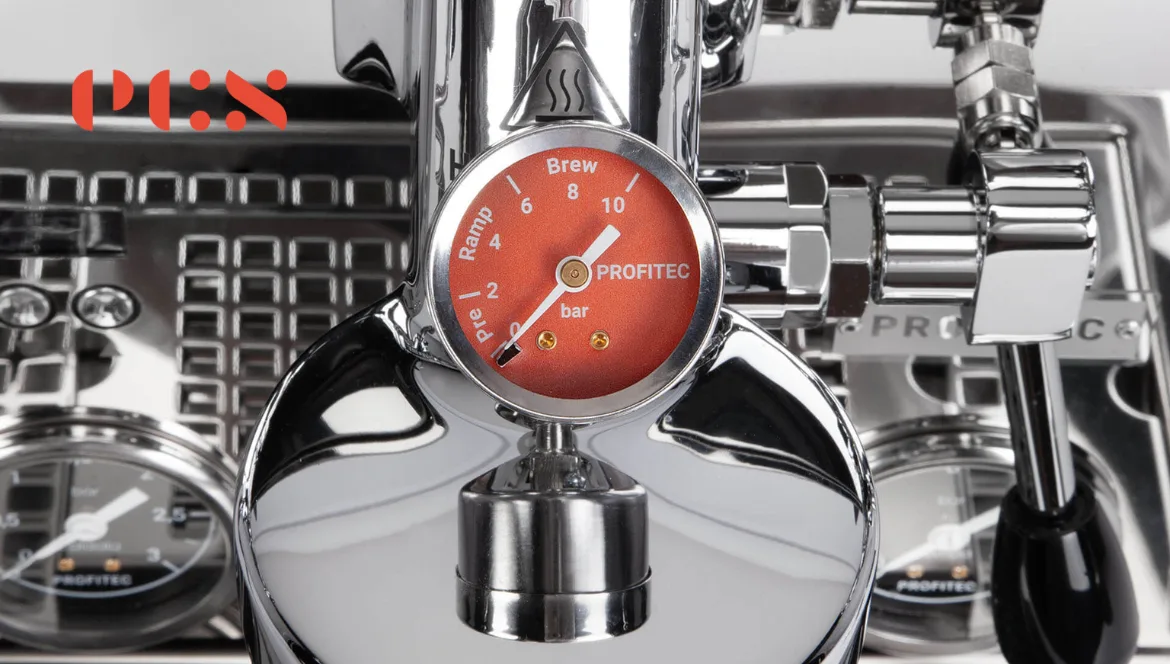 PROFITEC DRIVE: the home machine with professional performance
Drive is the most recent entry in the Profitec household and the evolution of the already highly appreciated Pro 700....Read more
PROFITEC DRIVE: the home machine with professional performance
Drive is the most recent entry in the Profitec household and the evolution of the already highly appreciated Pro 700....Read more -
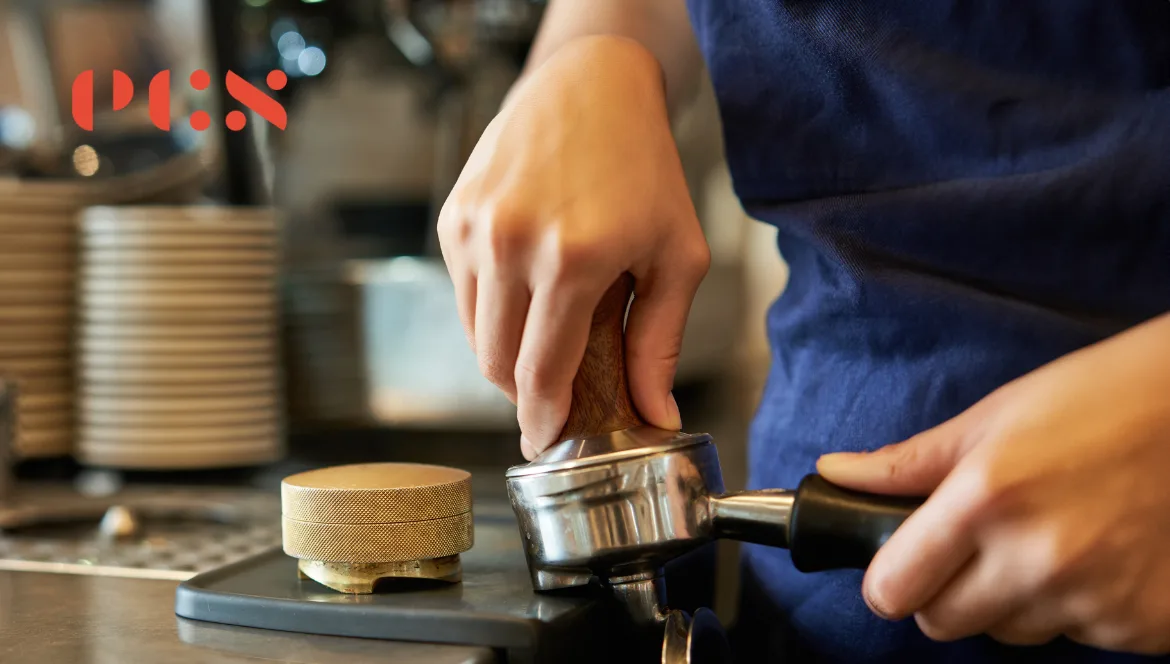 All about a good tamping
To make good coffee, it is important to have the right equipment, quality coffee and not only. It is also necessary...Read more
All about a good tamping
To make good coffee, it is important to have the right equipment, quality coffee and not only. It is also necessary...Read more
Leave a comment