


Espresso pairing is all about finding the right balance between coffee intensity and food flavors. This guide...
Please, visit the correct shop for your location:
International Site


It looks like you are not from the USA,
please visit the correct shop for your location:


 Espresso Machines
Coffee Grinders
Set
Accessories
Coffee
Pour Over
Design Collection
Deals
Best Of Black Friday
Brands
Espresso Machines
Coffee Grinders
Set
Accessories
Coffee
Pour Over
Design Collection
Deals
Best Of Black Friday
Brands
Espresso Coffee Shop
+Assistance and services
+-
 Espresso Pairing Guide: Foods That Complement Your CoffeeRead more09/03/2026
 -
 Coffee Catering Services: Mobile Espresso Solutions for EventsRead more
Coffee catering brings a complete espresso experience directly to weddings, corporate events, private parties, and...
08/27/2026 -
 Coffee Shop Design: Creating the Perfect Espresso Bar LayoutRead more
Designing the perfect coffee shop layout starts with creating an efficient espresso bar workflow. A well-planned...
08/25/2026 -
 Specialty Coffee Trends: Staying Competitive in the Espresso MarketRead more
Specialty coffee trends are transforming the espresso market as consumers increasingly prioritize quality,...
08/25/2026 -
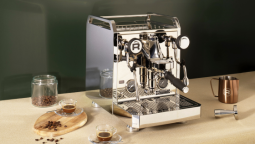 Espresso Machine Leasing vs Buying: What's Best for Your Business?Read more
Should you lease or buy an espresso machine for your business? This guide compares the costs, benefits, and long-term...
07/14/2026 -
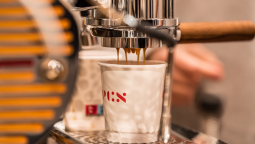 Espresso and Health: Benefits, Caffeine Content, and Wellness ConsiderationsRead more
Wondering how espresso affects your health? Learn how much caffeine is in a shot, what research says about...
07/14/2026 -
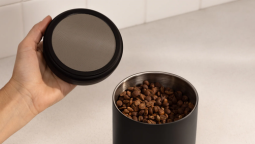 Espresso Gift Guide: Perfect Presents for Coffee EnthusiastsRead more
Discover practical espresso gift ideas for every budget with this guide from Espresso Coffee Shop USA. From...
07/08/2026 -
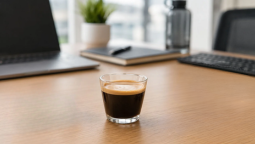 Office Coffee Solutions: Bringing Quality Espresso to the WorkplaceRead more
Create a better workplace coffee experience with the right office coffee solutions. This guide explains how to choose...
07/08/2026 -
 Italian Espresso Bar Etiquette: How to Order Like a LocalRead more
Discover the essential etiquette of an Italian espresso bar, from ordering coffee like a local to understanding when...
07/08/2026 -
 Sustainable Espresso: Eco-Friendly Practices and Equipment for 2026Read more
A sustainable espresso setup combines high-quality coffee with environmentally responsible choices. From durable,...
06/23/2026
Blog categories
Search in blog
Archived posts
High-Volume Espresso Production: Equipment for Busy Establishments
If your cafe serves a steady line of customers from open to close, your equipment needs to keep pace without slowing down or breaking down. High volume espresso production depends on machines and grinders built for sustained daily output, not just occasional weekend use. At Espresso Coffee Shop USA, we work with cafes, coffee carts, and small chains across the country to help them choose gear that holds up under real pressure. In this guide, we will walk through exactly what that equipment looks like and why it matters. For a broader look at outfitting a cafe from the ground up, our Starting a Coffee Shop: Essential Equipment and Setup Guide is a useful companion read.
Why Equipment Choice Defines Your Daily Output
Every cafe owner eventually hits a point where the home-style setup that worked fine in the early days starts to show cracks during the morning rush. Shots come out inconsistently, the steam wand cannot keep up with back-to-back milk drinks, and the grinder overheats halfway through service. These are not signs of bad technique. There are signs that the equipment was never designed for the volume it is being asked to handle.
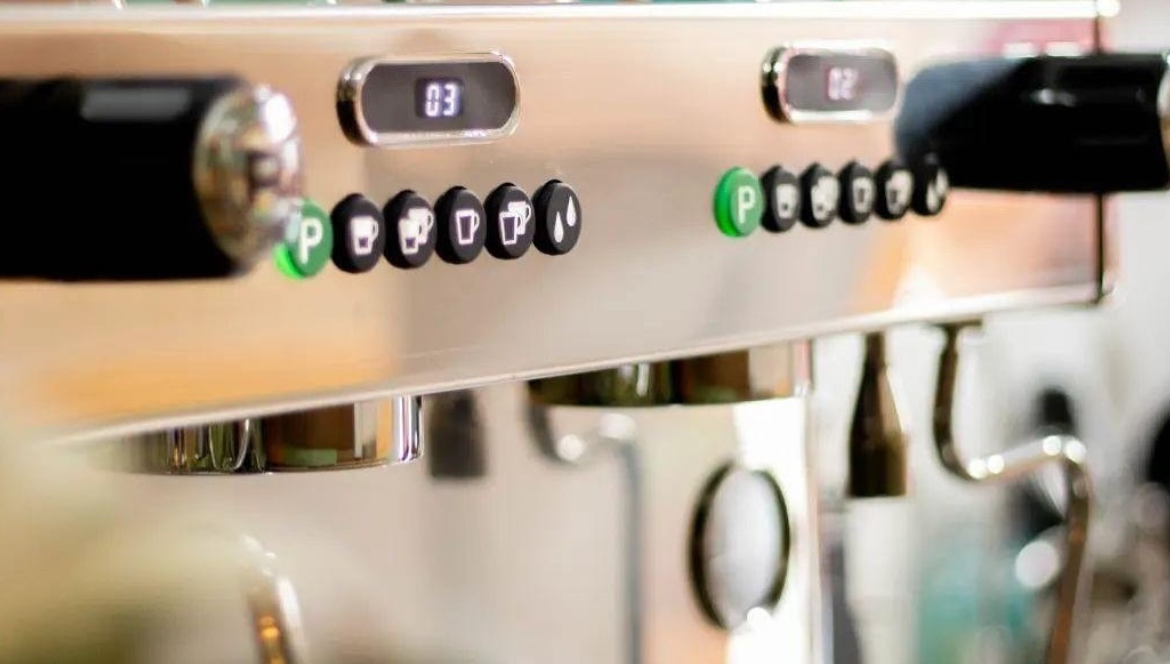
High volume espresso production is less about brand names and more about boiler capacity, recovery time, and how well a machine and grinder work together under continuous use. A heat-exchange or dual-boiler system, for example, allows brewing and steaming to occur simultaneously without temperature drops, which is the single biggest factor separating a smooth morning rush from a chaotic one.
What Counts as High Volume
There is no single number that defines high volume, since it depends on your space and staffing, but most industry benchmarks place busy independent cafes somewhere between 150 and 400 espresso-based drinks per day. Coffee carts and small footprint shops often sit at the lower end of that range, while established cafes with multiple baristas working during peak hours land closer to the upper end.
Knowing roughly where your business falls helps narrow down equipment choices considerably. A machine built for 80 drinks a day will struggle at 300, and a grinder sized for occasional use will wear out faster than one built for constant grinding. The right equipment choice keeps output steady when demand rises.
Espresso Machines Built for Busy Establishments
The espresso machine is the heart of any cafe, and for high-volume espresso production, a few features matter more than others.
Boiler Size and Recovery Time
Larger boilers hold more hot water and steam reserve, which means less waiting between drinks. Machines like the Rocket Boxer line use an oversized heat-exchange boiler so that brewing and steaming can run simultaneously without the next shot suffering. For cafes producing 80 to 150 drinks per day, a compact one-group machine with a generous boiler can comfortably handle the workload, while busier operations often benefit from a two-group setup that lets two baristas pull shots in parallel during the rush.
Volumetric Dosing and Shot Timers
Consistency matters as much as speed. Volumetric dosing systems control water flow precisely so every shot pulls to the same volume, reducing guesswork and keeping quality steady even when a different barista is on the bar. Built-in shot timers give staff a quick visual reference, which is especially useful when training new team members during busy shifts.
Build Quality and Daily Durability
Equipment that runs for eight or more hours a day, every day, needs to be built from materials that can take it. Stainless steel construction, easily serviceable group heads, and automatic backflushing features all reduce the maintenance burden and extend the machine's working life. With proper care, well-built commercial espresso machines typically last well over a decade in daily cafe use.
Coffee Grinders That Keep Pace With Demand
A great espresso machine paired with an underpowered grinder will always be the weak link in high-volume espresso production. Grinders for busy establishments need to manage heat, maintain particle consistency, and dose quickly without long pauses between orders.
Burr Size and Grinding Speed
Larger flat burrs, typically in the 80mm range, grind faster and stay cooler under continuous use than smaller home-style burrs. This matters because heat buildup changes grind size over the course of a shift, which in turn changes how espresso tastes. Grinders like the Mahlkonig E80W GBS are designed around this exact problem, using active cooling and precise burr distance controls to keep output consistent from the first shot of the day to the last.
Grind by Weight Technology
For cafes running 200 or more doses per day, grind-by-weight systems offer a real advantage. These grinders use a load cell to measure the grounds as they are dispensed, which keeps dosing accurate even as bean density shifts slightly with changes in humidity or roast date. This level of precision reduces waste and helps maintain the flavor profile customers expect from visit to visit. If you are curious how this kind of technology is evolving, our post on the Future of Espresso: Smart Machines and Technology Innovations covers it in more depth.
Matching Grinder Capacity to Your Cafe
As a general guide, cafes producing under 150 doses per day are well served by a 65mm burr grinder, while those producing 200 to 400 doses per day benefit from stepping up to 80mm burrs for better thermal stability and faster throughput. Many established cafes also keep a second grinder on hand for decaf or alternative roasts, which keeps the main grinder dedicated to the primary espresso blend and reduces dial-in time during service.
Supporting Equipment That Makes a Real Difference
Beyond the espresso machine and grinder, a few additional pieces of equipment quietly shape how smoothly a busy cafe runs. The main point is that these tools support speed, consistency, and lower maintenance during service.
Automatic tamping systems, such as the Puqpress, ensure that every dose is tamped at the same pressure each time, which removes one more variable from the equation and speeds up the workflow during peak hours. Water filtration systems protect boilers from scale buildup, particularly important for machines running long hours daily, since mineral buildup is one of the most common causes of premature equipment failure. A reliable set of precision scales, tamping mats, and frothing pitchers rounds out a station that is ready for whatever the morning rush brings.
Maintenance Habits That Protect Your Investment
Even the best equipment needs consistent care to perform at a high level over the years of daily use. Daily habits like purging the steam wand after each use, backflushing the group head at the end of service, and brushing out the grinder chute go a long way toward preventing buildup. Weekly tasks should include soaking portafilters and baskets in a cleaning solution and checking group head gaskets for wear. Descaling on a schedule based on your local water hardness keeps boilers running efficiently and significantly extends the life of internal components.
How Espresso Coffee Shop USA Can Help
Since 1997, our team has helped more than 100,000 coffee lovers choose the right equipment for their needs, and we now bring that same experience directly to cafes and coffee businesses across the United States. We carry commercial-grade espresso machines from Rocket Espresso alongside Mahlkonig grinders built specifically for high-output environments, and we also offer free virtual coffee consultations where our team can walk through your daily volume, space, and budget to recommend a setup that actually fits your operation. Fast shipping across the U.S. and dedicated after-sales support mean you are never left figuring things out alone once your equipment arrives.
Frequently Asked Questions
Q: What is considered high-volume espresso production for a small cafe?
A: Most small- to mid-sized cafes fall into high-volume territory once they consistently produce more than 150 espresso-based drinks per day, which is typically when boiler recovery time and grinder heat management start to noticeably affect quality.
Q: How often should commercial espresso equipment be serviced?
A: Daily cleaning tasks like backflushing and wiping the steam wand should occur every shift, while deeper maintenance, such as descaling and gasket checks, is usually recommended every 1 to 3 months, depending on water quality and usage.
Q: Can a single-group espresso machine handle a busy cafe?
A: A well-built single-group machine with a large heat exchange boiler can comfortably handle 80 to 150 drinks per day, but cafes regularly exceeding that volume often see better workflow with a two-group setup.
Q: What is the difference between a 65mm and an 80mm burr grinder?
A: 65mm burrs suit cafes grinding up to around 200 doses per day, while 80mm burrs grind faster and handle heat better under sustained use, making them better suited to operations running 250 doses or more per day.
Q: Does grind-by-weight technology make a noticeable difference?
A: Yes, particularly for busier cafes. Grind-by-weight systems measure output in real time, which keeps dosing accurate even as bean characteristics shift slightly throughout the day, reducing waste and improving consistency.
Related posts
-
 Understanding Espresso Machines: Single Boiler, Dual Boiler, and Heat Exchanger Models
Choosing the right espresso machine can elevate your coffee experience to new heights. At Espresso Coffee Shop we...Read more
Understanding Espresso Machines: Single Boiler, Dual Boiler, and Heat Exchanger Models
Choosing the right espresso machine can elevate your coffee experience to new heights. At Espresso Coffee Shop we...Read more -
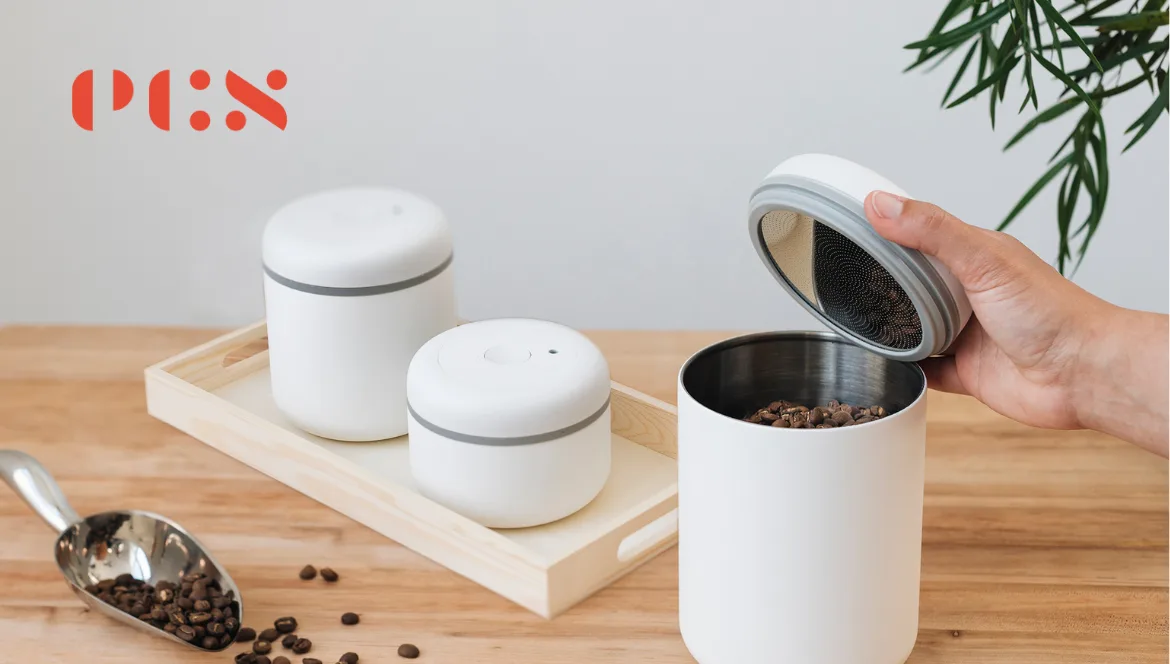 How to properly store coffee
If you, too, are a true coffee enthusiast, meticulously selecting the varieties you like best and eagerly...Read more
How to properly store coffee
If you, too, are a true coffee enthusiast, meticulously selecting the varieties you like best and eagerly...Read more -
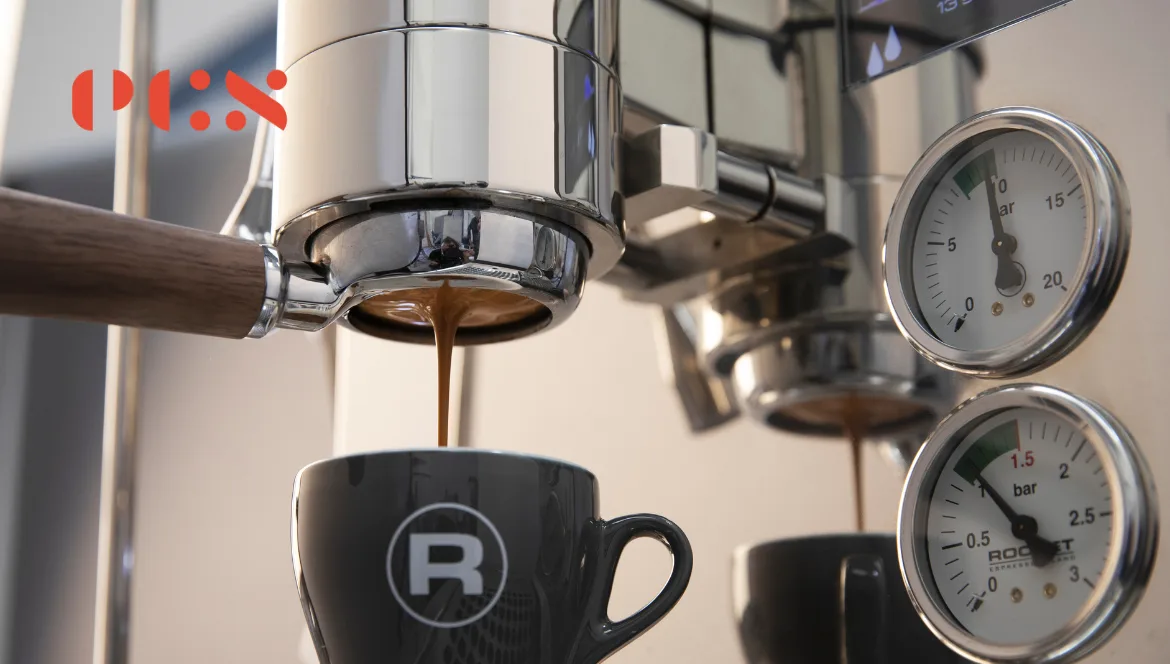 Bottomless portafilter? Here are the aspects to be considered
The search for the perfect espresso is a long road, and there are several tools that can help achieve the perfect...Read more
Bottomless portafilter? Here are the aspects to be considered
The search for the perfect espresso is a long road, and there are several tools that can help achieve the perfect...Read more -
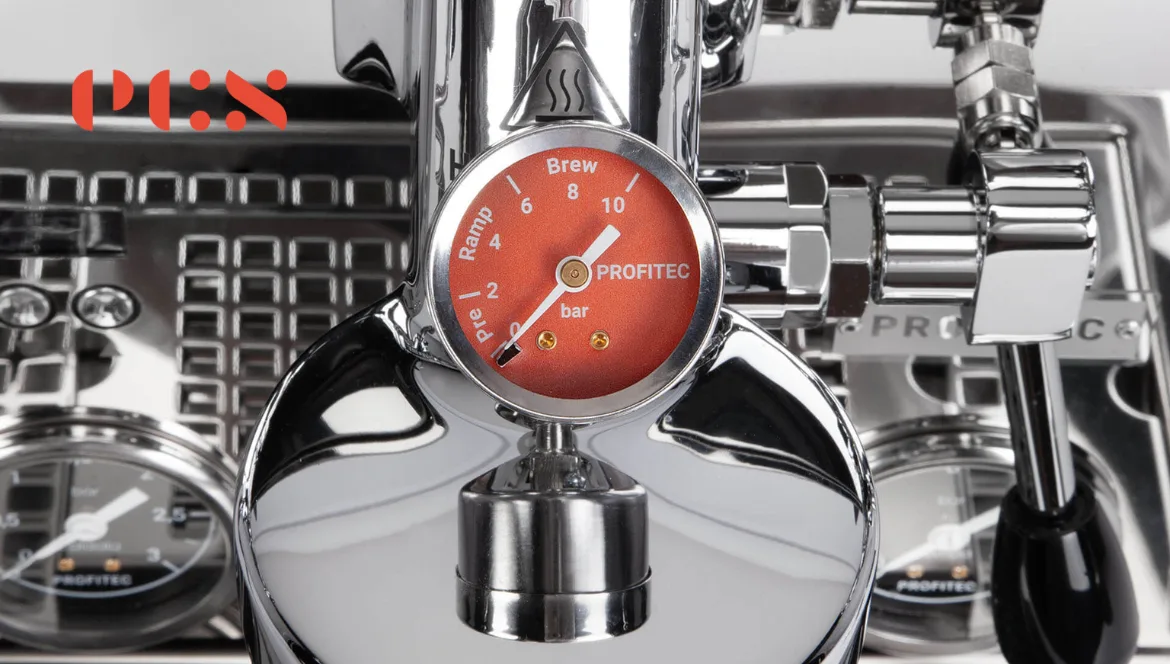 PROFITEC DRIVE: the home machine with professional performance
Drive is the most recent entry in the Profitec household and the evolution of the already highly appreciated Pro 700....Read more
PROFITEC DRIVE: the home machine with professional performance
Drive is the most recent entry in the Profitec household and the evolution of the already highly appreciated Pro 700....Read more -
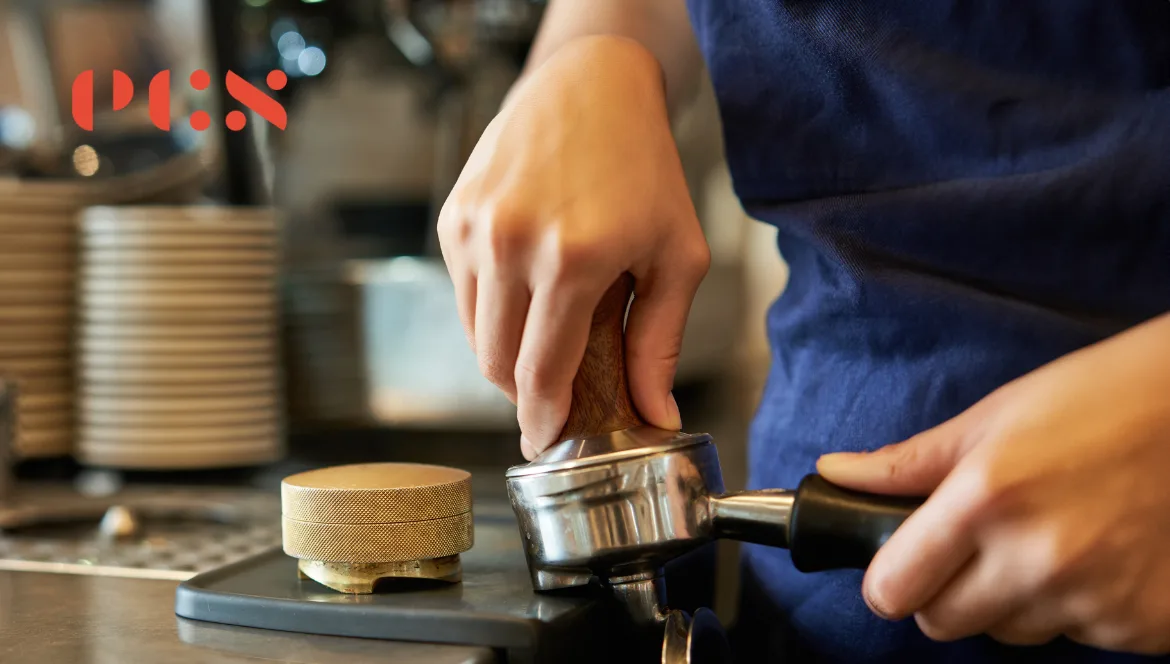 All about a good tamping
To make good coffee, it is important to have the right equipment, quality coffee and not only. It is also necessary...Read more
All about a good tamping
To make good coffee, it is important to have the right equipment, quality coffee and not only. It is also necessary...Read more
Leave a comment