


Espresso pairing is all about finding the right balance between coffee intensity and food flavors. This guide...
Please, visit the correct shop for your location:
International Site


It looks like you are not from the USA,
please visit the correct shop for your location:


 Espresso Machines
Coffee Grinders
Set
Accessories
Coffee
Pour Over
Design Collection
Deals
Best Of Black Friday
Brands
Espresso Machines
Coffee Grinders
Set
Accessories
Coffee
Pour Over
Design Collection
Deals
Best Of Black Friday
Brands
Espresso Coffee Shop
+Assistance and services
+-
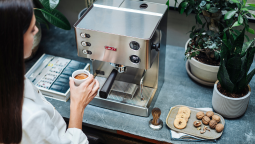 Espresso Pairing Guide: Foods That Complement Your CoffeeRead more08/31/2026
 -
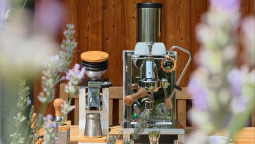 Coffee Catering Services: Mobile Espresso Solutions for EventsRead more
Coffee catering brings a complete espresso experience directly to weddings, corporate events, private parties, and...
08/27/2026 -
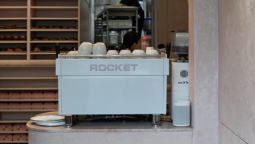 Coffee Shop Design: Creating the Perfect Espresso Bar LayoutRead more
Designing the perfect coffee shop layout starts with creating an efficient espresso bar workflow. A well-planned...
08/25/2026 -
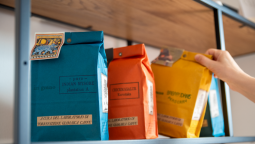 Specialty Coffee Trends: Staying Competitive in the Espresso MarketRead more
Specialty coffee trends are transforming the espresso market as consumers increasingly prioritize quality,...
08/25/2026 -
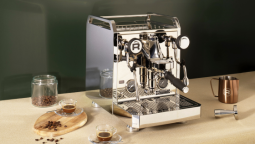 Espresso Machine Leasing vs Buying: What's Best for Your Business?Read more
Should you lease or buy an espresso machine for your business? This guide compares the costs, benefits, and long-term...
07/14/2026 -
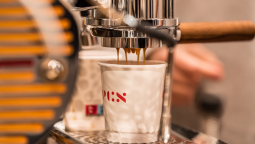 Espresso and Health: Benefits, Caffeine Content, and Wellness ConsiderationsRead more
Wondering how espresso affects your health? Learn how much caffeine is in a shot, what research says about...
07/14/2026 -
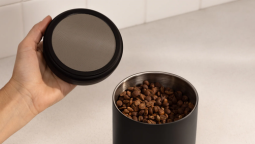 Espresso Gift Guide: Perfect Presents for Coffee EnthusiastsRead more
Discover practical espresso gift ideas for every budget with this guide from Espresso Coffee Shop USA. From...
07/08/2026 -
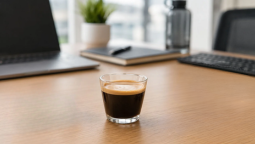 Office Coffee Solutions: Bringing Quality Espresso to the WorkplaceRead more
Create a better workplace coffee experience with the right office coffee solutions. This guide explains how to choose...
07/08/2026 -
 Italian Espresso Bar Etiquette: How to Order Like a LocalRead more
Discover the essential etiquette of an Italian espresso bar, from ordering coffee like a local to understanding when...
07/08/2026 -
 Sustainable Espresso: Eco-Friendly Practices and Equipment for 2026Read more
A sustainable espresso setup combines high-quality coffee with environmentally responsible choices. From durable,...
06/23/2026
Blog categories
Search in blog
Espresso and Health: Benefits, Caffeine Content, and Wellness Considerations
The health benefits of espresso are real, meaningful, and frequently misunderstood. A daily shot is not a medical treatment, but it is not something to feel guilty about either. Research consistently shows that moderate espresso consumption fits comfortably within a healthy routine for most adults, delivering genuine antioxidant activity, cognitive support, and metabolic benefits without the risks associated with excessive intake. This guide covers what espresso actually does to your body, how much caffeine is in a shot, what "too much" looks like, and how the equipment you use connects directly to how consistently you can manage your intake.
This is general information, not medical advice. If you have a heart condition, are pregnant, or are sensitive to stimulants, talk to a healthcare provider about what caffeine level is right for you.
How Much Caffeine Is Really in a Shot of Espresso?
Single Shot vs Double Espresso: The Numbers That Matter
Understanding how much caffeine is in espresso starts with the shot itself. A standard single shot, approximately one fluid ounce, contains between 60 and 75 milligrams of caffeine, with some variation reaching up to 100 milligrams depending on the bean variety, roast level, dose, and extraction parameters. A double shot, the base for most café drinks, including lattes and cappuccinos, typically delivers 120 to 150 milligrams.
For context, the FDA's recognized safe daily caffeine intake for healthy adults is 400 milligrams. That works out to roughly five or six single espresso shots, or about three double shots over the course of a day. In practice, most daily espresso drinkers stay well within this range, particularly if they are tracking total caffeine from all sources, including tea, energy drinks, and chocolate.
One detail that surprises most people: an 8-ounce cup of drip coffee often contains slightly more total caffeine than a single espresso shot. Espresso is far more concentrated per ounce, but you drink much less of it, which brings the totals closer together than the intensity of the flavor suggests.
The Real Health Benefits of Espresso
What Research Shows About Drinking Espresso
The benefits of espresso documented in peer-reviewed research fall into a few consistent categories. First, antioxidant content. Coffee, including espresso, is one of the most significant dietary sources of chlorogenic acids in most Western diets. These polyphenols help the body manage oxidative stress at the cellular level and have been studied in connection with reduced inflammation markers.
Second, cognitive and physical performance. Caffeine at moderate doses is one of the most extensively studied natural performance enhancers available. The espresso health benefits related to focus include measurably improved alertness, faster reaction time, and better working memory performance, particularly in the hours following consumption. Physical athletes frequently use caffeine pre-workout for the same reason: it reduces perceived effort during aerobic exercise and can delay the onset of fatigue.
Third, metabolic effects. Regular, moderate coffee consumption has been associated in large observational studies with lower relative risk of type 2 diabetes and reduced incidence of certain liver conditions. These are population-level associations, not guarantees, and the mechanisms are still being studied. What is clear is that the research does not support the idea that daily espresso is harmful for healthy adults; quite the opposite.
Double Espresso Benefits vs Single Shot
The benefits of a double espresso over a single shot come with a straightforward trade-off: more caffeine means more pronounced cognitive activation and stronger appetite suppression, but also a higher contribution to your daily 400-milligram limit. For most healthy adults who drink one or two drinks in the morning and nothing after early afternoon, a daily double shot is within a comfortable range. For people who are sensitive to stimulants or who notice sleep disruption even from morning caffeine, a single shot may be the better baseline.
Benefits of Drinking Espresso Every Day
Benefits of drinking espresso every day primarily stem from antioxidant intake and the consistent support for cognitive routine that caffeine provides. The research most supportive of daily espresso is in the moderate range, one to three shots daily rather than in higher quantities where side effects begin to outweigh benefits.
Espresso Benefits and Side Effects: The Honest Picture
What Espresso Actually Does to Your Body
What espresso does to your body depends significantly on how much you consume and your individual sensitivity. At moderate levels, the effects are predominantly positive: increased alertness, improved mood and focus, a mild thermogenic effect that supports metabolism, and the antioxidant activity described above.
Past the 400 milligram daily threshold, the picture shifts. Too much caffeine across multiple shots is associated with elevated heart rate, anxiety, acid reflux, disrupted sleep, and headaches if intake drops suddenly. These are dose-dependent effects, not inherent risks of espresso itself. Managing how many shots of espresso you consume per day is the most practical lever available.
What happens if you drink espresso every day at moderate levels is simply that most of the above benefits accumulate. At the same time, tolerance to some of caffeine's more pronounced effects develops gradually. This is why long-term daily espresso drinkers often feel less of a "jolt" than occasional drinkers; the body adapts to regular intake.
How Equipment Supports Better Espresso Health Outcomes
Precision Scales: Controlling What Actually Goes Into Your Cup
Since caffeine content scales directly with dose, one of the most practical ways to keep your intake consistent is weighing both your ground coffee going in and your liquid output. The Acaia Lunar Scale is designed specifically for espresso workflows, ultra-precise to 0.1 grams, with a built-in shot timer and Bluetooth connectivity. Whether your espresso shots are good for you is a question you think about; knowing exactly what you are pulling is the first step to answering it with confidence.
PID Machines for Consistent Extraction
Temperature directly affects extraction, and inconsistent extraction means shots that vary in strength even when you use the same dose. A machine with PID temperature control holds a precise brewing temperature within fractions of a degree across every shot. The Rocket Espresso lineup is built around this principle: heat exchanger and dual-boiler machines with commercial-grade temperature stability that make the relationship between your recipe and your cup predictable and repeatable.
For anyone tracking intake or trying to dial in a specific caffeine amount per session, consistency at the machine level matters more than most people expect. Two shots that look identical but were pulled at different temperatures can differ meaningfully in extraction yield and in how much caffeine ends up in the cup.
Quality Grinders for Predictable Strength
Grind consistency is the upstream variable that most directly affects extraction evenness. An uneven grind produces a mix of over- and under-extracted particles in every shot, resulting in variable strength regardless of how carefully the machine is calibrated. The Eureka Mignon Specialita delivers stepless grind adjustment and 55mm flat burrs that produce tight particle distribution, the kind of consistency that makes each shot reliably close to the last, which is meaningful if how many shots of espresso per day is something you are actively managing.
Who Should Be More Careful With Espresso
Certain groups benefit from closer attention to daily intake. Pregnant individuals are generally advised to limit caffeine intake to 200 milligrams per day, roughly two single shots. People with anxiety disorders, cardiac arrhythmias, or high blood pressure often have a lower personal threshold than the general guideline regardless of their overall health. Teenagers and those new to regular caffeine use tend to be more sensitive before tolerance develops.
If regular espresso consumption is causing jitteriness, heart racing, or sleep disruption, the practical response is to space shots further apart, reduce the dose, or switch to decaf, which still contains roughly 5 to 15 milligrams of caffeine compared to 60 to 75 in a regular shot.
Espresso Health: A Practical Daily Checklist
Track total caffeine from all sources, not just espresso, including tea, cola, and chocolate. Stay within the FDA's 400 milligram daily guideline unless a healthcare provider advises otherwise. Space your shots at least several hours apart to avoid stacking effects in the afternoon. Consider a precision scale if you want more predictable caffeine content per cup. Switch to decaf after 2 pm if espresso is affecting sleep quality.
Frequently Asked Questions
Q: How much caffeine is in a single shot of espresso?
A: A single one-ounce shot typically contains between 60 and 75 milligrams of caffeine, with some variation up to about 100 milligrams depending on the bean and preparation.
Q: Is espresso healthier than regular coffee?
A: Neither is inherently healthier. Espresso is more concentrated per ounce, but a typical serving of drip coffee often delivers a similar or slightly higher total caffeine amount because of its larger volume.
Q: Can drinking espresso every day be bad for you?
A: For most healthy adults, moderate daily espresso consumption within the FDA's 400 milligram guideline is not considered harmful and may offer modest benefits. Problems tend to arise from consistently exceeding that limit.
Q: Does the type of espresso machine affect caffeine content?
A: Indirectly, yes. Machines with stable temperature control and consistent extraction, along with a quality grinder, help you pull shots that more reliably match your intended dose, supporting predictable caffeine intake.
Q: How much caffeine is in decaf espresso?
A: Decaf espresso is not entirely caffeine-free. A typical shot contains roughly 5 to 15 milligrams, compared to 60 to 75 milligrams in a regular shot, which makes it a reasonable option later in the day.
Related posts
-
 Understanding Espresso Machines: Single Boiler, Dual Boiler, and Heat Exchanger Models
Choosing the right espresso machine can elevate your coffee experience to new heights. At Espresso Coffee Shop we...Read more
Understanding Espresso Machines: Single Boiler, Dual Boiler, and Heat Exchanger Models
Choosing the right espresso machine can elevate your coffee experience to new heights. At Espresso Coffee Shop we...Read more -
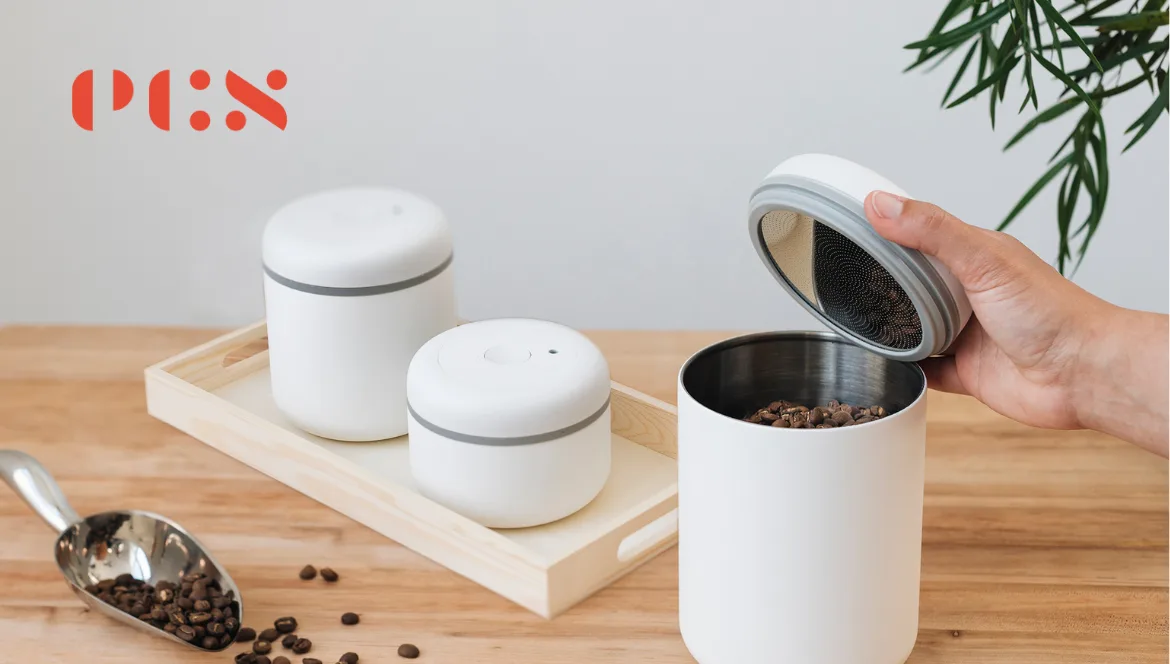 How to properly store coffee
If you, too, are a true coffee enthusiast, meticulously selecting the varieties you like best and eagerly...Read more
How to properly store coffee
If you, too, are a true coffee enthusiast, meticulously selecting the varieties you like best and eagerly...Read more -
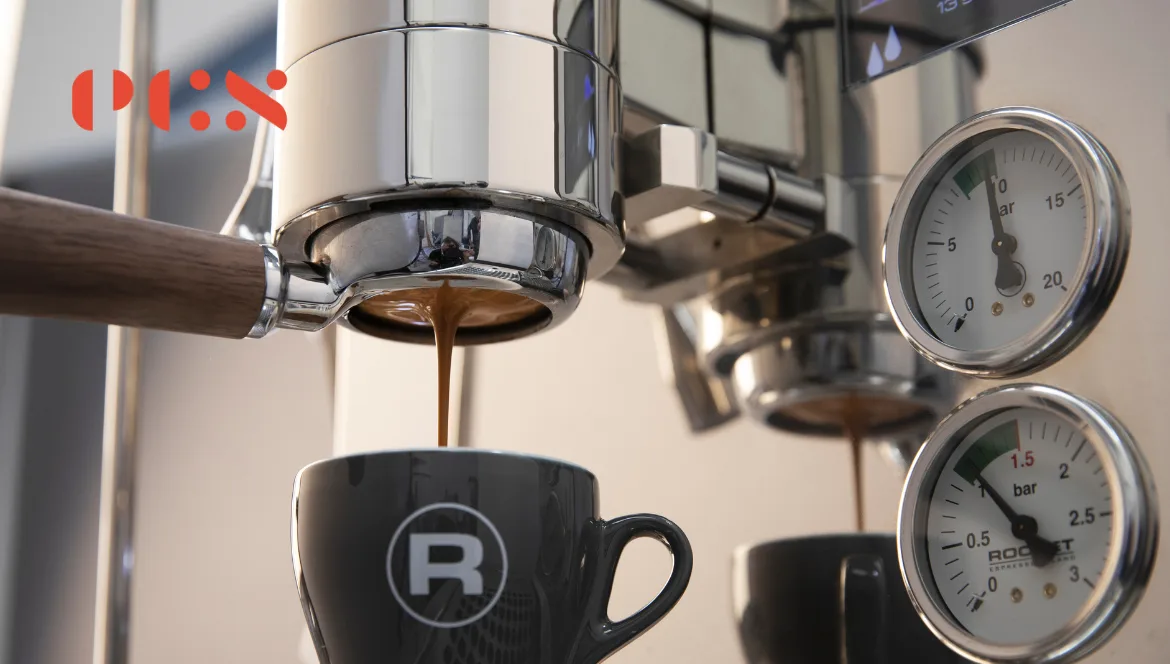 Bottomless portafilter? Here are the aspects to be considered
The search for the perfect espresso is a long road, and there are several tools that can help achieve the perfect...Read more
Bottomless portafilter? Here are the aspects to be considered
The search for the perfect espresso is a long road, and there are several tools that can help achieve the perfect...Read more -
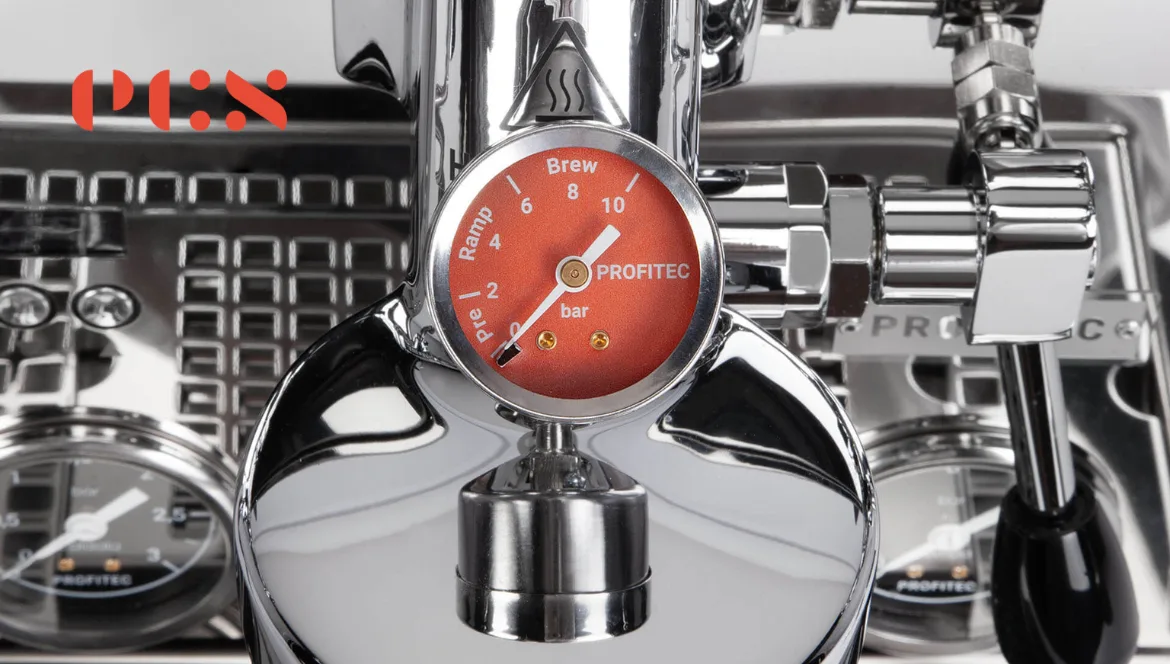 PROFITEC DRIVE: the home machine with professional performance
Drive is the most recent entry in the Profitec household and the evolution of the already highly appreciated Pro 700....Read more
PROFITEC DRIVE: the home machine with professional performance
Drive is the most recent entry in the Profitec household and the evolution of the already highly appreciated Pro 700....Read more -
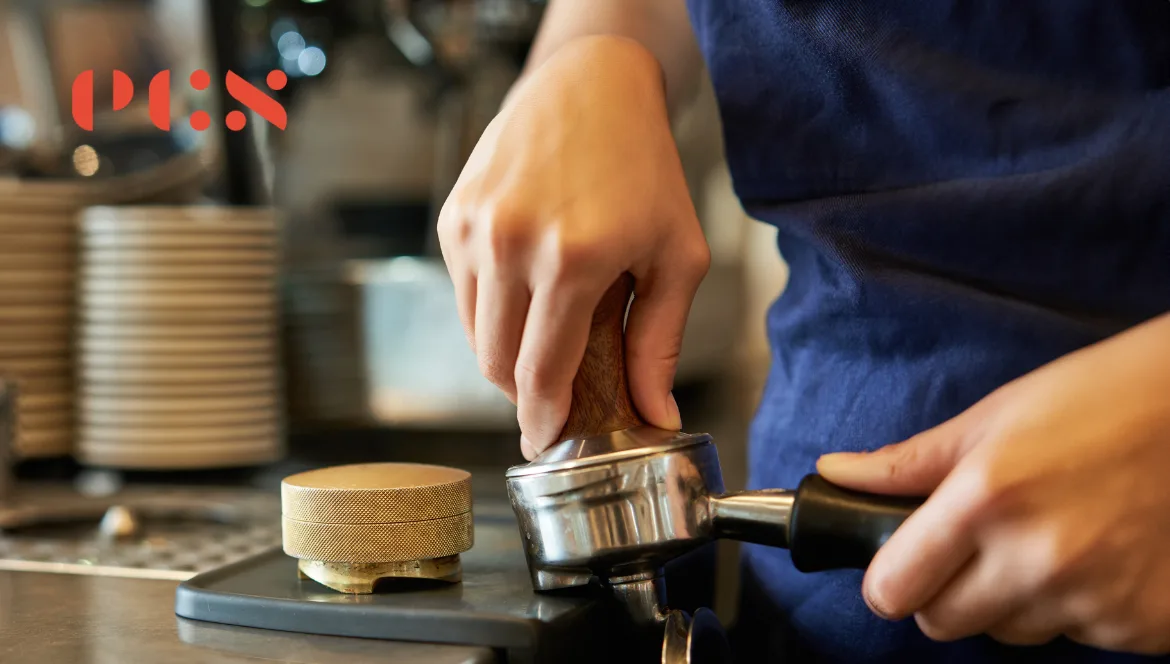 All about a good tamping
To make good coffee, it is important to have the right equipment, quality coffee and not only. It is also necessary...Read more
All about a good tamping
To make good coffee, it is important to have the right equipment, quality coffee and not only. It is also necessary...Read more
Leave a comment