


Espresso pairing is all about finding the right balance between coffee intensity and food flavors. This guide...
Please, visit the correct shop for your location:
International Site


It looks like you are not from the USA,
please visit the correct shop for your location:


 Espresso Machines
Coffee Grinders
Set
Accessories
Coffee
Pour Over
Design Collection
Deals
Best Of Black Friday
Brands
Espresso Machines
Coffee Grinders
Set
Accessories
Coffee
Pour Over
Design Collection
Deals
Best Of Black Friday
Brands
Espresso Coffee Shop
+Assistance and services
+-
 Espresso Pairing Guide: Foods That Complement Your CoffeeRead more08/31/2026
 -
 Coffee Catering Services: Mobile Espresso Solutions for EventsRead more
Coffee catering brings a complete espresso experience directly to weddings, corporate events, private parties, and...
08/27/2026 -
 Coffee Shop Design: Creating the Perfect Espresso Bar LayoutRead more
Designing the perfect coffee shop layout starts with creating an efficient espresso bar workflow. A well-planned...
08/25/2026 -
 Specialty Coffee Trends: Staying Competitive in the Espresso MarketRead more
Specialty coffee trends are transforming the espresso market as consumers increasingly prioritize quality,...
08/25/2026 -
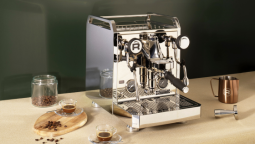 Espresso Machine Leasing vs Buying: What's Best for Your Business?Read more
Should you lease or buy an espresso machine for your business? This guide compares the costs, benefits, and long-term...
07/14/2026 -
 Espresso and Health: Benefits, Caffeine Content, and Wellness ConsiderationsRead more
Wondering how espresso affects your health? Learn how much caffeine is in a shot, what research says about...
07/14/2026 -
 Espresso Gift Guide: Perfect Presents for Coffee EnthusiastsRead more
Discover practical espresso gift ideas for every budget with this guide from Espresso Coffee Shop USA. From...
07/08/2026 -
 Office Coffee Solutions: Bringing Quality Espresso to the WorkplaceRead more
Create a better workplace coffee experience with the right office coffee solutions. This guide explains how to choose...
07/08/2026 -
 Italian Espresso Bar Etiquette: How to Order Like a LocalRead more
Discover the essential etiquette of an Italian espresso bar, from ordering coffee like a local to understanding when...
07/08/2026 -
 Sustainable Espresso: Eco-Friendly Practices and Equipment for 2026Read more
A sustainable espresso setup combines high-quality coffee with environmentally responsible choices. From durable,...
06/23/2026
Blog categories
Search in blog
Espresso Machine Leasing vs Buying: What's Best for Your Business?
Leasing vs. buying an espresso machine is one of the first real financial decisions a new cafe, restaurant, or office coffee program has to make, and there is no single right answer for every business. This guide breaks down what each option entails, who tends to benefit from one over the other, and where flexible purchase financing fits as a middle path. Espresso Coffee Shop USA, an Italian coffee equipment retailer that has spent over two decades helping cafes and businesses across the United States equip their coffee programs, put this together as a practical comparison rather than a pitch for one option.
This is general business information, not financial, tax, or legal advice. Every business's situation is different, so talk to an accountant or financial advisor before committing to either path.
What Leasing an Espresso Machine Actually Means
Leasing usually means working with a third-party equipment leasing company that owns the machine and rents it to your business for a fixed monthly payment over a set term, often two to five years. At the end of the term, you typically have the option to return the equipment, renew the lease, or buy it outright for a small remaining amount.
The appeal is straightforward. You avoid a high upfront cost, your entire monthly payment is often treated as a deductible operating expense, and you can upgrade to newer equipment more easily when the term ends. The trade-off is that leasing tends to cost more over the life of the machine than paying cash up front, since you are effectively paying for the convenience of spreading the cost.
What Buying an Espresso Machine Actually Means
Buying means your business pays for the machine, either in full or through a loan or purchase financing plan, and owns it outright once the balance is settled. There is no ongoing lease payment, no return obligation, and no restrictions on how long you keep the equipment or how you use it.
Owning outright generally costs less over time, since you are not paying a leasing company's markup for the convenience of monthly terms. The trade-off is the larger upfront commitment and the fact that you are responsible for the machine's full depreciation and eventual resale value, which, for well-built commercial equipment, can actually remain fairly strong for years.
Espresso Machine Leasing vs Buying: Key Differences
|
Upfront cost |
Low or none |
Full price, or a down payment if financed |
|
Monthly cost |
Fixed lease payment |
Loan or financing payment, or none if paid in cash |
|
Total cost over time |
Usually higher |
Usually lower |
|
Ownership |
Belongs to the leasing company |
Belongs to your business |
|
Upgrade flexibility |
Easier at the end of the term |
Requires a separate purchase decision |
|
Tax treatment |
Often, a full operating expense deduction |
Depreciation deduction, or interest deduction if financed |
When Leasing Makes Sense for Your Business
Leasing tends to make the most sense for a business that is opening its first location and wants to keep cash available for rent, staffing, and inventory rather than tying it up in equipment. It can also suit a business that expects to want newer equipment on a predictable cycle, since a lease effectively builds an upgrade path into the arrangement from day one.
If your accountant confirms that the full lease payment is deductible as an operating expense in your specific situation, that can also make leasing more attractive from a tax planning standpoint, though this varies enough by business structure that it is worth confirming directly rather than assuming.
When Buying Makes More Sense
Buying tends to make more sense for an established business with cash or available credit, since it avoids the long-term markup associated with leasing. It also suits any business planning to keep the same equipment for five years or more, which is common for well-built commercial machines designed for a long service life with proper maintenance.
Ownership also removes any restrictions a lease agreement might impose on modifications, resale, or use of the equipment, which matters for businesses that want full control over their setup.
How Espresso Coffee Shop USA Fits Into This Decision
Espresso Coffee Shop USA does not operate as a leasing company, but the site offers purchase financing through Affirm, which gives businesses a middle path between paying the full amount upfront and committing to a multi-year lease. This can be a practical option for a business that wants to own its equipment outright from day one while still spreading the cost over manageable monthly payments.
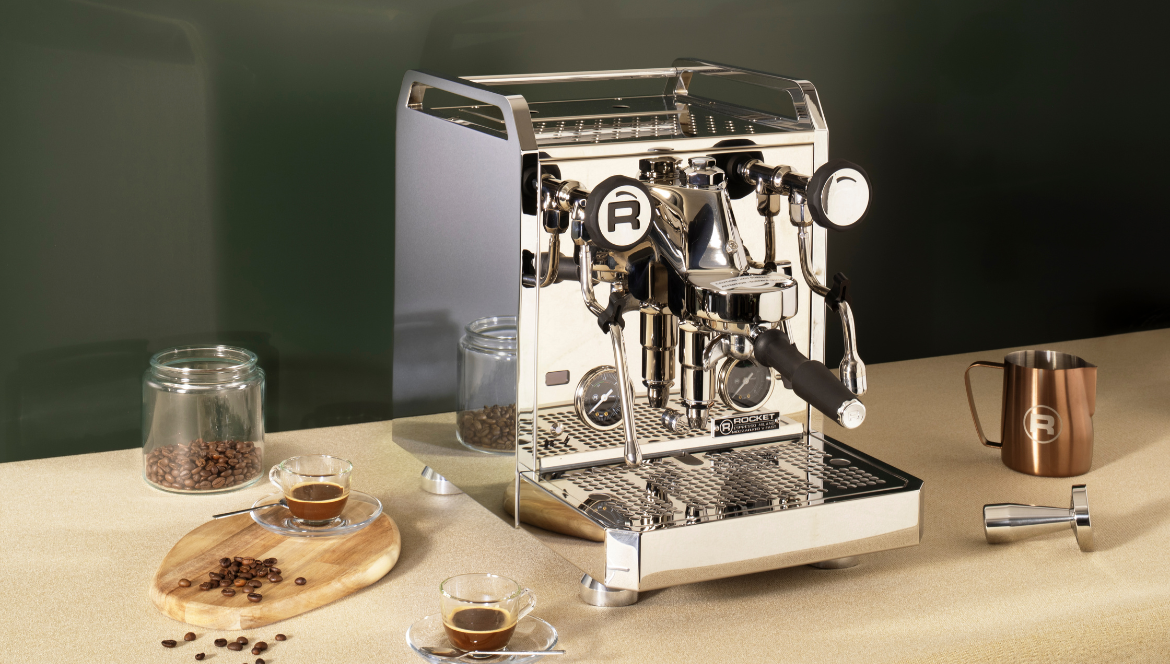
For businesses weighing this decision, the choice of machine matters just as much as the payment structure. A commercial-grade unit built for daily volume, such as the Rocket Boxer Tanica, is designed to hold its value and performance over many years, which strengthens the case for buying outright if your business has the volume to justify it. For a growing cafe or office program not yet at full commercial scale, a heat exchange machine like the Rocket Mozzafiato R Fast offers a lower entry cost that can make either buying or financing more approachable. If you are unsure which route fits your specific volume and budget, a short consultation with a specialist can help you compare real numbers before you commit.
Espresso Machine Leasing vs Buying Checklist
- Calculate the total cost of leasing over the full term, not just the monthly payment.
- Ask your accountant how each option would actually be treated for your business's taxes.
- Consider how long you realistically plan to keep the same equipment.
- Factor in maintenance responsibility, since some leases include service and some do not
- Compare purchase financing options against lease terms before assuming leasing is cheaper.
Frequently Asked Questions
Q: Is it cheaper to lease or buy an espresso machine?
A: Buying is usually cheaper over the full life of the equipment, since leasing includes a markup for the convenience of spreading out payments. Leasing can still make sense for cash-flow reasons, even when it costs more in total.
Q: Can I deduct espresso machine lease payments on my taxes?
A: Often yes, since lease payments are commonly treated as a deductible operating expense, but this depends on your business structure and the specific lease terms. Confirm with an accountant before assuming a deduction applies.
Q: What happens at the end of an espresso machine lease?
A: Most leases offer the choice to return the equipment, renew the lease, or purchase the machine outright for a small remaining amount, depending on the terms of the original agreement.
Q: Does Espresso Coffee Shop USA offer equipment leasing?
A: Espresso Coffee Shop USA sells equipment outright and offers purchase financing through Affirm, which allows businesses to spread payments over time while owning the machine from the start, rather than operating a traditional lease program.
Q: How long do commercial espresso machines typically last?
A: A well-maintained commercial espresso machine can often run reliably for ten years or more, which is a key factor in deciding whether the long-term savings of buying outweigh the lower upfront cost of leasing.
Related posts
-
 Understanding Espresso Machines: Single Boiler, Dual Boiler, and Heat Exchanger Models
Choosing the right espresso machine can elevate your coffee experience to new heights. At Espresso Coffee Shop we...Read more
Understanding Espresso Machines: Single Boiler, Dual Boiler, and Heat Exchanger Models
Choosing the right espresso machine can elevate your coffee experience to new heights. At Espresso Coffee Shop we...Read more -
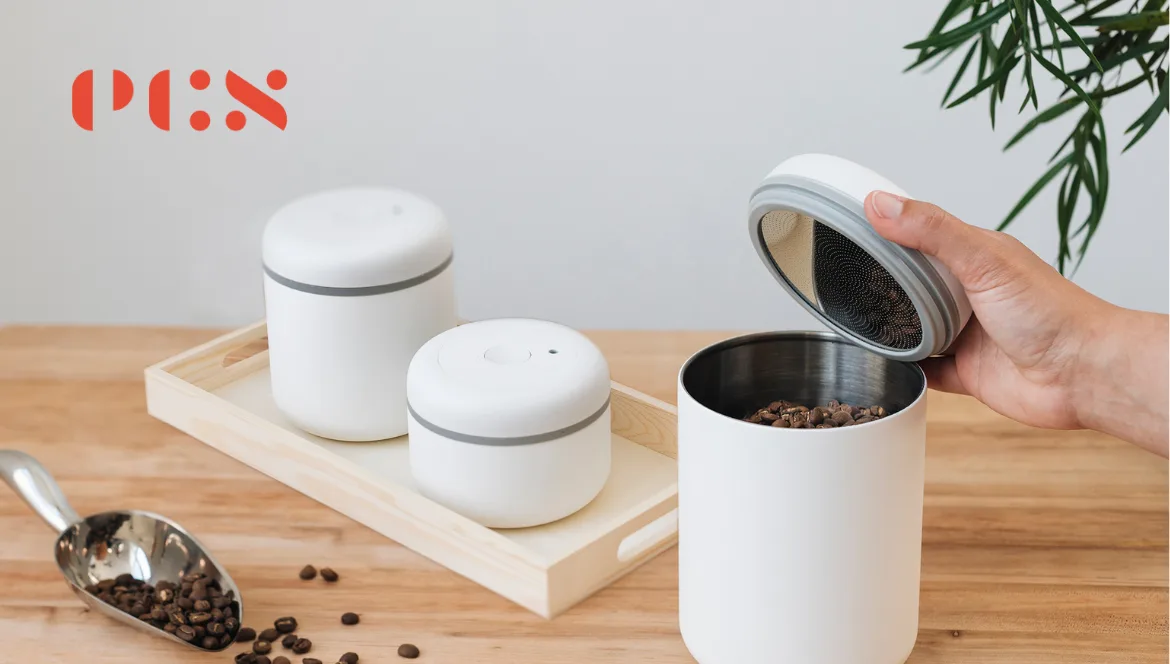 How to properly store coffee
If you, too, are a true coffee enthusiast, meticulously selecting the varieties you like best and eagerly...Read more
How to properly store coffee
If you, too, are a true coffee enthusiast, meticulously selecting the varieties you like best and eagerly...Read more -
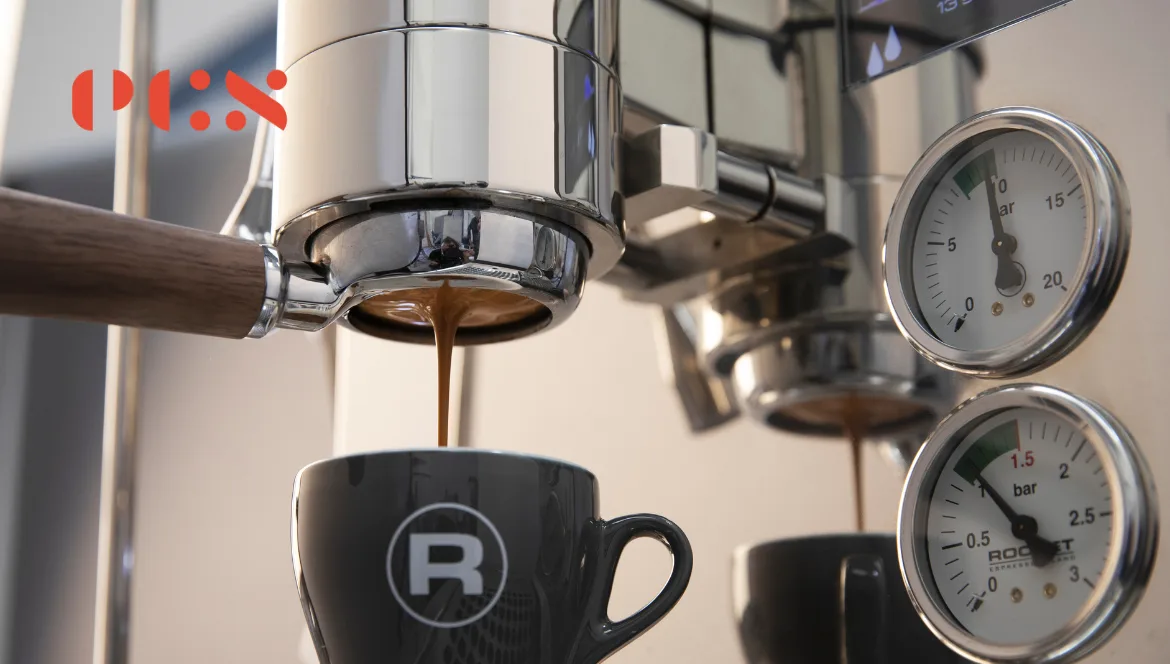 Bottomless portafilter? Here are the aspects to be considered
The search for the perfect espresso is a long road, and there are several tools that can help achieve the perfect...Read more
Bottomless portafilter? Here are the aspects to be considered
The search for the perfect espresso is a long road, and there are several tools that can help achieve the perfect...Read more -
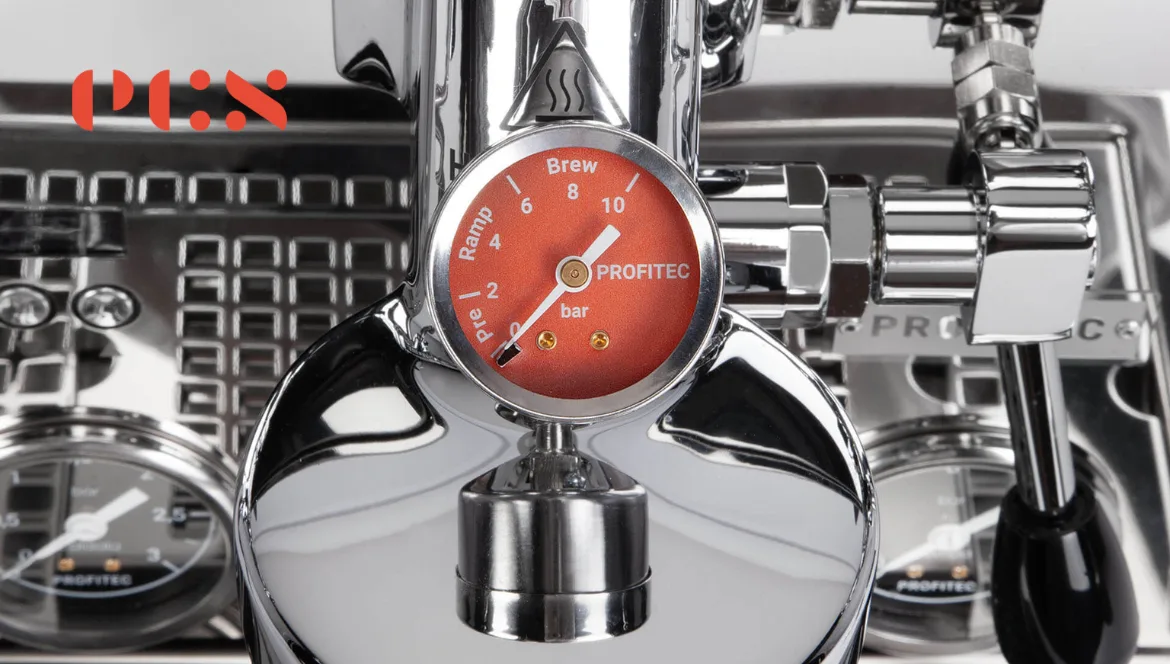 PROFITEC DRIVE: the home machine with professional performance
Drive is the most recent entry in the Profitec household and the evolution of the already highly appreciated Pro 700....Read more
PROFITEC DRIVE: the home machine with professional performance
Drive is the most recent entry in the Profitec household and the evolution of the already highly appreciated Pro 700....Read more -
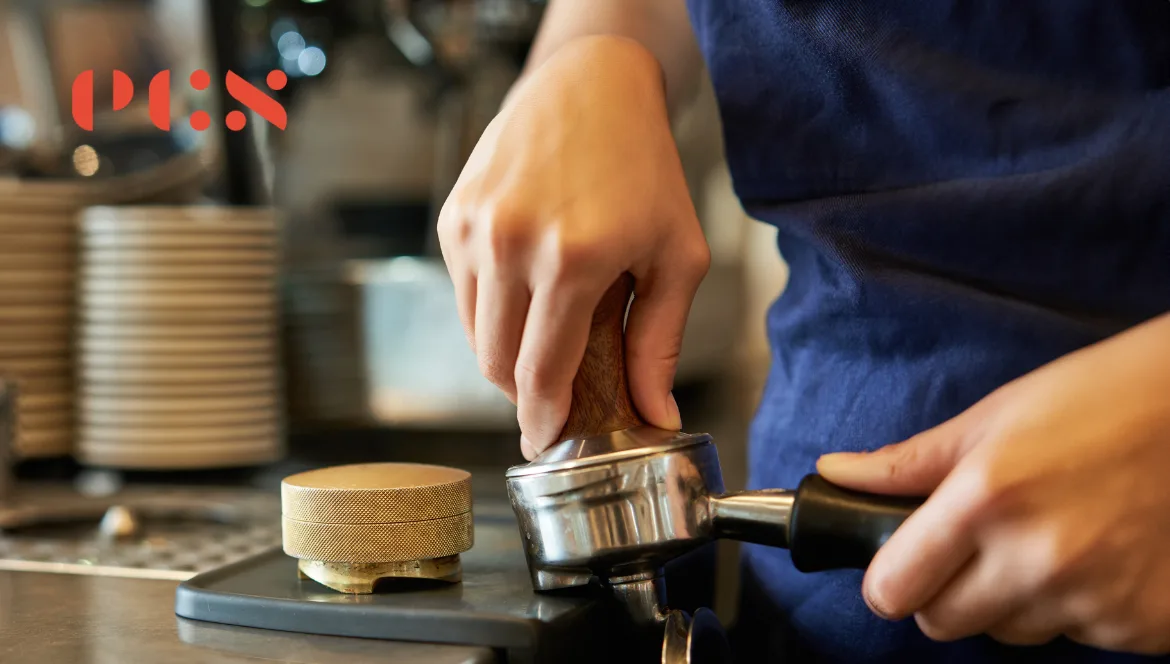 All about a good tamping
To make good coffee, it is important to have the right equipment, quality coffee and not only. It is also necessary...Read more
All about a good tamping
To make good coffee, it is important to have the right equipment, quality coffee and not only. It is also necessary...Read more
Leave a comment