


Espresso pairing is all about finding the right balance between coffee intensity and food flavors. This guide...
Please, visit the correct shop for your location:
International Site


It looks like you are not from the USA,
please visit the correct shop for your location:


 Espresso Machines
Coffee Grinders
Set
Accessories
Coffee
Pour Over
Design Collection
Deals
Best Of Black Friday
Brands
Espresso Machines
Coffee Grinders
Set
Accessories
Coffee
Pour Over
Design Collection
Deals
Best Of Black Friday
Brands
Espresso Coffee Shop
+Assistance and services
+-
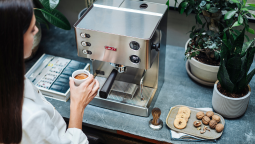 Espresso Pairing Guide: Foods That Complement Your CoffeeRead more09/03/2026
 -
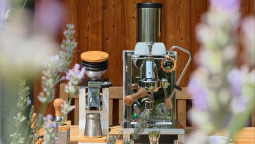 Coffee Catering Services: Mobile Espresso Solutions for EventsRead more
Coffee catering brings a complete espresso experience directly to weddings, corporate events, private parties, and...
08/27/2026 -
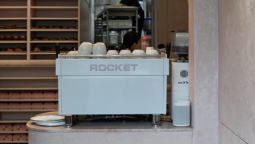 Coffee Shop Design: Creating the Perfect Espresso Bar LayoutRead more
Designing the perfect coffee shop layout starts with creating an efficient espresso bar workflow. A well-planned...
08/25/2026 -
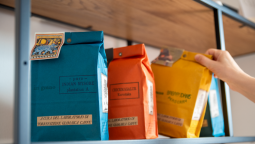 Specialty Coffee Trends: Staying Competitive in the Espresso MarketRead more
Specialty coffee trends are transforming the espresso market as consumers increasingly prioritize quality,...
08/25/2026 -
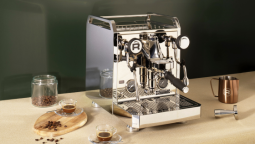 Espresso Machine Leasing vs Buying: What's Best for Your Business?Read more
Should you lease or buy an espresso machine for your business? This guide compares the costs, benefits, and long-term...
07/14/2026 -
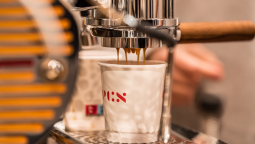 Espresso and Health: Benefits, Caffeine Content, and Wellness ConsiderationsRead more
Wondering how espresso affects your health? Learn how much caffeine is in a shot, what research says about...
07/14/2026 -
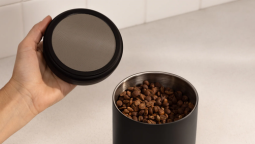 Espresso Gift Guide: Perfect Presents for Coffee EnthusiastsRead more
Discover practical espresso gift ideas for every budget with this guide from Espresso Coffee Shop USA. From...
07/08/2026 -
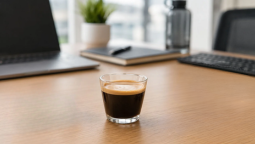 Office Coffee Solutions: Bringing Quality Espresso to the WorkplaceRead more
Create a better workplace coffee experience with the right office coffee solutions. This guide explains how to choose...
07/08/2026 -
 Italian Espresso Bar Etiquette: How to Order Like a LocalRead more
Discover the essential etiquette of an Italian espresso bar, from ordering coffee like a local to understanding when...
07/08/2026 -
 Sustainable Espresso: Eco-Friendly Practices and Equipment for 2026Read more
A sustainable espresso setup combines high-quality coffee with environmentally responsible choices. From durable,...
06/23/2026
Blog categories
Search in blog
Archived posts
Sustainable Espresso: Eco-Friendly Practices and Equipment for 2026
Espresso Coffee Shop USA has helped home baristas and small cafes across the United States choose durable, well-built espresso equipment since 1997. Sustainable espresso means picking a machine that lasts, uses less energy, and produces less waste, without sacrificing the rich shot you expect. This updated guide covers what actually reduces environmental impact in 2026, from machine design to daily habits, and where a stovetop or electric setup fits your routine.
Why Sustainable Espresso Matters More Than Ever
Coffee culture keeps growing, and so does its footprint. The most sustainable choice is usually also the one that lasts longest and performs best. Espresso machines that run for hours a day pull electricity to keep a boiler hot. Pod-based systems create constant single-use waste. Cheaply made machines often end up in a landfill within a couple of years. A machine built to be repaired rather than replaced avoids another cycle of manufacturing emissions every year it stays in service. That is the core idea behind this guide: durability is a form of sustainability.
What Makes an Espresso Machine Eco-Friendly?
No Electricity, No Standby Power
An eco-friendly espresso machine minimizes standby power draw, uses durable and repairable parts, and is backed by available spare parts so it lasts for years. These three factors matter more than any single material or certification.
No Electricity, No Standby Power
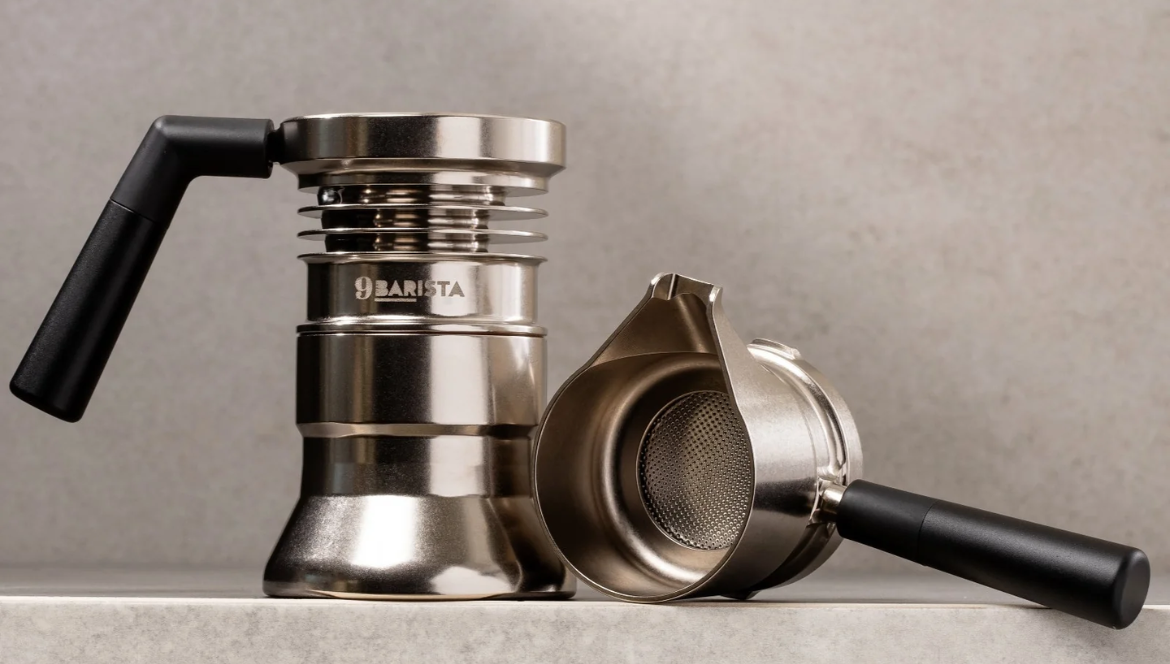
One of the most direct ways to cut your daily espresso footprint is to choose a machine that skips electricity altogether. The 9Barista Mk. 2 Espresso Machine uses a twin boiler system and basic thermodynamics to reach 9 bar of pressure and 93 degrees Celsius, the same benchmarks used by professional machines, with no electronic components. No standby draw, no heating element left running between cups, and no circuit board that can fail after a few years.
Built from ECOBrass alloy and anodized aluminum, and inspected more than 150 times before leaving the workshop, the 9Barista is designed to be repaired and used for decades. For anyone weighing energy use against real espresso quality, this is one of the clearest answers on the market.
Repairable Design Over Disposable Design
A genuinely sustainable espresso machine is one you can take apart, service, and keep running. Look for models built with accessible spare parts, so a worn boiler seal or gasket does not mean the end of the machine. This repair-first approach cuts electronic waste significantly compared with sealed, non-serviceable machines that get discarded the moment one part fails. Espresso Coffee Shop USA's spare parts and service support keep a machine purchased today maintained for the long term.
Which Coffee Machines Are Best for Minimizing Environmental Impact?
Stovetop mechanical machines like the 9Barista use energy only while actively brewing, typically a few minutes per cup, then draw nothing once you are done. Electric machines, even well-made ones, keep a boiler warm continuously, adding up over months of standby time. Mechanical designs also have fewer components, like pumps and circuit boards, that wear out over time.
If you brew one or two espressos a day and want minimal energy use with maximum durability, the 9Barista Mk. 2 Pro is worth considering. It adds a naked portafilter for shot visibility and an upgraded finish for baristas who want performance and craftsmanship together. If your household brews many drinks throughout the day and needs hot water on demand, a well-built electric machine with an efficient standby mode, paired with water-saving habits, is the more practical eco-friendly espresso machine choice.
Easiest Ways to Reduce Waste When Making Coffee
Small daily habits often cut more waste than a new purchase. Run the group head briefly before pulling a shot, use only the water needed for backflushing, and skip unnecessary rinse cycles. Filtered water reduces scale buildup, which means fewer descaling cycles and less cleaning solution used over a year of brewing.
Reusable accessories make a bigger difference than most people expect. Swap paper pour-over filters, disposable cleaning tablets, and single-use frothing tools for washable tamping mats, metal filters, and reusable brushes. None of these changes the final cup quality, and each one replaces dozens of disposable items over its lifespan.
Buying whole-bean coffee and grinding it fresh also supports a sustainable espresso routine. Pre-ground coffee is often packaged for shelf life rather than recyclability, and it loses aroma quickly once opened. A dedicated burr coffee grinder, such as the Eureka Atom W 65, delivers professional-grade grind consistency in a compact, long-lasting build designed for daily home use, so you use less packaging per cup over time.
How Do You Choose a Coffee Maker With Long-Term Durability?
Check the build materials, whether spare parts are available, and how the manufacturer supports repairs after the warranty ends. Machines made from solid alloys and metals with documented spare-parts programs are far more likely to stay in service for a decade or more than sealed plastic-bodied units.
How Espresso Coffee Shop USA Supports Sustainable Choices
Since 1997, our team has helped more than 100,000 coffee lovers across the United States find equipment that fits both their brewing style and their values. We carry the 9Barista range alongside Mahlkönig grinders and reusable accessories, and our free virtual coffee consultations help you work out what sustainable espresso looks like for your routine, whether that is a single stovetop machine at home or a small cafe setup built around long-term durability. With fast shipping and dedicated after-sales support, replacing a part later does not mean solving it alone.
Frequently Asked Questions
Q: What makes an espresso machine more sustainable?
A: The biggest factors are how much energy the machine uses on standby, how repairable it is when parts wear out, and how long it realistically lasts before being replaced. Machines built from durable materials with available spare parts tend to have the lowest long-term environmental footprint.
Q: Does a stovetop espresso machine save energy compared to an electric one?
A: Yes, generally. A stovetop machine like the 9Barista uses energy only during the few minutes it takes to brew. In contrast, electric machines often run continuously to maintain boiler temperature, even when not in use.
Q: How can I make my daily espresso routine more eco-friendly without buying new equipment?
A: Small habits help a lot, including using filtered water to reduce descaling frequency, switching to reusable cleaning tools and tamping accessories, and buying whole bean coffee to grind fresh rather than relying on heavily packaged pre-ground coffee.
Q: Are reusable coffee accessories actually better for the environment?
A: Over time, yes. While a reusable filter or tamping mat has a slightly larger initial footprint than a single-use item, it replaces dozens or hundreds of disposable items over its lifespan, resulting in a clear reduction in waste.
Q: Is a manual or mechanical espresso machine harder to maintain than an electric one?
A: Not necessarily. Mechanical machines like the 9Barista have fewer electronic components that can fail, and their simple design generally makes cleaning, descaling, and part replacement more straightforward compared with machines that rely on circuit boards and pumps.
Q: Which coffee machines are designed with sustainability in mind?
A: Look for machines marketed around repairability and low standby power, such as manual stovetop models and electric machines with documented spare-parts programs and energy-saving standby modes.
Related posts
-
 Understanding Espresso Machines: Single Boiler, Dual Boiler, and Heat Exchanger Models
Choosing the right espresso machine can elevate your coffee experience to new heights. At Espresso Coffee Shop we...Read more
Understanding Espresso Machines: Single Boiler, Dual Boiler, and Heat Exchanger Models
Choosing the right espresso machine can elevate your coffee experience to new heights. At Espresso Coffee Shop we...Read more -
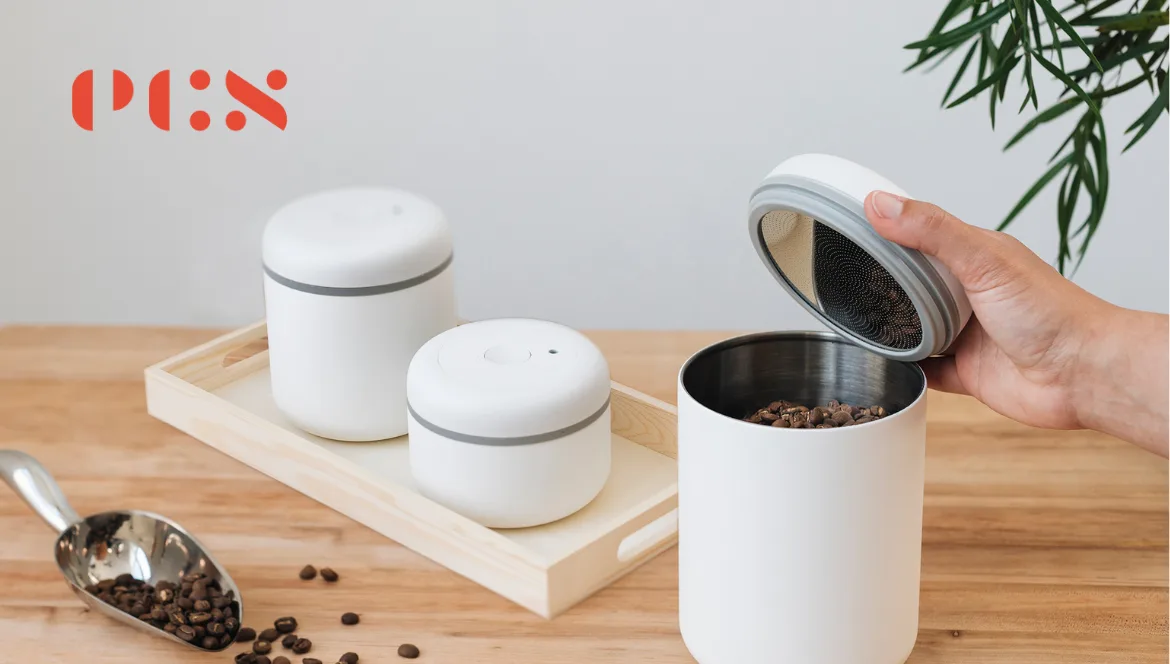 How to properly store coffee
If you, too, are a true coffee enthusiast, meticulously selecting the varieties you like best and eagerly...Read more
How to properly store coffee
If you, too, are a true coffee enthusiast, meticulously selecting the varieties you like best and eagerly...Read more -
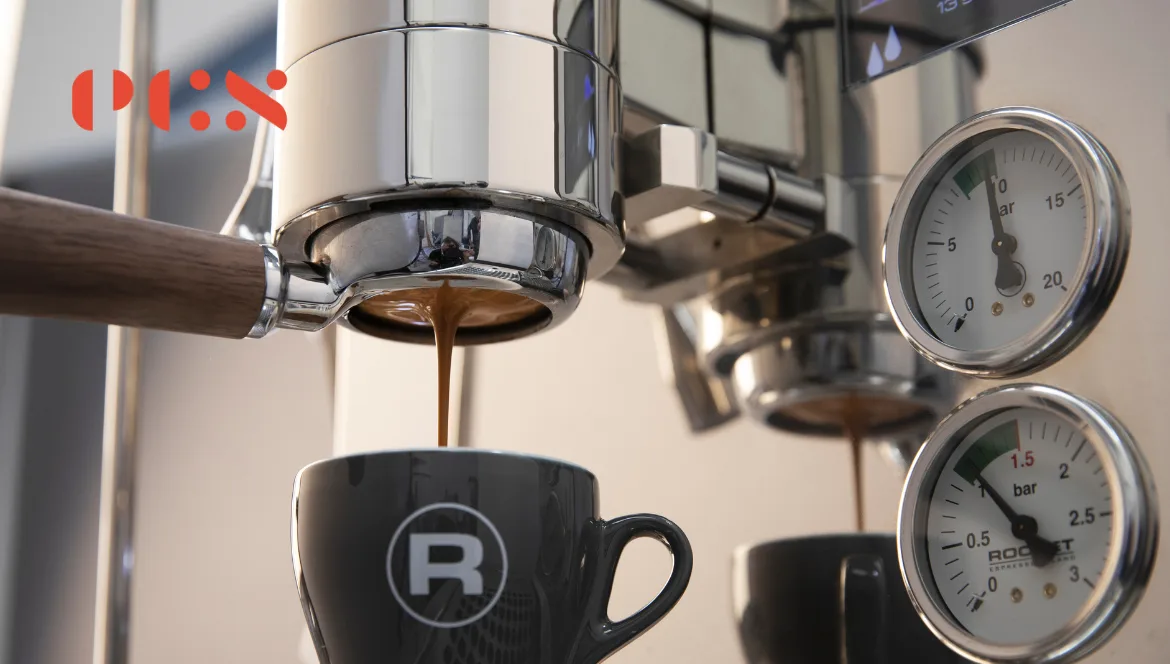 Bottomless portafilter? Here are the aspects to be considered
The search for the perfect espresso is a long road, and there are several tools that can help achieve the perfect...Read more
Bottomless portafilter? Here are the aspects to be considered
The search for the perfect espresso is a long road, and there are several tools that can help achieve the perfect...Read more -
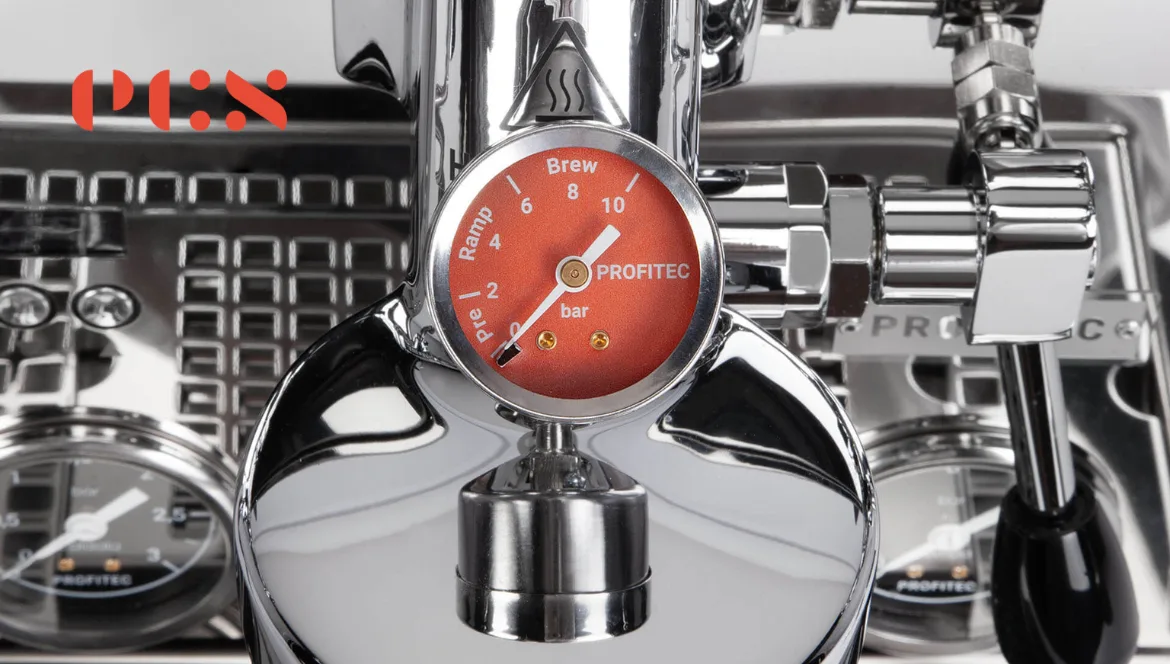 PROFITEC DRIVE: the home machine with professional performance
Drive is the most recent entry in the Profitec household and the evolution of the already highly appreciated Pro 700....Read more
PROFITEC DRIVE: the home machine with professional performance
Drive is the most recent entry in the Profitec household and the evolution of the already highly appreciated Pro 700....Read more -
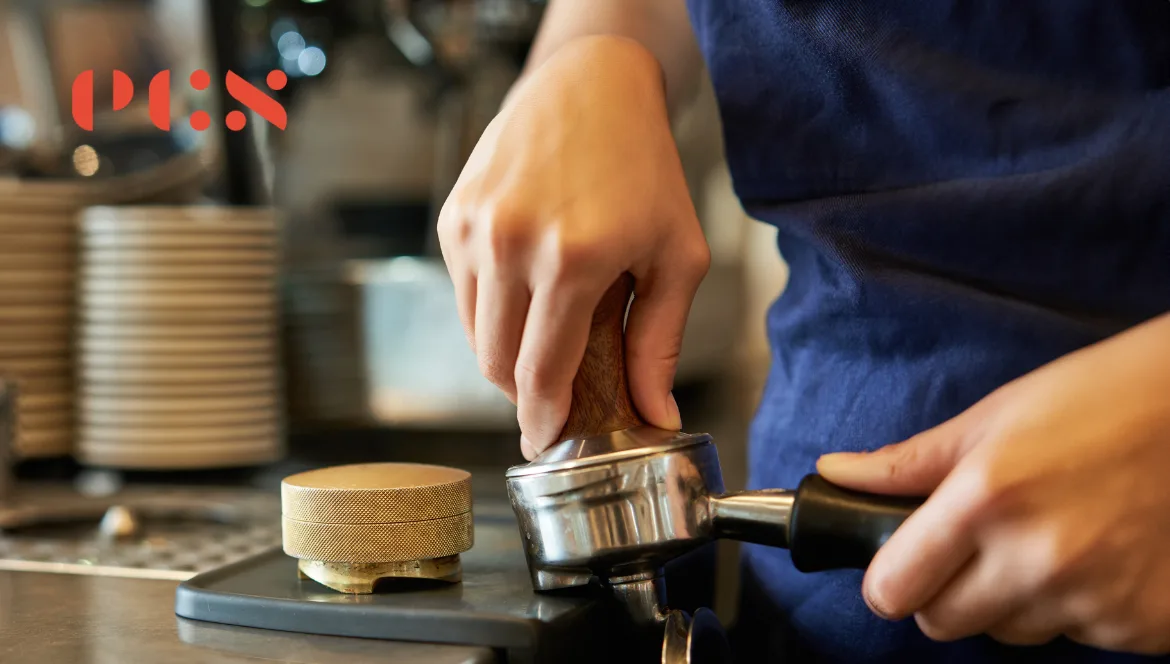 All about a good tamping
To make good coffee, it is important to have the right equipment, quality coffee and not only. It is also necessary...Read more
All about a good tamping
To make good coffee, it is important to have the right equipment, quality coffee and not only. It is also necessary...Read more
Leave a comment