


Espresso pairing is all about finding the right balance between coffee intensity and food flavors. This guide...
Please, visit the correct shop for your location:
International Site


It looks like you are not from the USA,
please visit the correct shop for your location:


 Espresso Machines
Coffee Grinders
Set
Accessories
Coffee
Pour Over
Design Collection
Deals
Best Of Black Friday
Brands
Espresso Machines
Coffee Grinders
Set
Accessories
Coffee
Pour Over
Design Collection
Deals
Best Of Black Friday
Brands
Espresso Coffee Shop
+Assistance and services
+-
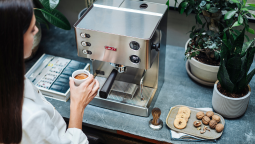 Espresso Pairing Guide: Foods That Complement Your CoffeeRead more08/31/2026
 -
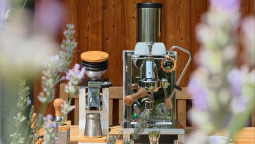 Coffee Catering Services: Mobile Espresso Solutions for EventsRead more
Coffee catering brings a complete espresso experience directly to weddings, corporate events, private parties, and...
08/27/2026 -
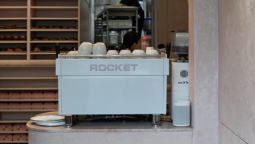 Coffee Shop Design: Creating the Perfect Espresso Bar LayoutRead more
Designing the perfect coffee shop layout starts with creating an efficient espresso bar workflow. A well-planned...
08/25/2026 -
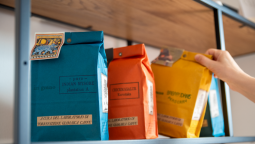 Specialty Coffee Trends: Staying Competitive in the Espresso MarketRead more
Specialty coffee trends are transforming the espresso market as consumers increasingly prioritize quality,...
08/25/2026 -
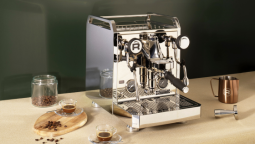 Espresso Machine Leasing vs Buying: What's Best for Your Business?Read more
Should you lease or buy an espresso machine for your business? This guide compares the costs, benefits, and long-term...
07/14/2026 -
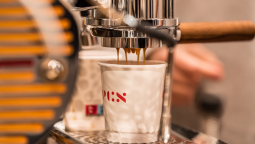 Espresso and Health: Benefits, Caffeine Content, and Wellness ConsiderationsRead more
Wondering how espresso affects your health? Learn how much caffeine is in a shot, what research says about...
07/14/2026 -
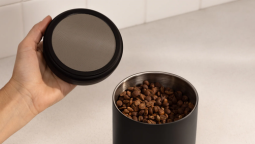 Espresso Gift Guide: Perfect Presents for Coffee EnthusiastsRead more
Discover practical espresso gift ideas for every budget with this guide from Espresso Coffee Shop USA. From...
07/08/2026 -
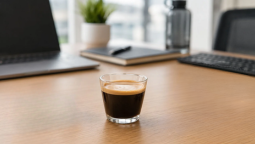 Office Coffee Solutions: Bringing Quality Espresso to the WorkplaceRead more
Create a better workplace coffee experience with the right office coffee solutions. This guide explains how to choose...
07/08/2026 -
 Italian Espresso Bar Etiquette: How to Order Like a LocalRead more
Discover the essential etiquette of an Italian espresso bar, from ordering coffee like a local to understanding when...
07/08/2026 -
 Sustainable Espresso: Eco-Friendly Practices and Equipment for 2026Read more
A sustainable espresso setup combines high-quality coffee with environmentally responsible choices. From durable,...
06/23/2026
Blog categories
Search in blog
Office Coffee Solutions: Bringing Quality Espresso to the Workplace
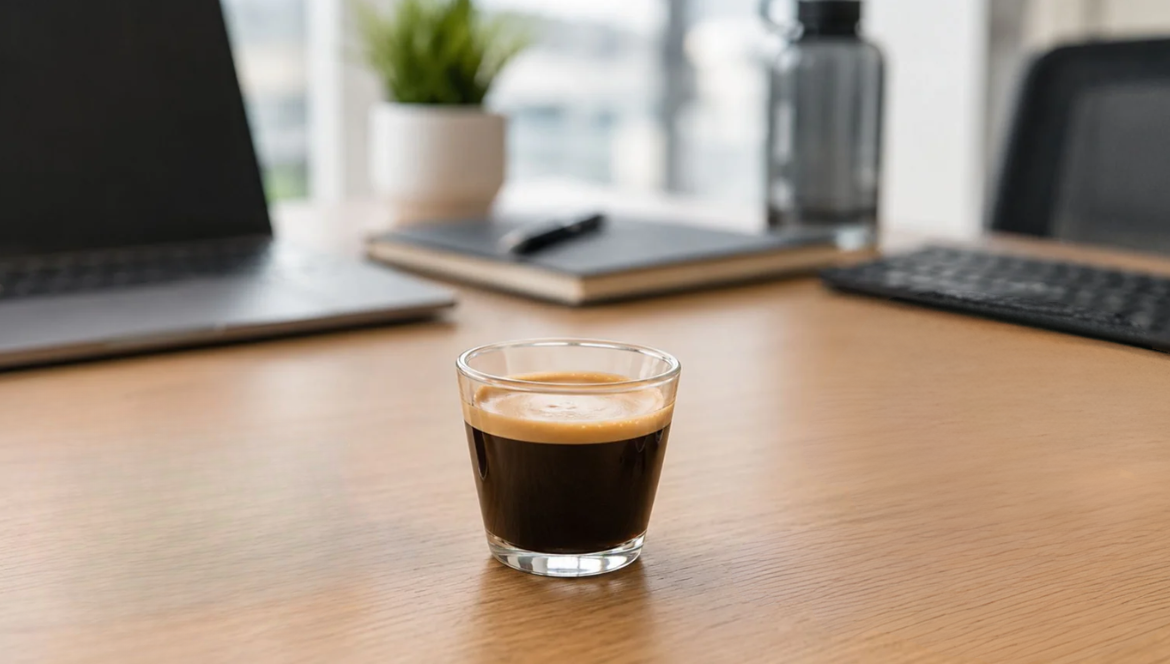
Office coffee solutions are no longer a nice extra tucked into the break room. They are part of how a company treats its people. Espresso Coffee Shop USA, an Italian coffee equipment retailer serving businesses across the United States since bringing its expertise stateside, helps offices of every size choose espresso machines and grinders that actually match how their teams drink coffee. This guide breaks down what to look for, what tends to go wrong, and which setups work best depending on your headcount.
What Are Office Coffee Solutions, Really?
The phrase gets used loosely, so it helps to define it plainly. Office coffee solutions cover the equipment, workflow, and support a business so employees can get a genuinely good cup of coffee at work, without relying on a single pod machine that burns out by month three or a drip pot that nobody bothers to clean.
A proper solution includes three things: a machine sized to your team, a grinder that keeps the coffee consistent shot after shot, and a supplier who understands maintenance, water quality, and training. Skip any one of those, and the whole setup underperforms, no matter how much the machine costs.
Why Espresso Quality in the Workplace Actually Matters
It is easy to dismiss office coffee as a minor perk. In practice, it shapes daily routines more than most facilities budgets get credit for. Employees who like the coffee at work tend to linger near the machine, which is where a surprising amount of informal collaboration happens. Bad coffee, on the other hand, sends people to the coffee shop across the street twice a day, which adds up in lost time and lost budget.
There is also a trust signal buried in here. When a company invests in something as ordinary as good coffee, it tells employees and visiting clients that details matter. That impression is hard to manufacture any other way.
Choosing the Right Office Coffee Solutions by Team Size
Not every workplace needs the same machine. Matching equipment to actual usage is the single biggest factor in whether an office coffee program succeeds or quietly gets abandoned within a year.
Small Offices (Under 15 People)
A compact semi-automatic machine with a single boiler or heat exchange system usually covers this range comfortably. The Rocket Appartamento TCA is a strong fit here. It has a small footprint, heats quickly, and produces café-level shots without demanding a dedicated barista. Pair it with a compact grinder, and you have a setup that fits on a standard counter.
Mid-Sized Offices (15 to 50 People)
This is where volume starts to matter. A heat-exchange machine built for repeated use, such as the Rocket Mozzafiato R Fast, handles back-to-back shots without compromising temperature stability. Its built-in timer also removes guesswork, so shot quality stays consistent even when different employees are pulling espresso throughout the day.
Larger Offices and High-traffic Workplaces
For teams of more than 50 people, or offices that double as client meeting spaces, a true dual-boiler commercial unit earns its cost. Theb Rocket Boxer Tanicais built for that kind of steady, uninterrupted demand and is closer to what you would find behind the counter at a busy café than what sits on a kitchen counter at home.
The Grinder Decision Nobody Should Skip
A great espresso machine paired with an inconsistent grinder is still a weak setup. Grind size affects extraction more than almost any other variable, and offices with multiple people using the same machine need a grinder that holds its calibration under repeated use. A commercial-grade grinder such as the Eureka Atom W 65 or Mahlkönig E65W GBS deliver that consistency, which matters more in a shared office setting than it would for a single home user pulling one shot a day.
What Sets a Reliable Office Coffee Program Apart
Espresso Coffee Shop USA has spent decades helping customers select and maintain Italian coffee equipment, drawing on hands-on experience with brands including Rocket, Lelit, Rancilio, and Mahlkönig. That background matters when a business is choosing equipment meant to run daily for years, not months.
Beyond the machine itself, a dependable program includes fast shipping across the United States, clear warranty terms, and access to a live consultation where a real specialist reviews your office layout, expected daily volume, and water conditions before recommending a specific model. Guesswork is the enemy of a good office coffee setup, and a short conversation with someone who has configured hundreds of machines removes most of it.
Office Coffee Solutions Checklist
- Estimate daily espresso volume, not just headcount.
- Choose the boiler type based on how often the machine will run back-to-back.
- Match the grinder to the machine, not as an afterthought.
- Confirm voltage and plug requirements for your building.
- Ask about maintenance schedules before you buy, not after something breaks.
- Consider a virtual consultation if you are unsure which model fits your space.
Frequently Asked Questions
Q: What is the best espresso machine for a small office?
A: A compact single-boiler or heat-exchange machine, such as the Rocket Appartamento, generally suits offices with fewer than 15 people well. It is easy to maintain and requires no barista-level training.
Q: How many cups can an office espresso machine handle per day?
A: This depends heavily on boiler type. Heat-exchange and dual-boiler machines can typically handle dozens of consecutive shots without a meaningful drop in temperature or quality, making them better suited to mid-sized and larger teams.
Q: Do offices need a separate coffee grinder, or does the machine grind the beans?
A: Most espresso machines built for offices do not include an internal grinder. A dedicated grinder is necessary for fresh, consistent espresso and should be chosen to match the machine's group head and typical usage volume.
Q: Is it worth booking a consultation before buying office coffee equipment?
A: Yes, particularly for mid-sized or larger offices. A short session with a specialist can prevent an expensive mismatch between machine capacity and actual daily demand.
Related posts
-
 How to properly store coffee
If you, too, are a true coffee enthusiast, meticulously selecting the varieties you like best and eagerly...Read more
How to properly store coffee
If you, too, are a true coffee enthusiast, meticulously selecting the varieties you like best and eagerly...Read more -
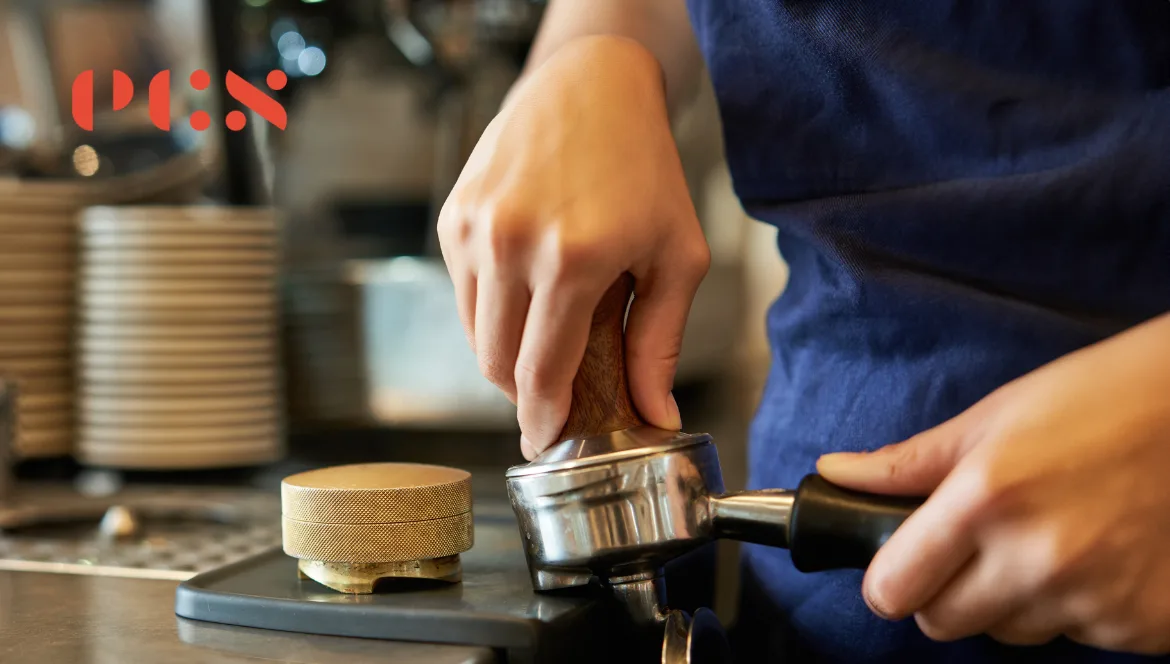 All about a good tamping
To make good coffee, it is important to have the right equipment, quality coffee and not only. It is also necessary...Read more
All about a good tamping
To make good coffee, it is important to have the right equipment, quality coffee and not only. It is also necessary...Read more -
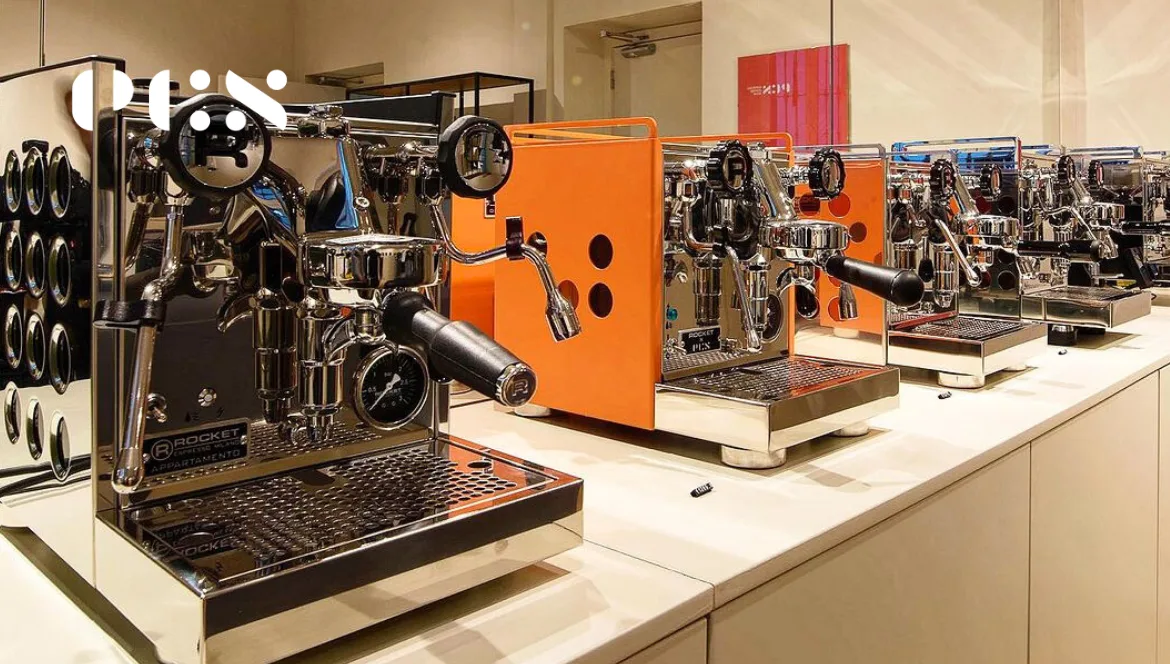 The first store Espresso Coffee Shop in Italy!
We are excited to announce the opening of our Temporary Shop in Milan, an must-visit meeting point for all coffee...Read more
The first store Espresso Coffee Shop in Italy!
We are excited to announce the opening of our Temporary Shop in Milan, an must-visit meeting point for all coffee...Read more -
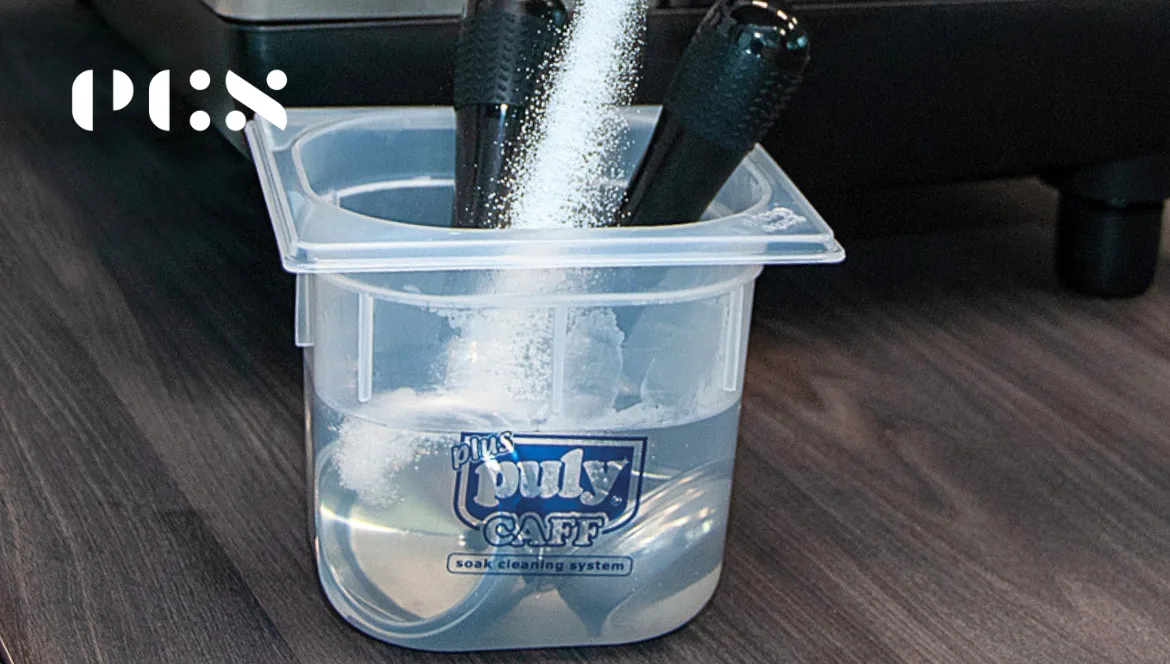 Spring cleaning? It's the perfect time to clean your coffee equipment, too
Spring is in the air, bringing the desire to renovate, tidy and... clean! Besides sprucing up your home and closets,...Read more
Spring cleaning? It's the perfect time to clean your coffee equipment, too
Spring is in the air, bringing the desire to renovate, tidy and... clean! Besides sprucing up your home and closets,...Read more -
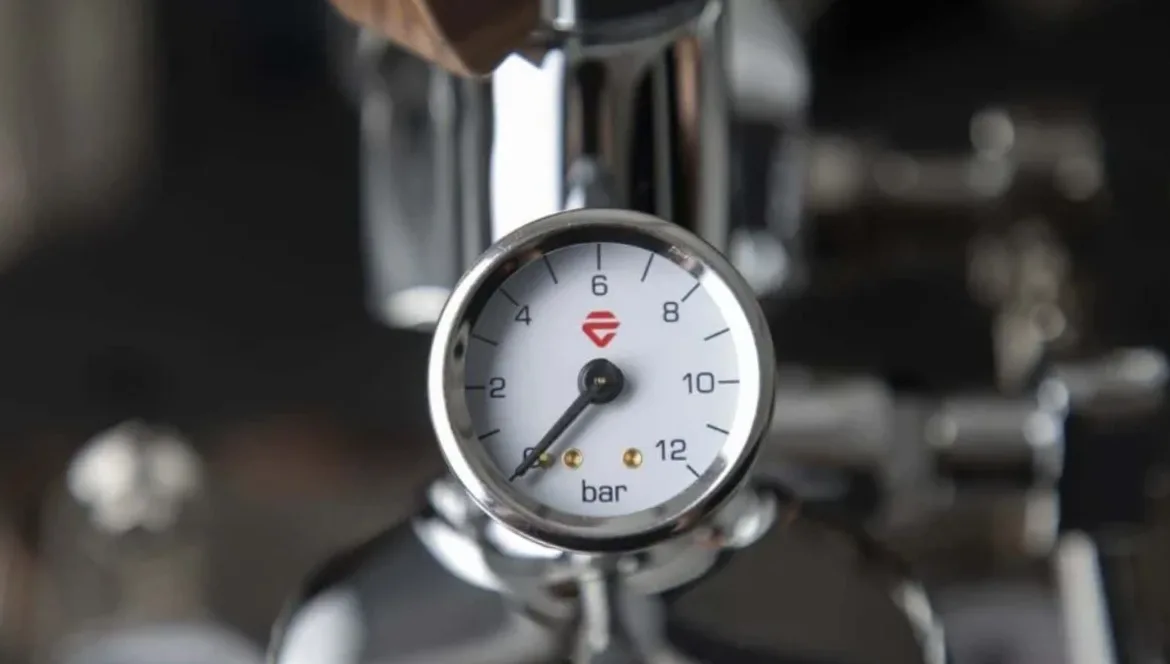 Advanced Espresso Techniques: Pressure Profiling and Temperature Surfing
Espresso is an art form, a delicate balance of science and passion that culminates in a rich, aromatic cup of coffee....Read more
Advanced Espresso Techniques: Pressure Profiling and Temperature Surfing
Espresso is an art form, a delicate balance of science and passion that culminates in a rich, aromatic cup of coffee....Read more
Leave a comment