


Espresso pairing is all about finding the right balance between coffee intensity and food flavors. This guide...
Please, visit the correct shop for your location:
International Site


It looks like you are not from the USA,
please visit the correct shop for your location:


 Espresso Machines
Coffee Grinders
Set
Accessories
Coffee
Pour Over
Design Collection
Deals
Best Of Black Friday
Brands
Espresso Machines
Coffee Grinders
Set
Accessories
Coffee
Pour Over
Design Collection
Deals
Best Of Black Friday
Brands
Espresso Coffee Shop
+Assistance and services
+-
 Espresso Pairing Guide: Foods That Complement Your CoffeeRead more09/03/2026
 -
 Coffee Catering Services: Mobile Espresso Solutions for EventsRead more
Coffee catering brings a complete espresso experience directly to weddings, corporate events, private parties, and...
08/27/2026 -
 Coffee Shop Design: Creating the Perfect Espresso Bar LayoutRead more
Designing the perfect coffee shop layout starts with creating an efficient espresso bar workflow. A well-planned...
08/25/2026 -
 Specialty Coffee Trends: Staying Competitive in the Espresso MarketRead more
Specialty coffee trends are transforming the espresso market as consumers increasingly prioritize quality,...
08/25/2026 -
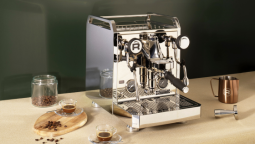 Espresso Machine Leasing vs Buying: What's Best for Your Business?Read more
Should you lease or buy an espresso machine for your business? This guide compares the costs, benefits, and long-term...
07/14/2026 -
 Espresso and Health: Benefits, Caffeine Content, and Wellness ConsiderationsRead more
Wondering how espresso affects your health? Learn how much caffeine is in a shot, what research says about...
07/14/2026 -
 Espresso Gift Guide: Perfect Presents for Coffee EnthusiastsRead more
Discover practical espresso gift ideas for every budget with this guide from Espresso Coffee Shop USA. From...
07/08/2026 -
 Office Coffee Solutions: Bringing Quality Espresso to the WorkplaceRead more
Create a better workplace coffee experience with the right office coffee solutions. This guide explains how to choose...
07/08/2026 -
 Italian Espresso Bar Etiquette: How to Order Like a LocalRead more
Discover the essential etiquette of an Italian espresso bar, from ordering coffee like a local to understanding when...
07/08/2026 -
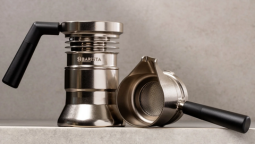 Sustainable Espresso: Eco-Friendly Practices and Equipment for 2026Read more
A sustainable espresso setup combines high-quality coffee with environmentally responsible choices. From durable,...
06/23/2026
Blog categories
Search in blog
Archived posts
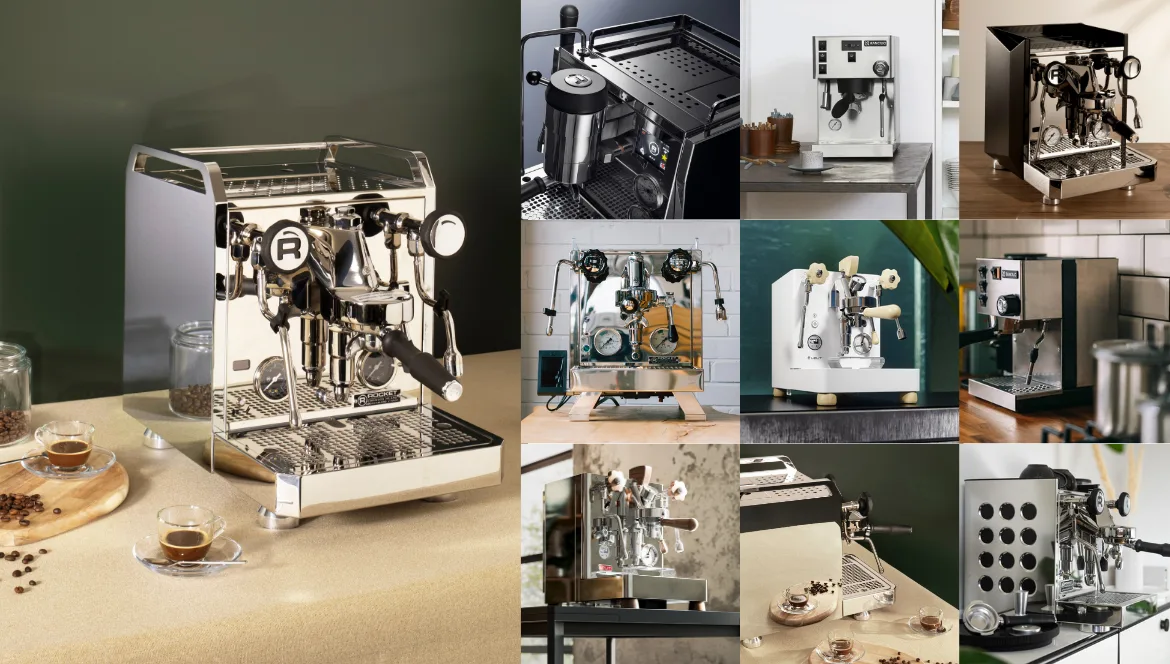
Top 10 Italian Espresso Machine Brands: Heritage, Quality, and Innovation
Italy and espresso share a bond that goes far deeper than geography. For over a century, Italian manufacturers have set the benchmark for espresso machine engineering, blending artisanal precision with progressive technology in a way no other country has quite managed to replicate. Whether you are outfitting a specialty café or building a home setup worthy of a barista's respect, understanding which Italian espresso machine brands genuinely deliver is the first and most important step.
This guide walks through 10 standout machines from two of Italy's most respected manufacturers, Rocket Espresso and Rancilio, as well as the celebrated Lelit Bianca series. Each entry covers what makes the machine distinctive, who it suits best, and why it earns its place on this list.
Why Italian Espresso Machines Still Lead the World
The global espresso equipment market is crowded, yet Italian brands consistently hold top positions in specialty coffee circles. The reasons are not arbitrary. Italian manufacturers have decades of accumulated knowledge in boiler metallurgy, pump calibration, and group head thermal stability factors that directly determine cup quality. Beyond engineering, there is an aesthetic sensibility built into Italian design culture that results in machines that look as purposeful as they perform.
Brands like Rocket Espresso, Rancilio, and Lelit have each built their reputations differently: Rocket through a passion for heat-exchanger and dual-boiler precision, Rancilio through its commercial-grade durability applied to home machines, and Lelit through flow-profiling innovation. Together, they represent the full spectrum of what serious Italian espresso machine craftsmanship looks like.
If you're ready to bring one of these Italian icons home, our curated lineup makes it easy. The Rocket Appartamento is one of Rocket's most beloved prosumer machines, compact, beautifully built, and capable of café-quality espresso daily. For those drawn to Rancilio's legacy, the Rancilio Silvia Pro X brings dual-boiler performance to a home-friendly footprint. And if you want to explore 9barista's engineering marvel, a stovetop machine that hits true espresso pressure, the 9barista Mk2 Pro is a conversation piece as much as it is a brewing tool.
Comparison Table
| Brand | Known For | Starting Price | Best For |
|---|---|---|---|
| Rocket Espresso | Heat stability, design | $1,500+ | Home enthusiasts |
| La Marzocco | Commercial-grade reliability | $3,000+ | Cafés & serious home users |
| Lelit | Value-for-money engineering | $700+ | Budget-conscious home baristas |
| Mahlkönig | Precision grinding | $800+ | Pairing with any of the above |
Top 10 Italian Espresso Machines: Heritage, Quality, and Innovation
1. Rocket Appartamento TCA Espresso Machine
Space-conscious coffee lovers have long admired the Rocket Appartamento for its compact footprint and striking circular side panels, available in various finishes. The TCA variant adds a thermosiphon circuit adjustment, giving users more control over temperature consistency without requiring a PID controller.
Despite its relatively modest dimensions, the Appartamento TCA houses a full-size E61 group head and copper-and-brass boiler components typically found in much larger machines. The heat exchanger system means you can pull a shot and steam milk simultaneously, a feature that home setups genuinely benefit from during morning routines.
Best For:
Urban home setups with limited counter space where style and substance both matter.
2. Rocket Mozzafiato Timer Evoluzione R Coffee Machine
The Rocket Mozzafiato Timer Evoluzione R sits at an interesting intersection: it is approachable enough for the dedicated home barista, yet capable of satisfying the expectations of a professional palate. Built around a commercial-grade E61 group head and a heat exchanger boiler, this machine delivers consistent shot temperatures once it has settled into its thermal rhythm.
What separates the Timer Evoluzione R from earlier Mozzafiato iterations is the integrated shot timer, a subtle yet meaningful addition that lets users monitor extraction without a separate device. The rotary pump configuration keeps noise levels low and contributes to longevity. For anyone stepping up from entry-level equipment, this machine represents a meaningful and lasting investment in espresso quality.
Best For:
Home baristas upgrading to semi-professional gear who want Italian build quality with practical daily usability.
3. Rancilio Silvia Pro X Espresso Machine
Rancilio's Silvia line has been a cornerstone of the prosumer espresso market for decades, and the Silvia Pro X represents its most evolved expression. Featuring an independent dual-boiler system with PID temperature control on both the brew and steam circuits, this machine eliminates the thermal management trade-offs that single-boiler setups require.
The Pro X draws on Rancilio's commercial manufacturing experience, from the same factory that produces machines for professional cafe environments. The result is a machine with exceptional component durability and temperature precision that directly translates into more consistent espresso extraction, shot after shot.
Best For:
Technically minded home users who want PID-controlled dual-boiler performance without moving into commercial territory.
4. Rocket R58 Cinquantotto Espresso Machine
Named in honour of Rocket Espresso's founding year, the R58 Cinquantotto is a statement machine in every sense. Its dual stainless steel boilers, one for brewing and one for steam, are independently PID-controlled, giving the user granular control over extraction and milk texturing temperatures.
Where the R58 distinguishes itself further is in its exposed plumbing aesthetic. Copper pipework is visible through the side panels, a deliberate design choice that celebrates mechanical transparency. This is a machine for someone who enjoys understanding and interacting with their equipment, not just operating it. Flow profiling capabilities add another dimension for those who want to experiment with pressure curves.
Best For:
Enthusiast users who appreciate both engineering craft and the creative possibilities of flow profiling.
5. Lelit Bianca PL162T V3 Espresso Machine
The Lelit Bianca PL162T V3 has earned an almost cult-like following among home espresso enthusiasts, and with good reason. Its integrated paddle-based flow profiling system allows baristas to manipulate water flow throughout the extraction, unlocking extraordinary nuance in lighter roasts and single-origin coffees.
The V3 iteration builds on previous generations with a refined user interface, improved thermal stability from its dual-boiler setup, and a more reliable paddle mechanism. Lelit's engineering here is genuinely innovative: flow profiling at this price point, delivered through a tactile, analogue control rather than digital menus, makes the Bianca a uniquely satisfying machine to operate.
Best For:
Speciality coffee enthusiasts who want hands-on control over extraction and are ready to explore flow profiling seriously.
6. Rocket R Nine One Espresso Machine
The Rocket R Nine One occupies the upper tier of prosumer espresso machines and makes no apology for it. Designed with input from professional barista competitors, this machine features saturated group head technology, a large brew boiler, and a sophisticated pressure profiling system that gives the user extraordinary control over extraction dynamics.
The build quality is exceptional even by Rocket's high standards, with stainless steel construction, precision-engineered group head, and components selected for longevity and performance rather than cost efficiency. If the R Nine One has a flaw, it is simply that it rewards the user's knowledge: the more you understand espresso extraction, the more value this machine returns.
Best For:
Serious home baristas and small professional environments where extraction excellence is the primary goal.
7. Rancilio Silvia White Espresso Machine
The Rancilio Silvia, in its White finish, offers something rare in the espresso machine category: a clean, contemporary aesthetic without any compromise to the engineering that made the Silvia a long-standing favourite. This is the single-boiler, single-group machine that has introduced thousands of users to serious home espresso.
Its commercial-grade group head, chromed brass components, and heavy-gauge steel frame are unchanged from the standard Silvia; only the exterior finish differs. For those building a kitchen aesthetic around lighter tones and clean lines, the White Silvia is a practical and beautiful choice that will outlast many machines three times its price.
Best For:
First-time prosumer buyers who want proven Rancilio reliability with a modern, light-toned kitchen aesthetic.
8. Lelit Bianca PL162T V3 White Espresso Machine
Everything that makes the standard Lelit Bianca V3 exceptional applies here: dual boiler, flow profiling paddle, refined thermal management, and a striking white exterior finish that has proven particularly popular with design-forward home setups.
The White Bianca V3 demonstrates that high-performance espresso equipment does not need to be utilitarian in appearance. Lelit has managed to package its most capable home machine in a form that complements contemporary kitchen design while preserving every functional advantage of the standard model. The finish is durable and professionally applied, not a cosmetic afterthought.
Best For:
Design-conscious espresso enthusiasts who want the Bianca's full technical capability in a lighter, more versatile finish.
9. Rocket Mozzafiato R Fast Espresso Machine
The Mozzafiato R Fast is Rocket's answer to a specific problem: reducing warm-up time without sacrificing thermal stability during use. Incorporating a rapid heat technology system, this machine reaches brewing temperature significantly faster than traditional heat exchanger machines, making it a natural choice for those with unpredictable morning schedules.
Beyond its quick-start capability, the Mozzafiato R Fast retains the build quality and group head performance that Rocket Espresso is known for. The rotary pump ensures quiet operation and consistent pressure delivery, and the overall construction has the solidity that Rocket's loyal user base expects from the brand.
Best For:
Busy home users who need Italian espresso quality but cannot always plan a 20-minute warm-up window into their morning.
10. Rocket Giotto R Fast Espresso Machine
The Rocket Giotto R Fast represents the more feature-rich end of Rocket's heat exchanger range. It combines the rapid heat technology seen in the Mozzafiato R Fast with a larger water reservoir, a more prominent control interface, and enhanced steam performance, making it a compelling choice for households where milk-based drinks are as important as straight espresso.
The Giotto name has been associated with Rocket Espresso since the brand's early days, and the R Fast iteration honours that heritage while adapting it to contemporary user expectations. The machine's aesthetic, brushed stainless steel, smooth lines, and the distinctive Rocket build quality make a strong impression on the counter.
Best For:
Home users who regularly prepare cappuccinos and flat whites and want fast heat-up alongside reliable steaming power.
How to Choose the Right Italian Espresso Machine for Your Needs
The machines above cover a wide range of capabilities, prices, and daily use scenarios. Choosing between them comes down to three questions: How much control do you want over the extraction process? How often will you use it and for how many people? And what level of technical engagement are you comfortable with?
For those new to the prosumer category, the Rancilio Silvia models offer a reliable, well-supported entry point. For those ready to explore extraction variables, the Lelit Bianca V3 and Rocket R58 Cinquantotto reward deeper engagement. And for users who want speed and convenience without sacrificing quality, the Rocket Mozzafiato R Fast and Giotto R Fast deliver exactly that.
All ten machines share a common thread: they are built to last, engineered with genuine attention to espresso quality, and backed by brands with real histories in Italian coffee culture.
Final Thoughts
Italian espresso machines are not simply appliances; they are the product of a craft tradition that takes the making of coffee seriously. The brands and models covered here represent some of the best available to home and small professional users today. Whether you are drawn to Rocket Espresso's engineering transparency, Rancilio's commercial-grade durability, or Lelit's innovative flow profiling approach, you are investing in equipment that will serve you well for years.
Other Italian Espresso Machine Brands Worth Knowing
Beyond Rocket, Rancilio, and Lelit, the world of Italian espresso machine brands runs deep. Names such as La Marzocco, Gaggia, La Pavoni, Bezzera, La Cimbali, La San Marco, Sanremo, Faema, La Spaziale, Bialetti, and Eureka rank among the best Italian coffee machine brands. Their range covers stovetop moka pots to full commercial espresso lineups. Whether you want an Italian espresso machine for home use, a commercial espresso machine made in Italy for a café, or a high-end Italian espresso machine for a serious home setup, the shared traits across respected Italian brands are precision engineering, durable components, and design heritage refined over generations.
Home vs. Commercial: Choosing an Italian Machine
The best Italian espresso machine for home use is usually a prosumer single- or dual-boiler model, think Rancilio Silvia, Rocket Appartamento, or Lelit Bianca sized for a single household. For cafés, an Italian commercial espresso machine (single-group, 2-group, or 3-group) prioritizes throughput, temperature recovery, and all-day durability. Buyers comparing Italian home or commercial machines should start with boiler type, group head technology, and long-term reliability, then weigh price and the specific setup they need. Brands like La Marzocco, La Cimbali, Faema, and Sanremo dominate that professional tier.
Where Are These Machines Made?
A common question is where popular machines are actually built. Rocket, Rancilio, Lelit, La Marzocco, La Pavoni, and Bialetti are Italian brands with Italian manufacturing roots, which is part of why they carry the "made in Italy" reputation for espresso equipment. Popular models like the Eureka Mignon Specialità grinder are also made in Italy. Note that not every well-known coffee brand is Italian or Italian-made; buyers should confirm the specific model, since some global brands manufacture in multiple regions.
Popular Comparisons Buyers Ask About
Shoppers weighing Italian home espresso machines often compare the Rancilio Silvia vs. Rocket Appartamento (single-boiler simplicity vs. heat-exchanger versatility), or step up to the Lelit Mara X and Lelit Bianca for flow-profiling control. Others cross-shop the Rancilio Silvia Pro X for true dual-boiler PID performance in a compact home footprint. Across all of these, buyers should focus first on extraction control, then on counter space and budget, to match the machine to their setup.
FAQ’s
Q: Are Italian espresso machines good for home use?
A: Yes. Many Italian brands design prosumer machines that bring café-level performance to home kitchens. Models from Rocket, Rancilio, and Lelit are popular among home baristas who want professional-quality espresso.
Q: What is the difference between a heat exchanger and a dual boiler espresso machine?
A: A heat exchanger machine allows brewing and steaming at the same time using one boiler.
A dual-boiler machine has separate boilers for brewing and steaming, providing more precise temperature control and greater consistency.
Q: What is flow profiling in an espresso machine?
A: Flow profiling enables you to control water flow during extraction. This allows baristas to adjust pressure and flow to highlight different flavors, especially in specialty or light-roasted coffee beans.
Q: How long do Italian espresso machines typically last?
A: With proper maintenance, a high-quality Italian espresso machine can last 10–15 years or more. Regular cleaning, descaling, and replacing seals or gaskets helps maintain long-term performance.
Q: Do espresso machines with an E61 group head make better coffee?
A: The E61 group head is valued for its excellent thermal stability and consistent water distribution. While it does not guarantee better coffee alone, it helps maintain stable brewing temperatures, which improves shot consistency.
Q: What is the most reliable Italian espresso machine brand?
A: Rancilio and La Marzocco are widely regarded as the most reliable, thanks to their commercial-grade components and manufacturing standards carried over from café equipment. Rocket Espresso and Lelit also have strong reliability track records in the prosumer category, particularly when machines are descaled and maintained on schedule.
Q: Are Italian espresso machines worth the price?
A: For most home baristas, yes. Italian brands use higher-grade boiler materials, tighter pump tolerances, and more durable group heads than budget alternatives, which translates to a longer lifespan and more consistent extraction. The investment pays off most clearly for anyone brewing daily over several years rather than occasionally.
Q: What's the difference between Rocket and La Marzocco?
A: Rocket Espresso builds primarily for the prosumer and home market, with machines like the Appartamento and R58 designed around compact footprints and accessible pricing starting around $1,500. La Marzocco builds commercial-first equipment used in professional cafés, with home models adapted from that lineage, so pricing starts higher (around $3,000+) but comes with café-grade durability and parts support.
Related posts
-
 Understanding Espresso Machines: Single Boiler, Dual Boiler, and Heat Exchanger Models
Choosing the right espresso machine can elevate your coffee experience to new heights. At Espresso Coffee Shop we...Read more
Understanding Espresso Machines: Single Boiler, Dual Boiler, and Heat Exchanger Models
Choosing the right espresso machine can elevate your coffee experience to new heights. At Espresso Coffee Shop we...Read more -
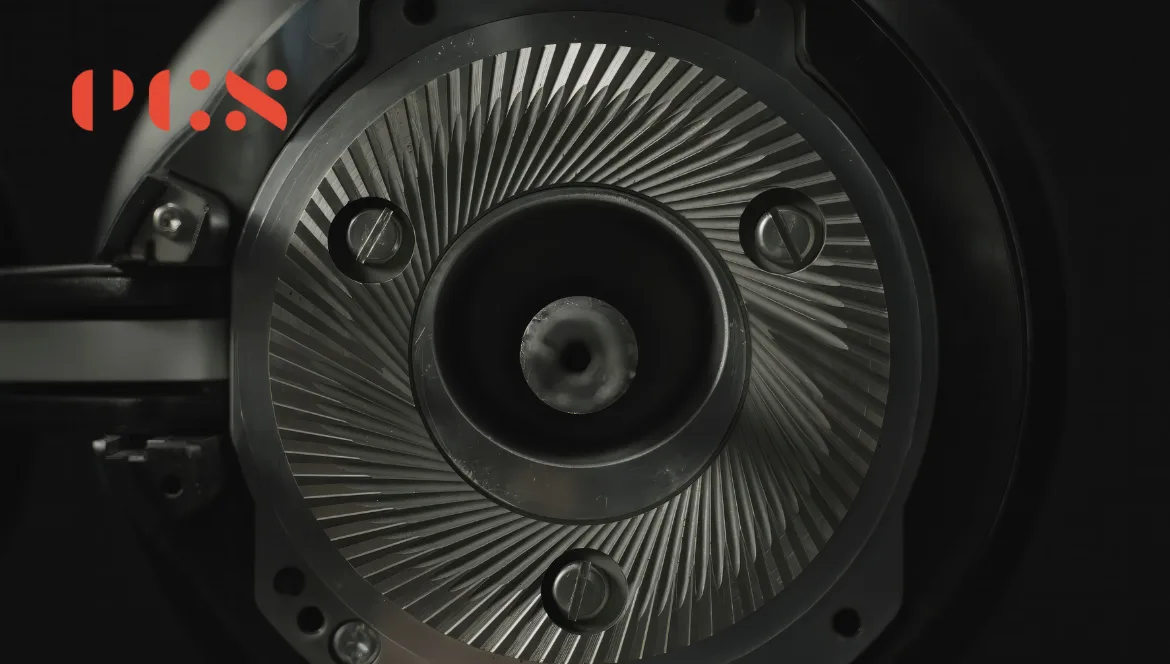 Flat or conical burrs? That is the question
The coffee grinder is among the most important equipment for any barista and home barista. When it comes to choosing...Read more
Flat or conical burrs? That is the question
The coffee grinder is among the most important equipment for any barista and home barista. When it comes to choosing...Read more -
 Arabica vs. Robusta: the main differences between the two most popular coffee varieties
When it comes to choosing the perfect coffee, there are two names that immediately come to mind: Arabica and...Read more
Arabica vs. Robusta: the main differences between the two most popular coffee varieties
When it comes to choosing the perfect coffee, there are two names that immediately come to mind: Arabica and...Read more -
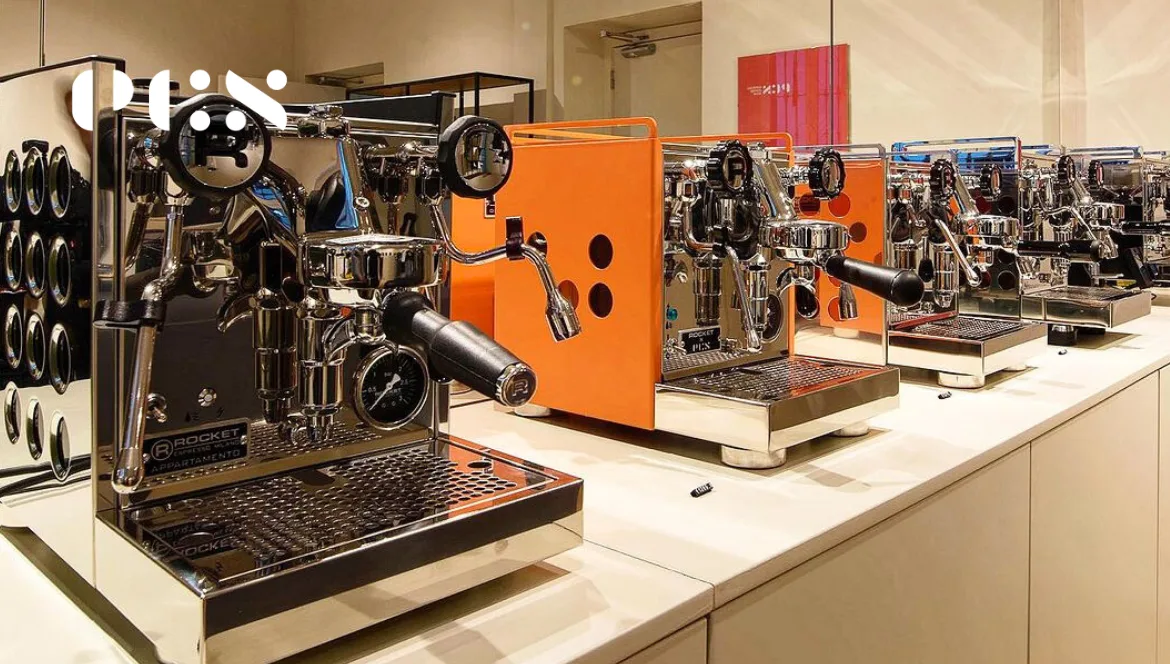 The first store Espresso Coffee Shop in Italy!
We are excited to announce the opening of our Temporary Shop in Milan, an must-visit meeting point for all coffee...Read more
The first store Espresso Coffee Shop in Italy!
We are excited to announce the opening of our Temporary Shop in Milan, an must-visit meeting point for all coffee...Read more -
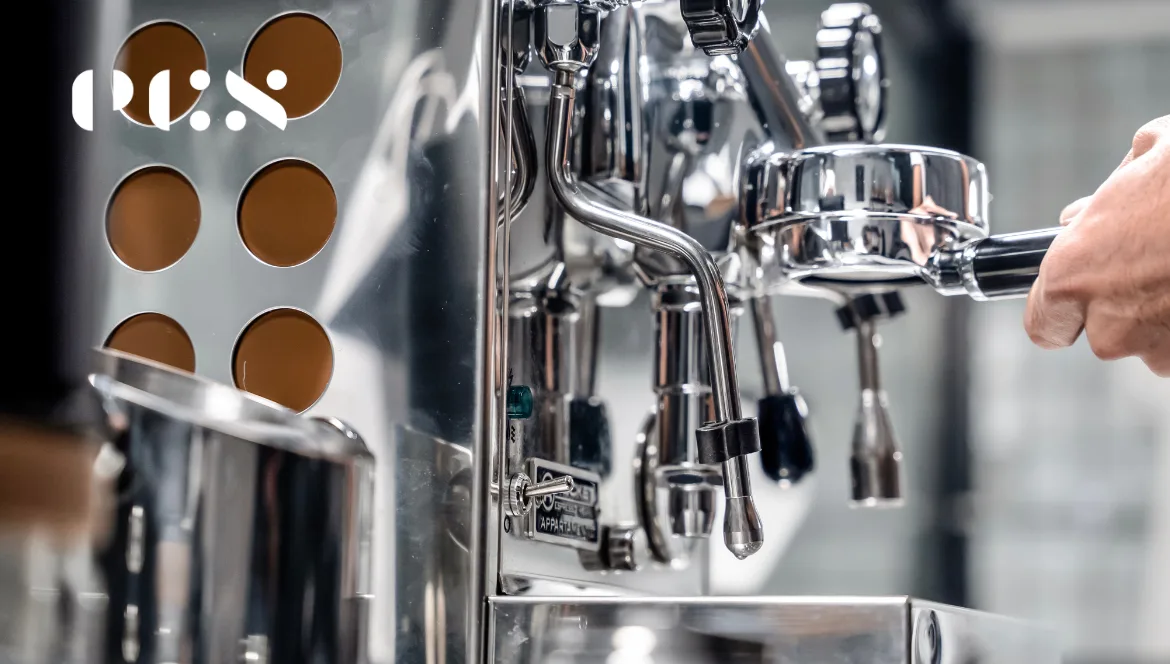 Different types of group heads: complete guide to help you choose the right espresso machine
When choosing an espresso machine, the group head is one of the most important components to consider. It plays a key...Read more
Different types of group heads: complete guide to help you choose the right espresso machine
When choosing an espresso machine, the group head is one of the most important components to consider. It plays a key...Read more
Leave a comment