


Espresso pairing is all about finding the right balance between coffee intensity and food flavors. This guide...
Please, visit the correct shop for your location:
International Site


It looks like you are not from the USA,
please visit the correct shop for your location:


 Espresso Machines
Coffee Grinders
Set
Accessories
Coffee
Pour Over
Design Collection
Deals
Best Of Black Friday
Brands
Espresso Machines
Coffee Grinders
Set
Accessories
Coffee
Pour Over
Design Collection
Deals
Best Of Black Friday
Brands
Espresso Coffee Shop
+Assistance and services
+-
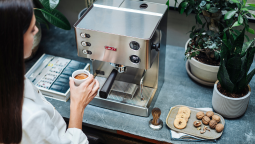 Espresso Pairing Guide: Foods That Complement Your CoffeeRead more08/31/2026
 -
 Coffee Catering Services: Mobile Espresso Solutions for EventsRead more
Coffee catering brings a complete espresso experience directly to weddings, corporate events, private parties, and...
08/27/2026 -
 Coffee Shop Design: Creating the Perfect Espresso Bar LayoutRead more
Designing the perfect coffee shop layout starts with creating an efficient espresso bar workflow. A well-planned...
08/25/2026 -
 Specialty Coffee Trends: Staying Competitive in the Espresso MarketRead more
Specialty coffee trends are transforming the espresso market as consumers increasingly prioritize quality,...
08/25/2026 -
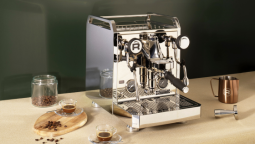 Espresso Machine Leasing vs Buying: What's Best for Your Business?Read more
Should you lease or buy an espresso machine for your business? This guide compares the costs, benefits, and long-term...
07/14/2026 -
 Espresso and Health: Benefits, Caffeine Content, and Wellness ConsiderationsRead more
Wondering how espresso affects your health? Learn how much caffeine is in a shot, what research says about...
07/14/2026 -
 Espresso Gift Guide: Perfect Presents for Coffee EnthusiastsRead more
Discover practical espresso gift ideas for every budget with this guide from Espresso Coffee Shop USA. From...
07/08/2026 -
 Office Coffee Solutions: Bringing Quality Espresso to the WorkplaceRead more
Create a better workplace coffee experience with the right office coffee solutions. This guide explains how to choose...
07/08/2026 -
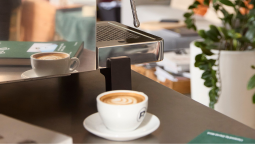 Italian Espresso Bar Etiquette: How to Order Like a LocalRead more
Discover the essential etiquette of an Italian espresso bar, from ordering coffee like a local to understanding when...
07/08/2026 -
 Sustainable Espresso: Eco-Friendly Practices and Equipment for 2026Read more
A sustainable espresso setup combines high-quality coffee with environmentally responsible choices. From durable,...
06/23/2026
Blog categories
Search in blog
Espresso Pairing Guide: Foods That Complement Your Coffee
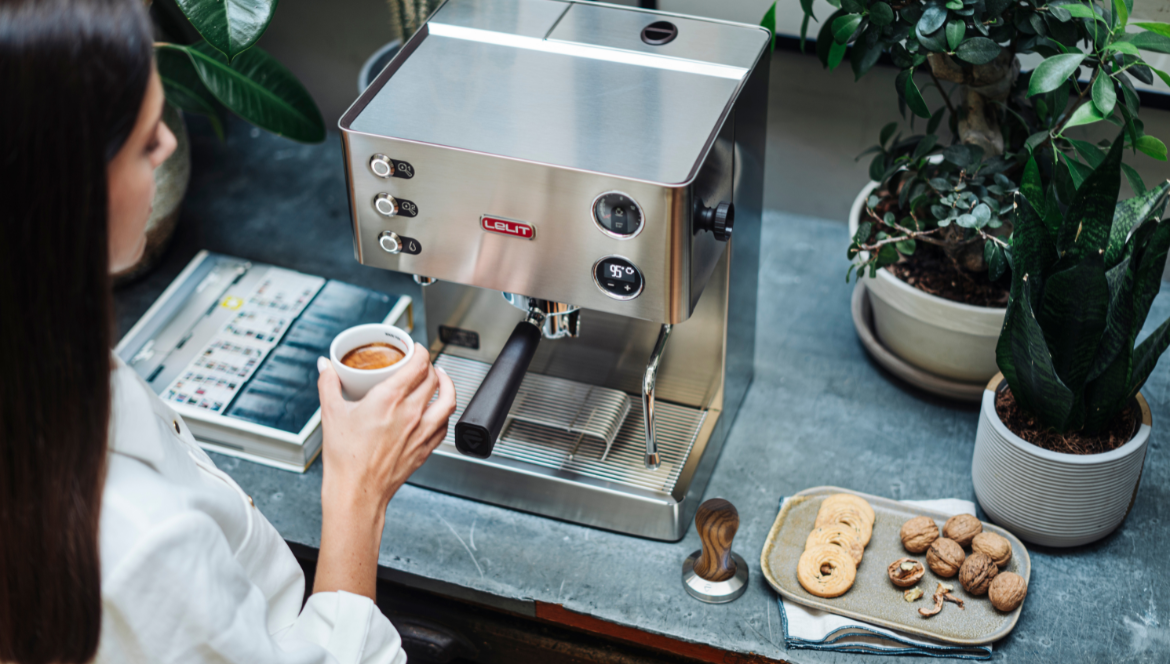
An espresso pairing guide comes down to one simple idea: match the intensity and flavor of your shot to a food that either balances it or echoes it. A bright, fruity espresso wants something different on the plate than a dark, chocolatey one, and getting that match right turns an ordinary coffee break into something worth savoring. This guide walks through what actually pairs well with espresso, why roast level changes the answer, and how the equipment behind your shot plays a bigger role in pairing success than most people realize.
Best Foods to Pair With Espresso
The foods that pair best with espresso generally fall into three groups: buttery pastries, dark chocolate, and light salty snacks, each working with the coffee's natural bitterness in a different way. Croissants and biscotti soften the intensity, dark chocolate mirrors it, and something salty like almonds or a cured meat cuts through it entirely.
There is no single right answer here, since pairing is partly about contrast and partly about echo. A rich, buttery pastry calms a bold shot. At the same time, a piece of dark chocolate with a similar cocoa intensity to the espresso creates a pairing where neither flavor overwhelms the other.
How Roast Level Changes What Pairs Well
Roast level shifts an espresso's flavor from bright and fruity at lighter roasts to deep and chocolatey at darker ones, and the food that complements it should shift along with it. A lighter, more acidic espresso pairs naturally with fruit-based desserts or citrus notes, while a dark, full-bodied shot holds up better against rich, heavy foods.
This is one reason the same pairing advice does not work for every espresso. A single origin light roast with berry notes can taste flat next to a heavy chocolate pastry, while that same pastry is a natural match for a darker, more traditional Italian style roast. Knowing your roast profile before you plan a pairing saves a lot of trial and error.
Chocolate and Dessert Pairings
Dark chocolate is the most reliable dessert pairing for espresso because its bitterness and roasted notes mirror the coffee instead of fighting it. Milk chocolate tends to clash slightly, since its sweetness can make a strong shot taste harsher by comparison.
Beyond straight chocolate, desserts built around cocoa, like tiramisu or a flourless chocolate cake, work well for the same reason. Fruit-based desserts pair better with lighter roasts than dark ones, since the acidity in a lighter shot has something to play against instead of getting buried.
Savory Pairings Worth Trying
Savory pairings work because salt and fat cut through espresso's bitterness, which is why almonds, aged cheese, and cured meats show up so often in traditional coffee cultures. A sharp, aged cheese in particular can make a bold espresso taste smoother by comparison.
This category surprises a lot of people who only think of coffee alongside sweets. A slice of prosciutto or a handful of salted nuts alongside a shot is a common pairing in parts of Italy, and it holds up because the saltiness balances bitterness in a way sugar cannot.
The Traditional Italian Approach
In Italy, espresso is traditionally paired with something small and simple, most often a cornetto in the morning or a plain biscotto later in the day, rather than an elaborate dessert. The idea is balance, not competition, since the food should support the coffee rather than distract from it.
This tradition also reflects how espresso is consumed there, standing at a bar in a few quick minutes rather than lingering over a large meal. A small, simple pairing fits that pace, which is part of why the cornetto and biscotto combinations have stayed the standard for so long.
Milk-Based Drinks vs Straight Shots
Milk-based drinks like cappuccinos and lattes pair differently than straight shots because the milk itself adds sweetness and body, which changes what the food needs to bring to the table. A straight shot benefits from a food that either contrasts or matches its intensity, while a milk-based drink already carries some of that balance built in.
This is why a plain biscuit can feel underwhelming next to a straight espresso but work perfectly alongside a cappuccino, since the milk fills in some of the roundness the biscuit would otherwise need to provide. Pairing advice for straight shots does not always translate directly to milk-based drinks for this reason.
Breakfast Pairings
Breakfast pairings for espresso lean toward simple, not overly sweet options, since a heavy or sugary breakfast can clash with a bold morning shot rather than complement it. Toast, a light pastry, or fruit tend to work better than anything overly rich this early in the day.
Heavier breakfast foods, like a full egg and cheese plate, can still work but generally pair better with a milk-based drink than a straight shot, since the added sweetness and body from the milk balance the meal more evenly than a concentrated shot alone.
Why Acidity and Bitterness Drive the Pairing
Acidity and bitterness are the two flavor traits doing most of the work in any espresso pairing, since almost every food choice comes down to either balancing or matching one of the two. High acidity pairs naturally with sweetness, while high bitterness pairs well with fat, salt, or a similarly bitter flavor like dark chocolate.
Understanding this makes pairing far less guesswork. Once you know whether your shot leans bright and acidic or deep and bitter, most food choices become a matter of picking the flavor trait that balances it rather than trial and error every time.
Getting Consistent Results at Home
None of this pairing advice matters much if the shot itself is inconsistent, since a slightly overextracted or underextracted espresso changes its flavor profile enough to throw off even a well-chosen pairing. This is where equipment quality actually shows up in the final cup, not just in convenience.
A machine with PID temperature control pulls a consistent shot every time, which means the roast profile you are pairing around stays the same from one cup to the next instead of shifting with every extraction. Espresso Coffee Shop USA carries several PID-controlled machines alongside a range of Giamaica Caffè roasts, from brighter single-origin options to traditional Italian blends, so home enthusiasts can match both the equipment and the bean to the pairing they are after. With decades of experience guiding customers through that process since 1997, the team can help narrow down a roast and machine combination suited to the flavors you actually want on your plate.
Pairing espresso well is less about rules and more about understanding what your specific cup already tastes like. Start there, and the food choices tend to follow naturally.
FAQ
Q: What foods pair well with espresso?
A: Buttery pastries, dark chocolate, and light salty snacks like almonds or cured meats each pair well, depending on whether you want contrast or a matching flavor intensity.
Q: Does roast level affect food pairing?
A: Yes, lighter roasts pair better with fruit-based or citrus flavors while darker roasts hold up against rich, heavy foods like chocolate desserts.
Q: What desserts go best with espresso?
A: Dark chocolate and cocoa-based desserts like tiramisu pair most reliably, since their bitterness mirrors the espresso instead of clashing with it.
Q: What savory foods pair with espresso?
A: Aged cheese, almonds, and cured meats work well because their salt and fat cut through espresso's natural bitterness.
Q: What is the traditional Italian espresso pairing?
A: A simple cornetto in the morning or a plain biscotto later in the day, chosen to support the coffee rather than compete with it.
Q: Do milk-based espresso drinks pair differently than straight shots?
A: Yes, milk adds sweetness and body, so foods that would feel plain next to a straight shot often work well alongside a cappuccino or latte.
Related posts
-
 Understanding Espresso Machines: Single Boiler, Dual Boiler, and Heat Exchanger Models
Choosing the right espresso machine can elevate your coffee experience to new heights. At Espresso Coffee Shop we...Read more
Understanding Espresso Machines: Single Boiler, Dual Boiler, and Heat Exchanger Models
Choosing the right espresso machine can elevate your coffee experience to new heights. At Espresso Coffee Shop we...Read more -
 Flat or conical burrs? That is the question
The coffee grinder is among the most important equipment for any barista and home barista. When it comes to choosing...Read more
Flat or conical burrs? That is the question
The coffee grinder is among the most important equipment for any barista and home barista. When it comes to choosing...Read more -
 Arabica vs. Robusta: the main differences between the two most popular coffee varieties
When it comes to choosing the perfect coffee, there are two names that immediately come to mind: Arabica and...Read more
Arabica vs. Robusta: the main differences between the two most popular coffee varieties
When it comes to choosing the perfect coffee, there are two names that immediately come to mind: Arabica and...Read more -
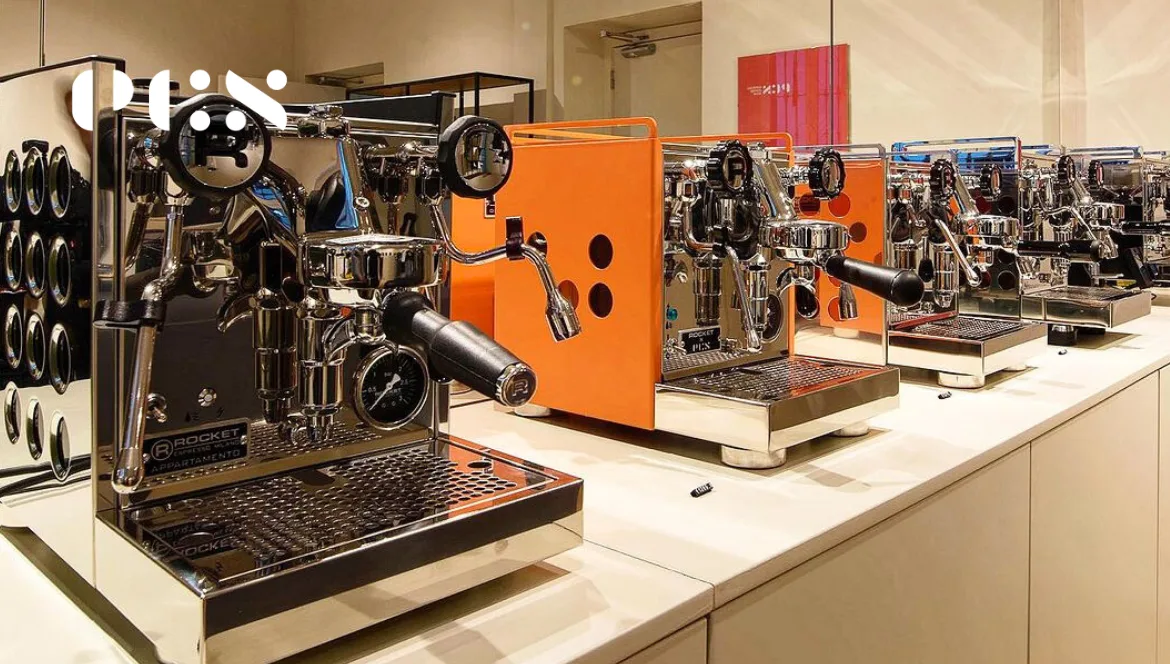 The first store Espresso Coffee Shop in Italy!
We are excited to announce the opening of our Temporary Shop in Milan, an must-visit meeting point for all coffee...Read more
The first store Espresso Coffee Shop in Italy!
We are excited to announce the opening of our Temporary Shop in Milan, an must-visit meeting point for all coffee...Read more -
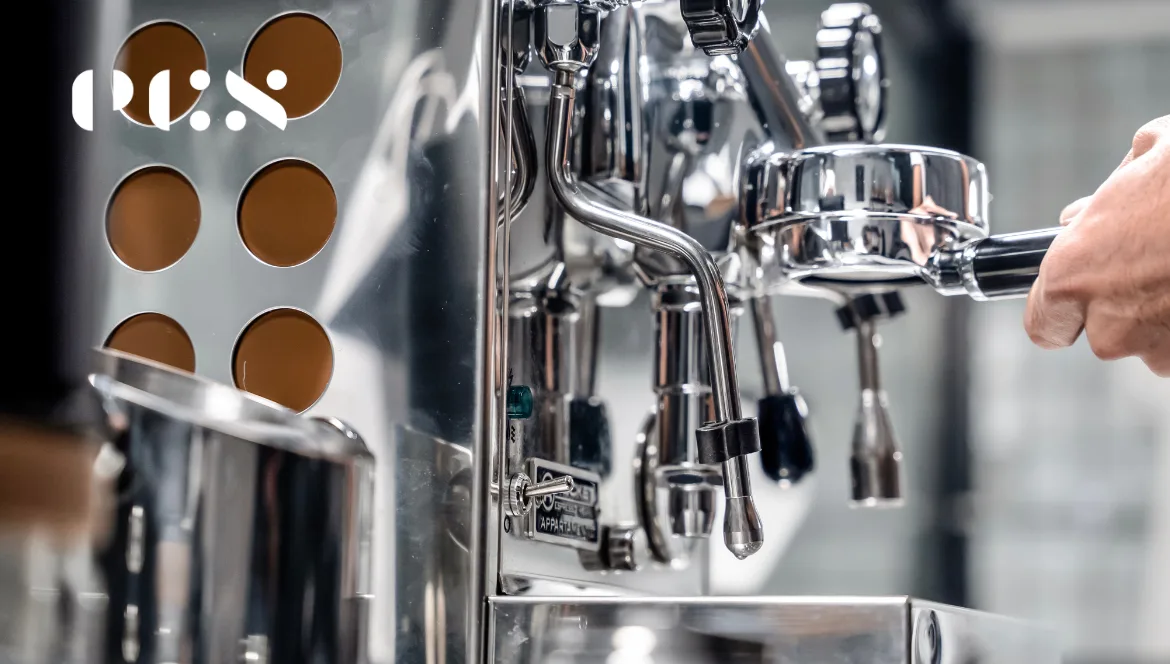 Different types of group heads: complete guide to help you choose the right espresso machine
When choosing an espresso machine, the group head is one of the most important components to consider. It plays a key...Read more
Different types of group heads: complete guide to help you choose the right espresso machine
When choosing an espresso machine, the group head is one of the most important components to consider. It plays a key...Read more
Leave a comment