


Espresso pairing is all about finding the right balance between coffee intensity and food flavors. This guide...
Please, visit the correct shop for your location:
International Site


It looks like you are not from the USA,
please visit the correct shop for your location:


 Espresso Machines
Coffee Grinders
Set
Accessories
Coffee
Pour Over
Design Collection
Deals
Best Of Black Friday
Brands
Espresso Machines
Coffee Grinders
Set
Accessories
Coffee
Pour Over
Design Collection
Deals
Best Of Black Friday
Brands
Espresso Coffee Shop
+Assistance and services
+-
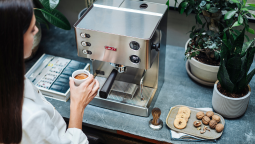 Espresso Pairing Guide: Foods That Complement Your CoffeeRead more08/31/2026
 -
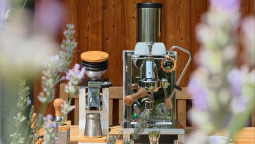 Coffee Catering Services: Mobile Espresso Solutions for EventsRead more
Coffee catering brings a complete espresso experience directly to weddings, corporate events, private parties, and...
08/27/2026 -
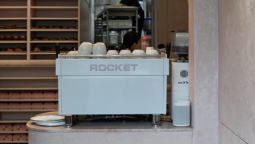 Coffee Shop Design: Creating the Perfect Espresso Bar LayoutRead more
Designing the perfect coffee shop layout starts with creating an efficient espresso bar workflow. A well-planned...
08/25/2026 -
 Specialty Coffee Trends: Staying Competitive in the Espresso MarketRead more
Specialty coffee trends are transforming the espresso market as consumers increasingly prioritize quality,...
08/25/2026 -
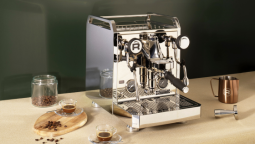 Espresso Machine Leasing vs Buying: What's Best for Your Business?Read more
Should you lease or buy an espresso machine for your business? This guide compares the costs, benefits, and long-term...
07/14/2026 -
 Espresso and Health: Benefits, Caffeine Content, and Wellness ConsiderationsRead more
Wondering how espresso affects your health? Learn how much caffeine is in a shot, what research says about...
07/14/2026 -
 Espresso Gift Guide: Perfect Presents for Coffee EnthusiastsRead more
Discover practical espresso gift ideas for every budget with this guide from Espresso Coffee Shop USA. From...
07/08/2026 -
 Office Coffee Solutions: Bringing Quality Espresso to the WorkplaceRead more
Create a better workplace coffee experience with the right office coffee solutions. This guide explains how to choose...
07/08/2026 -
 Italian Espresso Bar Etiquette: How to Order Like a LocalRead more
Discover the essential etiquette of an Italian espresso bar, from ordering coffee like a local to understanding when...
07/08/2026 -
 Sustainable Espresso: Eco-Friendly Practices and Equipment for 2026Read more
A sustainable espresso setup combines high-quality coffee with environmentally responsible choices. From durable,...
06/23/2026
Blog categories
Search in blog
Coffee Catering Services: Mobile Espresso Solutions for Events
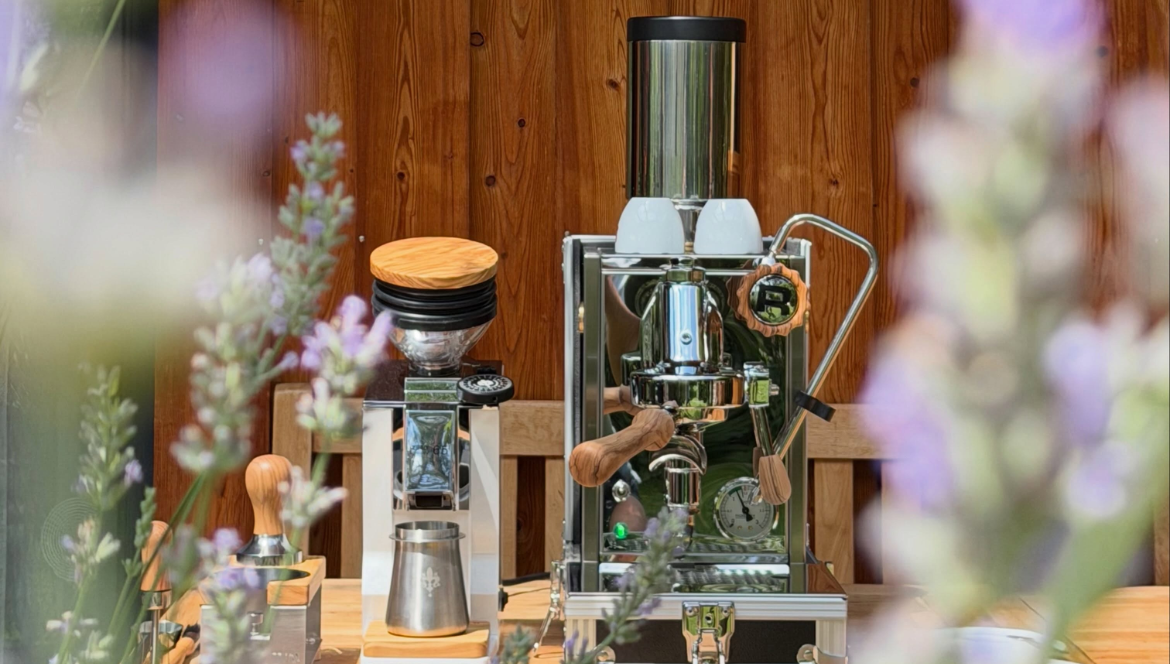
Coffee catering services bring a working espresso bar to a location that does not have one, using a cart, a compact machine, and someone who knows how to run it. It has become a standard add-on for weddings, corporate meetings, and private parties because it gives guests a real coffee shop experience without anyone leaving the venue. This guide breaks down how mobile espresso catering actually works, what equipment sits behind it, and what to weigh if you are planning your own setup rather than hiring one.
What Coffee Catering Actually Involves
Coffee catering means bringing espresso equipment, ingredients, and a trained operator to an event so guests can order drinks made on-site, the same way they would at a cafe. It typically includes an espresso machine, a grinder, milk and syrups, cups, and either a hired barista or a self-serve station depending on the event.
Most catering setups fall into two categories: fully staffed service, where a barista runs the bar for the duration of the event, and equipment-only rental or purchase, where the host or a catering company runs the machine themselves. The right choice depends on event size, budget, and whether anyone on site actually knows how to pull a shot.
Equipment Behind a Mobile Espresso Cart
A mobile espresso cart is built around a compact one- or two-group espresso machine, a grinder sized to match it, and enough counter space for milk, cups, and a small workflow. The machine is usually the single biggest factor in whether the bar can keep up with demand.
Weight and footprint matter as much as output here. A machine designed for a fixed cafe counter is often too heavy or too power-hungry to move easily between venues, which is why event-ready setups tend to use lighter, semi-commercial units built for mobility rather than full-size commercial rigs.
Mobile Espresso Catering for Corporate Events
Corporate events typically need higher volume and faster service than a small wedding, since attendees often want their coffee in a tight window between sessions or meetings. A single group machine can bottleneck quickly once you have more than 30 or 40 people wanting a drink in the same 20 minutes.
For larger office events or conferences, a two-group machine paired with a second grinder for backup keeps the line moving. Planning for peak demand windows, not just total headcount, is the detail most first-time organizers underestimate.
Espresso Bars for Weddings and Private Parties
Wedding and private party coffee bars usually run at a slower, steadier pace than corporate events, which means a single group machine is often enough even for a guest list of 100 or more. The bigger consideration is usually aesthetics and placement rather than raw throughput.
Couples and event planners often want the bar visible as a feature, not tucked in a corner, so machine size and appearance end up mattering alongside function. A compact machine with a clean design fits this brief better than a bulky commercial unit built purely for speed.
Power and Water Requirements On Site
Most portable and semi-commercial espresso machines run on a standard 110V outlet. However, larger units may need a dedicated circuit to avoid tripping breakers when the grinder and machine draw power at the same time. Water is either supplied from an onboard tank or connected directly if the venue allows it.
Confirming outlet location and circuit capacity with the venue before the event is a small step that prevents a very public equipment failure mid-service. Tank-fed machines are usually the safer choice for outdoor or temporary venues without direct plumbing access.
Staffing the Bar
A single trained operator can comfortably run one espresso machine, serving roughly 60 to 80 drinks over a few hours, depending on the drink menu and how much customization guests request. Larger events or a menu with iced drinks and flavored syrups slow throughput and often justify a second person.
Even a self-serve setup benefits from having one person on hand who understands basic machine operation, since a jammed portafilter or a scaled-up group head can stall service faster than most hosts expect.
Buying vs Hiring Equipment for Event Coffee
Hiring a fully staffed catering company makes sense for a one-off event where nobody wants to manage logistics, while buying equipment makes more sense for anyone planning to offer coffee service regularly, such as a catering business, an event venue, or a company running frequent office events. The breakeven point usually falls somewhere between three and five events a year.
This is exactly where equipment choice becomes the real decision point. Espresso Coffee Shop USA works with event planners, caterers, and businesses building their own mobile coffee offering, helping them select a machine and grinder combination sized correctly for their typical event volume rather than overbuying a full cafe setup they will never use to capacity.
Choosing the Right Portable Espresso Machine
The right portable espresso machine for events balances weight, power draw, and output, since a machine that is perfect for a home kitchen often cannot keep pace with even a modest event crowd. Look for a semi-commercial build with a stable boiler, not a consumer model stretched beyond its intended use.
This is the kind of decision worth walking through before buying, since machine specs on paper do not always reflect real-world event pace. A Virtual Coffee Consultation with Espresso Coffee Shop USA covers exactly this, matching machine and grinder choice to expected event size, power access, and budget. Hence, the setup performs on the day it matters most. With decades of experience fitting equipment to real use cases since 1997, the team has seen which machines hold up under repeated event use and which ones do not.
Coffee catering, whether hired or built in-house, comes down to matching the right equipment to the right event size. Get that part right and everything else, from staffing to setup, gets a lot easier.
FAQ's
Q: What does coffee catering for events include?
A: Espresso equipment, a grinder, milk and syrups, cups, and either a hired barista or a self-serve station, depending on the event format.
Q: What equipment do you need for a mobile coffee cart?
A: A compact one- or two-group espresso machine, a matched grinder, and enough counter space for milk, cups, and basic workflow.
Q: How does mobile espresso catering work for corporate events?
A: It typically uses a higher-output machine to handle short, high-demand windows like breaks between meetings, often with a second grinder as backup.
Q: Can you set up an espresso bar for a wedding or private party?
A: Yes, a single group machine is usually enough for events up to around 100 guests since demand is spread out rather than concentrated.
Q: How much power does a mobile espresso machine need?
A: Most portable and semi-commercial machines run on a standard 110V outlet, though larger units may need a dedicated circuit.
Q: Is it better to buy or hire equipment for event coffee?
A: Hiring suits a one-off event, while buying makes more sense for anyone hosting coffee service regularly, with breakeven typically around three to five events a year.
Related posts
-
 Understanding Espresso Machines: Single Boiler, Dual Boiler, and Heat Exchanger Models
Choosing the right espresso machine can elevate your coffee experience to new heights. At Espresso Coffee Shop we...Read more
Understanding Espresso Machines: Single Boiler, Dual Boiler, and Heat Exchanger Models
Choosing the right espresso machine can elevate your coffee experience to new heights. At Espresso Coffee Shop we...Read more -
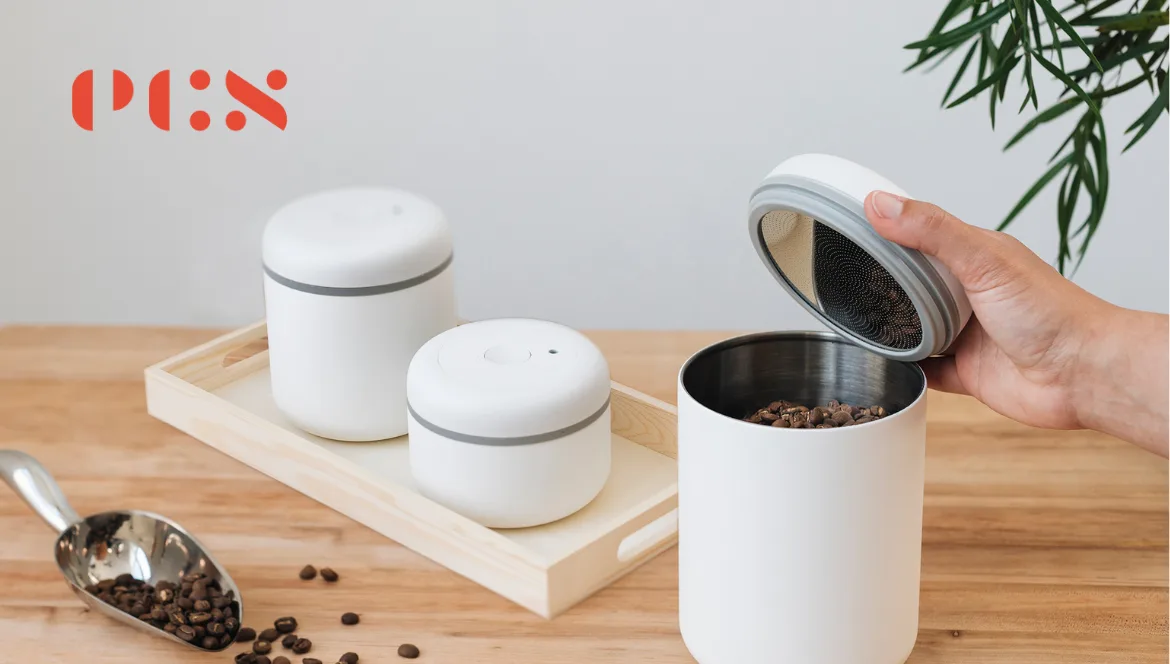 How to properly store coffee
If you, too, are a true coffee enthusiast, meticulously selecting the varieties you like best and eagerly...Read more
How to properly store coffee
If you, too, are a true coffee enthusiast, meticulously selecting the varieties you like best and eagerly...Read more -
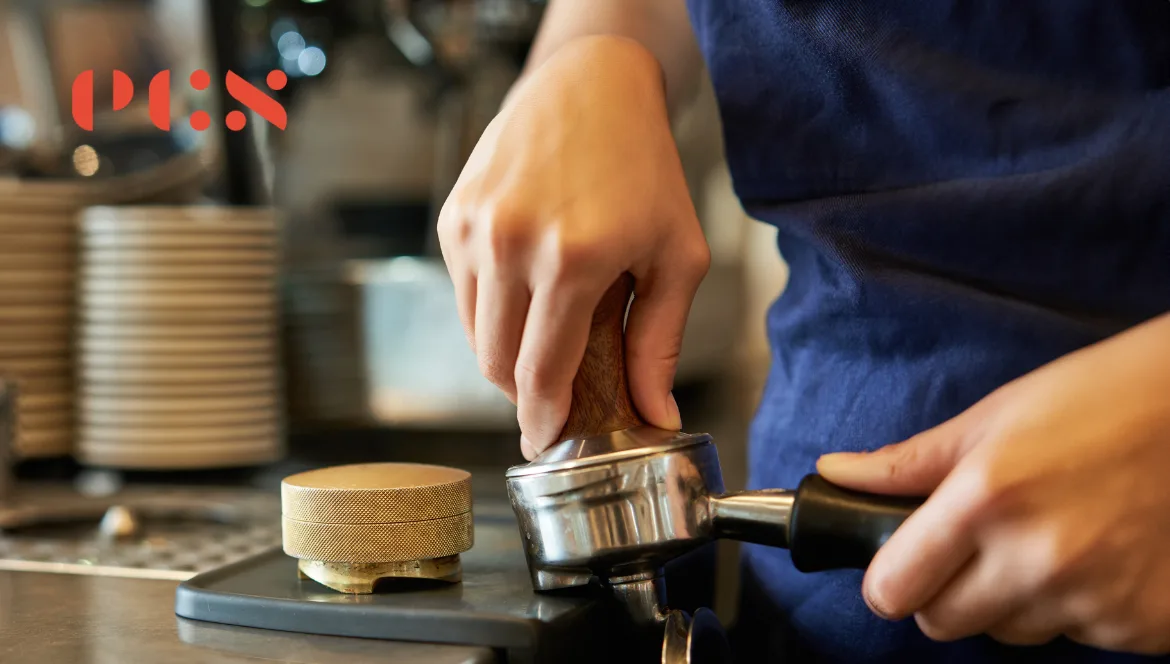 All about a good tamping
To make good coffee, it is important to have the right equipment, quality coffee and not only. It is also necessary...Read more
All about a good tamping
To make good coffee, it is important to have the right equipment, quality coffee and not only. It is also necessary...Read more -
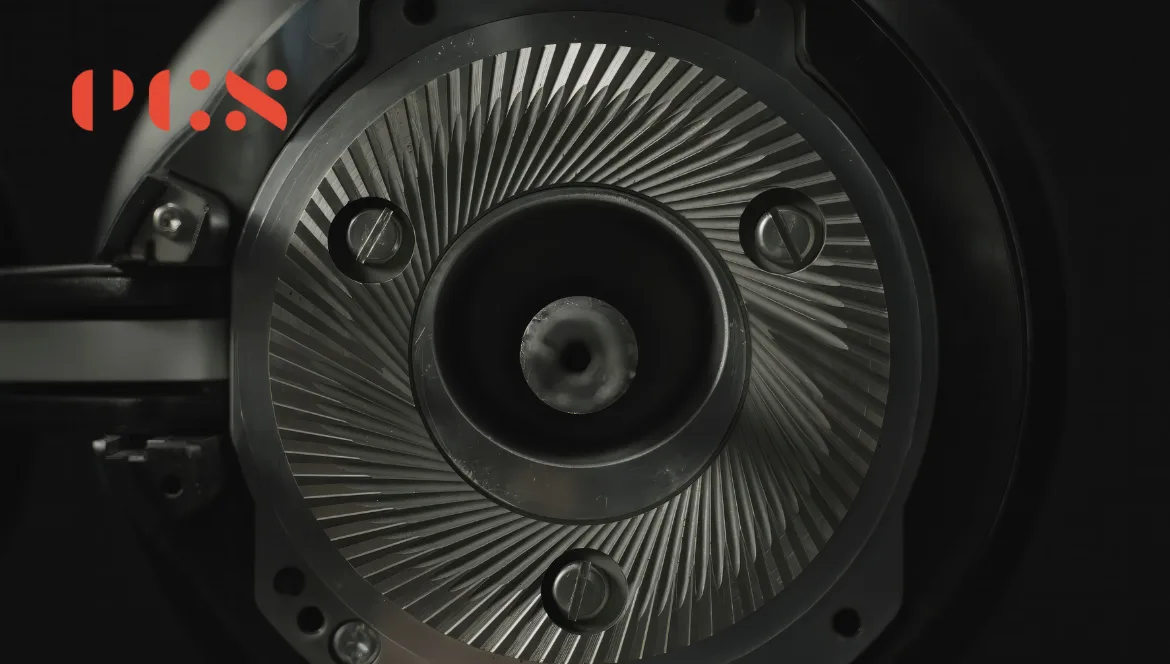 Flat or conical burrs? That is the question
The coffee grinder is among the most important equipment for any barista and home barista. When it comes to choosing...Read more
Flat or conical burrs? That is the question
The coffee grinder is among the most important equipment for any barista and home barista. When it comes to choosing...Read more -
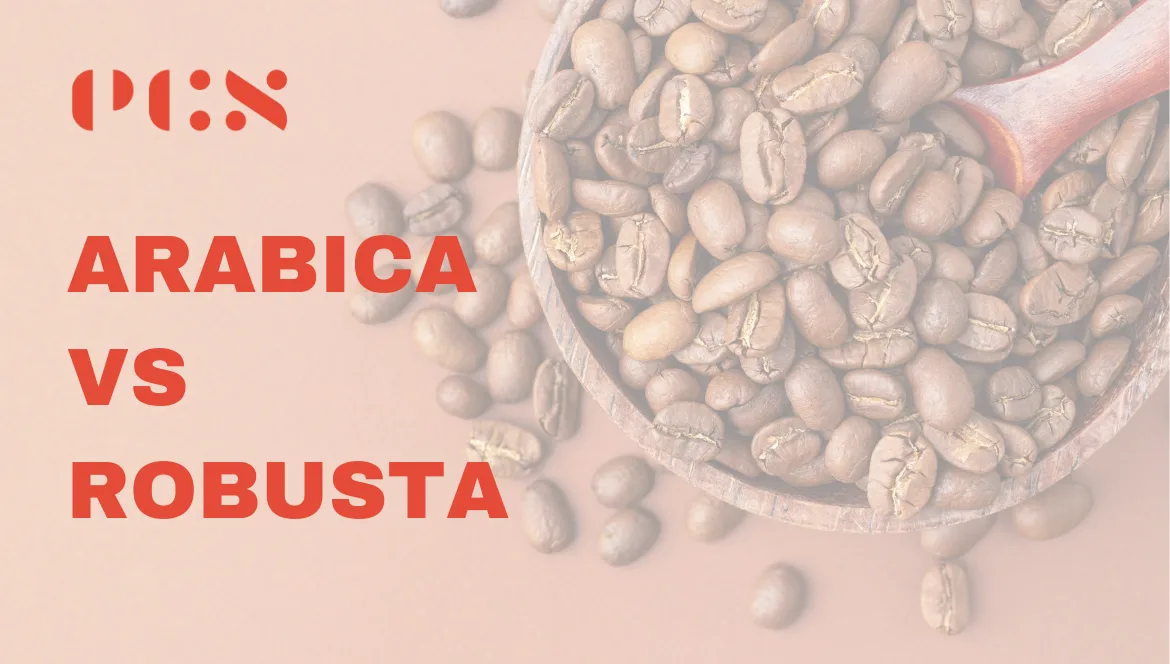 Arabica vs. Robusta: the main differences between the two most popular coffee varieties
When it comes to choosing the perfect coffee, there are two names that immediately come to mind: Arabica and...Read more
Arabica vs. Robusta: the main differences between the two most popular coffee varieties
When it comes to choosing the perfect coffee, there are two names that immediately come to mind: Arabica and...Read more
Leave a comment