


Choosing an espresso machine comes down to three decisions: your budget, how much manual control you want, and how...
Please, visit the correct shop for your location:
International Site


It looks like you are not from the USA,
please visit the correct shop for your location:


 Espresso Machines
Coffee Grinders
Set
Accessories
Coffee
Pour Over
Design Collection
Deals
Best Of Black Friday
Brands
Espresso Coffee Shop
+Assistance and services
+-
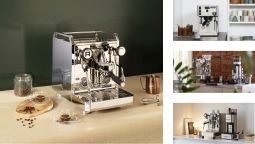 How to Choose an Espresso Machine: Complete Buying GuideRead more10/26/2026
-
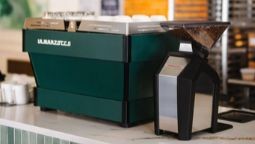 Famous Italian Espresso Machine Manufacturers: La Pavoni, Gaggia, and MoreRead more
Choosing an Italian espresso machine is a decade-long commitment, so the brand you pick matters. This guide compares...
10/26/2026 -
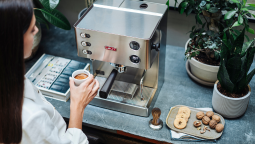 Espresso Pairing Guide: Foods That Complement Your CoffeeRead more
Espresso pairing is all about finding the right balance between coffee intensity and food flavors. This guide...
08/31/2026 -
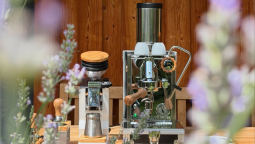 Coffee Catering Services: Mobile Espresso Solutions for EventsRead more
Coffee catering brings a complete espresso experience directly to weddings, corporate events, private parties, and...
08/27/2026 -
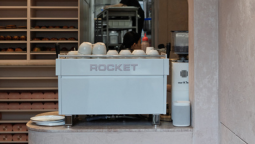 Coffee Shop Design: Creating the Perfect Espresso Bar LayoutRead more
Designing the perfect coffee shop layout starts with creating an efficient espresso bar workflow. A well-planned...
08/25/2026 -
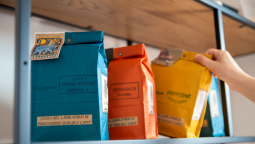 Specialty Coffee Trends: Staying Competitive in the Espresso MarketRead more
Specialty coffee trends are transforming the espresso market as consumers increasingly prioritize quality,...
08/25/2026 -
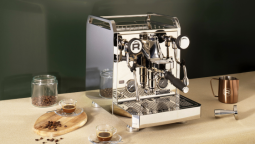 Espresso Machine Leasing vs Buying: What's Best for Your Business?Read more
Should you lease or buy an espresso machine for your business? This guide compares the costs, benefits, and long-term...
07/14/2026 -
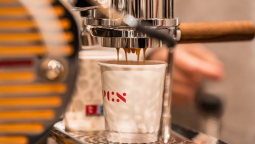 Espresso and Health: Benefits, Caffeine Content, and Wellness ConsiderationsRead more
Wondering how espresso affects your health? Learn how much caffeine is in a shot, what research says about...
07/14/2026 -
 Espresso Gift Guide: Perfect Presents for Coffee EnthusiastsRead more
Discover practical espresso gift ideas for every budget with this guide from Espresso Coffee Shop USA. From...
07/08/2026 -
 Office Coffee Solutions: Bringing Quality Espresso to the WorkplaceRead more
Create a better workplace coffee experience with the right office coffee solutions. This guide explains how to choose...
07/08/2026
Blog categories
Search in blog
How to Choose an Espresso Machine: Complete Buying Guide
Choosing an espresso machine comes down to three decisions: your budget, how much manual control you want and how often you will actually use it. Get those three right and almost any machine in that category will serve you well. Get them wrong, and even an expensive machine ends up gathering dust on the counter.
This guide breaks the decision into plain steps and points each one to a machine Espresso Coffee Shop USA lists and ships across the United States, so you can buy with more confidence and less guesswork.
Espresso Machine vs Coffee Maker: Know the Difference
An espresso machine forces hot water through finely ground, tightly packed coffee at roughly 9 bars of pressure, producing a concentrated shot with crema on top. A drip coffee maker uses gravity to pull water through a coarser grind at essentially no pressure, producing a larger, lighter-bodied cup. That pressure difference is why the two produce genuinely different drinks, and why espresso is the base for lattes and cappuccinos.
Types of Espresso Machines Explained
Once you understand what espresso is, the next question is which machine style fits your routine.
Semi-Automatic Machines
You start and stop the shot while the machine controls water pressure and, on many models, temperature. This is the most common home category because it balances hands-on control with consistency, and it is where most of our range sits, from the Rancilio Silvia V6 at $995 to Rocket and Lelit E61 machines.
Super-Automatic Machines
Bean-to-cup machines grind, tamp, brew and often froth milk at one button press. They suit buyers who want espresso without learning the process, but they offer little room to fine-tune the shot. Our range focuses on semi-automatic and lever machines for buyers who want that control.
Manual Lever Machines
These put brew pressure in your hands for full control over extraction. The Rocket Epica at $7,600 offers manual pressure profiling with a saturated group and dual stainless steel boilers. The learning curve is steeper, so most people move to a lever after some semi-automatic experience.
Choosing a Machine for a First Purchase
For a first machine, a semi-automatic is the usual recommendation, since it teaches the core skills of grind size, dose and tamping without lever technique on top. Within that category, machines differ in how they manage brew temperature. Some use a PID controller that lets you set and hold a specific temperature. Others rely on a simpler mechanical pressurestat that keeps temperature within its own working range.
The Rocket Appartamento 2.0 at $2,150 is a heat exchanger machine without a PID. It is well regarded for its build quality and E61 group, and the 2.0 adds a tank level sensor and RGB status lights. Buyers who want digital temperature control at a lower price should look at the Lelit Victoria PL91T at $999.95, a single boiler machine with PID, a 58mm commercial group, pre-infusion and an OLED display with brew timer.
If you want both, the Lelit Mara X PL62X at $1,699.95 is a heat exchanger with a double probe PID that manages brew temperature while you steam. The Rocket Appartamento TCA at $2,300 adds four brew temperature settings to the Appartamento body.
Comparing Two Common Entry Points
| Feature | Rocket Appartamento 2.0 | Lelit Victoria PL91T |
|---|---|---|
| Listed price | $2,150 | $999.95 |
| Boiler type | Heat exchanger, 1.8 L | Single boiler, 300 ml |
| Temperature control | No PID | PID |
| Group head | E61, 58 mm | Ring group, 58 mm |
| Brew and steam together | Yes | No, switches between modes |
| Best for | E61 design and back-to-back milk drinks | Set-and-hold temperature at a lower entry cost |
How Much Does a Good Espresso Machine Cost
Home espresso machines in our range run from $995 for the Rancilio Silvia V6 to around 2,300forheatexchangermodelsliketheAppartamentoTCA.DualboilermachinessuchastheLelitElizabethPL92T(1,799.95) and the Rancilio Silvia Pro X ($2,195) sit in the same band. A burr grinder is a separate cost, starting at $299.95 for the Baratza Encore ESP Pro and rising to $499 to $649 for flat-burr espresso grinders. Budget the machine and grinder as one purchase.
| Starter Pairing | Machine | Grinder | Combined Price |
|---|---|---|---|
| PID on a budget | Lelit Victoria PL91T | Baratza Encore ESP Pro | $1,299.90 |
| PID plus steam while brewing | Lelit Mara X PL62X | Eureka Mignon Silenzio 55 | $2,198.95 |
| E61 classic | Rocket Appartamento 2.0 | Eureka Mignon Silenzio 55 | $2,649 |
Do You Need a Separate Grinder?
Yes. Pre-ground coffee goes stale within days and isn't fine or consistent enough for espresso. The Eureka Mignon Silenzio 55 at $499 uses 55mm hardened steel flat burrs with stepless adjustment, a strong match for any machine on this page.
PID Temperature Control
A PID lets you set and hold a brew temperature, which improves shot-to-shot consistency when switching roasts. Machines without one, like the Appartamento 2.0, still make excellent espresso; the temperature simply runs within the machine's built-in range rather than one you set.
Steam Wand Design
If milk drinks matter, choose a manual steam wand over an automatic frother so you can build proper microfoam. Every machine named here uses a manual wand.
How Espresso Coffee Shop USA Helps You Choose
Espresso Coffee Shop USA has been part of this conversation since 1997, first as an Italian retailer and now shipping directly to US customers, with machines and grinders from Rocket, Lelit, Rancilio, Eureka and Baratza. Rather than leaving you to compare specs alone, you can book a virtual session with a specialist who reviews your budget, kitchen and drink preferences before recommending a machine and grinder pairing. The right machine for a solo latte drinker looks different from the right one for someone practicing manual technique, and a short conversation can help you land on one you will actually use.
Choosing an espresso machine doesn't need to be complicated once you break it into type, budget and the few features that genuinely affect the cup. Start with what you will realistically use day to day, budget for a proper grinder and reach out if you're unsure which combination fits.
FAQs
Q: What is the difference between an espresso machine and a coffee maker?
A: An espresso machine uses roughly 9 bars of pressure to push hot water through fine, packed grounds, producing a concentrated shot with crema. A drip coffee maker uses gravity and a coarser grind, producing a lighter, larger cup.
Q: Which espresso machines are recommended for a first purchase?
A: Semi-automatic machines. The Lelit Victoria PL91T (2,150) offers an E61 heat exchanger without PID, and the Lelit Mara X ($1,699.95) combines both.
Q: How much does a good espresso machine cost?
A: Home machines in our range run from $995 to about $2,300. Add $299.95 to $649 for a grinder, so a complete setup typically starts around $1,300.
Q: Do I need a separate grinder for an espresso machine?
A: Yes. Pre-ground coffee cannot match the fine, consistent grind espresso needs. The Baratza Encore ESP Pro is an entry option, and the Eureka Mignon Silenzio 55 is a step up with flat burrs.
Q: Is a manual lever espresso machine a good first purchase?
A: Usually not. Lever machines such as the Rocket Epica have a steeper learning curve, so most buyers build experience on a semi-automatic first.
Q: How do I know which espresso machine fits my routine?
A: Match the machine to how you drink coffee: a PID single boiler for straight shots, a heat exchanger or dual boiler for frequent milk drinks, and a lever once you have experience. A virtual session with our team can narrow it down.
Related posts
-
 How to properly store coffee
If you, too, are a true coffee enthusiast, meticulously selecting the varieties you like best and eagerly...Read more
-
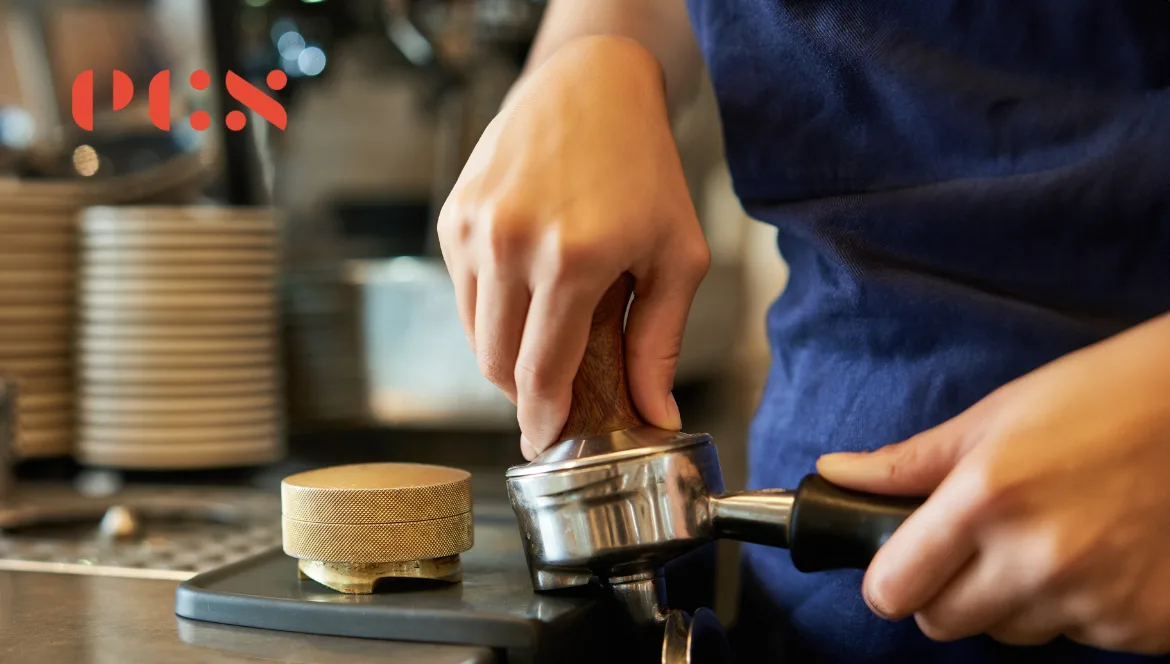 All about a good tamping
To make good coffee, it is important to have the right equipment, quality coffee and not only. It is also necessary...Read more
-
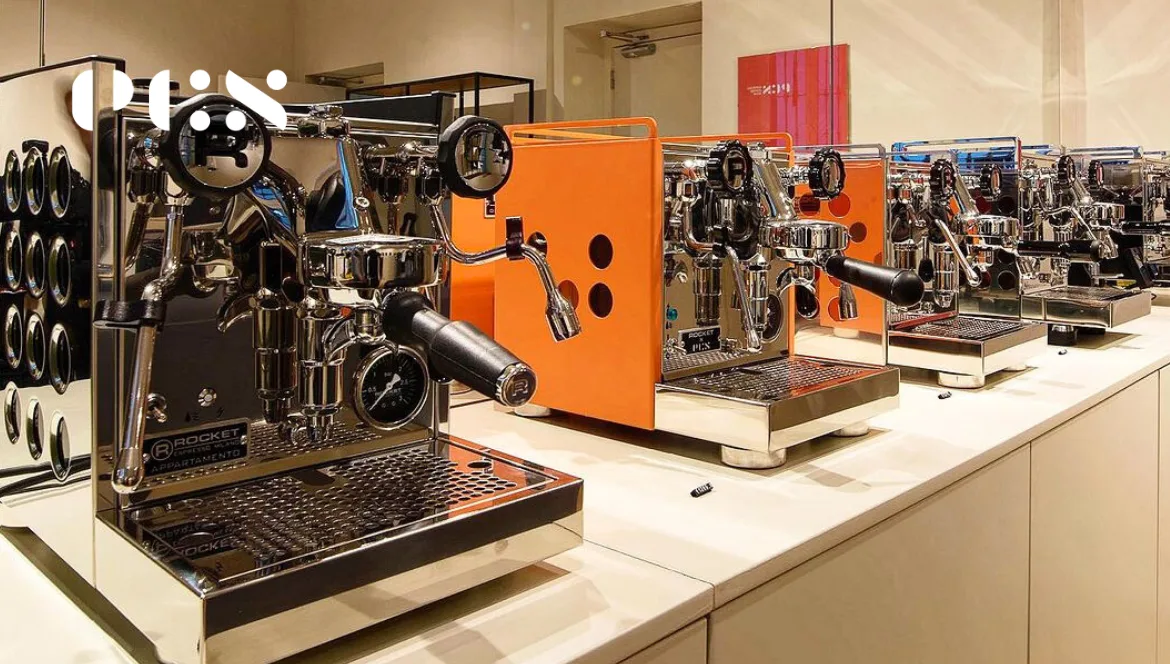 The first store Espresso Coffee Shop in Italy!
We are excited to announce the opening of our Temporary Shop in Milan, an must-visit meeting point for all coffee...Read more
-
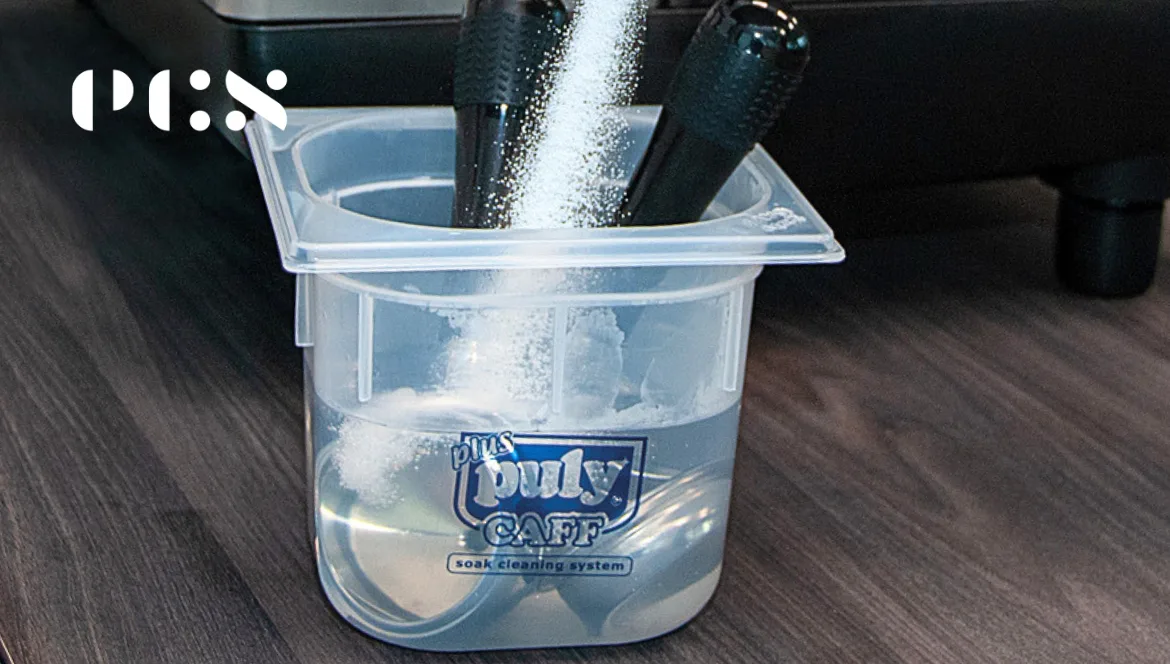 Spring cleaning? It's the perfect time to clean your coffee equipment, too
Spring is in the air, bringing the desire to renovate, tidy and... clean! Besides sprucing up your home and closets,...Read more
-
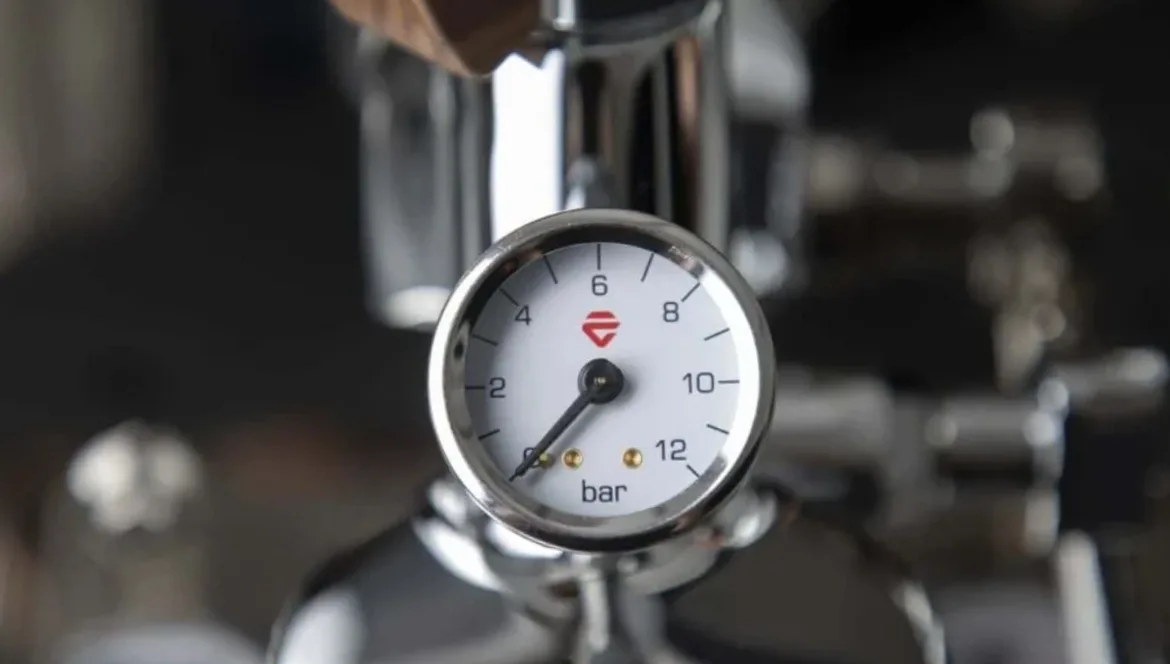 Advanced Espresso Techniques: Pressure Profiling and Temperature Surfing
Espresso is an art form, a delicate balance of science and passion that culminates in a rich, aromatic cup of coffee....Read more
Leave a comment